Marc de Leeuw - Böcker
Visar alla böcker från författaren Marc de Leeuw. Handla med fri frakt och snabb leverans.
7 produkter
7 produkter
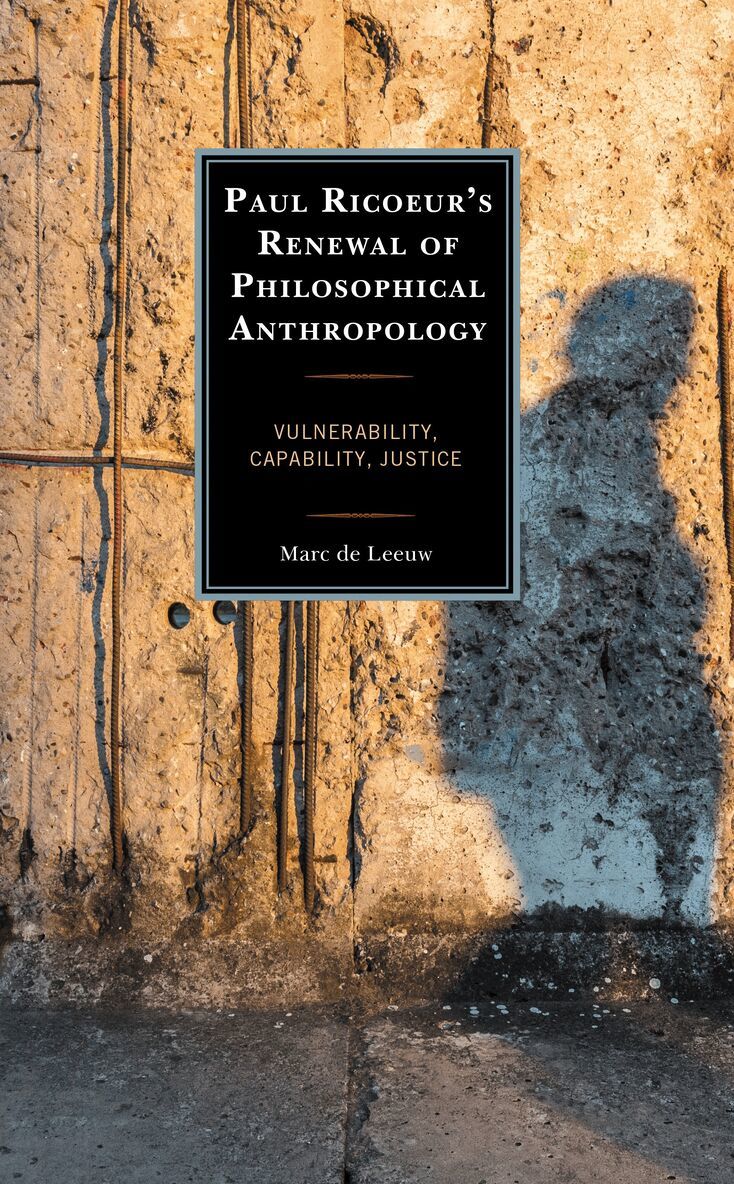
Paul Ricoeur’s Renewal of Philosophical Anthropology
Vulnerability, Capability, Justice
Inbunden, Engelska, 2021
1 142 kr
Skickas inom 10-15 vardagar
In Paul Ricoeur's Renewal of Philosophical Anthropology: Vulnerability, Capability, Justice, Marc de Leeuw argues that Ricoeur’s philosophical project integrates the anthropological tradition while renewing its importance as a hermeneutic anthropology of human capability. Ricoeur posits that our cogito is neither its own absolute master, nor fully transparent to itself, inflicting a “wound” (brisé) and fracturing the center of Cartesian self-certainty. But the Nietzschean disillusionment that ensues does not simply amount to a victorious anti-cogito; it opens another path towards self-understanding. In place of the direct route of intuition is found a more complex way forward, one guided by interpretation. The task of philosophical anthropology is to understand the human through its interpretative, critical, and imaginative ability as well as its capacity to act towards, with, and for others; the interpretation of the world in front of us, the interpretation of “who we are,” and the interpretation of what it means to be among others (as "other selves") coalesces in an anthropology that binds the question of the self to a moral, ethical, and political project, one aiming to reflect our existence-in-common. For Ricoeur, the basic question of our subjective and normative “standing” demands a fundamental response—a response toward our own otherness and to responsibilities triggered by the appeal of Others. In both cases, our vulnerability is inescapable: we can never have an absolute self-knowledge nor an absolute knowledge of Others. Ricoeur turns this fundamental aporia into an affirmative philosophical anthropology of human action, attestation, and justice.
1 276 kr
Skickas inom 10-15 vardagar
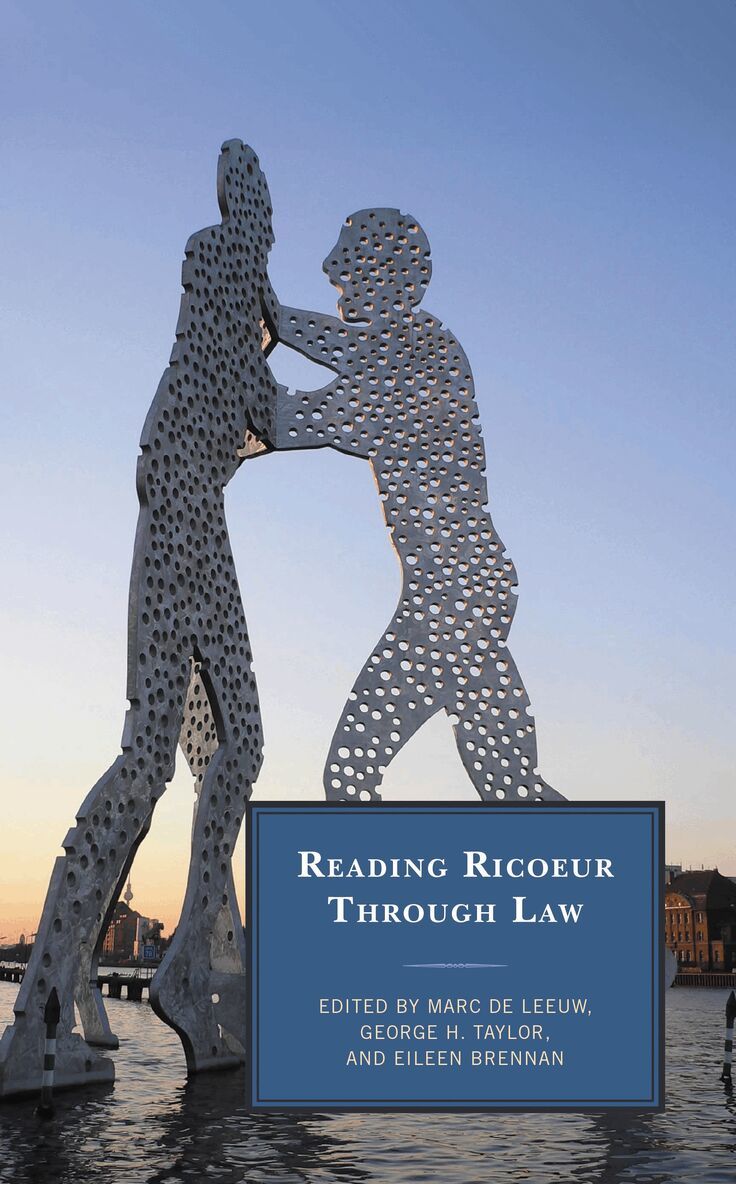
Reading Ricoeur through Law, edited by Marc de Leeuw, George H. Taylor, and Eileen Brennan, is the first collection of essays solely focused on Ricoeur’s thinking about law, bringing together both established and emerging scholars to offer a systematic and critical examination of Ricoeur’s legal thinking. The chapters not only explore the specific contribution Ricoeur makes to the field of jurisprudence but also examine how Ricoeur’s work on law fits, complements, or changes his overall anthropology, phenomenology, and hermeneutics. The book provides a complex insight into how law, ethics, and politics intertwine both from within law as normative rule setting, as well as through the wider social-political and historical context in which law and legal institutions affect our inter-subjective and communal life as lived “with and for others in just institutions.” The collection also makes available in English “The Just between the Legal and the Good,” a key text in Ricoeur’s reflections about law and justice. The core topics of this collection are rights, justice, responsibility, judging, interpretation, argumentation, punishment, and authority, but contributors also offer original insights in how Ricoeur’s philosophical reconceptualization of symbolism, action, ideology, narrative, selfhood, testimony, history, trauma, reconciliation, justice, and forgiveness can be made productive for our understanding of law and legal institutions.
475 kr
Skickas inom 10-15 vardagar
Reading Ricoeur through Law, edited by Marc de Leeuw, George H. Taylor, and Eileen Brennan, is the first collection of essays solely focused on Ricoeur’s thinking about law, bringing together both established and emerging scholars to offer a systematic and critical examination of Ricoeur’s legal thinking. The chapters not only explore the specific contribution Ricoeur makes to the field of jurisprudence but also examine how Ricoeur’s work on law fits, complements, or changes his overall anthropology, phenomenology, and hermeneutics. The book provides a complex insight into how law, ethics, and politics intertwine both from within law as normative rule setting, as well as through the wider social-political and historical context in which law and legal institutions affect our inter-subjective and communal life as lived “with and for others in just institutions.” The collection also makes available in English “The Just between the Legal and the Good,” a key text in Ricoeur’s reflections about law and justice. The core topics of this collection are rights, justice, responsibility, judging, interpretation, argumentation, punishment, and authority, but contributors also offer original insights in how Ricoeur’s philosophical reconceptualization of symbolism, action, ideology, narrative, selfhood, testimony, history, trauma, reconciliation, justice, and forgiveness can be made productive for our understanding of law and legal institutions.
1 271 kr
Skickas inom 10-15 vardagar
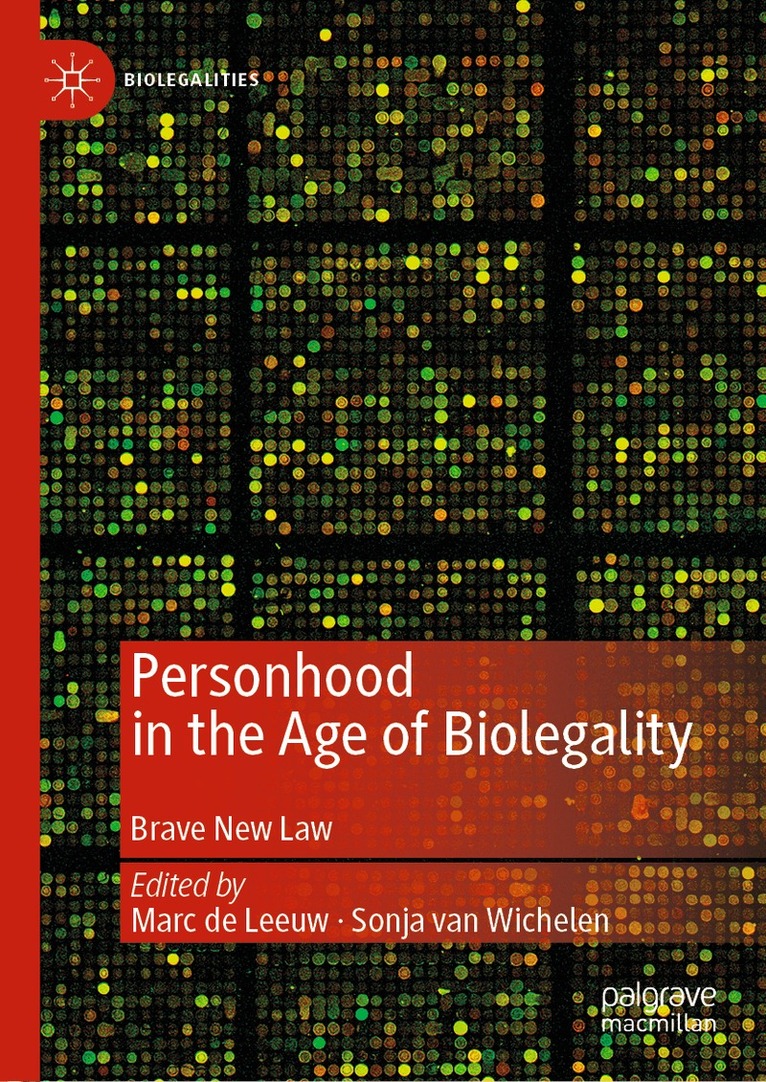
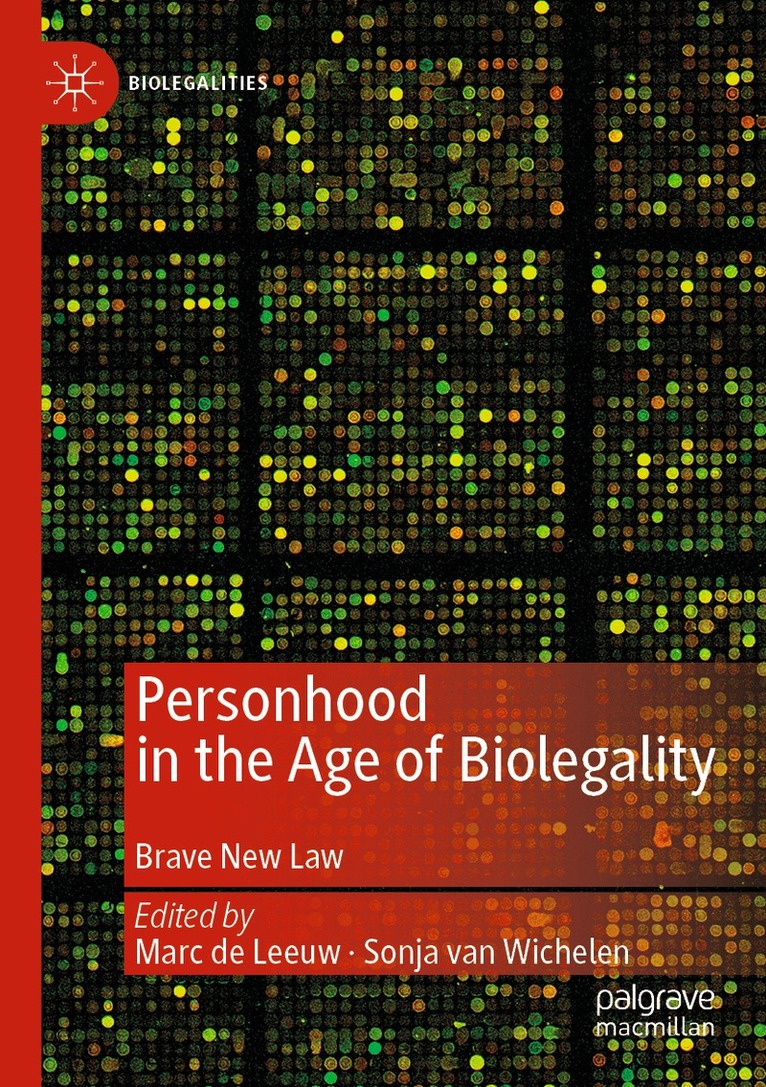
This volume showcases emerging interdisciplinary scholarship that captures the complex ways in which biological knowledge is testing the nature and structure of legal personhood.
1 271 kr
Skickas inom 10-15 vardagar
This volume showcases emerging interdisciplinary scholarship that captures the complex ways in which biological knowledge is testing the nature and structure of legal personhood.
785 kr
Skickas inom 10-15 vardagar
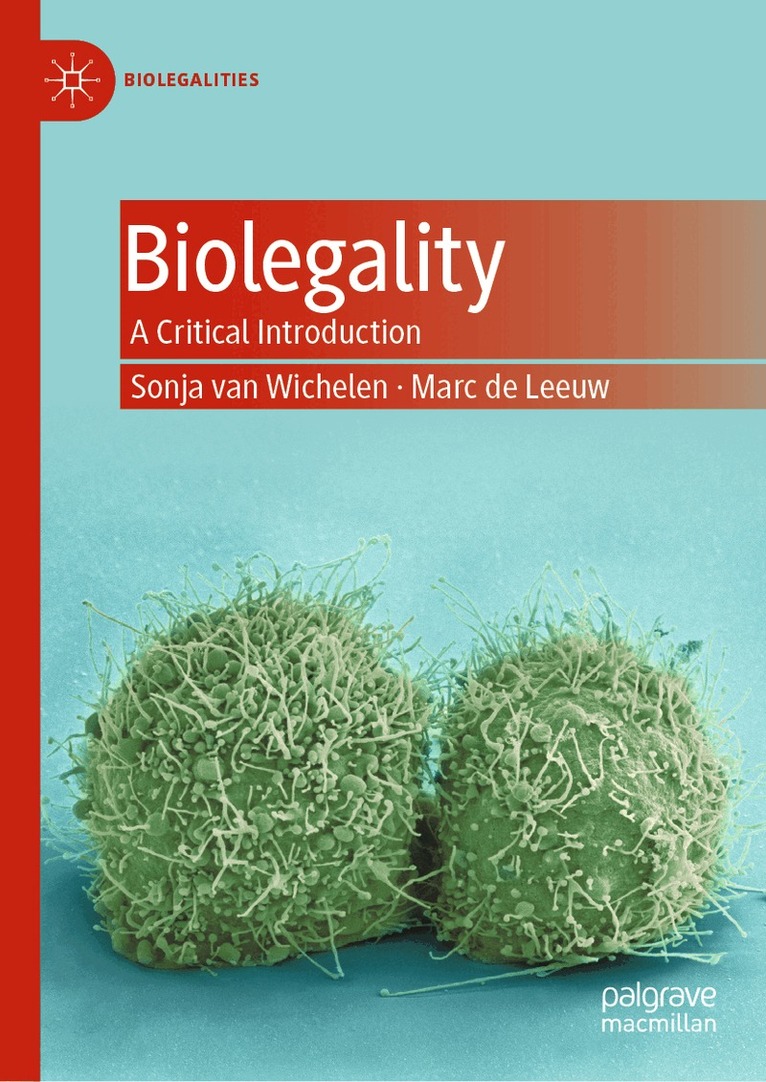
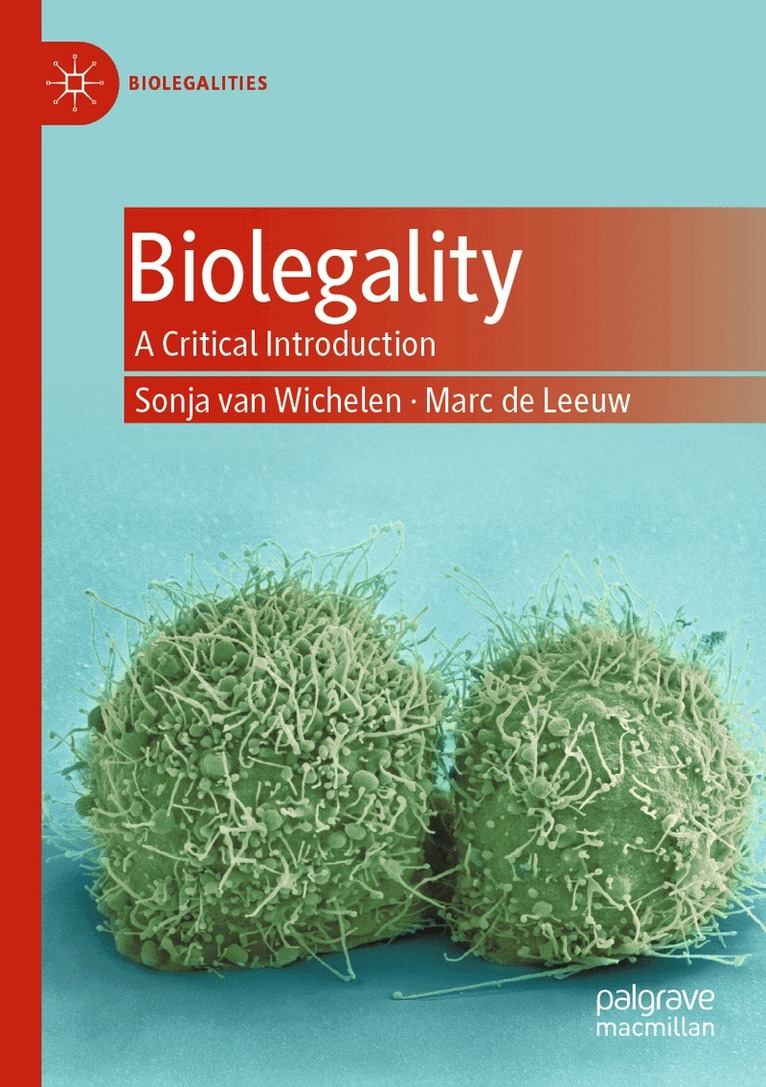
This book provides a comprehensive analysis of the empirical and theoretical problems posed by the encounter between law and biology in the twenty-first century. How does biotechnology and new bioscientific knowledge affect our legal institutions, our sense of justice, and our ways of relating to one another? To answer these questions, authors Marc de Leeuw and Sonja van Wichelen examine the complex and often contested ways in which biotechnology and biological knowledge are reworked by, with, and against legal knowledge. As this book shows, recent developments in the life sciences—including molecular biology, immunology, and the neurosciences—and their applications in forensics, medicine, and agriculture test longstanding legal forms, such as property, personhood, parenthood, and (collective) identity, ultimately constituting the current field of “biolegality.” The authors argue that these biolegal contestations represent philosophical and anthropological challenges to existing understandings of exchange, self, kinship, and community. By addressing how biology and law inform new ways of relating and knowing, the book proposes a programmatic intervention, asserting the pivotal role the study of biolegality plays in advancing social and political theory.
785 kr
Skickas inom 10-15 vardagar
This book provides a comprehensive analysis of the empirical and theoretical problems posed by the encounter between law and biology in the twenty-first century. How does biotechnology and new bioscientific knowledge affect our legal institutions, our sense of justice, and our ways of relating to one another? To answer these questions, authors Marc de Leeuw and Sonja van Wichelen examine the complex and often contested ways in which biotechnology and biological knowledge are reworked by, with, and against legal knowledge. As this book shows, recent developments in the life sciences—including molecular biology, immunology, and the neurosciences—and their applications in forensics, medicine, and agriculture test longstanding legal forms, such as property, personhood, parenthood, and (collective) identity, ultimately constituting the current field of “biolegality.” The authors argue that these biolegal contestations represent philosophical and anthropological challenges to existing understandings of exchange, self, kinship, and community. By addressing how biology and law inform new ways of relating and knowing, the book proposes a programmatic intervention, asserting the pivotal role the study of biolegality plays in advancing social and political theory.