Sonja van Wichelen – författare
Visar alla böcker från författaren Sonja van Wichelen. Handla med fri frakt och snabb leverans.
12 produkter
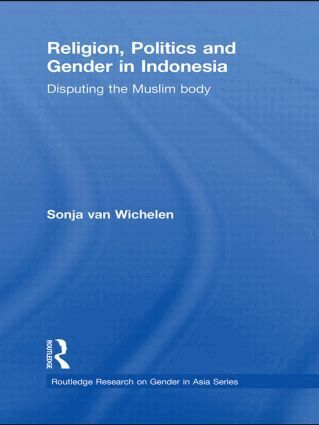
Religion, Politics and Gender in Indonesia
Disputing the Muslim Body
Inbunden, 2010
2512 kr
Lägg i varukorg
The political downfall of the Suharto administration in 1998 marked the end of the "New Order" in Indonesia, a period characterized by 32 years of authoritarian rule. It opened the way for democracy, but also for the proliferation of political Islam, which the New Order had discouraged or banned. …
Religion, Politics and Gender in Indonesia
Disputing the Muslim Body
Häftad, 2012
733 kr
Lägg i varukorg
The political downfall of the Suharto administration in 1998 marked the end of the "New Order" in Indonesia, a period characterized by 32 years of authoritarian rule. It opened the way for democracy, but also for the proliferation of political Islam, which the New Order had discouraged or banned. …
Religion, Politics and Gender in Indonesia
Disputing the Muslim Body
E-bok, 2010
866 kr
Lägg i varukorg
The political downfall of the Suharto administration in 1998 marked the end of the "New Order" in Indonesia, a period characterized by 32 years of authoritarian rule. It opened the way for democracy, but also for the proliferation of political Islam, which the New Order had discouraged or banned. …
Religion, Politics and Gender in Indonesia
Disputing the Muslim Body
E-bok, 2010
838 kr
Lägg i varukorg
The political downfall of the Suharto administration in 1998 marked the end of the "New Order" in Indonesia, a period characterized by 32 years of authoritarian rule. It opened the way for democracy, but also for the proliferation of political Islam, which the New Order had discouraged or banned. …
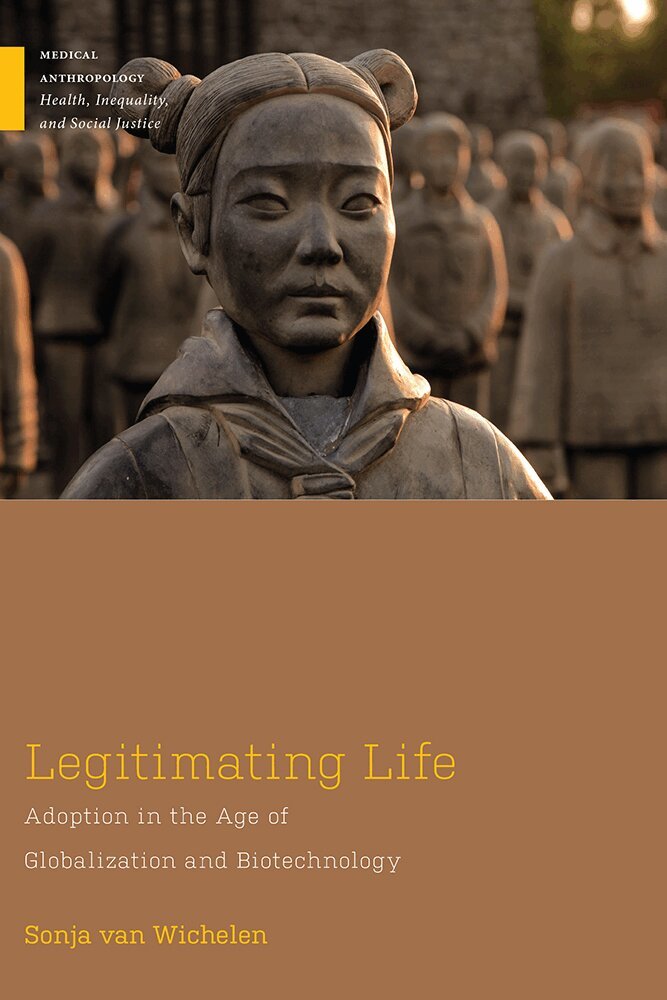
Legitimating Life
Adoption in the Age of Globalization and Biotechnology
Häftad, 2018
467 kr
Lägg i varukorg
The phenomenon of transnational adoption is changing in the age of globalization and biotechnology. In Legitimating Life, Sonja van Wichelen boldly describes how contemporary justifications of cross-border adoption navigate between child welfare, humanitarianism, family making, capitalism, science, …
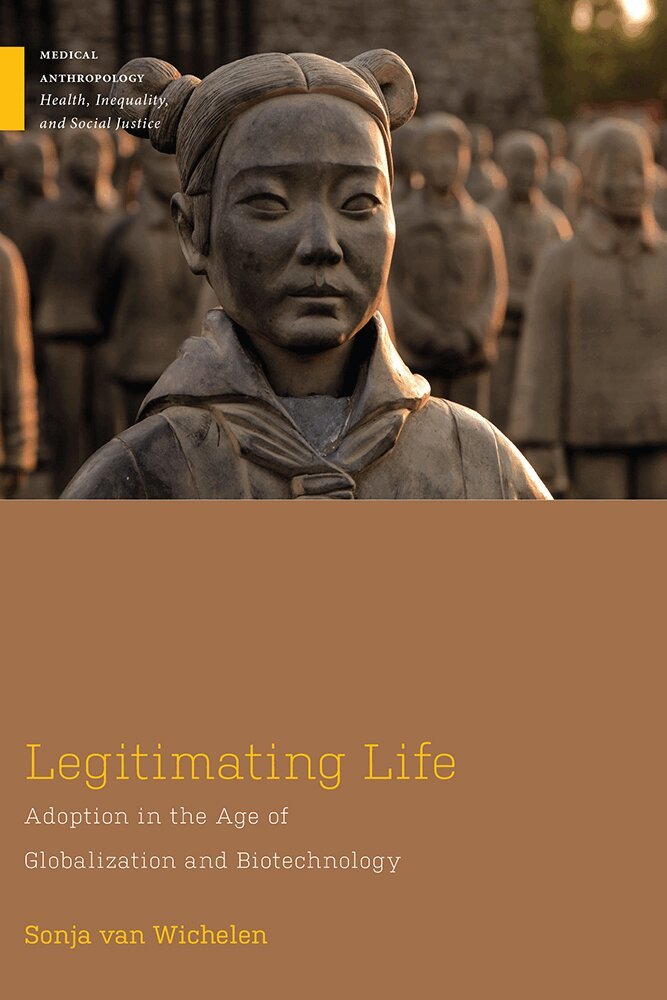
Legitimating Life
Adoption in the Age of Globalization and Biotechnology
Inbunden, 2018
1789 kr
Lägg i varukorg
The phenomenon of transnational adoption is changing in the age of globalization and biotechnology. In Legitimating Life, Sonja van Wichelen boldly describes how contemporary justifications of cross-border adoption navigate between child welfare, humanitarianism, family making, capitalism, science, …
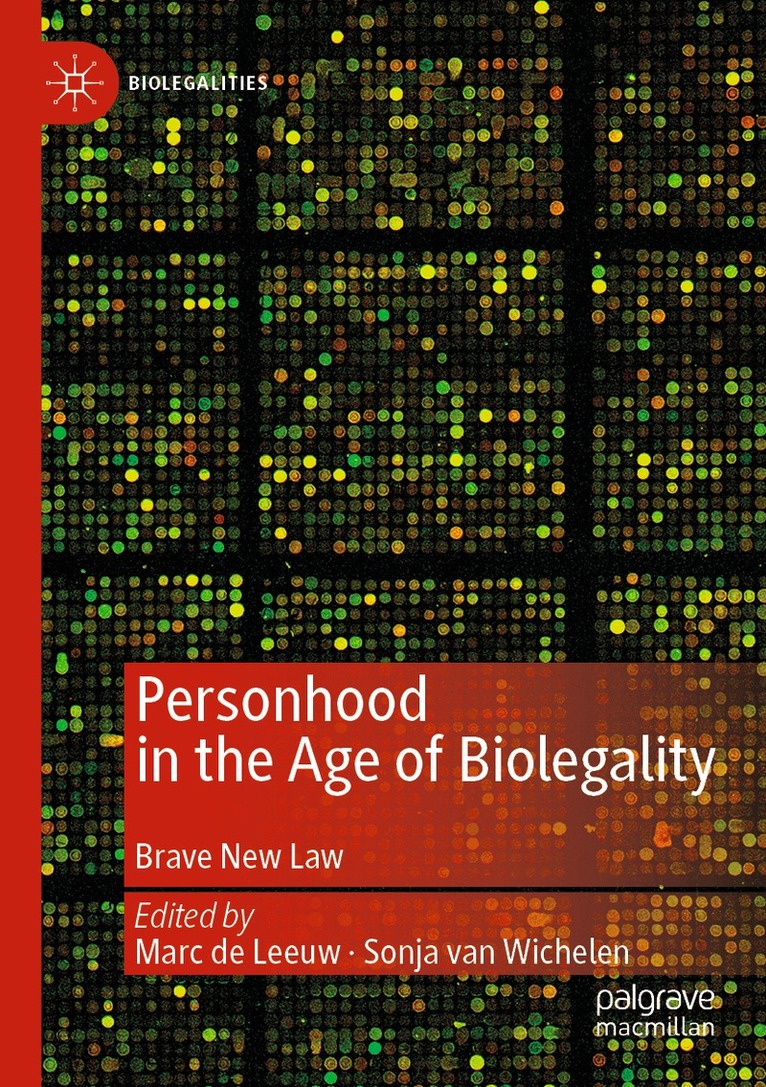
Personhood in the Age of Biolegality
Brave New Law
Av Marc de Leeuw, Sonja van Wichelen
Inbunden, 2019
1311 kr
Lägg i varukorg
This volume showcases emerging interdisciplinary scholarship that captures the complex ways in which biological knowledge is testing the nature and structure of legal personhood. Key questions include: What do the new biosciences do to our social, cultural, and legal conceptions of personhood? How …
Personhood in the Age of Biolegality
Brave New Law
Av Sonja van Wichelen, Marc de Leeuw
E-bok, 2019
1642 kr
Lägg i varukorg
This volume showcases emerging interdisciplinary scholarship that captures the complex ways in which biological knowledge is testing the nature and structure of legal personhood. Key questions include: What do the new biosciences do to our social, cultural, and legal conceptions of personhood? How …
Personhood in the Age of Biolegality
Brave New Law
Av Marc de Leeuw, Sonja van Wichelen
Häftad, 2020
1311 kr
Lägg i varukorg
This volume showcases emerging interdisciplinary scholarship that captures the complex ways in which biological knowledge is testing the nature and structure of legal personhood. Key questions include: What do the new biosciences do to our social, cultural, and legal conceptions of personhood? How …
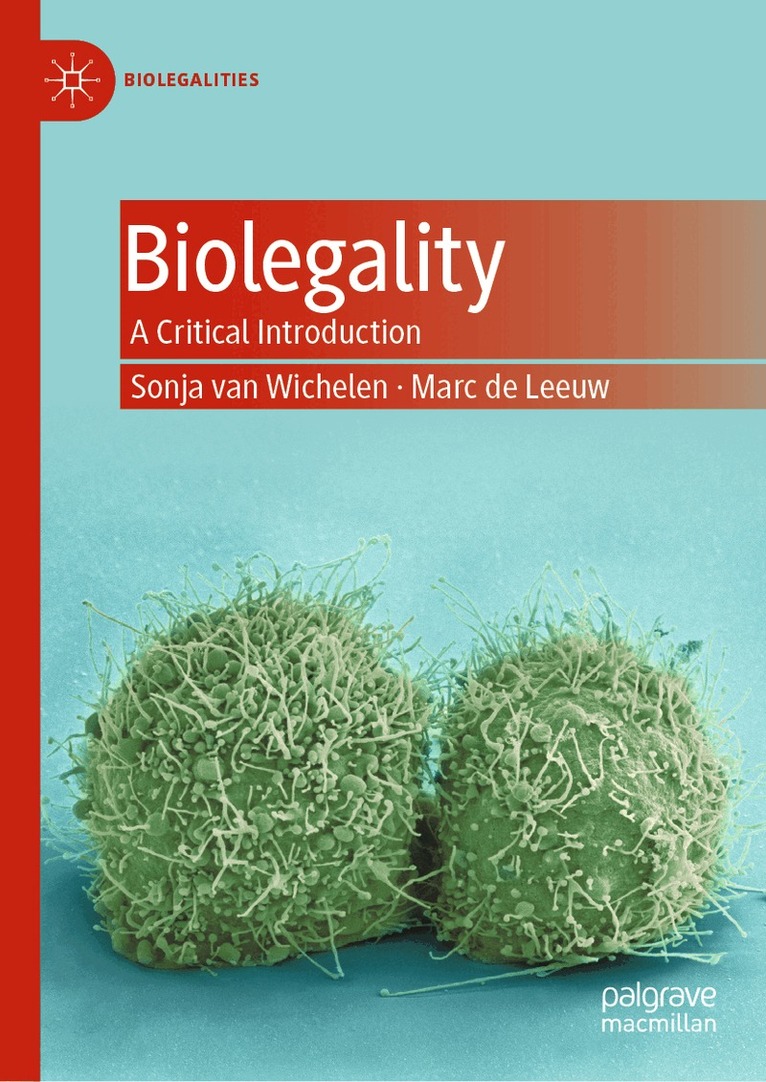
Biolegality
A Critical Introduction
Av Sonja van Wichelen, Marc de Leeuw
Inbunden, 2024
809 kr
Lägg i varukorg
This book provides a comprehensive analysis of the empirical and theoretical problems posed by the encounter between law and biology in the twenty-first century. How does biotechnology and new bioscientific knowledge affect our legal institutions, our sense of justice, and our ways of relating to …
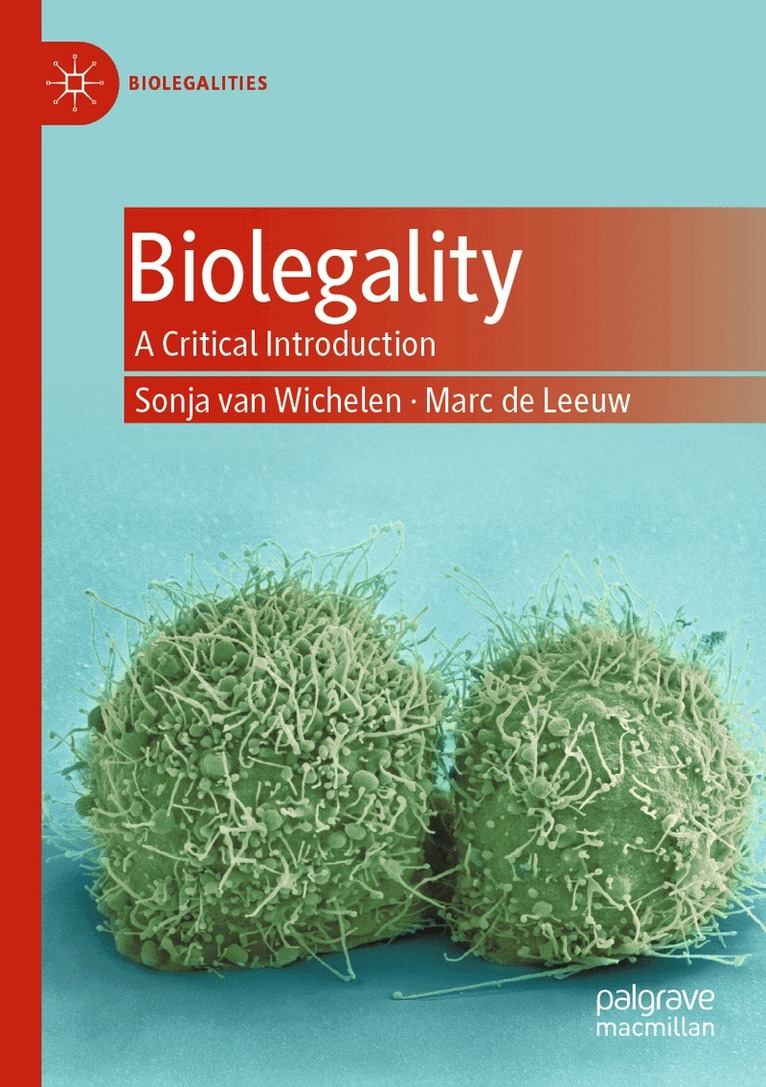
Biolegality
A Critical Introduction
Av Marc de Leeuw, Sonja van Wichelen
E-bok, 2024
1050 kr
Lägg i varukorg
This book provides a comprehensive analysis of the empirical and theoretical problems posed by the encounter between law and biology in the twenty-first century. How does biotechnology and new bioscientific knowledge affect our legal institutions, our sense of justice, and our ways of relating to …
Biolegality
A Critical Introduction
Av Sonja van Wichelen, Marc de Leeuw
Häftad, 2025
809 kr
Lägg i varukorg
This book provides a comprehensive analysis of the empirical and theoretical problems posed by the encounter between law and biology in the twenty-first century. How does biotechnology and new bioscientific knowledge affect our legal institutions, our sense of justice, and our ways of relating to …