Marc Kissel – författare
Visar alla böcker från författaren Marc Kissel. Handla med fri frakt och snabb leverans.
10 produkter
Bioanthropology: The Basics
Av Marc Kissel
Inbunden, 2025
2510 kr
Lägg i varukorg
Bioanthropology: The Basics offers an engaging and accessible introduction to the science of biological anthropology, exploring human origins, evolution, and the biological dimensions of what it means to be human. Through illuminating examples and case studies, this comprehensive text guides …
Bioanthropology: The Basics
Av Marc Kissel
Häftad, 2025
313 kr
Lägg i varukorg
Bioanthropology: The Basics offers an engaging and accessible introduction to the science of biological anthropology, exploring human origins, evolution, and the biological dimensions of what it means to be human. Through illuminating examples and case studies, this comprehensive text guides …
Bioanthropology: The Basics
Av Marc Kissel
E-bok, 2025
312 kr
Lägg i varukorg
Bioanthropology: The Basics offers an engaging and accessible introduction to the science of biological anthropology, exploring human origins, evolution, and the biological dimensions of what it means to be human. Through illuminating examples and case studies, this comprehensive text guides …
Bioanthropology: The Basics
Av Marc Kissel
E-bok, 2025
312 kr
Lägg i varukorg
Bioanthropology: The Basics offers an engaging and accessible introduction to the science of biological anthropology, exploring human origins, evolution, and the biological dimensions of what it means to be human. Through illuminating examples and case studies, this comprehensive text guides …
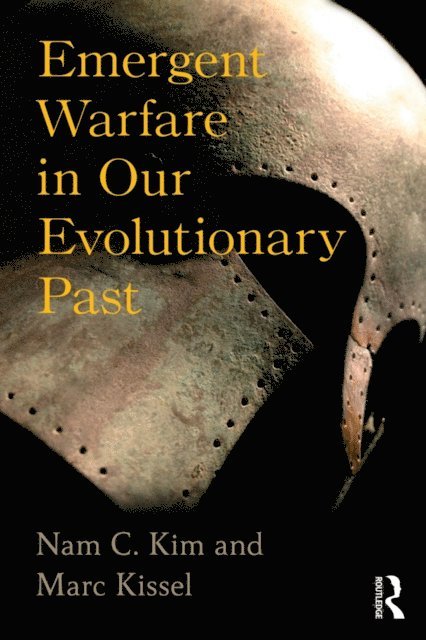
Emergent Warfare in Our Evolutionary Past
Av Marc Kissel, Nam C Kim
E-bok, 2018
750 kr
Lägg i varukorg
Why do we fight? Have we always been fighting one another? This book examines the origins and development of human forms of organized violence from an anthropological and archaeological perspective. Kim and Kissel argue that human warfare is qualitatively different from forms of lethal, intergroup …
Emergent Warfare in Our Evolutionary Past
Av Marc Kissel, Nam C Kim
E-bok, 2018
767 kr
Lägg i varukorg
Why do we fight? Have we always been fighting one another? This book examines the origins and development of human forms of organized violence from an anthropological and archaeological perspective. Kim and Kissel argue that human warfare is qualitatively different from forms of lethal, intergroup …
Emergent Warfare in Our Evolutionary Past
Av Nam C Kim, Marc Kissel
Inbunden, 2018
2585 kr
Lägg i varukorg
Why do we fight? Have we always been fighting one another? This book examines the origins and development of human forms of organized violence from an anthropological and archaeological perspective. Kim and Kissel argue that human warfare is qualitatively different from forms of lethal, intergroup …
Emergent Warfare in Our Evolutionary Past
Av Nam C Kim, Marc Kissel
Häftad, 2018
652 kr
Lägg i varukorg
Why do we fight? Have we always been fighting one another? This book examines the origins and development of human forms of organized violence from an anthropological and archaeological perspective. Kim and Kissel argue that human warfare is qualitatively different from forms of lethal, intergroup …
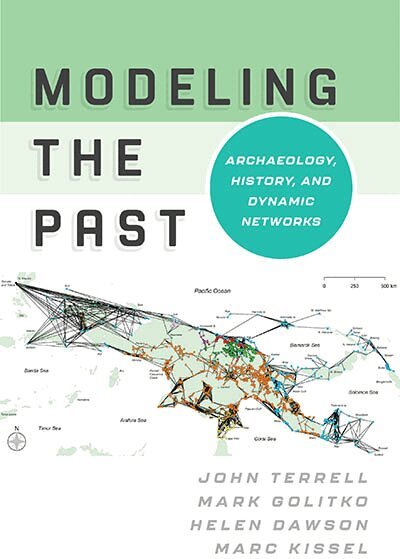
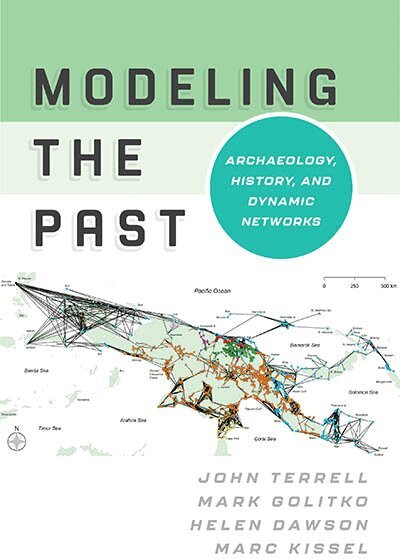
Modeling the Past
Archaeology, History, and Dynamic Networks
Av John Terrell, Mark Golitko m. fl.
Inbunden, 2023
1979 kr
Lägg i varukorg
How do researchers use dynamic network analysis (DYRA) to explore, model, and try to understand the complex global history of our species? Reduced to bare bones, network analysis is a way of understanding the world around us — a way called relational thinking — that is liberating but challenging. …
Modeling the Past
Archaeology, History, and Dynamic Networks
Av John Terrell, Mark Golitko m. fl.
Häftad, 2026
513 kr
Lägg i varukorg
How do researchers use dynamic network analysis (DYRA) to explore, model, and try to understand the complex global history of our species? Reduced to bare bones, network analysis is a way of understanding the world around us — a way called relational thinking — that is liberating but challenging. …