Marc Mastrangelo - Böcker
Visar alla böcker från författaren Marc Mastrangelo. Handla med fri frakt och snabb leverans.
3 produkter
3 produkter
2 420 kr
Skickas inom 10-15 vardagar
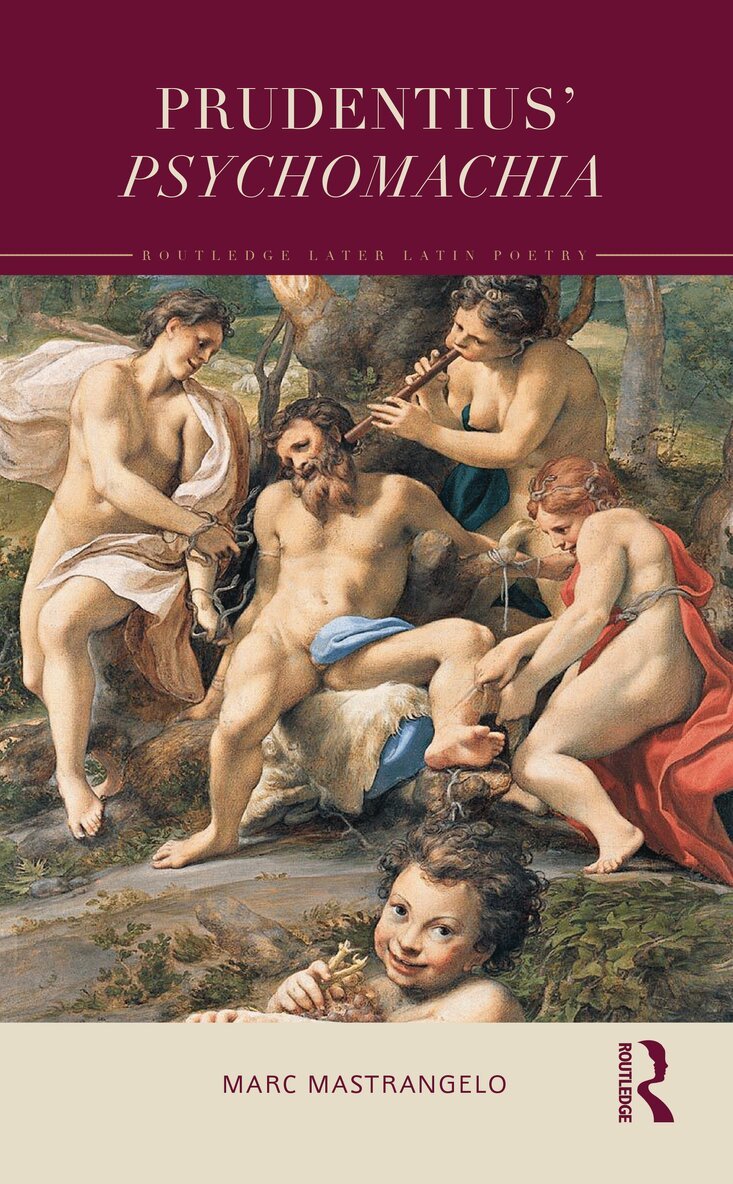
This new translation brings to life Prudentius' Psychomachia, one of the most widely read poems in western Europe from Late Antiquity through the Renaissance. With accompanying notes and introduction, this volume provides a fresh exploration of its themes and influence.The Psychomachia of Prudentius (348–c. 405), an allegorical epic poem of nearly 1,000 lines about the battle between the virtues and the vices for possession of the human soul, led early modern scholars to refer to the late antique poet as "the Christian Vergil." Combining depictions of violent, single combats with allusions to pagan epic poetry, biblical scenes, and Christian doctrine, the poem captures the dynamism of the later Roman Empire in which the pagan world was giving way to a new, Christian Europe. In this volume, the introduction sets the historical and literary context and illuminates the Psychomachia’s prominent role in western literary history. Mastrangelo’s translation aims to capture the rhetorical power of the author’s Roman Christian Latin for the 21st-century reader. The notes provide the reader with in-depth information on Prudentius’ Latinity, the Roman epic tradition, and Christian doctrine. This volume is directed at students and scholars across the disciplines of comparative literature, classics, religion, and ancient and medieval studies, as well as any reader interested in the history and development of literature in the West.
889 kr
Skickas inom 7-10 vardagar
The Roman Self in Late Antiquity for the first time situates Prudentius within a broad intellectual, political, and literary context of fourth-century Rome. As Marc Mastrangelo convincingly demonstrates, the late-fourth-century poet drew on both pagan and Christian intellectual traditions-especially Platonism, Vergilian epic poetics, and biblical exegesis-to define a new vision of the self for the newly Christian Roman Empire. Mastrangelo proposes an original theory of Prudentius's allegorical poetry and establishes Prudentius as a successor to Vergil. Employing recent approaches to typology and biblical exegesis as well as the most current theories of allusion and intertextuality in Latin poetry, he interprets the meaning and influence of Prudentius's work and positions the poet as a vital author for the transmission of the classical tradition to the early modern period. This provocative study challenges the view that poetry in the fourth century played a subordinate role to patristic prose in forging Christian Roman identity. It seeks to restore poetry to its rightful place as a crucial source for interpreting the rich cultural and intellectual life of the era.
661 kr
Skickas inom 10-15 vardagar
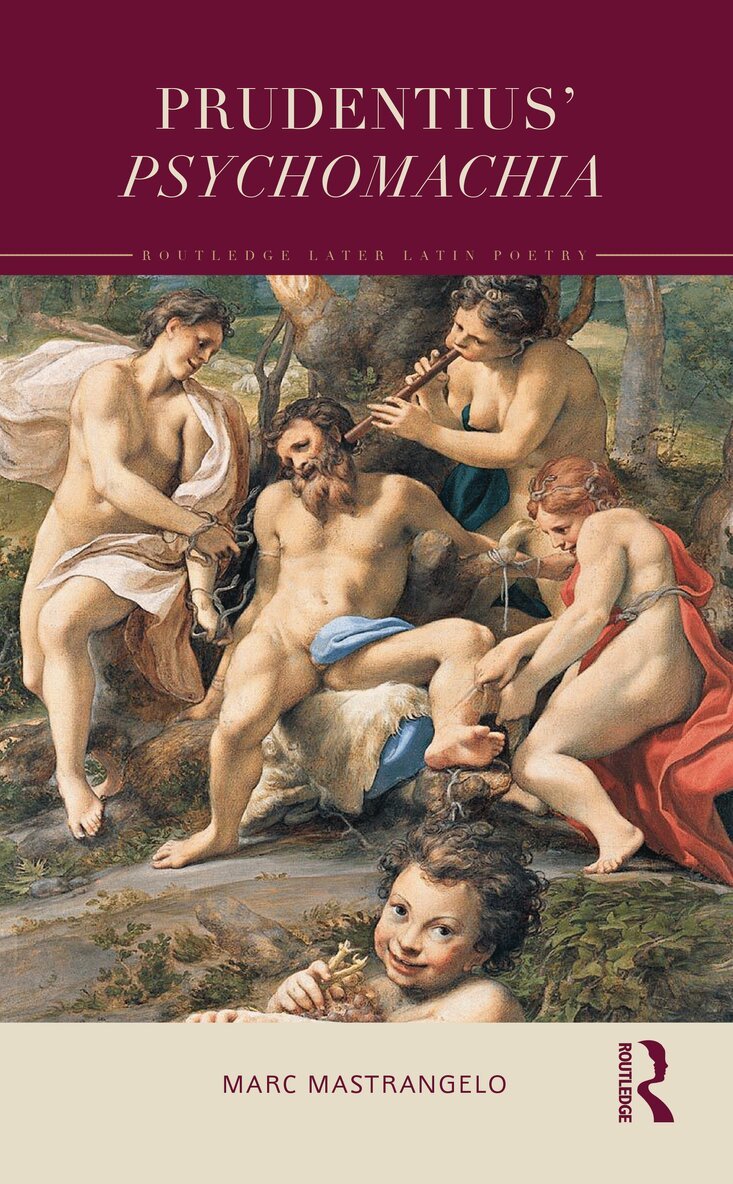
This new translation brings to life Prudentius' Psychomachia, one of the most widely read poems in western Europe from Late Antiquity through the Renaissance. With accompanying notes and introduction, this volume provides a fresh exploration of its themes and influence.The Psychomachia of Prudentius (348–c. 405), an allegorical epic poem of nearly 1,000 lines about the battle between the virtues and the vices for possession of the human soul, led early modern scholars to refer to the late antique poet as "the Christian Vergil." Combining depictions of violent, single combats with allusions to pagan epic poetry, biblical scenes, and Christian doctrine, the poem captures the dynamism of the later Roman Empire in which the pagan world was giving way to a new, Christian Europe. In this volume, the introduction sets the historical and literary context and illuminates the Psychomachia’s prominent role in western literary history. Mastrangelo’s translation aims to capture the rhetorical power of the author’s Roman Christian Latin for the 21st-century reader. The notes provide the reader with in-depth information on Prudentius’ Latinity, the Roman epic tradition, and Christian doctrine. This volume is directed at students and scholars across the disciplines of comparative literature, classics, religion, and ancient and medieval studies, as well as any reader interested in the history and development of literature in the West.