Marc Trabsky - Böcker
Visar alla böcker från författaren Marc Trabsky. Handla med fri frakt och snabb leverans.
5 produkter
5 produkter
661 kr
Skickas inom 10-15 vardagar
The governance of the dead in the eighteenth and nineteenth centuries gave rise to a new arrangement of thanato-politics in the West. Legal, medical and bureaucratic institutions developed innovative technologies for managing the dead, maximising their efficacy and exploiting their vitality. Law and the Dead writes a history of their institutional life in the nineteenth and twentieth centuries.With a particular focus on the technologies of the death investigation process, including place-making, the forensic gaze, bureaucratic manuals, record-keeping and radiography, this book examines how the dead came to be incorporated into legal institutions in the modern era. Drawing on the writings of philosophers, historians and legal theorists, it offers tools for thinking through how the dead dwell in law, how their lives persist through the conduct of office, and how coroners assume responsibility for taking care of the dead.This historical and interdisciplinary book offers a provocative challenge to conventional thinking about the sequestration of the dead in the nineteenth and twentieth centuries. It asks the reader to think through and with legal institutions when writing a history of the dead, and to trace the important role assumed by coroners in the governance of the dead. This book will be of interest to scholars working in law, history, sociology and criminology.
1 932 kr
Skickas inom 10-15 vardagar
The governance of the dead in the eighteenth and nineteenth centuries gave rise to a new arrangement of thanato-politics in the West. Legal, medical and bureaucratic institutions developed innovative technologies for managing the dead, maximising their efficacy and exploiting their vitality. Law and the Dead writes a history of their institutional life in the nineteenth and twentieth centuries.With a particular focus on the technologies of the death investigation process, including place-making, the forensic gaze, bureaucratic manuals, record-keeping and radiography, this book examines how the dead came to be incorporated into legal institutions in the modern era. Drawing on the writings of philosophers, historians and legal theorists, it offers tools for thinking through how the dead dwell in law, how their lives persist through the conduct of office, and how coroners assume responsibility for taking care of the dead.This historical and interdisciplinary book offers a provocative challenge to conventional thinking about the sequestration of the dead in the nineteenth and twentieth centuries. It asks the reader to think through and with legal institutions when writing a history of the dead, and to trace the important role assumed by coroners in the governance of the dead. This book will be of interest to scholars working in law, history, sociology and criminology.
690 kr
Skickas inom 10-15 vardagar
This book examines how legal institutions reify the value of death in the twenty-first century. Its starting point is that bio-technological innovations have extended life to such an extent that death has become an epistemological problem for legal institutions. It explores how legal definitions of death are subject to the governing logic of economisation, how legal technologies for registering a death reshape what kind of deaths are counted during a pandemic, and how technologies for recycling cadaveric tissue problematise the legal status of the corpse. The question that unites each chapter is how legal institutions respond to technologies that bring death before their laws. The book argues for an interdisciplinary approach, informed by the writings of Georges Bataille, Wendy Brown, Georges Canguilhem and Michel Foucault, to understand how legal epistemologies are increasingly disrupted, challenged, and countered by technologies that repurpose death to extend, nourish and foster human life. It contends that legal theorists and social scientists need to rethink doctrinal perspectives of law when theorising how law defines the moment of death, shapes what kind of deaths count, and recycles the debris of the dead. This book will appeal to a broad international readership with research interests in critical theory, political theory, legal theory or death studies; and it will be particularly useful for teachers and students who are searching for an accessible entry point to the study of the intersections between law and death.
285 kr
Skickas inom 10-15 vardagar
This book examines how legal institutions reify the value of death in the twenty-first century. Its starting point is that bio-technological innovations have extended life to such an extent that death has become an epistemological problem for legal institutions. It explores how legal definitions of death are subject to the governing logic of economisation, how legal technologies for registering a death reshape what kind of deaths are counted during a pandemic, and how technologies for recycling cadaveric tissue problematise the legal status of the corpse. The question that unites each chapter is how legal institutions respond to technologies that bring death before their laws. The book argues for an interdisciplinary approach, informed by the writings of Georges Bataille, Wendy Brown, Georges Canguilhem and Michel Foucault, to understand how legal epistemologies are increasingly disrupted, challenged, and countered by technologies that repurpose death to extend, nourish and foster human life. It contends that legal theorists and social scientists need to rethink doctrinal perspectives of law when theorising how law defines the moment of death, shapes what kind of deaths count, and recycles the debris of the dead. This book will appeal to a broad international readership with research interests in critical theory, political theory, legal theory or death studies; and it will be particularly useful for teachers and students who are searching for an accessible entry point to the study of the intersections between law and death.
2 863 kr
Skickas inom 10-15 vardagar
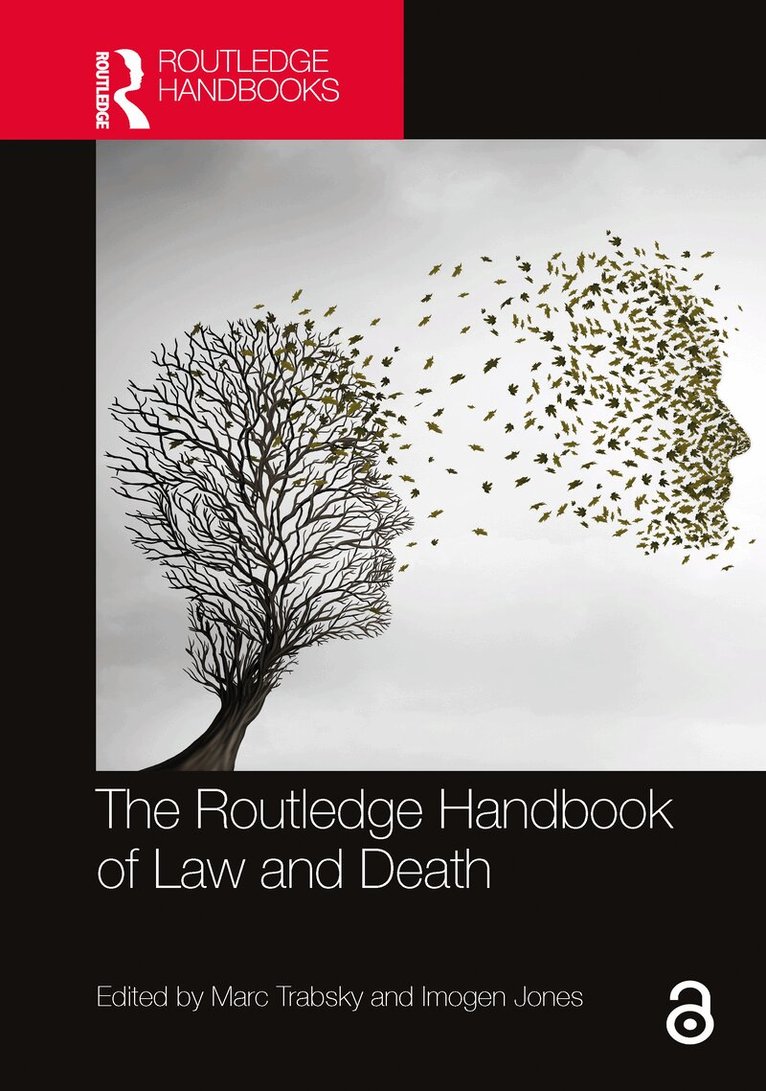
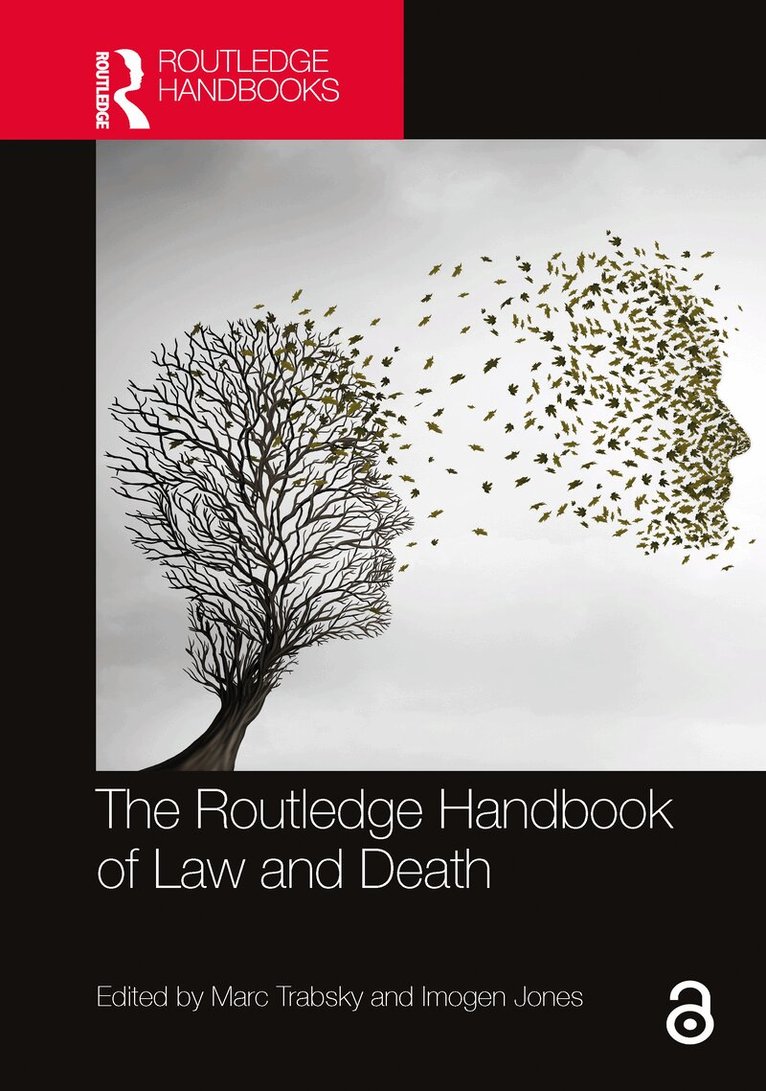
The Routledge Handbook of Law and Death provides a comprehensive survey of contemporary scholarship on the intersections of law and death in the 21st century.It showcases how socio-legal scholars have contributed to the critical turn in death studies and how the sociology of death has impacted upon the discipline of law. In bringing together prominent academics and emerging experts from a diverse range of disciplines, the Handbook shows how, far from shunning questions of mortality, legal institutions incessantly talk about death. Touching upon the epistemologies and materialities of death, and problems of contested deaths and posthumous harms, the Handbook questions what is distinctive about the disciplinary alignment of law and death, how law regulates and manages death in the everyday, and how thinking with law can enrich our understandings of the presence of death in our lives.In a time when the world is facing global inequalities in living and dying, and legal institutions are increasingly interrogating their relationships to death, this Handbook makes for essential reading for scholars, students, and practitioners in law, humanities, and the social sciences.The Open Access version of Chapter 19, available at www.taylorfrancis.com, has been made available under a Creative Commons Attribution (CC-BY) 4.0 International license.