Marcela Torres Wong – författare
Visar alla böcker från författaren Marcela Torres Wong. Handla med fri frakt och snabb leverans.
7 produkter
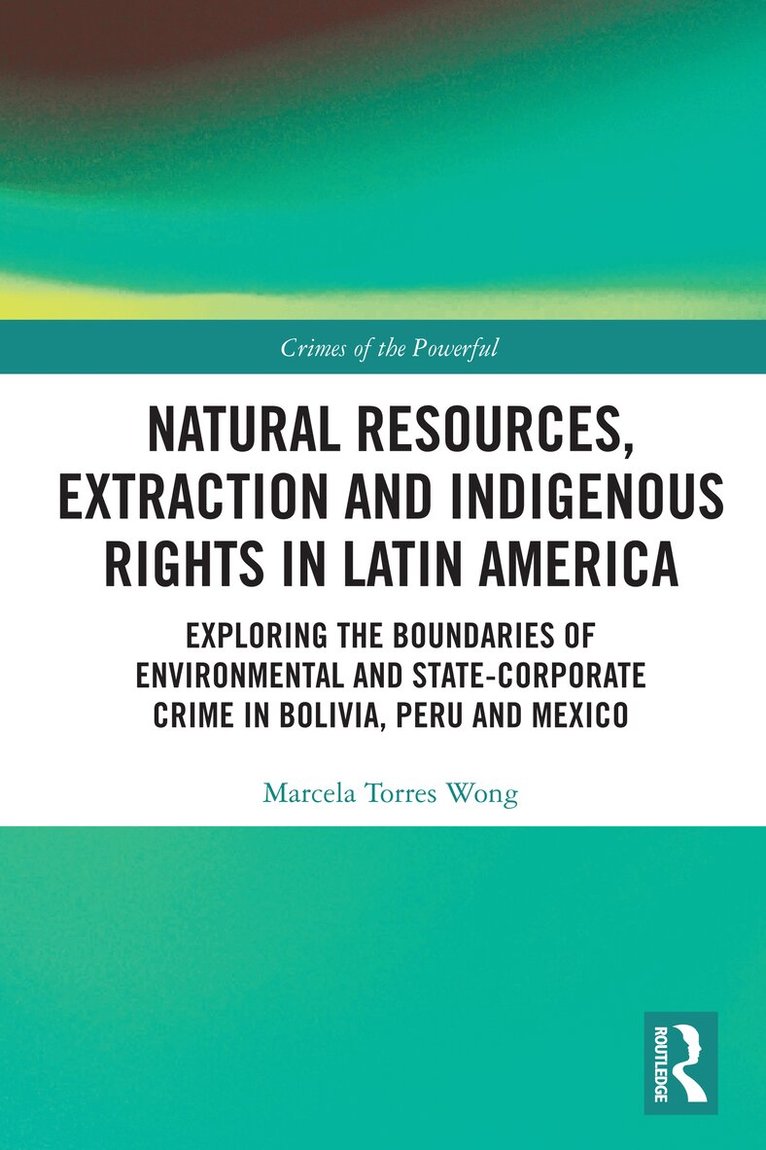
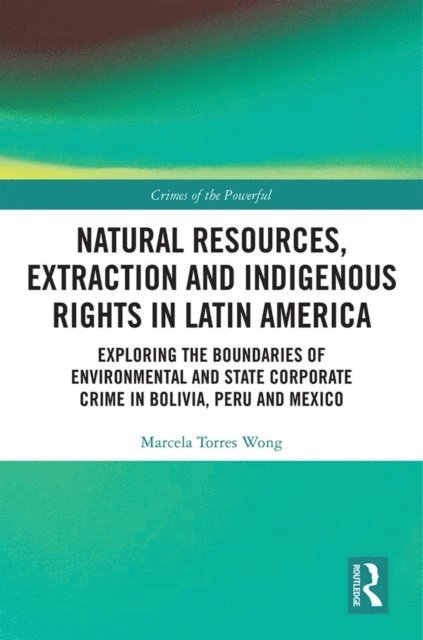
Natural Resources, Extraction and Indigenous Rights in Latin America
Exploring the Boundaries of Environmental and State-Corporate Crime in Bolivia, Peru, and Mexico
Häftad, 2021
721 kr
Lägg i varukorg
In 1989, the International Labor Organization stated that all indigenous peoples living in the postcolonial world were entitled to the right to prior consultation, over activities that could potentially impact their territories and traditional livelihoods. However, in many cases the economic …
Natural Resources, Extraction and Indigenous Rights in Latin America
Exploring the Boundaries of Environmental and State-Corporate Crime in Bolivia, Peru, and Mexico
Inbunden, 2018
2513 kr
Lägg i varukorg
In 1989, the International Labor Organization stated that all indigenous peoples living in the postcolonial world were entitled to the right to prior consultation, over activities that could potentially impact their territories and traditional livelihoods. However, in many cases the economic …
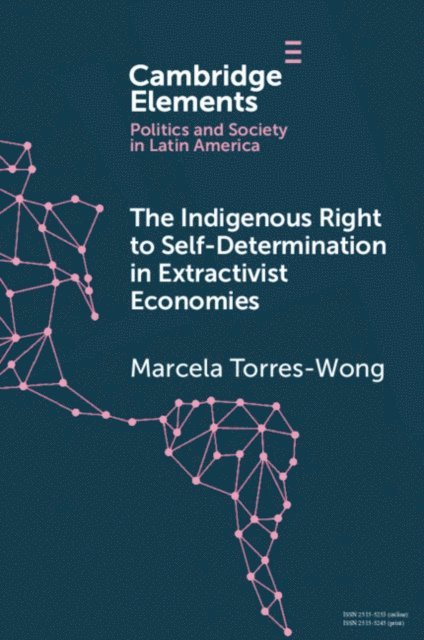
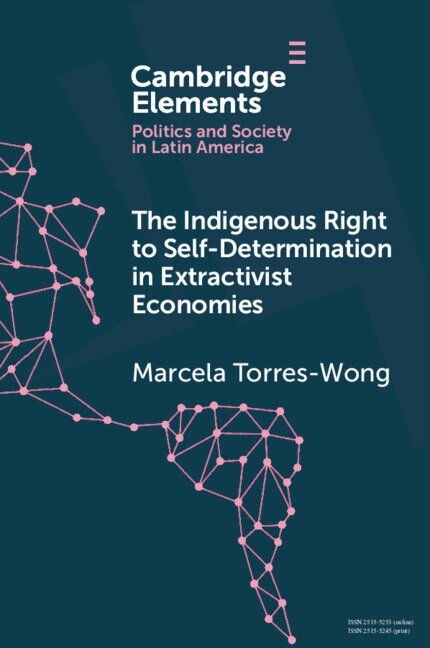
The Indigenous Right to Self-Determination in Extractivist Economies
Häftad, 2023
406 kr
Lägg i varukorg
International norms widely recognize the Indigenous right to self-determination by which Indigenous peoples define and purse their collective aspirations. Nevertheless, as progressive as legal frameworks might appear, in reality, few Indigenous communities enjoy this right and most remain …
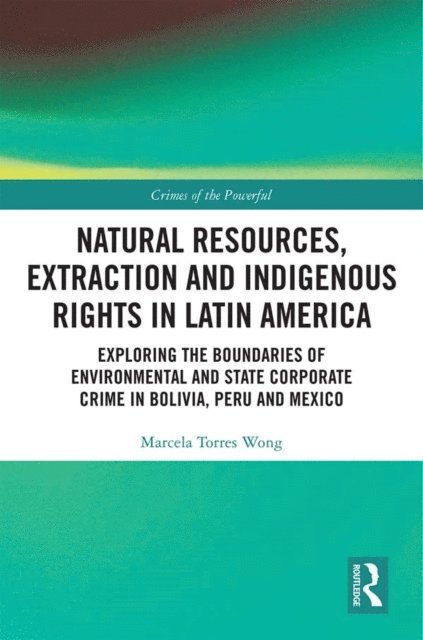
Natural Resources, Extraction and Indigenous Rights in Latin America
Exploring the Boundaries of Environmental and State-Corporate Crime in Bolivia, Peru, and Mexico
E-bok, 2018
849 kr
Lägg i varukorg
In 1989, the International Labor Organization stated that all indigenous peoples living in the postcolonial world were entitled to the right to prior consultation, over activities that could potentially impact their territories and traditional livelihoods. However, in many cases the economic …
Natural Resources, Extraction and Indigenous Rights in Latin America
Exploring the Boundaries of Environmental and State-Corporate Crime in Bolivia, Peru, and Mexico
E-bok, 2018
830 kr
Lägg i varukorg
In 1989, the International Labor Organization stated that all indigenous peoples living in the postcolonial world were entitled to the right to prior consultation, over activities that could potentially impact their territories and traditional livelihoods. However, in many cases the economic …