Marcello Ruta – författare
Visar alla böcker från författaren Marcello Ruta. Handla med fri frakt och snabb leverans.
8 produkter
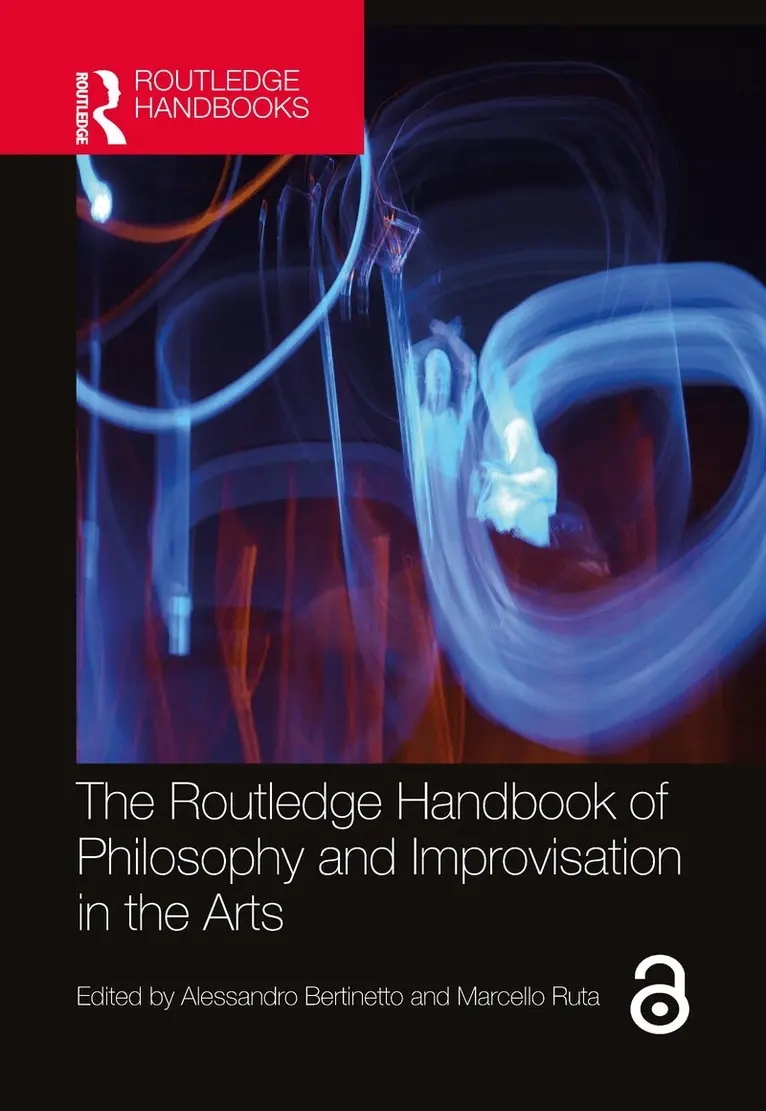
Routledge Handbook of Philosophy and Improvisation in the Arts
Av Alessandro Bertinetto, Marcello Ruta
Inbunden, 2021
3793 kr
Lägg i varukorg
Over the last few decades, the notion of improvisation has enriched and dynamized research on traditional philosophies of music, theatre, dance, poetry, and even visual art. This Handbook offers readers an authoritative collection of accessible articles on the philosophy of improvisation, …
Routledge Handbook of Philosophy and Improvisation in the Arts
Av Marcello Ruta, Alessandro Bertinetto
E-bok, 2021
813 kr
Lägg i varukorg
Over the last few decades, the notion of improvisation has enriched and dynamized research on traditional philosophies of music, theatre, dance, poetry, and even visual art. This Handbook offers readers an authoritative collection of accessible articles on the philosophy of improvisation, …
Routledge Handbook of Philosophy and Improvisation in the Arts
Av Marcello Ruta, Alessandro Bertinetto
E-bok, 2021
813 kr
Lägg i varukorg
Over the last few decades, the notion of improvisation has enriched and dynamized research on traditional philosophies of music, theatre, dance, poetry, and even visual art. This Handbook offers readers an authoritative collection of accessible articles on the philosophy of improvisation, …
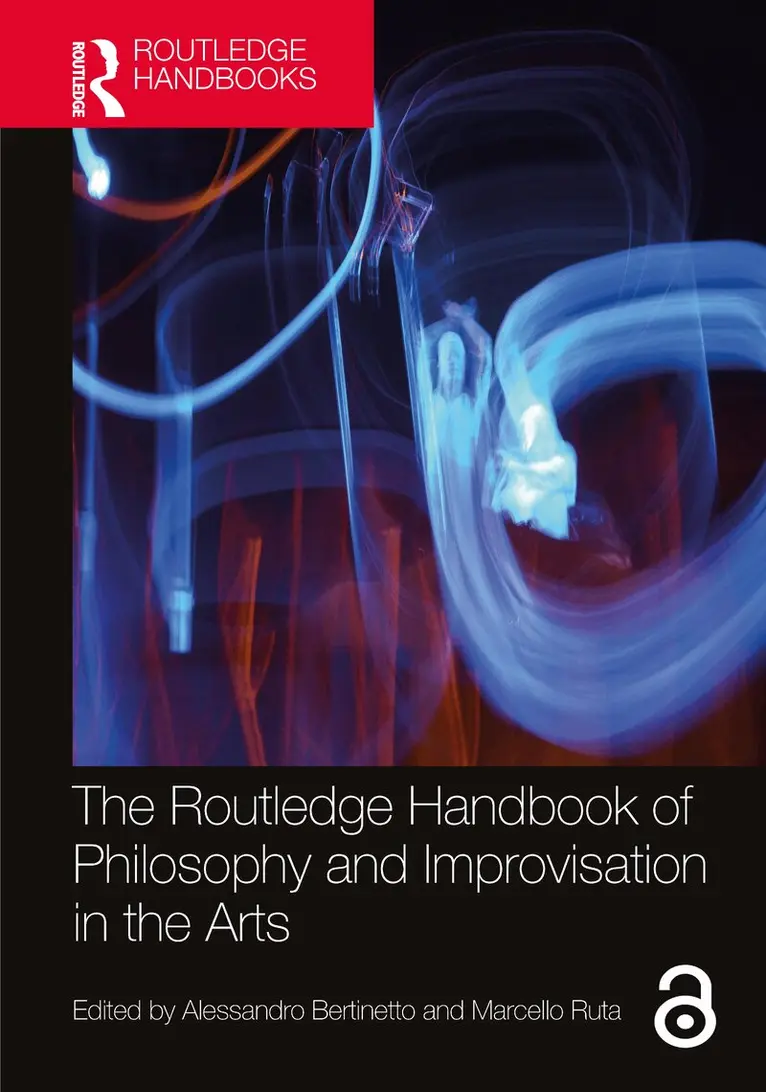
Routledge Handbook of Philosophy and Improvisation in the Arts
Av Alessandro Bertinetto, Marcello Ruta
Häftad, 2023
735 kr
Lägg i varukorg
Over the last few decades, the notion of improvisation has enriched and dynamized research on traditional philosophies of music, theatre, dance, poetry, and even visual art. This Handbook offers readers an authoritative collection of accessible articles on the philosophy of improvisation, …
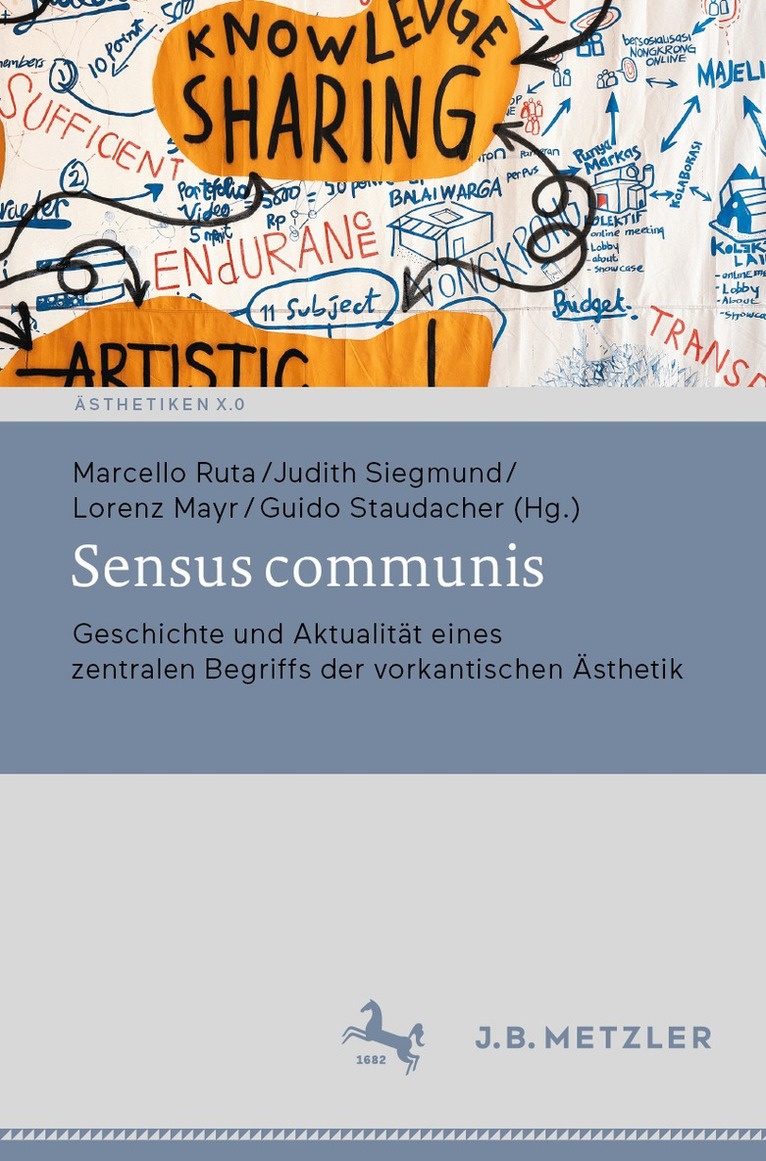
Sensus communis
Geschichte und Aktualität eines zentralen Begriffs der vorkantischen Ästhetik
Av Marcello Ruta, Judith Siegmund m. fl.
Häftad, 2026
670 kr
Lägg i varukorg
Mit dem vorkantischen Begriff des Sensus communis verbindet sich das Potenzial, das Verhältnis von Kunst, Moral, Politik und Geschichte neu zu bestimmen. Im Zuge ästhetischen Denkens ruft er zugleich die Möglichkeit der Gestaltung einer ganzen Gesellschaft auf. Die Auseinandersetzung mit dem …
Sensus communis
Geschichte und Aktualitat eines zentralen Begriffs der vorkantischen Asthetik
Av Guido Staudacher, Lorenz Mayr m. fl.
E-bok, 2026
717 kr
Lägg i varukorg
Mit dem vorkantischen Begriff des Sensus communis verbindet sich das Potenzial, das Verhältnis von Kunst, Moral, Politik und Geschichte neu zu bestimmen. Im Zuge ästhetischen Denkens ruft er zugleich die Möglichkeit der Gestaltung einer ganzen Gesellschaft auf. Die Auseinandersetzung mit dem …