Marcia B. Hall - Böcker
Visar alla böcker från författaren Marcia B. Hall. Handla med fri frakt och snabb leverans.
6 produkter
6 produkter
433 kr
Skickas inom 7-10 vardagar
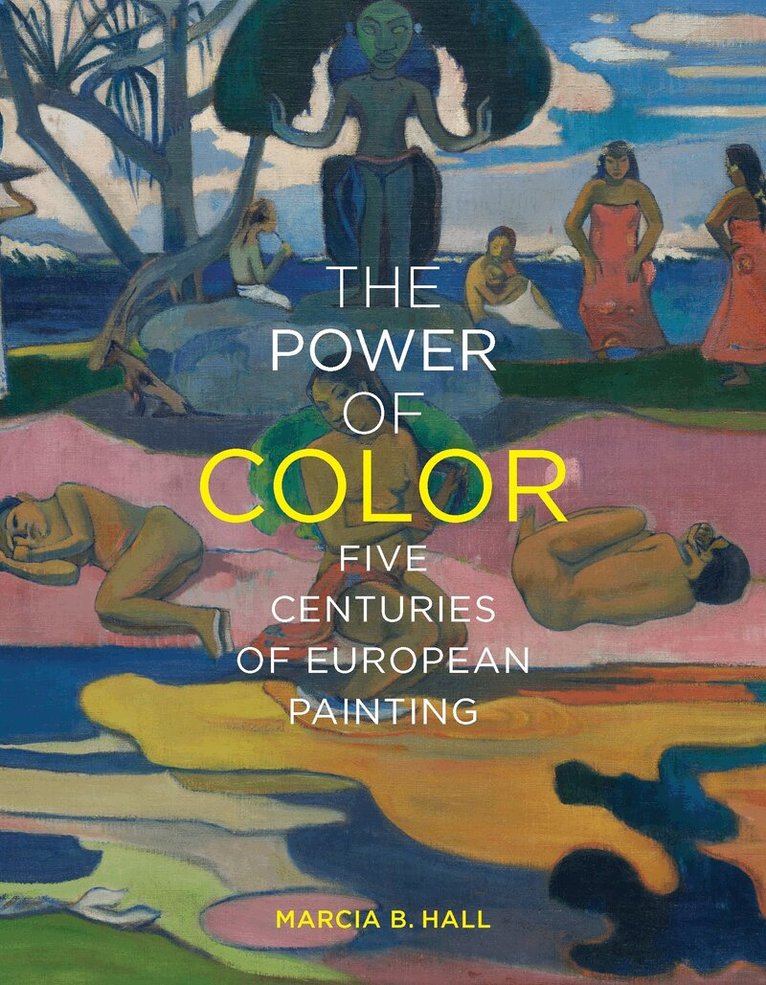
Revealing the power of color as physical medium, a key to interpretation, and a mediator of social and political change“This excellently illustrated volume . . . will serve as a comprehensive survey on color in Western painting from the fifteenth century to the age of Modernism.”—Andrew Shea, New CriterionThis expansive study of color illuminates the substance, context, and meaning of five centuries of European painting. Between the mid-15th and the mid-19th centuries, the materials of painting remained remarkably unchanged, but innovations in their use flourished. Technical discoveries facilitated new visual effects, political conditions prompted innovations, and economic changes shaped artists’ strategies, especially as trade became global.Marcia Hall explores how Michelangelo radically broke with his contemporaries’ harmonizing use of color in favor of a highly saturated approach; how the robust art market and demand for affordable pictures in 17th-century Netherlands helped popularize subtly colored landscape paintings; how politics and color became entangled during the French Revolution; and how modern artists liberated color from representation as their own role transformed from manipulators of pigments to visionaries celebrated for their individual expression. Using insights from recent conservation studies, Hall captivates readers with fascinating details and developments in magnificent examples—from Botticelli and Titian to Van Gogh and Kandinsky—to weave an engaging analysis. Her insistence on the importance of examining technique and material to understand artistic meaning gives readers the tools to look at these paintings with fresh eyes.
430 kr
Skickas inom 7-10 vardagar
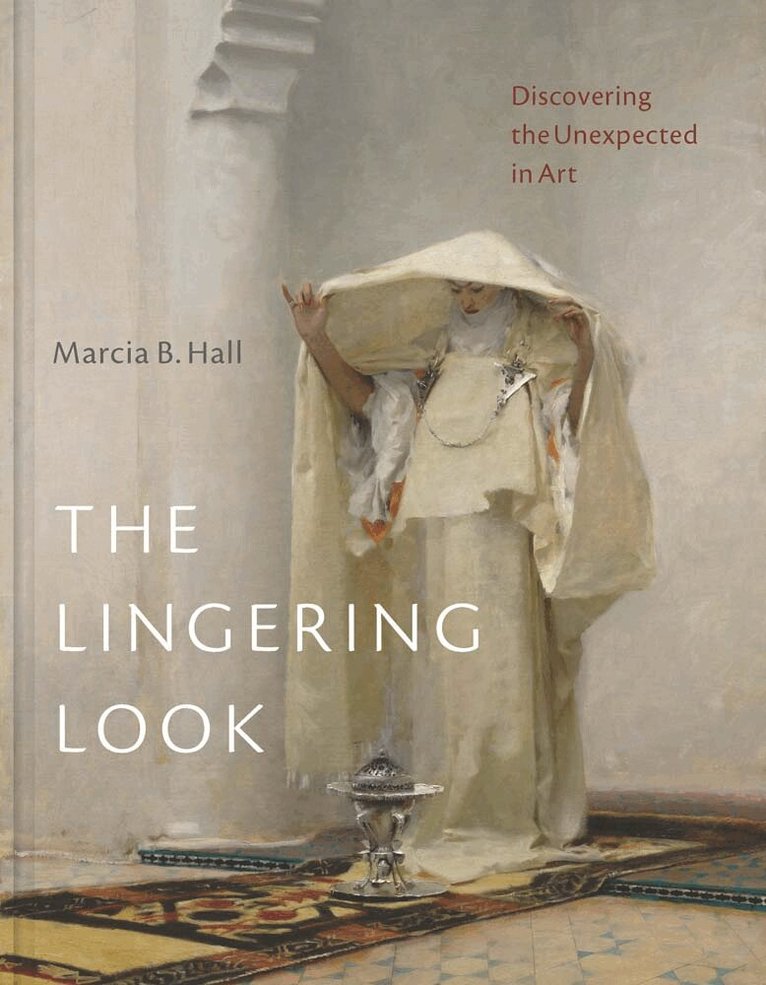
An invitation to look closely at artworks and explore the techniques artists use to draw viewers in and keep them interested Estimates of how much time museum visitors spend looking at works of art vary, but they rarely exceed half a minute. Throughout history, artists have recognized that they need to grab viewers’ attention and entice them to linger, often through deviations—subtle or overt—from reality. In this book, Marcia Hall guides readers through close looks at more than forty works of art by celebrated artists from Botticelli to Henri Matisse to Georgia O’Keeffe. Hall’s concise essays immerse us in the context in which these works were made and draw on the findings of recent conservation studies to reveal otherwise hidden aspects of artists’ processes. We discover how Artemisia Gentileschi’s depictions of female protagonists radically departed from tradition and how Edgar Degas used brushwork and composition to subvert expectations about perspective. Through focusing on how to experience works of art in depth, Hall reveals new layers of significance and encourages reflection on what they mean to us today. The book concludes with an afterword by painter Lisa Yuskavage, who describes how she captured the lingering look of viewers in her own work.
2 143 kr
Skickas inom 7-10 vardagar
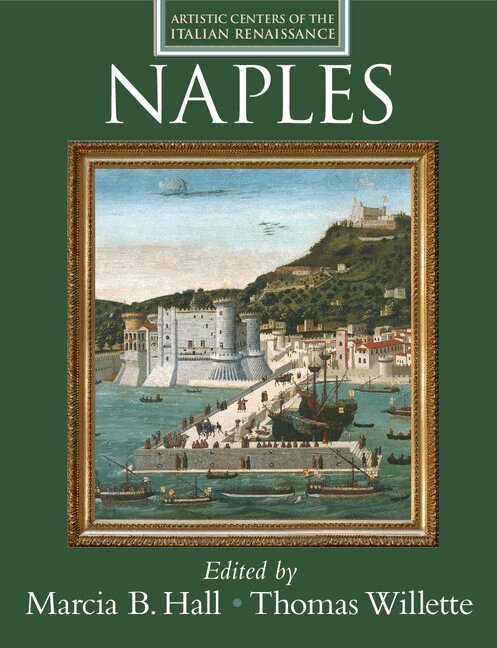
Naples was by far the largest urban center on the Italian peninsula during the early modern period, and in the years covered by this book, from the early 1300s to the early 1600s, its inhabitants witnessed vast programs of building and decoration spurred by the cultural needs of royal, ecclesiastical, and baronial elites. Yet the city's many beautiful churches and palaces, stone sculptures, fresco cycles, and altarpieces have not received the sustained attention in Anglophone scholarship that has been lavished for generations on other major centers of artistic production, such as Florence, Rome, or Venice. This book surveys the visual arts in Renaissance Naples, offering diachronic overviews of urban design, ecclesiastical architecture, painting, tomb sculpture, and palaces, along with a substantial introduction to the complex social and political history of the city.
929 kr
Skickas inom 7-10 vardagar
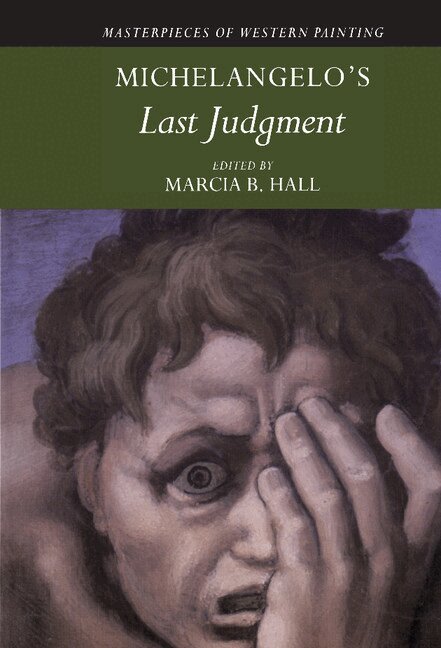
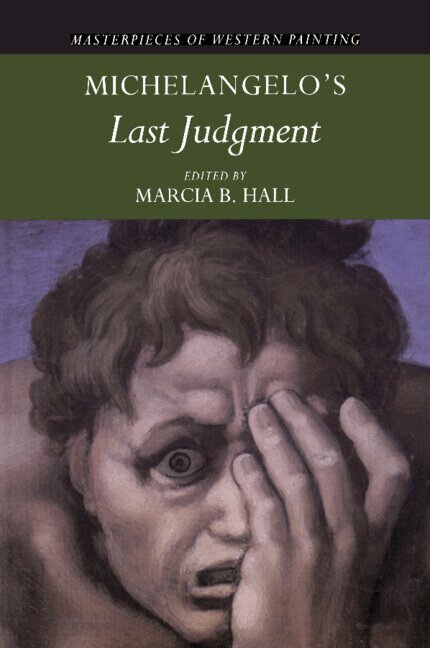
Michelangelo's Last Judgment was the most criticized and discussed painting of the sixteenth century. The subject of the Last Judgment has been a barometer of cultural mood throughout history. It can be interpreted, as Michelangelo did, as the moment when mortals attain immortal bliss or, in more unsettled times, as the terrifying moment when we face the justice of the Lord and are found wanting. The painting must hold in tension admonition and celebration. Michelangelo created his fresco in the final flowering of Renaissance humanism. Four years after its unveiling, the Council of Trent began meeting and the Counter-Reformation was under way. Caught on the cusp of a major shift of values, Michelangelo and his fresco were praised by lovers of art and condemned by conservative churchmen who sought a tool with which to exhort the wavering faithful, tempted to defect to Protestantism. This book explores the context, both historical and biographical, in which the fresco was created and the debates about the style and function of religious art that it generated.
409 kr
Skickas inom 7-10 vardagar
Michelangelo's Last Judgment was the most criticized and discussed painting of the sixteenth century. The subject of the Last Judgment has been a barometer of cultural mood throughout history. It can be interpreted, as Michelangelo did, as the moment when mortals attain immortal bliss or, in more unsettled times, as the terrifying moment when we face the justice of the Lord and are found wanting. The painting must hold in tension admonition and celebration. Michelangelo created his fresco in the final flowering of Renaissance humanism. Four years after its unveiling, the Council of Trent began meeting and the Counter-Reformation was under way. Caught on the cusp of a major shift of values, Michelangelo and his fresco were praised by lovers of art and condemned by conservative churchmen who sought a tool with which to exhort the wavering faithful, tempted to defect to Protestantism. This book explores the context, both historical and biographical, in which the fresco was created and the debates about the style and function of religious art that it generated.
1 495 kr
Skickas inom 7-10 vardagar
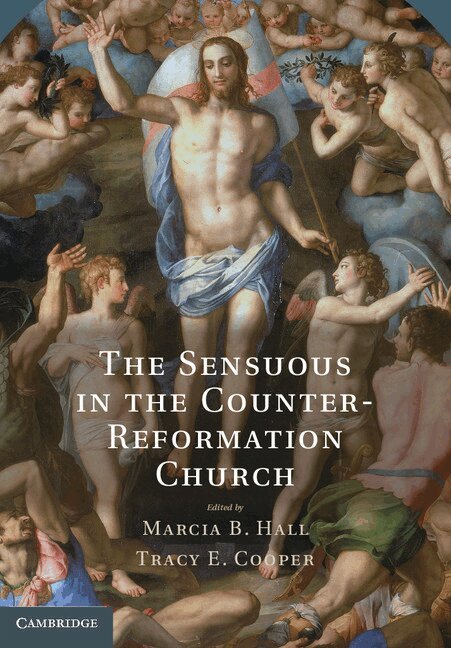
This book examines the promotion of the sensuous as part of religious experience in the Roman Catholic Church of the early modern period. During the Counter-Reformation, every aspect of religious and devotional practice was reviewed, including the role of art and architecture, while the invocation of the five senses to incite devotion became a hotly contested topic. The Protestants had condemned the material cult of veneration of relics and images, rejecting the importance of emotion and the senses and instead promoting the power of reason in receiving the Word of God. After much debate, the Church concluded that the senses are necessary to appreciate the sublime, and that they derive from the Holy Spirit. As part of its attempt to win back the faithful, the Church embraced the sensuous and promoted the use of images, relics, liturgy, processions, music and theatre as important parts of religious experience.