Marek Haltof - Böcker
Visar alla böcker från författaren Marek Haltof. Handla med fri frakt och snabb leverans.
11 produkter
11 produkter
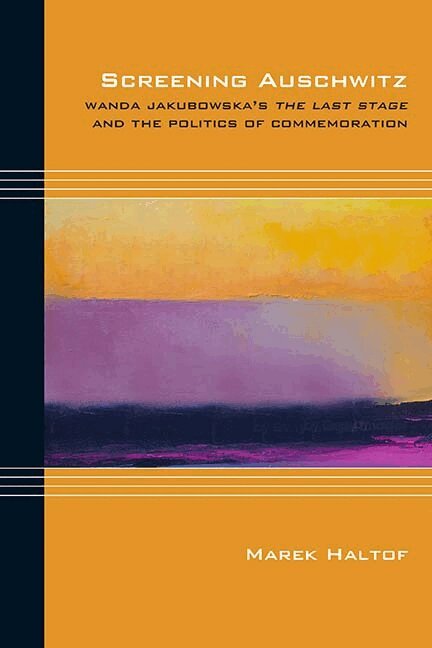
Screening Auschwitz
Wanda Jakubowska's the Last Stage and the Politics of Commemoration
Inbunden, Engelska, 2018
1 140 kr
Skickas inom 10-15 vardagar
Screening Auschwitz examines the classic Polish Holocaust film The Last Stage (Ostatni etap), directed by the Auschwitz survivor Wanda Jakubowska (1907–1998). Released in 1948, The Last Stage was a pioneering work and the first narrative film to portray the Nazi German camp. Haltof’s fascinating book offers to English-speaking readers a wealth of new materials and sources, mostly from original Polish sources and obtained through extensive archival research.With its powerful dramatization of the camp experience, The Last Stage shaped subsequent Shoah films, establishing several quasi-documentary themes easily discernible in later Holocaust narratives: the dark, “realistic” images of the camp; the passionate moralistic appeal; and the clear divisions between victims and perpetrators. Jakubowska’s film introduced the images of camp life that are now archetypal—for example, morning and evening roll calls on the Appelplatz, the arrival of transport trains at Birkenau, the separation of families, and tracking shots over the belongings left by the gassed camp victims. These and other images reinforced the depiction of Nazi German concentration camps and are discernible in a number of subsequent American films, including George Stevens’s The Diary of Anne Frank (1959), Alan Pakula’s Sophie’s Choice (1982), and Steven Spielberg’s Schindler’s List (1993).Haltof discusses the unusual circumstances that surrounded the production of the film on location at Auschwitz-Birkenau and summarizes critical debates surrounding the film’s release. The book offers much of interest to film historians and readers interested in the Holocaust.
Screening Auschwitz
Wanda Jakubowska's the Last Stage and the Politics of Commemoration
Häftad, Engelska, 2018
384 kr
Skickas inom 7-10 vardagar
Screening Auschwitz examines the classic Polish Holocaust film The Last Stage (Ostatni etap), directed by the Auschwitz survivor Wanda Jakubowska (1907–1998). Released in 1948, The Last Stage was a pioneering work and the first narrative film to portray the Nazi German camp. Haltof’s fascinating book offers to English-speaking readers a wealth of new materials and sources, mostly from original Polish sources and obtained through extensive archival research.With its powerful dramatization of the camp experience, The Last Stage shaped subsequent Shoah films, establishing several quasi-documentary themes easily discernible in later Holocaust narratives: the dark, “realistic” images of the camp; the passionate moralistic appeal; and the clear divisions between victims and perpetrators. Jakubowska’s film introduced the images of camp life that are now archetypal—for example, morning and evening roll calls on the Appelplatz, the arrival of transport trains at Birkenau, the separation of families, and tracking shots over the belongings left by the gassed camp victims. These and other images reinforced the depiction of Nazi German concentration camps and are discernible in a number of subsequent American films, including George Stevens’s The Diary of Anne Frank (1959), Alan Pakula’s Sophie’s Choice (1982), and Steven Spielberg’s Schindler’s List (1993).Haltof discusses the unusual circumstances that surrounded the production of the film on location at Auschwitz-Birkenau and summarizes critical debates surrounding the film’s release. The book offers much of interest to film historians and readers interested in the Holocaust.
695 kr
Skickas inom 10-15 vardagar
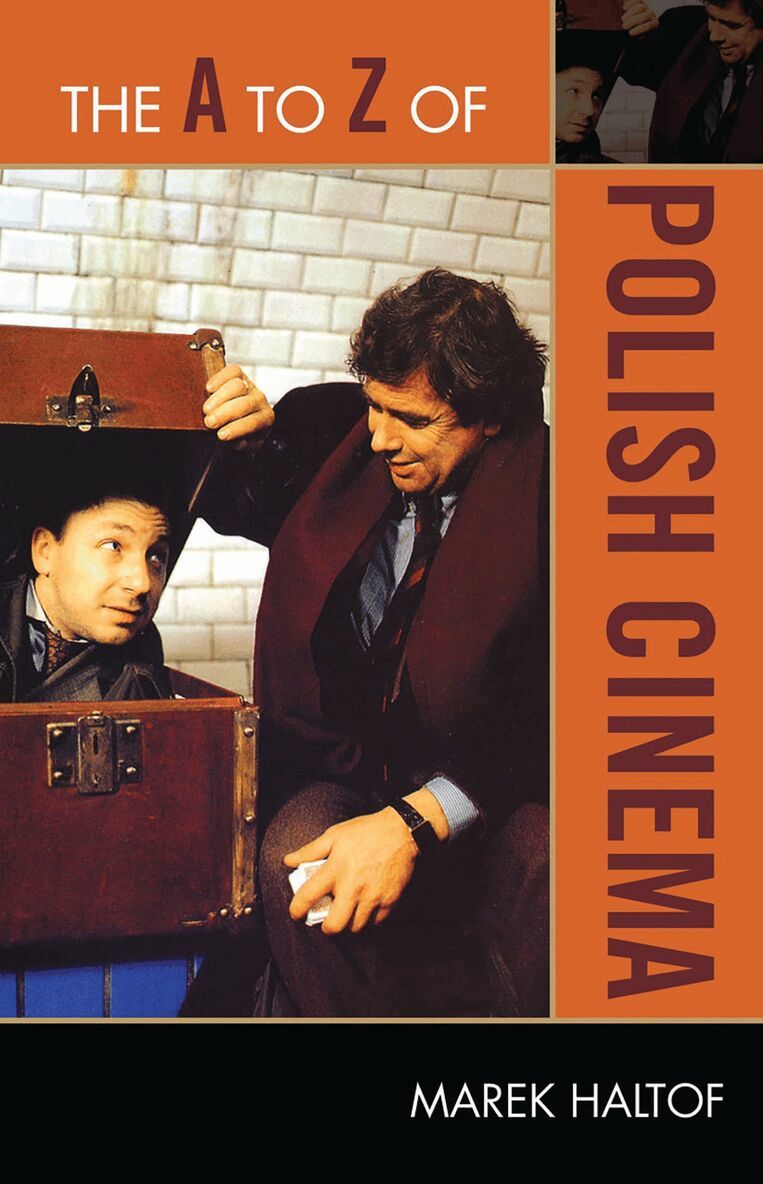
In 1902, scientist and inventor Kazimierz Prószynski made the first Polish narrative film, The Return of a Merry Fellow (Powrót Birbanta). Since then, the Polish film industry has produced a diverse body of work, ranging from patriotic melodramas and epic adaptations of the national literary canon to Yiddish cinema and films portraying the corrupted side of communism. Poland has produced several internationally known films, including Andrzej Wajda's war trilogy, A Generation (1955), Kanal (1957), and Ashes and Diamonds (1958), Roman Polanski's Knife in the Water (1962), and Andrzej Munk's The Passenger (1963). Often performing specific political and cultural duties for their nation, Polish filmmakers were well aware of their role as educators, entertainers, social activists, and political leaders.The A to Z of Polish Cinema fills the gap in film scholarship, presenting an extensive factual survey of Polish film. Through its chronology, introductory essay, appendixes, bibliography, and cross-referenced dictionary entries on films, directors, actors, producers, and film institutions, a balanced picture of the richness of Polish cinema is presented. Readers with professional interest in cinema will welcome this new work, which would be useful for any senior undergraduate or post-graduate courses in film studies.
2 014 kr
Skickas inom 3-6 vardagar
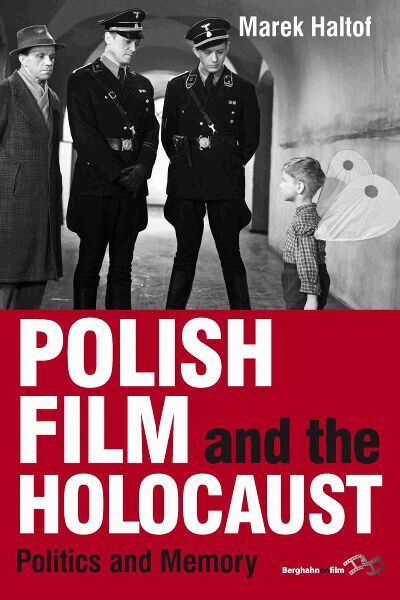
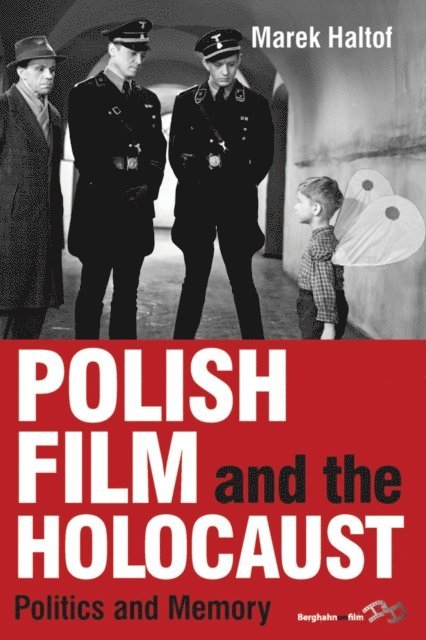
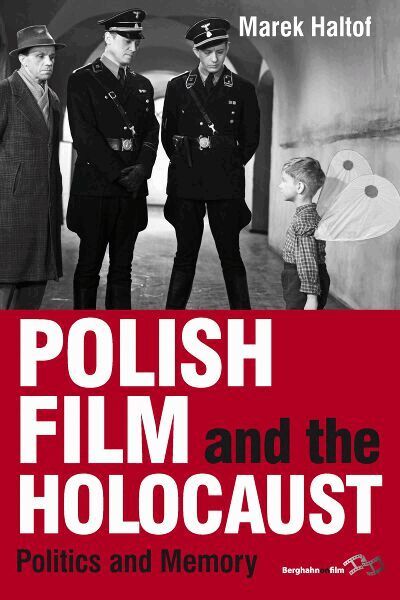
During World War II Poland lost more than six million people, including about three million Polish Jews who perished in the ghettos and extermination camps built by Nazi Germany in occupied Polish territories. This book is the first to address the representation of the Holocaust in Polish film and does so through a detailed treatment of several films, which the author frames in relation to the political, ideological, and cultural contexts of the times in which they were created. Following the chronological development of Polish Holocaust films, the book begins with two early classics: Wanda Jakubowska’s The Last Stage (1948) and Aleksander Ford’s Border Street (1949), and next explores the Polish School period, represented by Andrzej Wajda’s A Generation (1955) and Andrzej Munk’s The Passenger (1963). Between 1965 and 1980 there was an “organized silence” regarding sensitive Polish-Jewish relations resulting in only a few relevant films until the return of democracy in 1989 when an increasing number were made, among them Krzysztof Kieślowski’s Decalogue 8 (1988), Andrzej Wajda’s Korczak (1990), Jan Jakub Kolski’s Keep Away from the Window (2000), and Roman Polański’s The Pianist (2002). An important contribution to film studies, this book has wider relevance in addressing the issue of Poland’s national memory.
1 567 kr
Skickas inom 10-15 vardagar
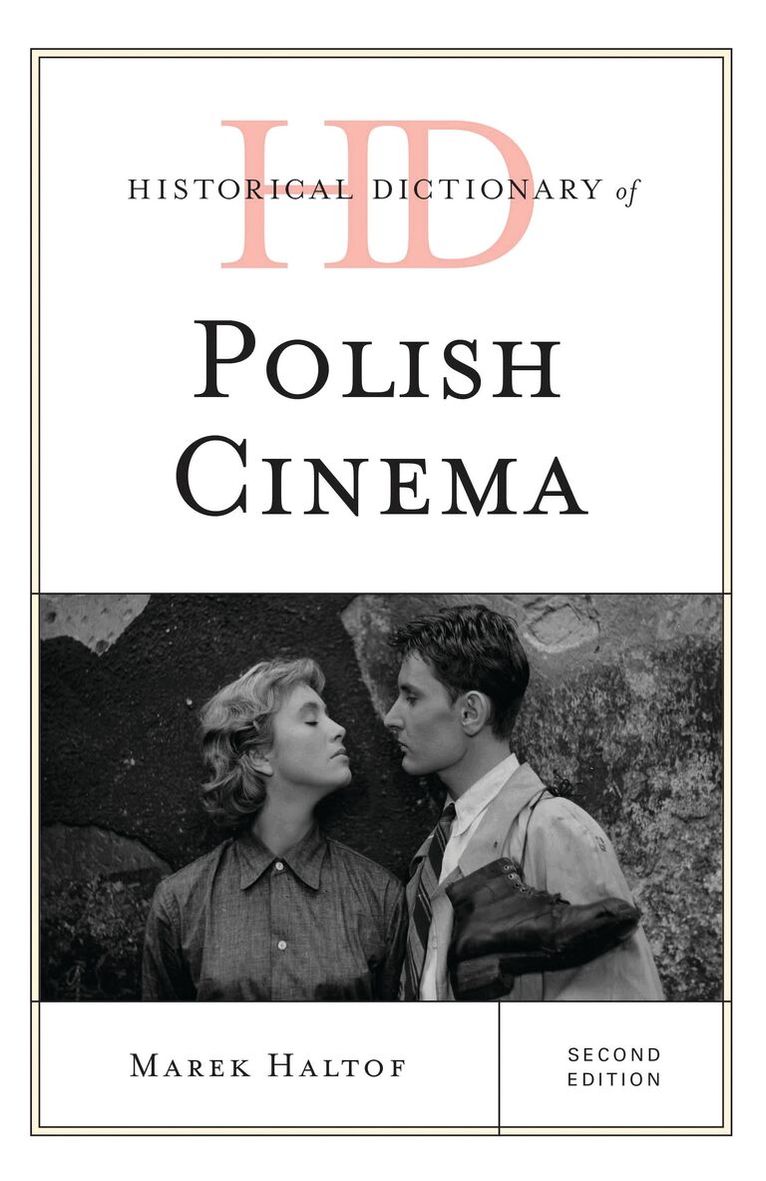
In 1902, scientist and inventor Kazimierz Prószynski made the first Polish narrative film, The Return of a Merry Fellow. Since then, the Polish film industry has produced a diverse body of work, ranging from patriotic melodramas and epic adaptations of the national literary canon to Yiddish cinema and films portraying the corrupt side of communism. Poland has produced several internationally known films, including Andrzej Wajda’s war trilogy, A Generation (1955), Kanal (1957), and Ashes and Diamonds (1958); Roman Polanski’s Knife in the Water (1962); and Andrzej Munk’s The Passenger (1963). Often performing specific political and cultural duties for their nation, Polish filmmakers were well aware of their role as educators, entertainers, social activists, and political leaders. This second edition of Historical Dictionary of Polish Cinema fills the gap in film scholarship, presenting an extensive factual survey of Polish film. Through a chronology; an introductory essay; appendixes, a bibliography; and over 300 cross-referenced dictionary entries on films, directors, actors, producers, and film institutions, a balanced picture of the richness of Polish cinema is presented. Readers with professional interest in cinema will welcome this new work, which will enhance senior undergraduate or postgraduate courses in film studies.
1 580 kr
Kommande
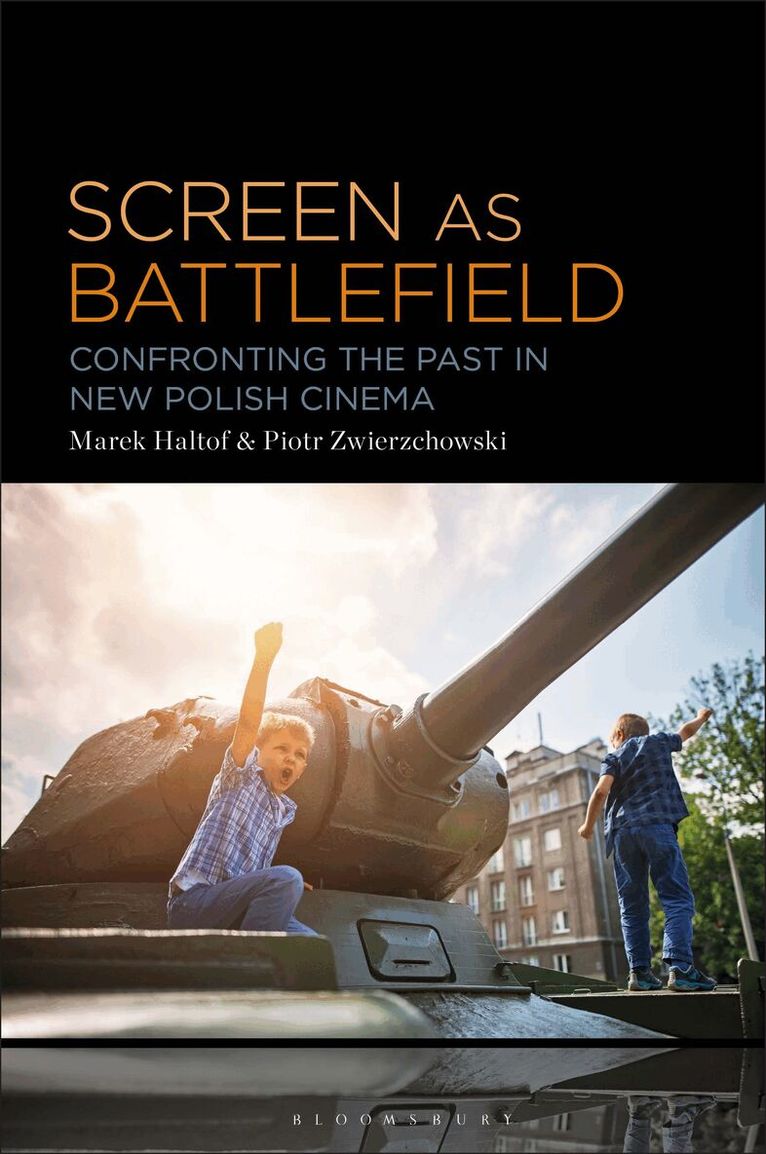
Screen as Battlefield deals with the treatment of history in Polish cinema after the end of communist rule in 1989 and the return of democracy. It analyzes not only how local filmmakers have represented the last century’s complex history, but also how various government institutions have tried to influence the cinematic vision of the past through funding (or the lack of it) and by using political pressure. The year 1989 was as a turning point in Polish history, marking the peaceful transition from a totalitarian system to democracy. After years of mythologizing history, Polish past was finally present on Polish screens. Previously banned or available only in censored versions, historical subjects became prominent in cinema theatres and on television. These topics have included, among others, the Soviet-Nazi pact and aggression on Poland in 1939, the Soviet occupation of the entire region after 1945, the brutal imposition of communist rule, and the Stalinist legacy. Since the founding of the Polish Film Institute (PISF) in 2005, more than one hundred theatrically released films have dealt with Polish history. Several of them received international acclaim and festival awards; they were also popular at the box office. Screen as Battlefield discusses several internationally known films, among them The Pianist (2002), Katyn (2006), Rose (2011), Ida (2013), Warsaw ’44 (2014), Volhynia (aka Hatred, 2016), and Cold War (2018).
583 kr
Skickas inom 3-6 vardagar
During World War II Poland lost more than six million people, including about three million Polish Jews who perished in the ghettos and extermination camps built by Nazi Germany in occupied Polish territories. This book is the first to address the representation of the Holocaust in Polish film and does so through a detailed treatment of several films, which the author frames in relation to the political, ideological, and cultural contexts of the times in which they were created. Following the chronological development of Polish Holocaust films, the book begins with two early classics: Wanda Jakubowska’s The Last Stage (1948) and Aleksander Ford’s Border Street (1949), and next explores the Polish School period, represented by Andrzej Wajda’s A Generation (1955) and Andrzej Munk’s The Passenger (1963). Between 1965 and 1980 there was an “organized silence” regarding sensitive Polish-Jewish relations resulting in only a few relevant films until the return of democracy in 1989 when an increasing number were made, among them Krzysztof Kieślowski’s Decalogue 8 (1988), Andrzej Wajda’s Korczak (1990), Jan Jakub Kolski’s Keep Away from the Window (2000), and Roman Polański’s The Pianist (2002). An important contribution to film studies, this book has wider relevance in addressing the issue of Poland’s national memory.
2 581 kr
Skickas inom 3-6 vardagar
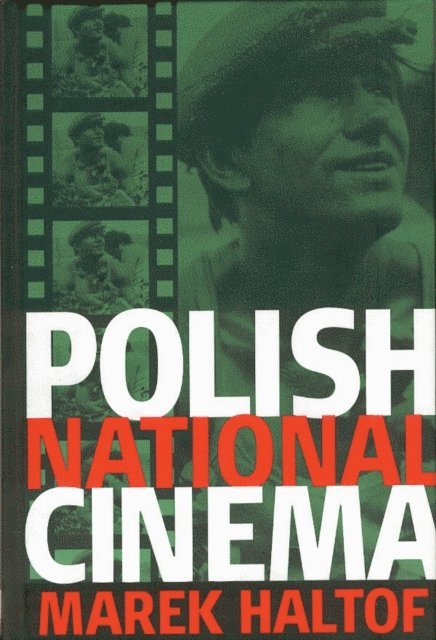
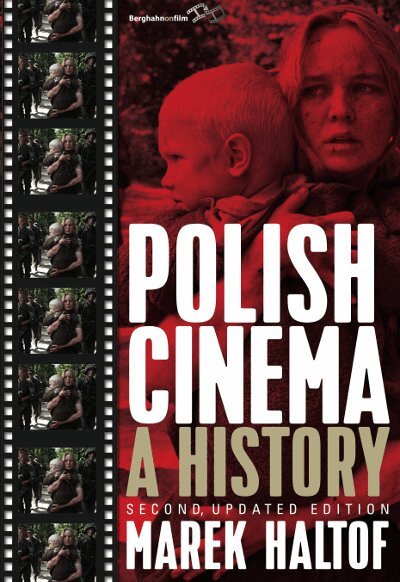
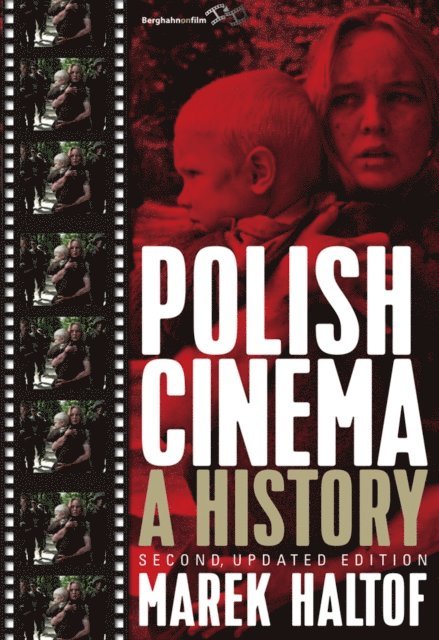
First published in 2002, Marek Haltof's seminal volume was the first comprehensive English-language study of Polish cinema, providing a much-needed survey of one of Europe's most distinguished-yet unjustly neglected-film cultures. Since then, seismic changes have reshaped Polish society, European politics, and the global film industry. This thoroughly revised and updated edition takes stock of these dramatic shifts to provide an essential account of Polish cinema from the nineteenth century to today, covering such renowned figures as Kieslowski, Skolimowski, and Wajda along with vastly expanded coverage of documentaries, animation, and television, all set against the backdrop of an ever-more transnational film culture.
496 kr
Skickas inom 3-6 vardagar
First published in 2002, Marek Haltof’s seminal volume was the first comprehensive English-language study of Polish cinema, providing a much-needed survey of one of Europe’s most distinguished—yet unjustly neglected—film cultures. Since then, seismic changes have reshaped Polish society, European politics, and the global film industry. This thoroughly revised and updated edition takes stock of these dramatic shifts to provide an essential account of Polish cinema from the nineteenth century to today, covering such renowned figures as Kieślowski, Skolimowski, and Wajda along with vastly expanded coverage of documentaries, animation, and television, all set against the backdrop of an ever-more transnational film culture.
183 kr
Skickas inom 7-10 vardagar
801 kr
Skickas inom 7-10 vardagar