Marek Jan Chodakiewicz – författare
Visar alla böcker från författaren Marek Jan Chodakiewicz. Handla med fri frakt och snabb leverans.
9 produkter
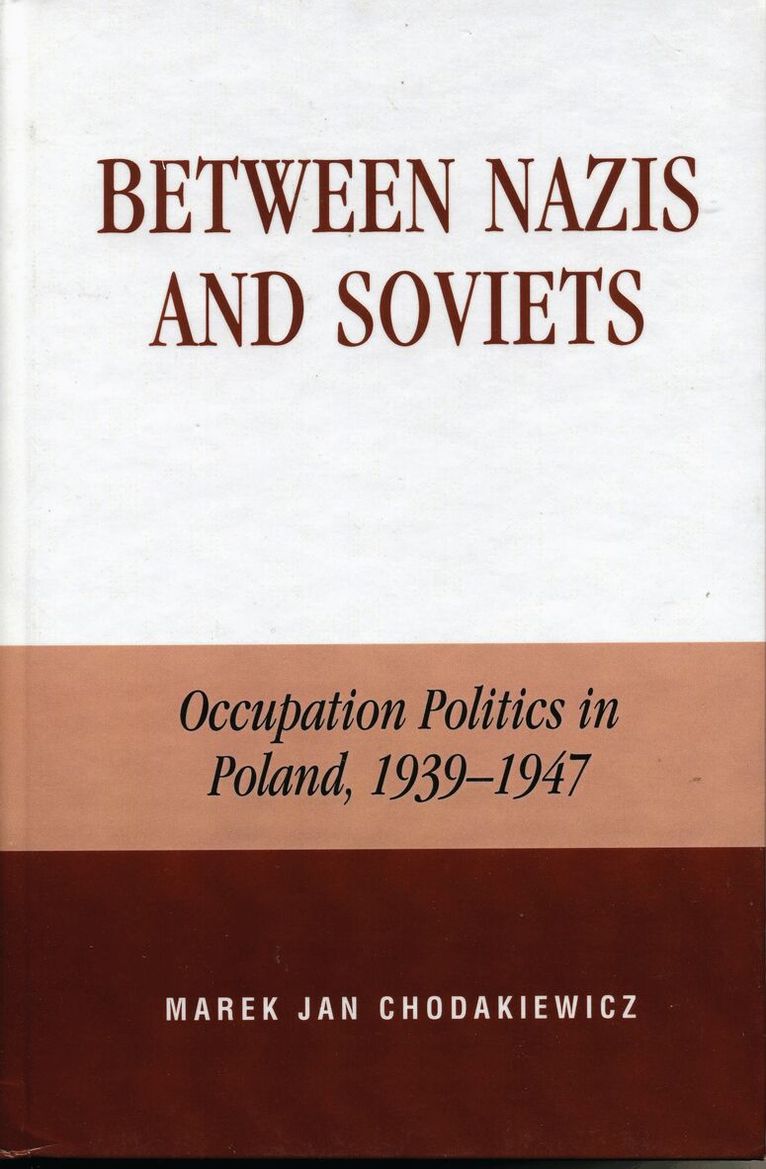
Between Nazis and Soviets
Occupation Politics in Poland, 1939-1947
Inbunden, 2004
1897 kr
Lägg i varukorg
Between 1939 and 1947 the county of Janów Lubelski, an agricultural area in central Poland, experienced successive occupations by Nazi Germany (1939-1944) and the Soviet Union (1944-1947). During each period the population, including the Polish majority and the Jewish, Ukrainian, and German …
Poland's Transformation
A Work in Progress
Av Bjorn Kurten, Marek Jan Chodakiewicz m. fl.
Inbunden, 2017
2510 kr
Lägg i varukorg
Poland has carried out two peaceful revolutions in the span of one generation: first, the self-limiting movement of Solidarity, which undermined the legitimacy of Communism and then a negotiated transfer of power from Communism to free market democracy. Today, while Poland is seen as a success …
Poland's Transformation
A Work in Progress
Av Dariusz Tolczyk, John Radzilowski m. fl.
E-bok, 2017
910 kr
Lägg i varukorg
Poland has carried out two peaceful revolutions in the span of one generation: first, the self-limiting movement of Solidarity, which undermined the legitimacy of Communism and then a negotiated transfer of power from Communism to free market democracy. Today, while Poland is seen as a success …
Poland's Transformation
A Work in Progress
Av Dariusz Tolczyk, John Radzilowski m. fl.
E-bok, 2017
890 kr
Lägg i varukorg
Poland has carried out two peaceful revolutions in the span of one generation: first, the self-limiting movement of Solidarity, which undermined the legitimacy of Communism and then a negotiated transfer of power from Communism to free market democracy. Today, while Poland is seen as a success …
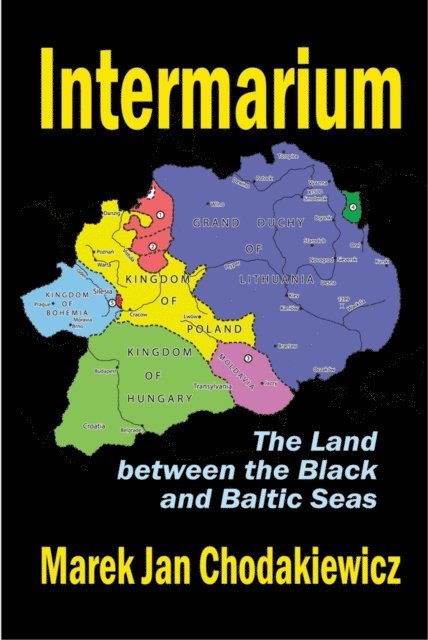
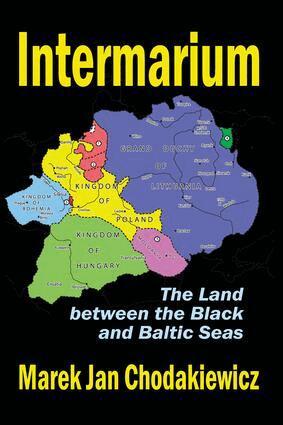
Intermarium
The Land Between the Black and Baltic Seas
Av Marek Jan Chodakiewicz, Marek Jan Chodakiewicz
E-bok, 2017
981 kr
Lägg i varukorg
History and collective memories influence a nation, its culture, and institutions; hence, its domestic politics and foreign policy. That is the case in the Intermarium, the land between the Baltic and Black Seas in Eastern Europe. The area is the last unabashed rampart of Western Civilization in …
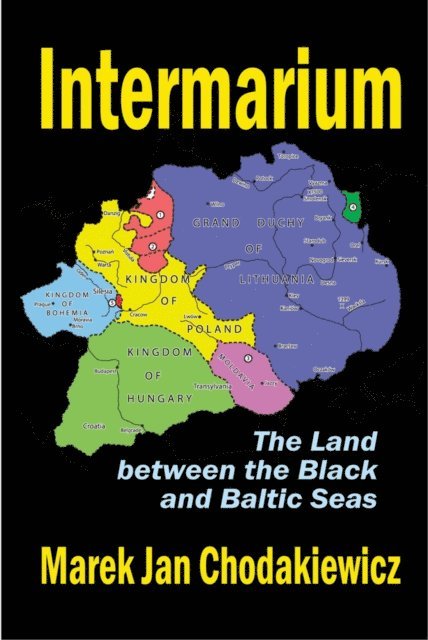
Intermarium
The Land Between the Black and Baltic Seas
Av Marek Jan Chodakiewicz, Marek Jan Chodakiewicz
E-bok, 2017
960 kr
Lägg i varukorg
History and collective memories influence a nation, its culture, and institutions; hence, its domestic politics and foreign policy. That is the case in the Intermarium, the land between the Baltic and Black Seas in Eastern Europe. The area is the last unabashed rampart of Western Civilization in …
Poland's Transformation
A Work in Progress
Av Bjorn Kurten, Marek Jan Chodakiewicz m. fl.
Häftad, 2006
771 kr
Lägg i varukorg
Poland has carried out two peaceful revolutions in the span of one generation: first, the self-limiting movement of Solidarity, which undermined the legitimacy of Communism and then a negotiated transfer of power from Communism to free market democracy. Today, while Poland is seen as a success …
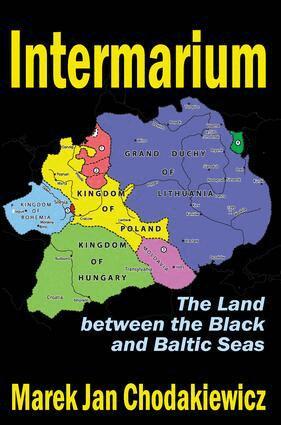
Intermarium
The Land Between the Black and Baltic Seas
Av Marek Jan Chodakiewicz, Marek Jan Chodakiewicz
Inbunden, 2012
2585 kr
Lägg i varukorg
History and collective memories influence a nation, its culture, and institutions; hence, its domestic politics and foreign policy. That is the case in the Intermarium, the land between the Baltic and Black Seas in Eastern Europe. The area is the last unabashed rampart of Western Civilization in …
Intermarium
The Land Between the Black and Baltic Seas
Av Marek Jan Chodakiewicz, Marek Jan Chodakiewicz
Häftad, 2016
831 kr
Lägg i varukorg
History and collective memories influence a nation, its culture, and institutions; hence, its domestic politics and foreign policy. That is the case in the Intermarium, the land between the Baltic and Black Seas in Eastern Europe. The area is the last unabashed rampart of Western Civilization in …