Bjorn Kurten – författare
Visar alla böcker från författaren Bjorn Kurten. Handla med fri frakt och snabb leverans.
6 produkter
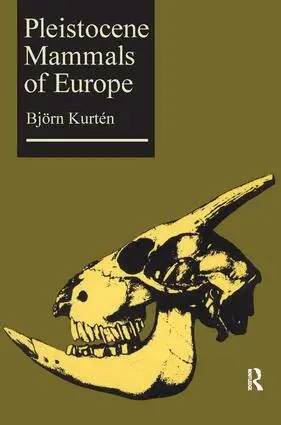
Pleistocene Mammals of Europe
Av Bjorn Kurten
Häftad, 2007
771 kr
Lägg i varukorg
This book provides a comprehensive treatment of all the Pleistocene species in Europe, classified according to modern taxonomic principles. For each species there is a description of its descent and migration history, its range, and its mode of life. The first version of this book was a semipopular …
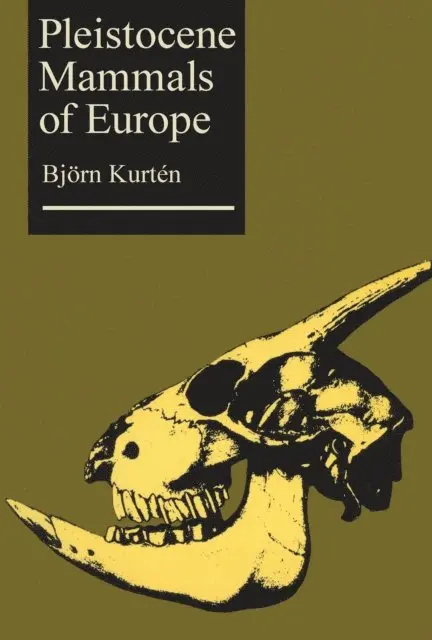
Pleistocene Mammals of Europe
Av Bjorn Kurten
Inbunden, 2017
2510 kr
Lägg i varukorg
This book provides a comprehensive treatment of all the Pleistocene species in Europe, classified according to modern taxonomic principles. For each species there is a description of its descent and migration history, its range, and its mode of life. The first version of this book was a semipopular …
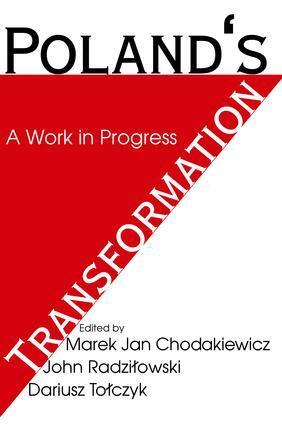
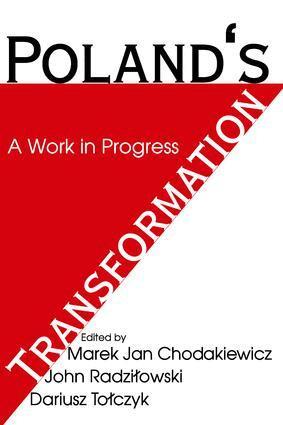
Poland's Transformation
A Work in Progress
Av Bjorn Kurten, Marek Jan Chodakiewicz m. fl.
Inbunden, 2017
2510 kr
Lägg i varukorg
Poland has carried out two peaceful revolutions in the span of one generation: first, the self-limiting movement of Solidarity, which undermined the legitimacy of Communism and then a negotiated transfer of power from Communism to free market democracy. Today, while Poland is seen as a success …
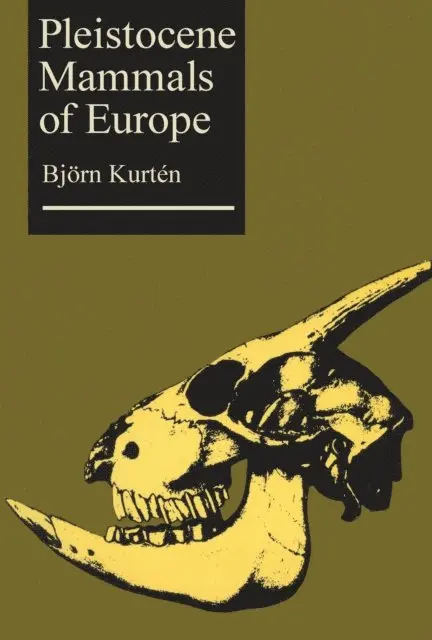
Pleistocene Mammals of Europe
Av Bjorn Kurten
E-bok, 2017
883 kr
Lägg i varukorg
This book provides a comprehensive treatment of all the Pleistocene species in Europe, classified according to modern taxonomic principles. For each species there is a description of its descent and migration history, its range, and its mode of life. The first version of this book was a semipopular …
Pleistocene Mammals of Europe
Av Bjorn Kurten
E-bok, 2017
883 kr
Lägg i varukorg
This book provides a comprehensive treatment of all the Pleistocene species in Europe, classified according to modern taxonomic principles. For each species there is a description of its descent and migration history, its range, and its mode of life. The first version of this book was a semipopular …
Poland's Transformation
A Work in Progress
Av Bjorn Kurten, Marek Jan Chodakiewicz m. fl.
Häftad, 2006
771 kr
Lägg i varukorg
Poland has carried out two peaceful revolutions in the span of one generation: first, the self-limiting movement of Solidarity, which undermined the legitimacy of Communism and then a negotiated transfer of power from Communism to free market democracy. Today, while Poland is seen as a success …