Margaret M. Blair – författare
Visar alla böcker från författaren Margaret M. Blair. Handla med fri frakt och snabb leverans.
10 produkter
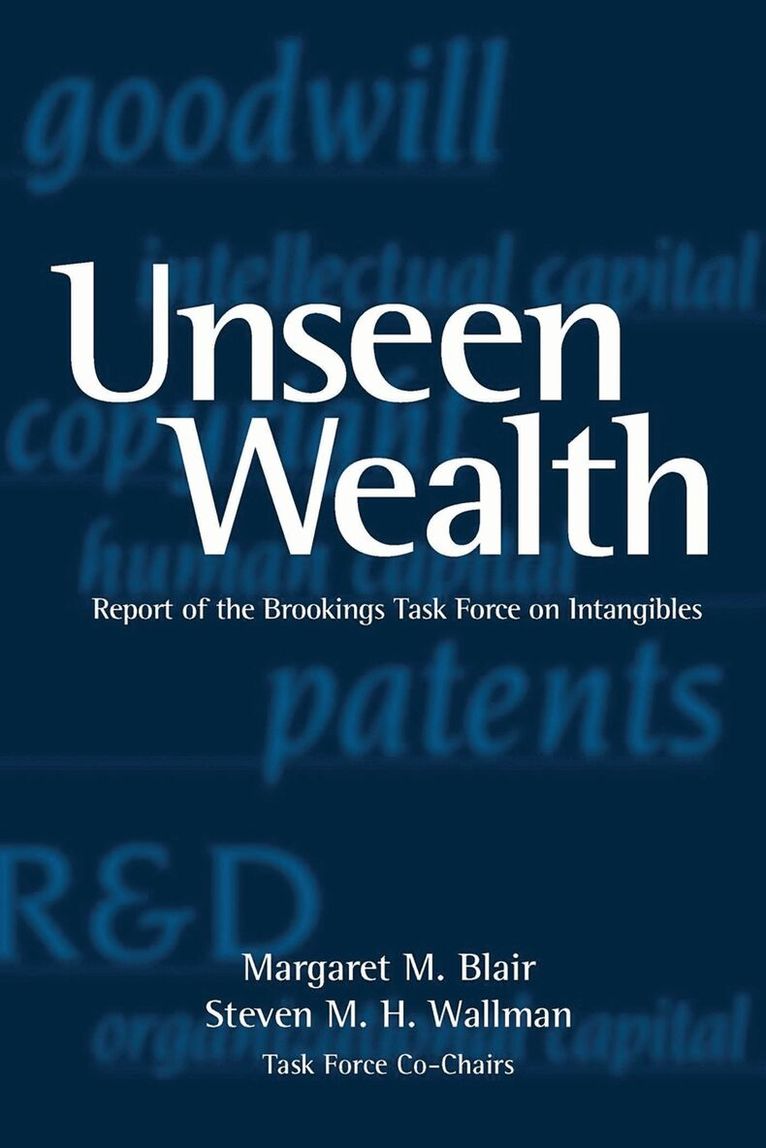
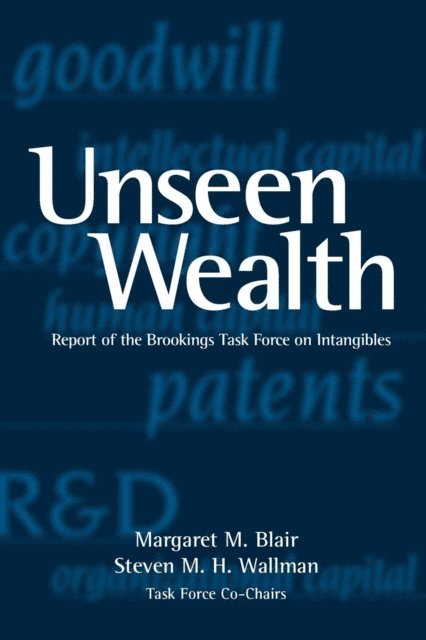
Unseen Wealth
Report of the Brookings Task Force on Intangibles
Av Margaret M. Blair, Steven H. M. Wallman
Häftad, 2001
239 kr
Lägg i varukorg
Intangibles are harder to measure, harder to quantify, often more difficult to manage, evaluate, and account for than tangible assets. There is no common language for sharing information about intangible sources of value, and the language used tends to be descriptive rather than quantitative and …
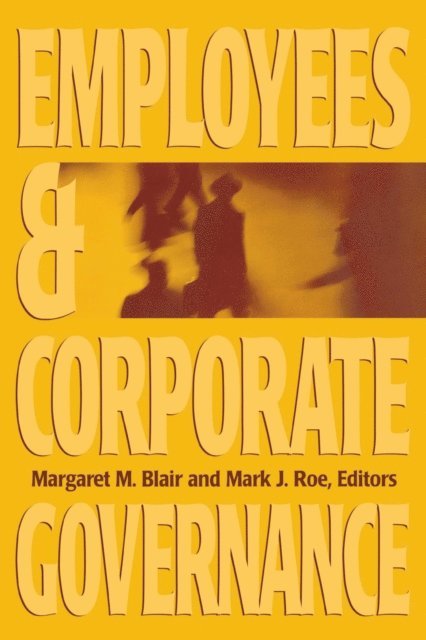
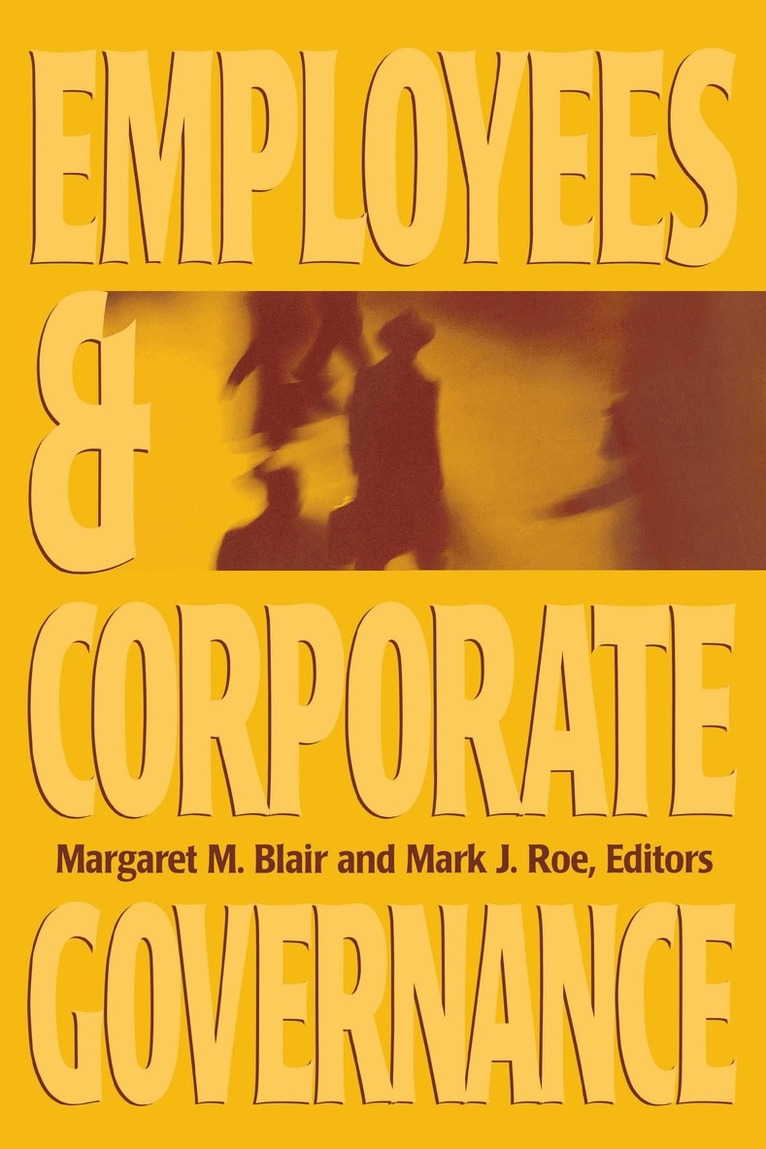
Employees and Corporate Governance
Av Margaret M. Blair, Mark J. Roe
E-bok, 2010
578 kr
Lägg i varukorg
Most scholarship on corporate governance in the last two decades has focused on the relationships between shareholders and managers or directors. Neglected in this vast literature is the role of employees in corporate governance. Yet ""human capital,"" embodied in the employees, is rapidly becoming …
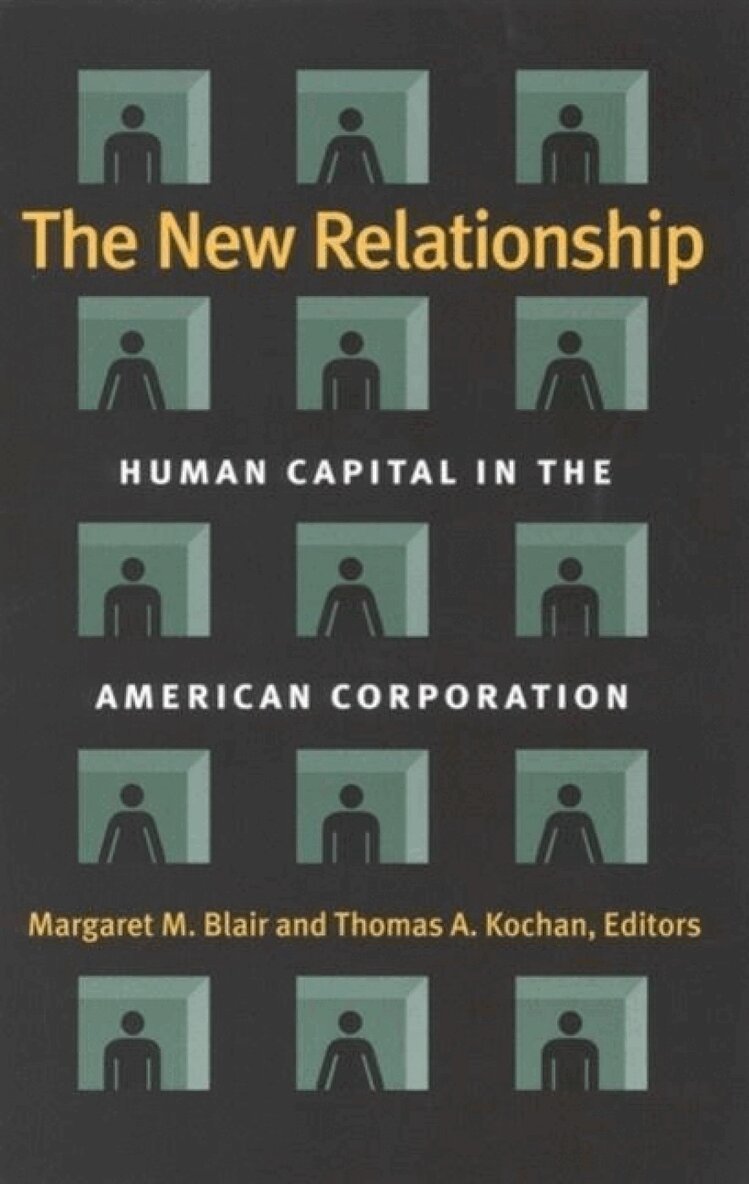
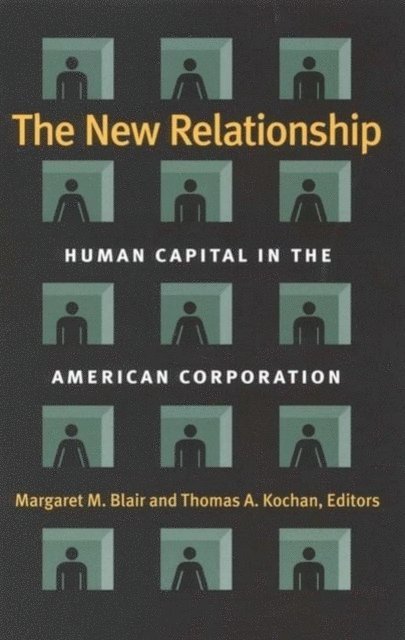
New Relationship
Human Capital in the American Corporation
Av Margaret M. Blair, Thomas A. Kochan
Häftad, 2000
326 kr
Lägg i varukorg
Human capital and organizational capital are increasingly important as a source of value in many firms. But even as this is happening, organizational forms and employment relationships appear to be changing in ways that reduce loyalty and commitment and encourage mobility on the part of employees. …
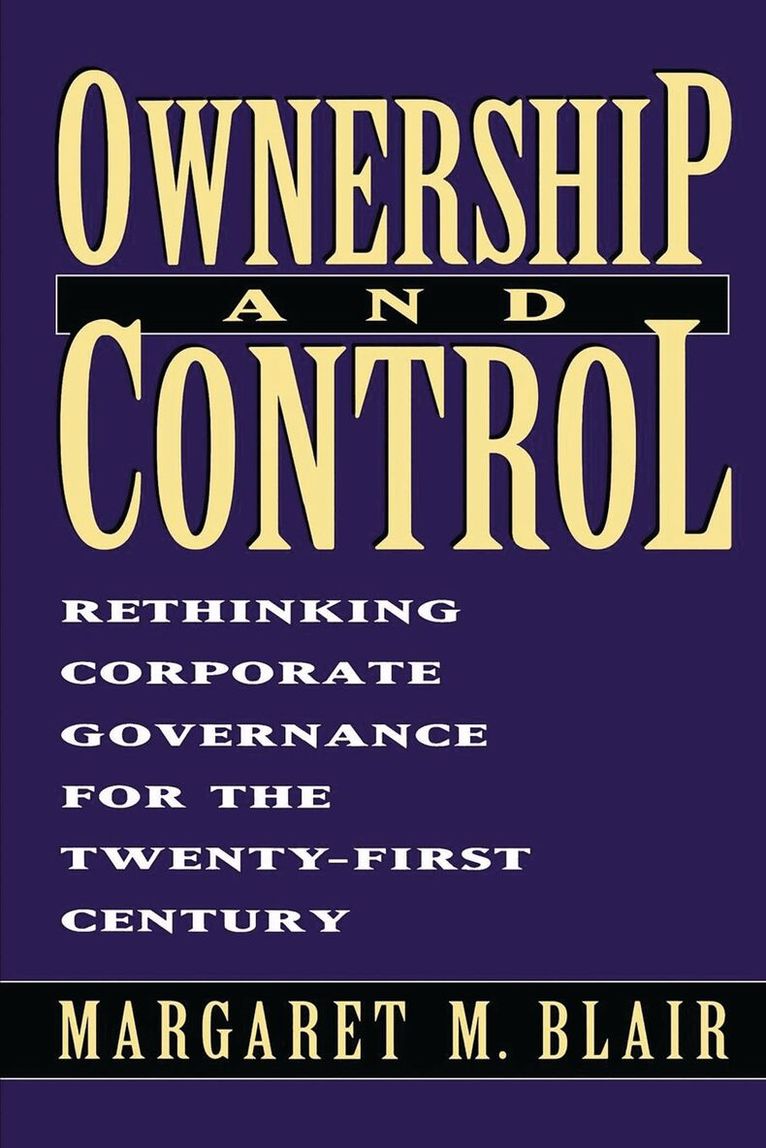
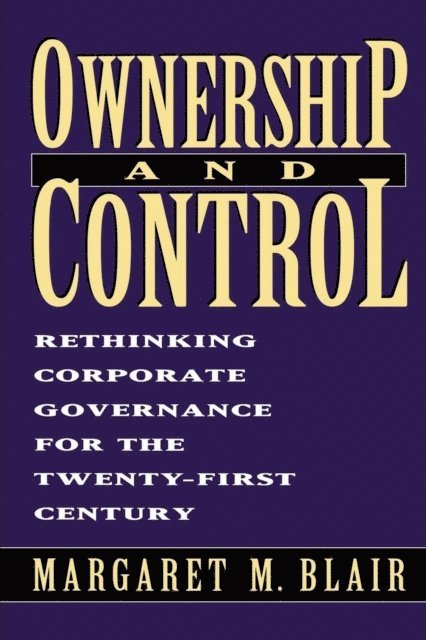
Ownership and Control
Rethinking Corporate Governance for the Twenty-First Century
Häftad, 1995
326 kr
Lägg i varukorg
Who should be allowed to call the shots in the boardrooms of U. S. Corporations? And what difference does it make for their growth and profitability? In the last decade, these issues have moved to the center of policy debates about the time horizons and competitiveness of U.S. companies. This book …
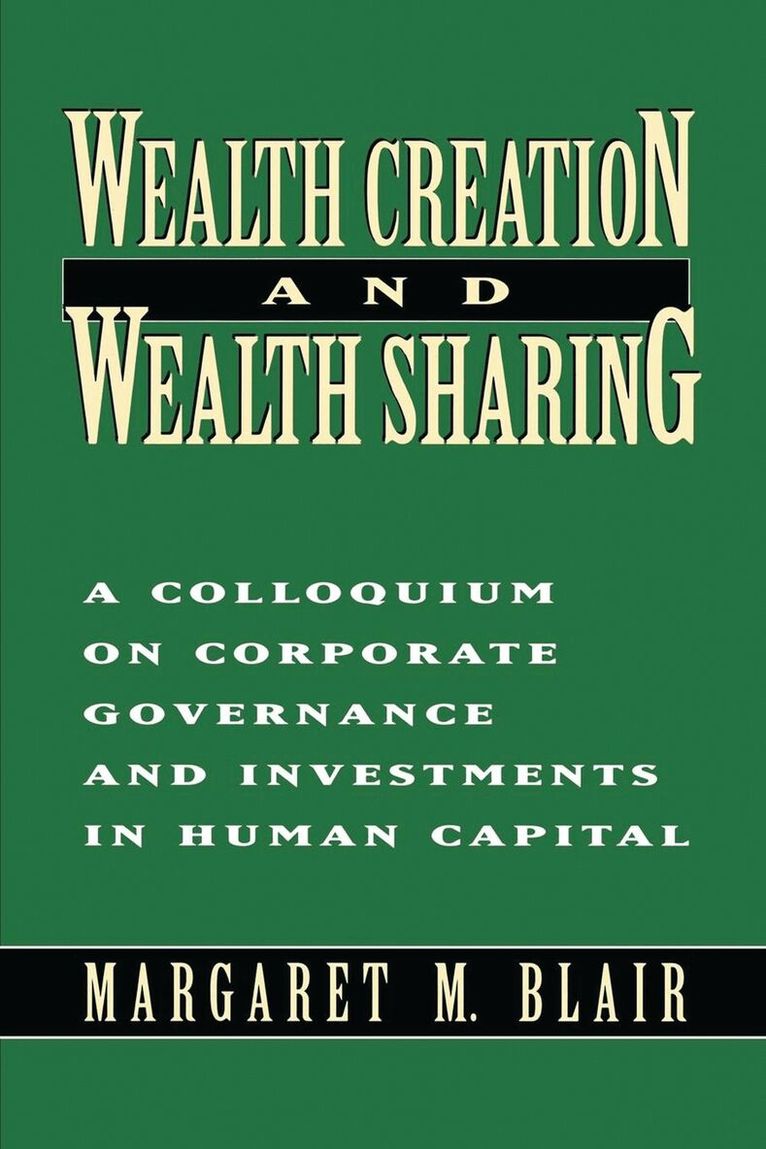
Wealth Creation and Wealth Sharing
A Colloquium on Corporate Governance and Investments in Human Capital
Häftad, 1996
239 kr
Lägg i varukorg
Corporations are the productive engine of market economies. Yet the rules by which the wealth generated by corporations gets divided between the providers of financial capital and the providers of human capital are poorly understood.In this colloquium, a group of economists, social scientists, …
Ownership and Control
Rethinking Corporate Governance for the Twenty-First Century
E-bok, 2011
342 kr
Lägg i varukorg
Who should be allowed to call the shots in the boardrooms of U. S. Corporations? And what difference does it make for their growth and profitability? In the last decade, these issues have moved to the center of policy debates about the time horizons and competitiveness of U.S. companies. This book …
Wealth Creation and Wealth Sharing
A Colloquium on Corporate Governance and Investments in Human Capital
E-bok, 2010
257 kr
Lägg i varukorg
Corporations are the productive engine of market economies. Yet the rules by which the wealth generated by corporations gets divided between the providers of financial capital and the providers of human capital are poorly understood. In this colloquium, a group of economists, social scientists, …
New Relationship
Human Capital in the American Corporation
Av Margaret M. Blair, Thomas A. Kochan
E-bok, 2002
342 kr
Lägg i varukorg
Human capital and organizational capital are increasingly important as a source of value in many firms. But even as this is happening, organizational forms and employment relationships appear to be changing in ways that reduce loyalty and commitment and encourage mobility on the part of employees. …
Employees and Corporate Governance
Av Margaret M. Blair, Mark J. Roe
Häftad, 1999
529 kr
Lägg i varukorg
Most scholarship on corporate governance in the last two decades has focused on the relationships between shareholders and managers or directors. Neglected in this vast literature is the role of employees in corporate governance. Yet ""human capital,"" embodied in the employees, is rapidly becoming …
Unseen Wealth
Report of the Brookings Task Force on Intangibles
Av Margaret M. Blair, Steven H. M. Wallman
E-bok, 2000
257 kr
Lägg i varukorg
Intangibles are harder to measure, harder to quantify, often more difficult to manage, evaluate, and account for than tangible assets. There is no common language for sharing information about intangible sources of value, and the language used tends to be descriptive rather than quantitative and …