Margaret M. Pearson – författare
Visar alla böcker från författaren Margaret M. Pearson. Handla med fri frakt och snabb leverans.
11 produkter
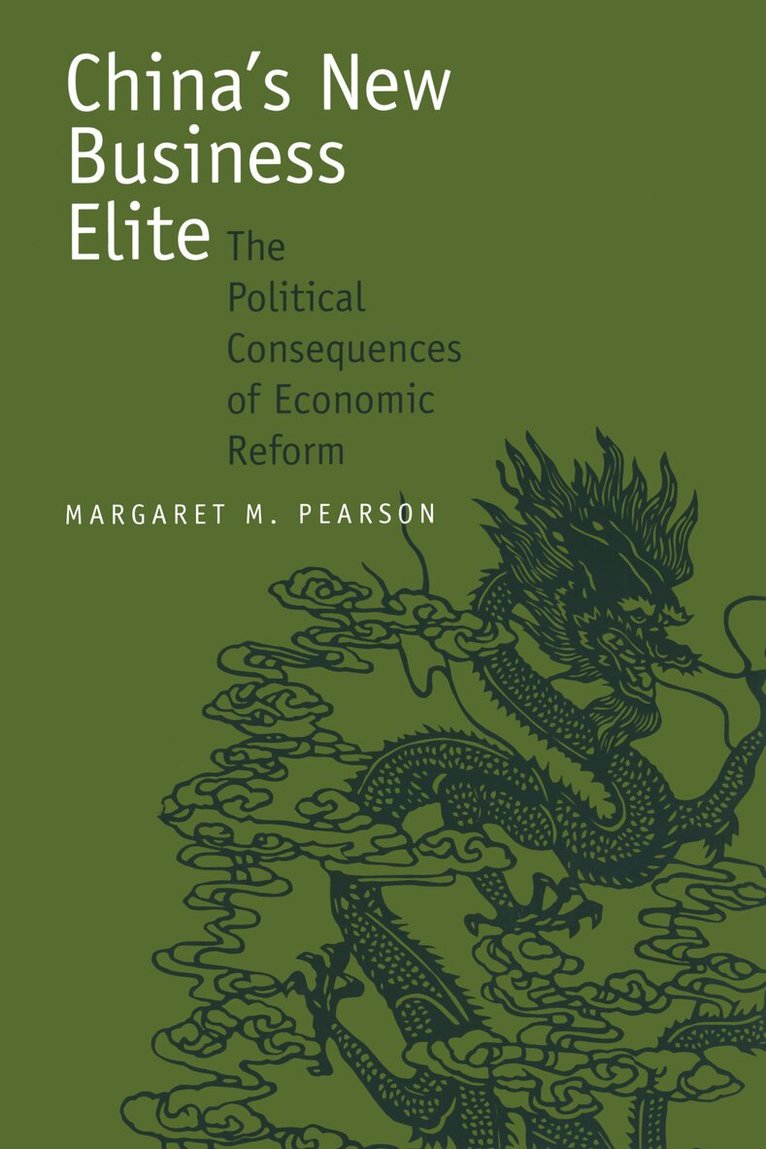
China's New Business Elite
The Political Consequences of Economic Reform
Häftad, 2000
400 kr
Lägg i varukorg
The transition from a planned to a market economy that began in China in the late 1970s unleashed an extraordinary series of changes, including increases in private enterprise, foreign investment, the standard of living, and corruption. Another result of economic reform has been the creation of a …
China's New Business Elite
The Political Consequences of Economic Reform
E-bok, 1997
458 kr
Lägg i varukorg
The transition from a planned to a market economy that began in China in the late 1970s unleashed an extraordinary series of changes, including increases in private enterprise, foreign investment, the standard of living, and corruption. Another result of economic reform has been the creation of a …
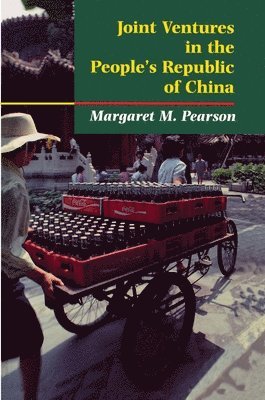
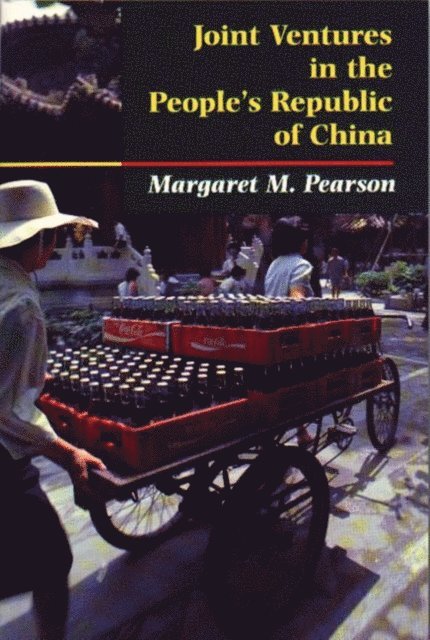
Joint Ventures in the People's Republic of China
The Control of Foreign Direct Investment under Socialism
Häftad, 1992
1508 kr
Lägg i varukorg
When Chinese leaders announced in late 1978 that China would "open to the outside world," they embarked on a strategy for attracting private foreign capital to spur economic development. At the same time, they were concerned about possible negative repercussions of this policy. Margaret Pearson …
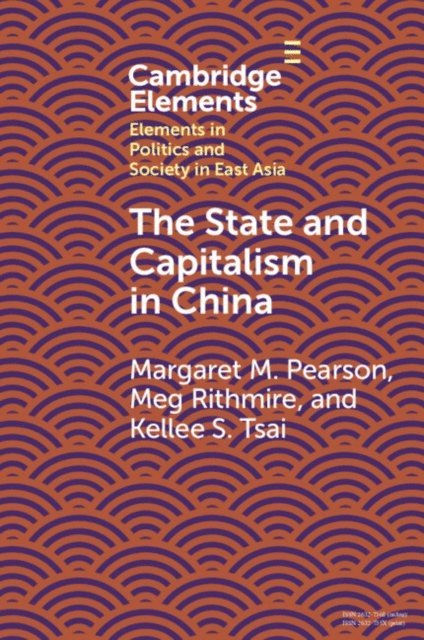
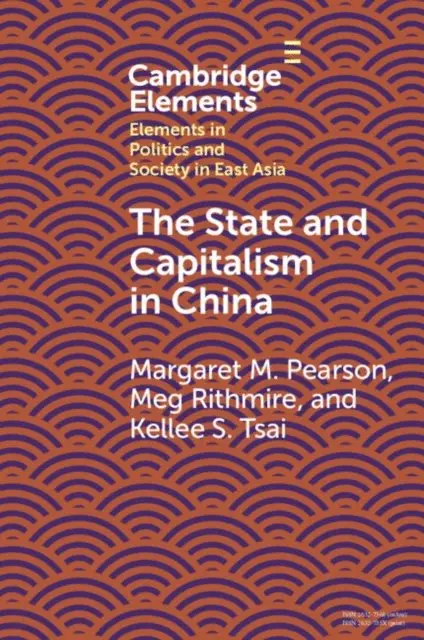
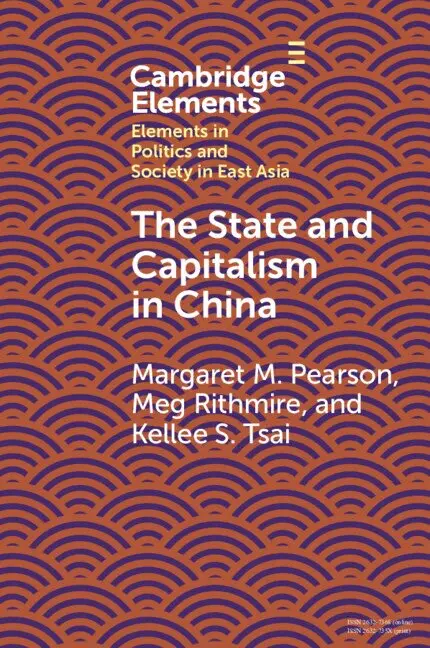
The State and Capitalism in China
Av Margaret M. Pearson, Meg Rithmire m. fl.
Häftad, 2023
369 kr
Lägg i varukorg
China's contemporary political economy features an emboldened role for the state as owner and regulator, and with markets expected to act in the service of party-state goals. How has the relationship between the state and different types of firms evolved? This Element situates China's reform-era …
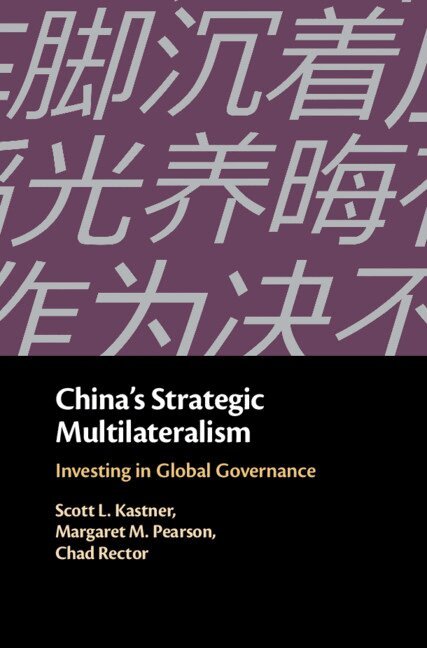
China's Strategic Multilateralism
Investing in Global Governance
Av Scott L. Kastner, Margaret M. Pearson m. fl.
Inbunden, 2018
1593 kr
Lägg i varukorg
China sometimes plays a leadership role in addressing global challenges, but at other times it free rides or even spoils efforts at cooperation. When will rising powers like China help to build and maintain international regimes that sustain cooperation on important issues, and when will they play …
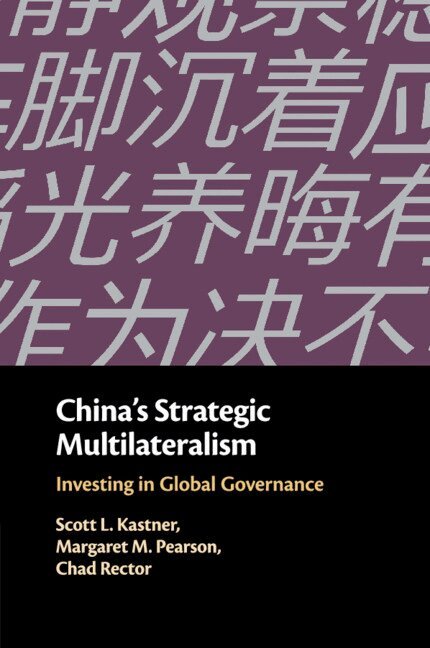
China's Strategic Multilateralism
Investing in Global Governance
Av Scott L. Kastner, Margaret M. Pearson m. fl.
Häftad, 2020
569 kr
Lägg i varukorg
China sometimes plays a leadership role in addressing global challenges, but at other times it free rides or even spoils efforts at cooperation. When will rising powers like China help to build and maintain international regimes that sustain cooperation on important issues, and when will they play …
Joint Ventures in the People's Republic of China
The Control of Foreign Direct Investment under Socialism
E-bok, 1992
1170 kr
Lägg i varukorg
When Chinese leaders announced in late 1978 that China would "open to the outside world," they embarked on a strategy for attracting private foreign capital to spur economic development. At the same time, they were concerned about possible negative repercussions of this policy. Margaret Pearson …