Kellee Tsai – författare
Visar alla böcker från författaren Kellee Tsai. Handla med fri frakt och snabb leverans.
6 produkter
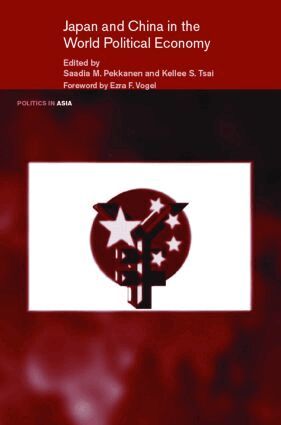
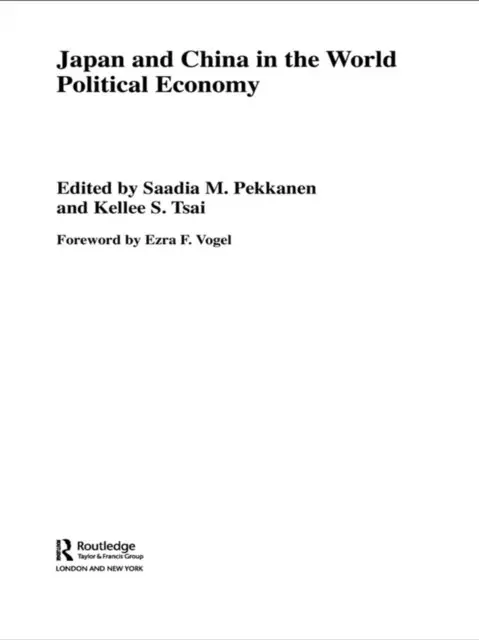
Japan and China in the World Political Economy
Av Saadia Pekkanen, Kellee Tsai
Inbunden, 2005
2515 kr
Lägg i varukorg
Two powers in East Asia today stand to define the region's economic and commercial future: Japan, which rose in a spectacular industrial burst to become at present the world's second largest economy; and China, which is rapidly advancing towards a market economy under the watchful eye of the world. …
Japan and China in the World Political Economy
Av Saadia Pekkanen, Kellee Tsai
Häftad, 2009
751 kr
Lägg i varukorg
Two powers in East Asia today stand to define the region's economic and commercial future: Japan, which rose in a spectacular industrial burst to become at present the world's second largest economy; and China, which is rapidly advancing towards a market economy under the watchful eye of the world. …
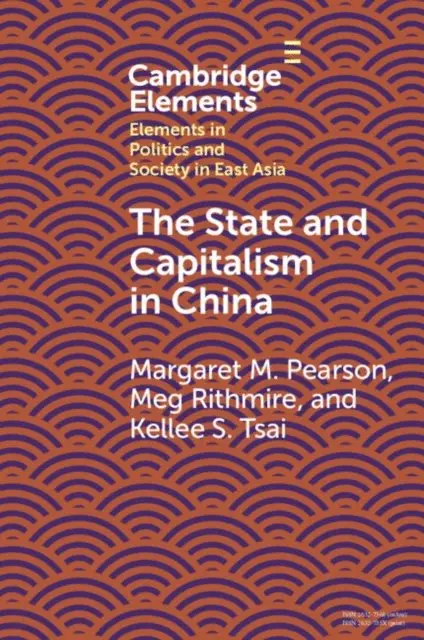
The State and Capitalism in China
Av Margaret M. Pearson, Meg Rithmire m. fl.
Häftad, 2023
369 kr
Lägg i varukorg
China's contemporary political economy features an emboldened role for the state as owner and regulator, and with markets expected to act in the service of party-state goals. How has the relationship between the state and different types of firms evolved? This Element situates China's reform-era …
Japan and China in the World Political Economy
Av Kellee Tsai, Saadia Pekkanen
E-bok, 2006
883 kr
Lägg i varukorg
Two powers in East Asia today stand to define the region''s economic and commercial future: Japan, which rose in a spectacular industrial burst to become at present the world''s second largest economy; and China, which is rapidly advancing towards a market economy under the watchful eye of the …
Japan and China in the World Political Economy
Av Kellee Tsai, Saadia Pekkanen
E-bok, 2006
864 kr
Lägg i varukorg
Two powers in East Asia today stand to define the region''s economic and commercial future: Japan, which rose in a spectacular industrial burst to become at present the world''s second largest economy; and China, which is rapidly advancing towards a market economy under the watchful eye of the …