María Antonia Garcés - Böcker
Visar alla böcker från författaren María Antonia Garcés. Handla med fri frakt och snabb leverans.
3 produkter
3 produkter
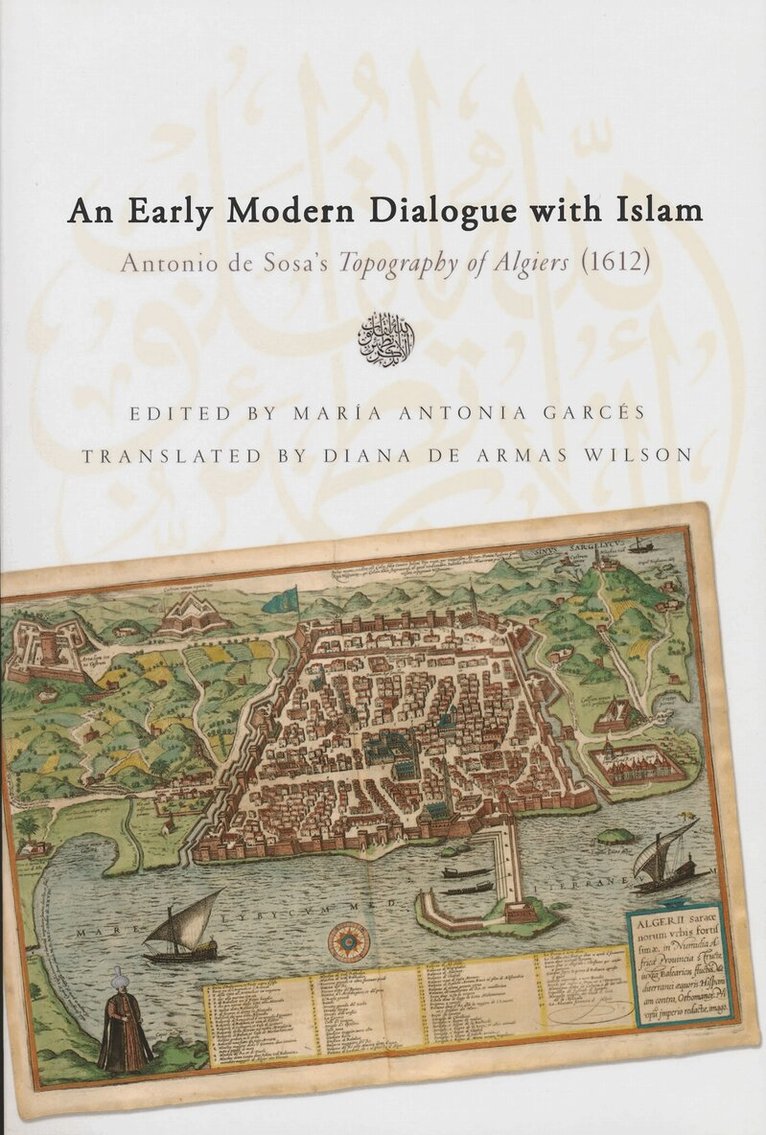
Early Modern Dialogue with Islam
Antonio De Sosa's Topography of Algiers (1612)
Häftad, Engelska, 2011
473 kr
Skickas inom 10-15 vardagar
An Early Modern Dialogue with Islam: Antonio de Sosa'sTopography of Algiers (1612) makes available in translation a riveting sixteenth-century chronicle of European and North African cultural contacts that is virtually unknown to English-speaking readers. The Topography was written by a Portuguese cleric, Doctor Antonio de Sosa, who was captured by Algerian corsairs in 1577 and held as a Barbary slave for over four years while awaiting ransom. Sosa's work is a fascinating description of a city at the crossroads of civilizations, with a sophisticated multilingual population of Turks, Arabs, Moriscos, Berbers, Jews, Christian captives, and converts to Islam from across the world.In the Topography of Algiers, Sosa meticulously describes the inhabitants' daily lives; their fashions, pastimes, feasts, and funerals; their government; the landmarks of the city itself; and much more. Readers will be struck by the vibrancy of his narrative, rendered into English with crisp accuracy by Diana de Armas Wilson. The Topography is a treasure trove of amazing customs, startling behavior, and historical anecdotes that will enthrall readers. The extensive introduction by María Antonia Garcés is a superb archival study of the Mediterranean world described by the Topography, as well as an exposé of the adventurous, even scandalous, life of its author. The introduction also discusses the fraudulent publication of Sosa's Topography under another man's name.Sosa's chronicle stands out for its complexity, vitality, and the sharpness of the author's ethnographic vision. No other account of captivity in this period offers such a detailed and dynamic tableau of Algerian society at the end of the sixteenth century.
1 200 kr
Skickas inom 5-8 vardagar
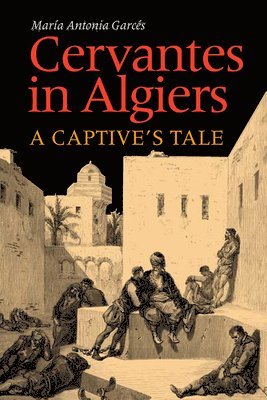
Returning to Spain after fighting in the Battle of Lepanto and other Mediterranean campaigns against the Turks, the soldier Miguel de Cervantes was captured by Barbary pirates and taken captive to Algiers. The five years he spent in the Algerian bagnios or prison-houses (1575-1580) made an indelible impression on his works. From the first plays and narratives written after his release to his posthumous novel, the story of Cervantes's traumatic experience continuously speaks through his writings. This text offers a comprehensive view of his life as a slave and, particularly, of the lingering effects this traumatic experience had on his literary production.
658 kr
Skickas inom 5-8 vardagar
Returning to Spain after fighting in the Battle of Lepanto and other Mediterranean campaigns against the Turks, the soldier Miguel de Cervantes was captured by Barbary pirates and taken captive to Algiers. The five years he spent in the Algerian bagnios or prison-houses (1575-1580) made an indelible impression on his works. From the first plays and narratives written after his release to his posthumous novel, the story of Cervantes's traumatic experience continuously speaks through his writings. Cervantes in Algiers offers a comprehensive view of his life as a slave and, particularly, of the lingering effects this traumatic experience had on his literary production.No work has documented in such vivid and illuminating detail the socio-political world of sixteenth-century Algiers, Cervantes's life in the prison-house, his four escape attempts, and the conditions of his final ransom. Garces's portrait of a sophisticated multi-ethnic culture in Algiers, moreover, is likely to open up new discussions about early modern encounters between Christians and Muslims. By bringing together evidence from many different sources, historical and literary, Garces reconstructs the relations between Christians, Muslims, and renegades in a number of Cervantes's writings.The idea that survivors of captivity need to repeat their story in order to survive (an insight invoked from Coleridge to Primo Levi to Dori Laub) explains not only Cervantes's storytelling but also the book that theorizes it so compellingly. As a former captive herself (a hostage of Colombian guerrillas), the author reads and listens to Cervantes with another ear.