Maria Beville – författare
Visar alla böcker från författaren Maria Beville. Handla med fri frakt och snabb leverans.
6 produkter
6 produkter
732 kr
Skickas inom 10-15 vardagar
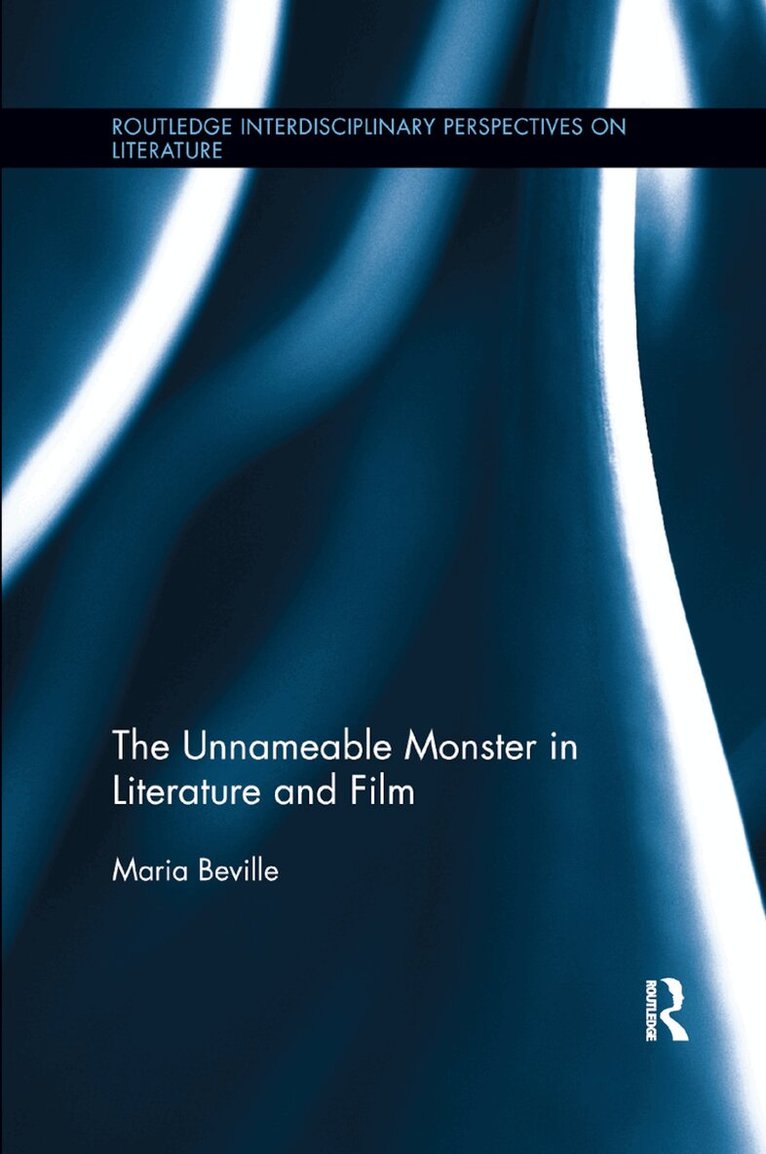
This book visits the 'Thing' in its various manifestations as an unnameable monster in literature and film, reinforcing the idea that the very essence of the monster is its excess and its indeterminacy. Tied primarily to the artistic modes of the gothic, science fiction, and horror, the unnameable monster retains a persistent presence in literary forms as a reminder of the sublime object that exceeds our worst fears. Beville examines various representations of this elusive monster and argues that we must looks at the monster, rather than through it, at ourselves. As such, this book responds to the obsessive manner in which the monsters of literature and culture are ‘managed’ in processes of classification and in claims that they serve a social function by embodying all that is horrible in the human imagination. The book primarily considers literature from the Romantic period to the present, and film that leans toward postmodernism. Incorporating disciplines such as cultural theory, film theory, literary criticism, and continental philosophy, it focuses on that most difficult but interesting quality of the monster, its unnameability, in order to transform and accelerate current readings of not only the monsters of literature and film, but also those that are the focus of contemporary theoretical discussion.
2 685 kr
Skickas inom 10-15 vardagar
This book visits the 'Thing' in its various manifestations as an unnameable monster in literature and film, reinforcing the idea that the very essence of the monster is its excess and its indeterminacy. Tied primarily to the artistic modes of the gothic, science fiction, and horror, the unnameable monster retains a persistent presence in literary forms as a reminder of the sublime object that exceeds our worst fears. Beville examines various representations of this elusive monster and argues that we must looks at the monster, rather than through it, at ourselves. As such, this book responds to the obsessive manner in which the monsters of literature and culture are ‘managed’ in processes of classification and in claims that they serve a social function by embodying all that is horrible in the human imagination. The book primarily considers literature from the Romantic period to the present, and film that leans toward postmodernism. Incorporating disciplines such as cultural theory, film theory, literary criticism, and continental philosophy, it focuses on that most difficult but interesting quality of the monster, its unnameability, in order to transform and accelerate current readings of not only the monsters of literature and film, but also those that are the focus of contemporary theoretical discussion.
766 kr
Skickas inom 10-15 vardagar
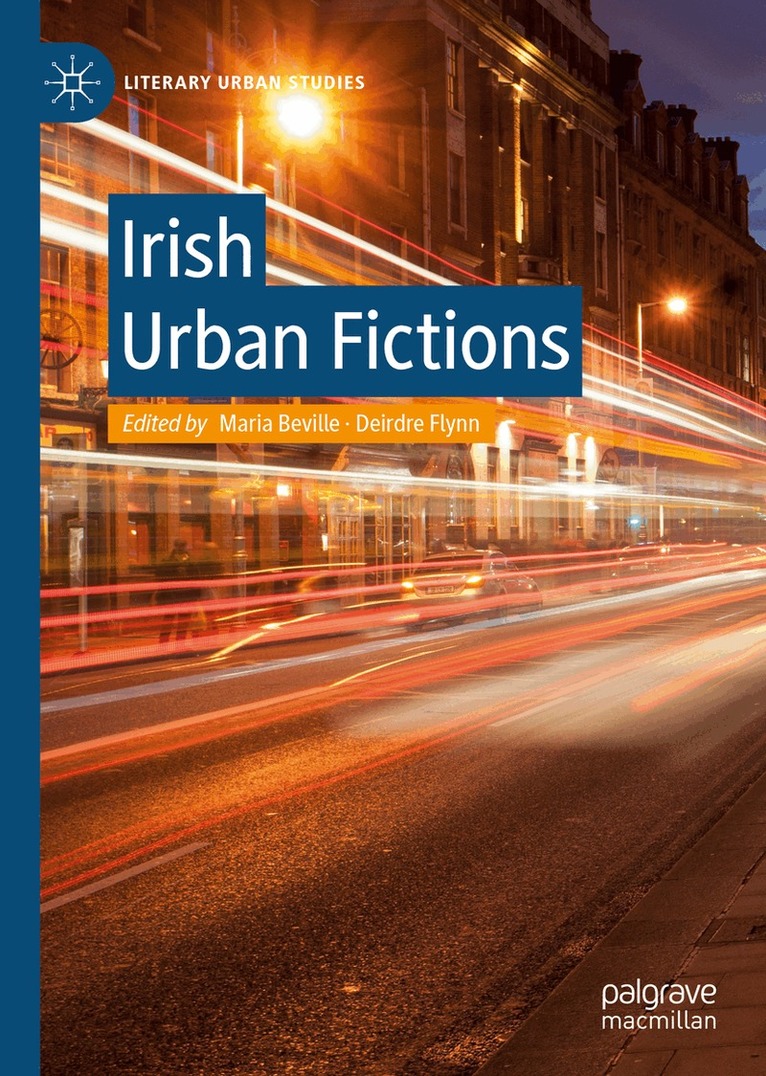
This collection is the first to examine how the city is written in modern Irish fiction. Focusing on the multi-faceted, layered, and ever-changing topography of the city in Irish writing, it brings together studies of Irish and Northern Irish fictions which contribute to a more complete picture of modern Irish literature and Irish urban cultural identities. It offers a critical introduction to the Irish city as it represented in fiction as a plural space to mirror the plurality of contemporary Irish identities north and south of the border. The chapters combine to provide a platform for new research in the field of Irish urban literary studies, including analyses of the fiction of authors including James Joyce, Roddy Doyle, Kate O’Brien, Hugo Hamilton, Kevin Barry, and Rosemary Jenkinson. An exciting and diverse range of fictions is introduced and examined with the aim of generating a cohesive perspective on Irish urban fictions and to stimulate further discussion in this emerging area.
1 175 kr
Skickas inom 10-15 vardagar
Focusing on the multi-faceted, layered, and ever-changing topography of the city in Irish writing, it brings together studies of Irish and Northern Irish fictions which contribute to a more complete picture of modern Irish literature and Irish urban cultural identities.
651 kr
Skickas inom 5-8 vardagar
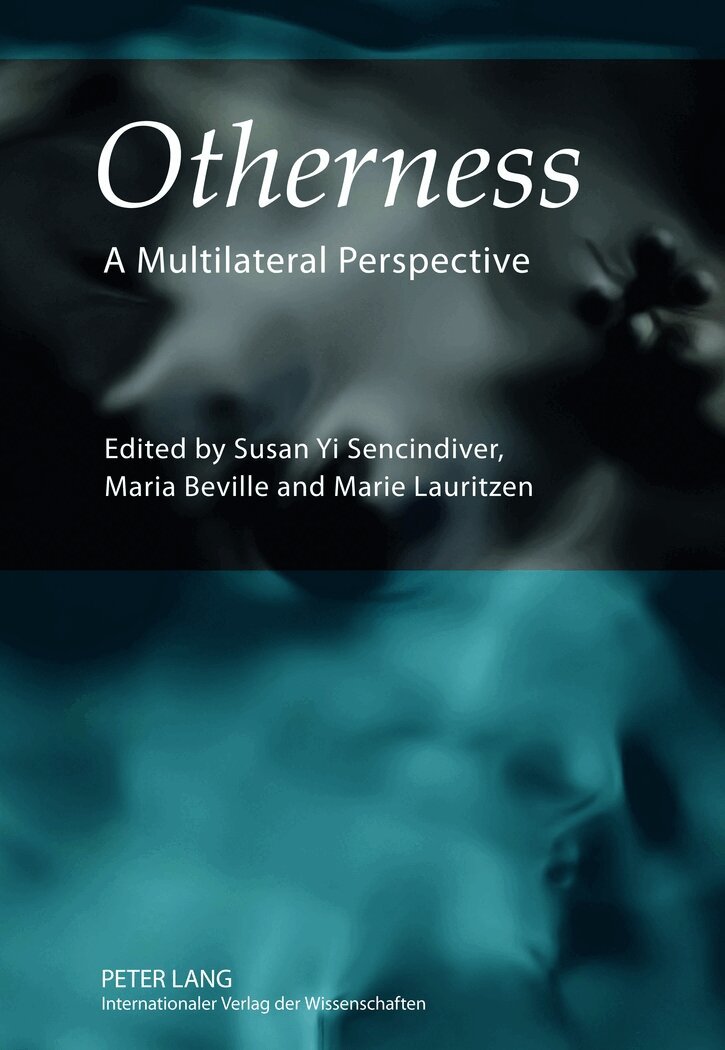
In recent decades, theoretical and critical studies have oscillated between, on the one hand, wrestling otherness from a condition in which it is dependent on and defined relative to the notion of the same and, on the other hand, pursuing an approach to sameness and universality uncontaminated by otherness. Yet these concepts continuously prove mutually dependent. Together, they constitute a dynamic and productive tension which this book addresses. Inquiring into the representations and nature of self-other relationships in art, literature and culture, the chapters are written in and to a contemporary world struggling with the critical question of otherness and its present-day status. Given the complexity and multidimensional nature of otherness, a multilateral focus is called for and so this collection of selected essays brings together a range of scholarly disciplines and inquiries to engage in a multilateral discussion of otherness.
Del 43 - Postmodern Studies
Gothic-postmodernism
Voicing the Terrors of Postmodernity
Häftad, Engelska, 2009
1 170 kr
Tillfälligt slut
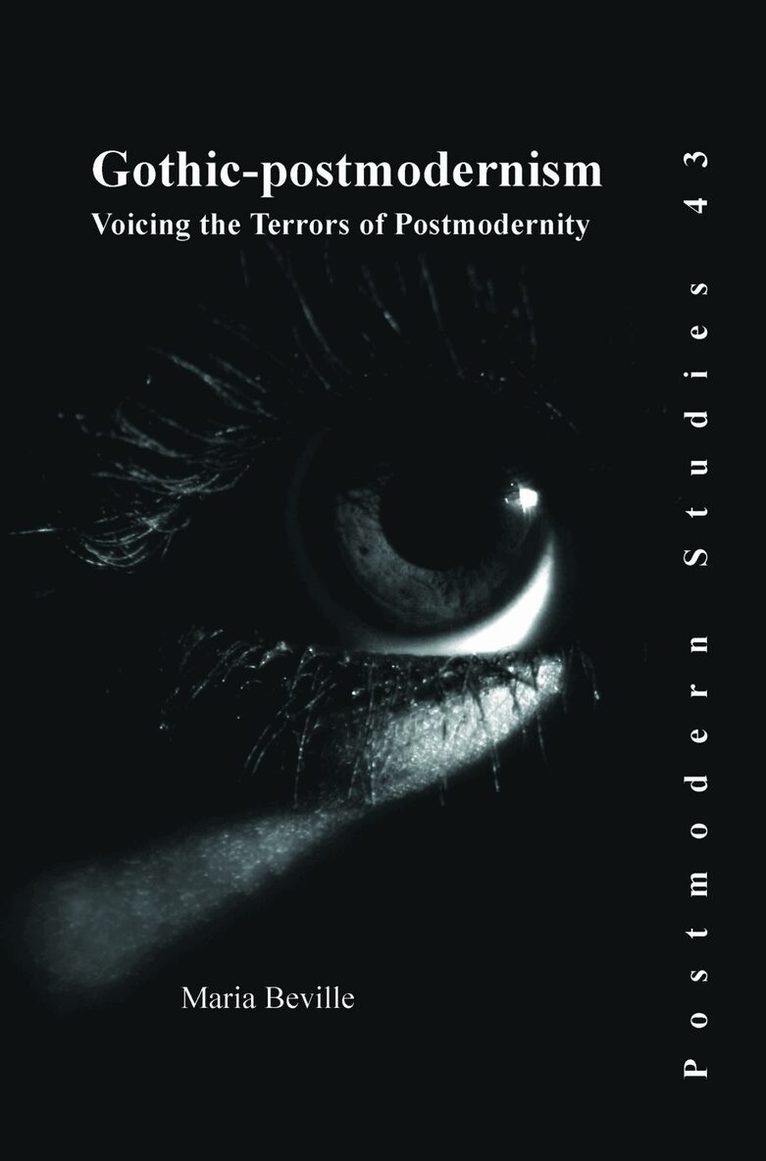
Being the first to outline the literary genre, Gothic-postmodernism, this book articulates the psychological and philosophical implications of terror in postmodernist literature, analogous to the terror of the Gothic novel, uncovering the significance of postmodern recurrences of the Gothic, and identifying new historical and philosophical aspects of the genre.While many critics propose that the Gothic has been exhausted, and that its significance is depleted by consumer society’s obsession with instantaneous horror, analyses of a number of terror-based postmodernist novels here suggest that the Gothic is still very much animated in Gothic-postmodernism. These analyses observe the spectral characters, doppelgangers, hellish waste lands and the demonised or possessed that inhabit texts such as Paul Auster’s City of Glass, Salman Rushdie’s The Satanic Verses and Bret Easton Ellis’s Lunar Park.However, it is the deeper issue of the lingering emotion of terror as it relates to loss of reality and self, and to death, that is central to the study; a notion of ‘terror’ formulated from the theories of continental philosophers and contemporary cultural theorists. With a firm emphasis on the sublime and the unrepresentable as fundamental to this experience of terror; vital to the Gothic genre; and central to the postmodern experience, this study offers an insightful and concise definition of Gothic-postmodernism. It firmly argues that ‘terror’ (with all that it involves) remains a connecting and potent link between the Gothic and postmodernism: two modes of literature that together offer a unique voicing of the unspeakable terrors of postmodernity.