Maria Cristina Galmarini - Böcker
Visar alla böcker från författaren Maria Cristina Galmarini. Handla med fri frakt och snabb leverans.
5 produkter
5 produkter
704 kr
Skickas inom 10-15 vardagar
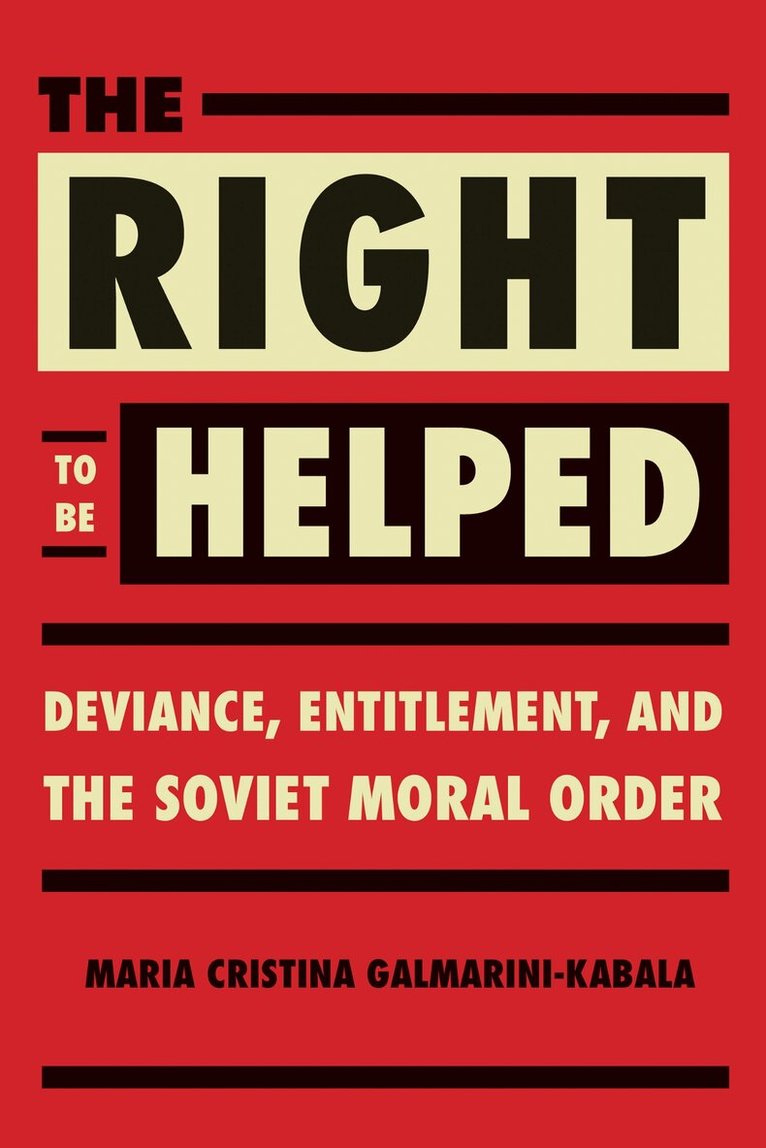
"Doesn't an educated person—simple and working, sick and with a sick child—doesn't she have the right to enjoy at least the crumbs at the table of the revolutionary feast?" Disabled single mother Maria Zolotova-Sologub raised this question in a petition dated July 1929 demanding medical assistance and a monthly subsidy for herself and her daughter. While the welfare of able-bodied and industrially productive people in the first socialist country in the world was protected by a state-funded insurance system, the social rights of labor-incapacitated and unemployed individuals such as Zolotova-Sologub were difficult to define and legitimize. The Right to Be Helped illuminates the ways in which marginalized members of Soviet society understood their social rights and articulated their moral expectations regarding the socialist state between 1917 and 1950.Maria Galmarini-Kabala shows how definitions of state assistance and who was entitled to it provided a platform for policymakers and professionals to engage in heated debates about disability, gender, suffering, and productive and reproductive labor. She explores how authorities and experts reacted to requests for support, arguing that responses were sometimes characterized by an enlightened nature and other times by coercive discipline, but most frequently by a combination of the two. By focusing on the experiences of behaviorally problematic children, unemployed single mothers, and blind and deaf adults in several major urban centers, this important study shows that the dialogue over the right to be helped was central to defining the moral order of Soviet socialism. It will appeal to scholars and students of Russian history, as well as those interested in comparative disabilities and welfare studies.
376 kr
Skickas inom 10-15 vardagar
"Doesn't an educated person—simple and working, sick and with a sick child—doesn't she have the right to enjoy at least the crumbs at the table of the revolutionary feast?" Disabled single mother Maria Zolotova-Sologub raised this question in a petition dated July 1929 demanding medical assistance and a monthly subsidy for herself and her daughter. While the welfare of able-bodied and industrially productive people in the first socialist country in the world was protected by a state-funded insurance system, the social rights of labor-incapacitated and unemployed individuals such as Zolotova-Sologub were difficult to define and legitimize. The Right to Be Helped illuminates the ways in which marginalized members of Soviet society understood their social rights and articulated their moral expectations regarding the socialist state between 1917 and 1950.Maria Galmarini-Kabala shows how definitions of state assistance and who was entitled to it provided a platform for policymakers and professionals to engage in heated debates about disability, gender, suffering, and productive and reproductive labor. She explores how authorities and experts reacted to requests for support, arguing that responses were sometimes characterized by an enlightened nature and other times by coercive discipline, but most frequently by a combination of the two. By focusing on the experiences of behaviorally problematic children, unemployed single mothers, and blind and deaf adults in several major urban centers, this important study shows that the dialogue over the right to be helped was central to defining the moral order of Soviet socialism. It will appeal to scholars and students of Russian history, as well as those interested in comparative disabilities and welfare studies.
695 kr
Skickas inom 10-15 vardagar
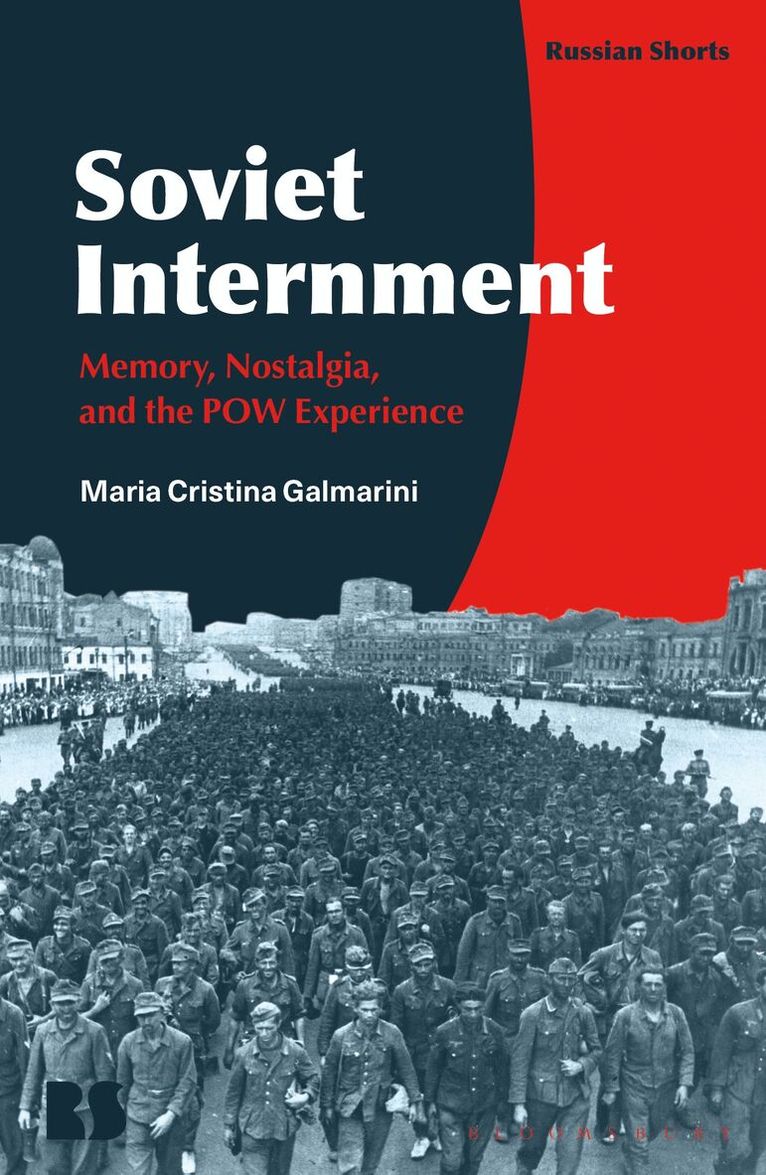
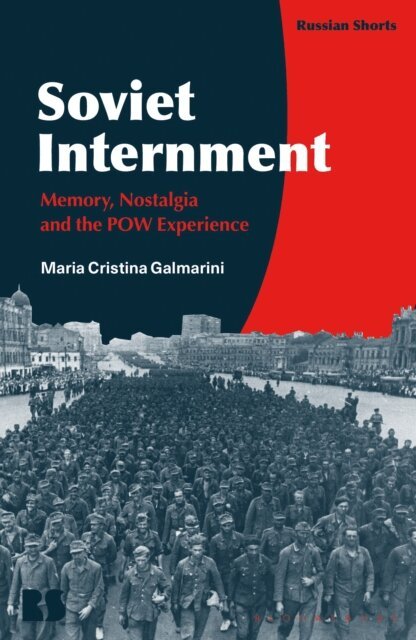
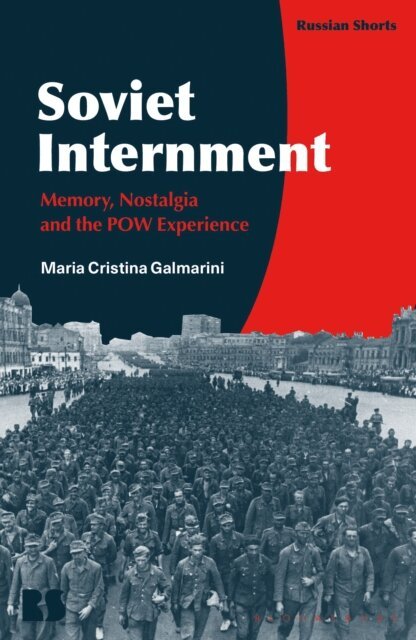
Using a microhistory based on a unique set of life-writing sources, this book provides an unparalleled insight into the Soviet POW experience during the Second World War. It reconstructs key moments in the life of former Italian POW Umberto Montini, who was captured by the Soviet Army in 1942, interned in a prisoners’ hospital in Mordovia, and then repatriated to Italy in 1945.Through an analysis of Umberto’s copious life-writings, Soviet Internment examines the testimony of a surviving WWII prisoner, whose memories were haunted by the fury of war and whose body carried deep physical and emotional traces but who nonetheless felt a nostalgic attachment to his place of internment. The book brings theoretical questions about memory, trauma, and European people’s political trajectories into sustained contact with an individual’s specific experience, organically prompting a reconsideration of key 20th-century events in the process.
236 kr
Skickas inom 7-10 vardagar
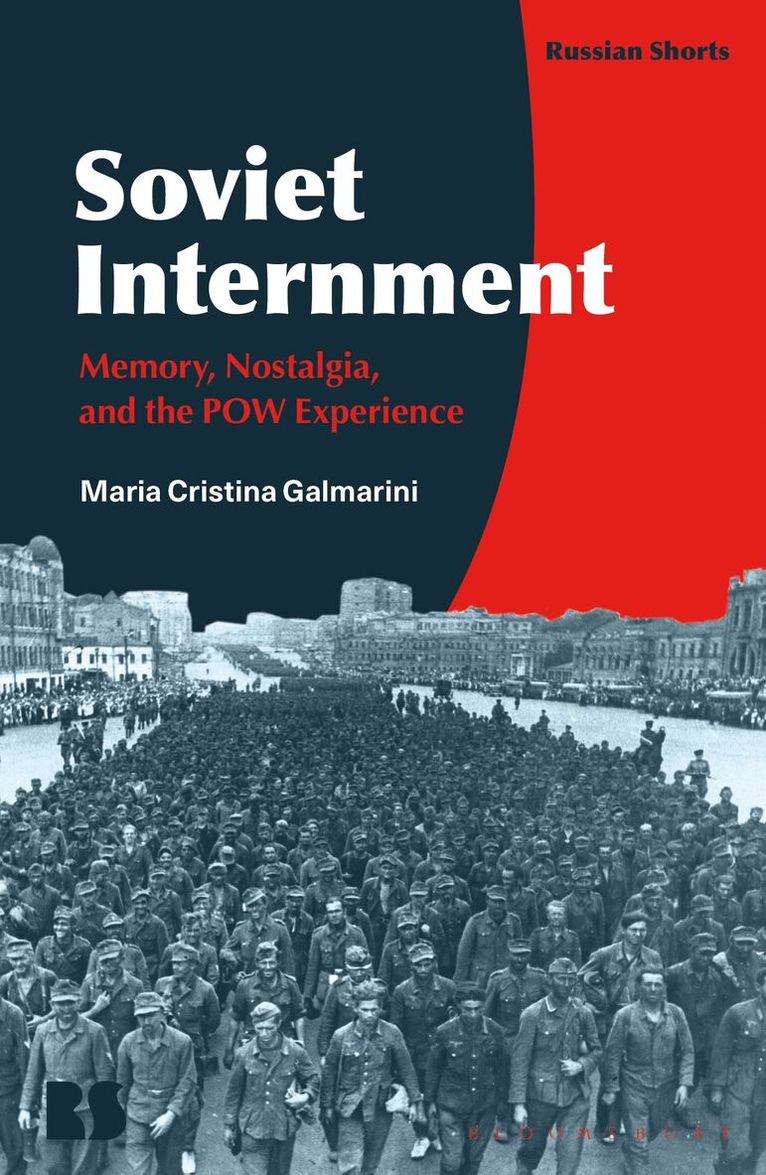
Using a microhistory based on a unique set of life-writing sources, this book provides an unparalleled insight into the Soviet POW experience during the Second World War. It reconstructs key moments in the life of former Italian POW Umberto Montini, who was captured by the Soviet Army in 1942, interned in a prisoners’ hospital in Mordovia, and then repatriated to Italy in 1945.Through an analysis of Umberto’s copious life-writings, Soviet Internment examines the testimony of a surviving WWII prisoner, whose memories were haunted by the fury of war and whose body carried deep physical and emotional traces but who nonetheless felt a nostalgic attachment to his place of internment. The book brings theoretical questions about memory, trauma, and European people’s political trajectories into sustained contact with an individual’s specific experience, organically prompting a reconsideration of key 20th-century events in the process.
Ambassadors of Social Progress
A History of International Blind Activism in the Cold War
Inbunden, Engelska, 2024
691 kr
Skickas inom 10-15 vardagar
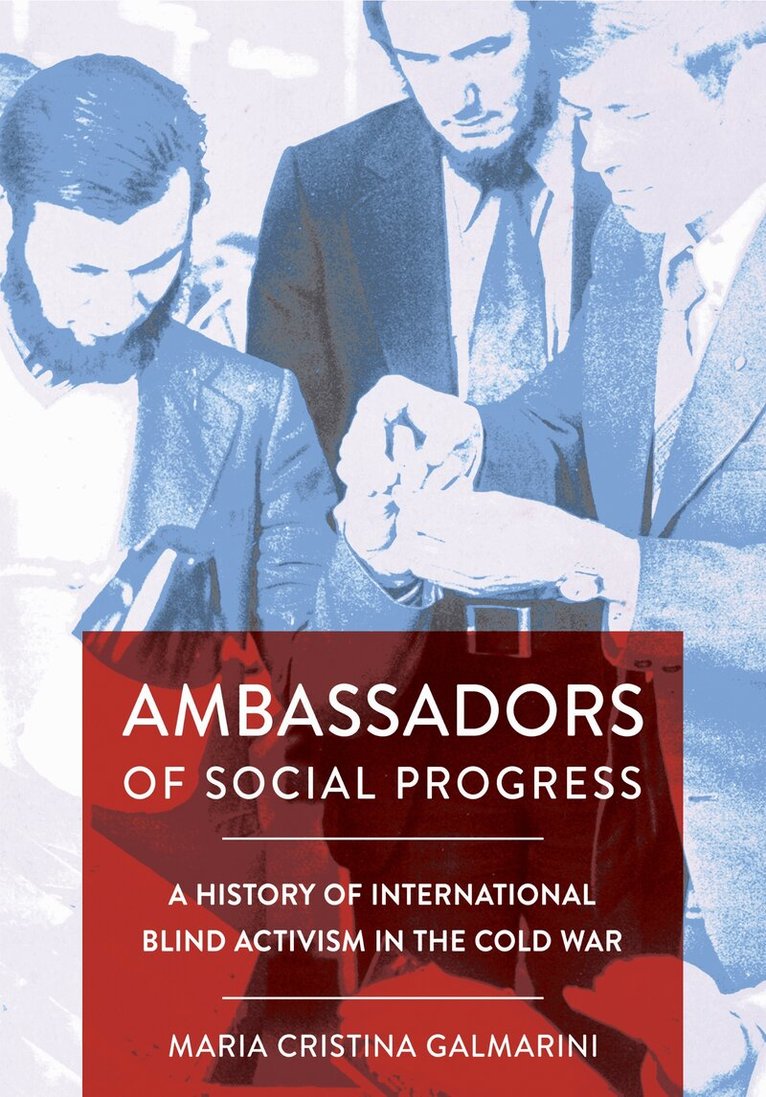
Ambassadors of Social Progress examines the ways in which blind activists from the Soviet Union and Eastern Europe entered the postwar international disability movement and shaped its content and its course. Maria Cristina Galmarini shows that the international work of socialist blind activists was defined by the larger politics of the Cold War and, in many respects, represented a field of competition with the West in which the East could shine. Yet, her study also reveals that socialist blind politics went beyond propaganda. When socialist activists joined the international blind movement, they initiated an exchange of experiences that profoundly impacted everyone involved. Not only did the international blind movement turn global disability welfare from philanthropy to self-advocacy, but it also gave East European and Soviet activists a new set of ideas and technologies to improve their own national movements. By analyzing the intersection of disability and politics, Ambassadors of Social Progress enables a deeper, bottom-up understanding of cultural relations during the Cold War. Galmarini significantly contributes to the little-studied history of disability in socialist Europe, and ultimately shows that disability activism did not start as an import from the West in the post-1989 period, but rather had a long and meaningful tradition that was rooted in the socialist system of welfare and needed to be reinvented when this system fell apart.