Maria de los Angeles Torres – författare
Visar alla böcker från författaren Maria de los Angeles Torres. Handla med fri frakt och snabb leverans.
7 produkter
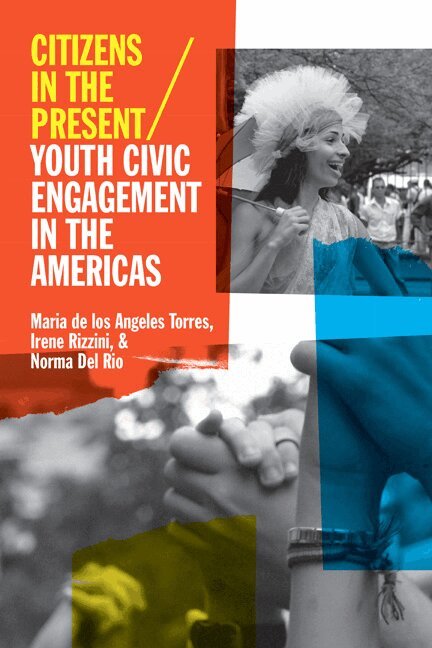
Citizens in the Present
Youth Civic Engagement in the Americas
Av Maria de los Angeles Torres, Irene Rizzini m. fl.
Häftad, 2013
342 kr
Lägg i varukorg
Although media coverage often portrays young people in urban areas as politically apathetic or disruptive, this book provides an antidote to such views through narratives of dedicated youth civic engagement and leadership in Chicago, Mexico City, and Rio de Janeiro. This innovative comparative …
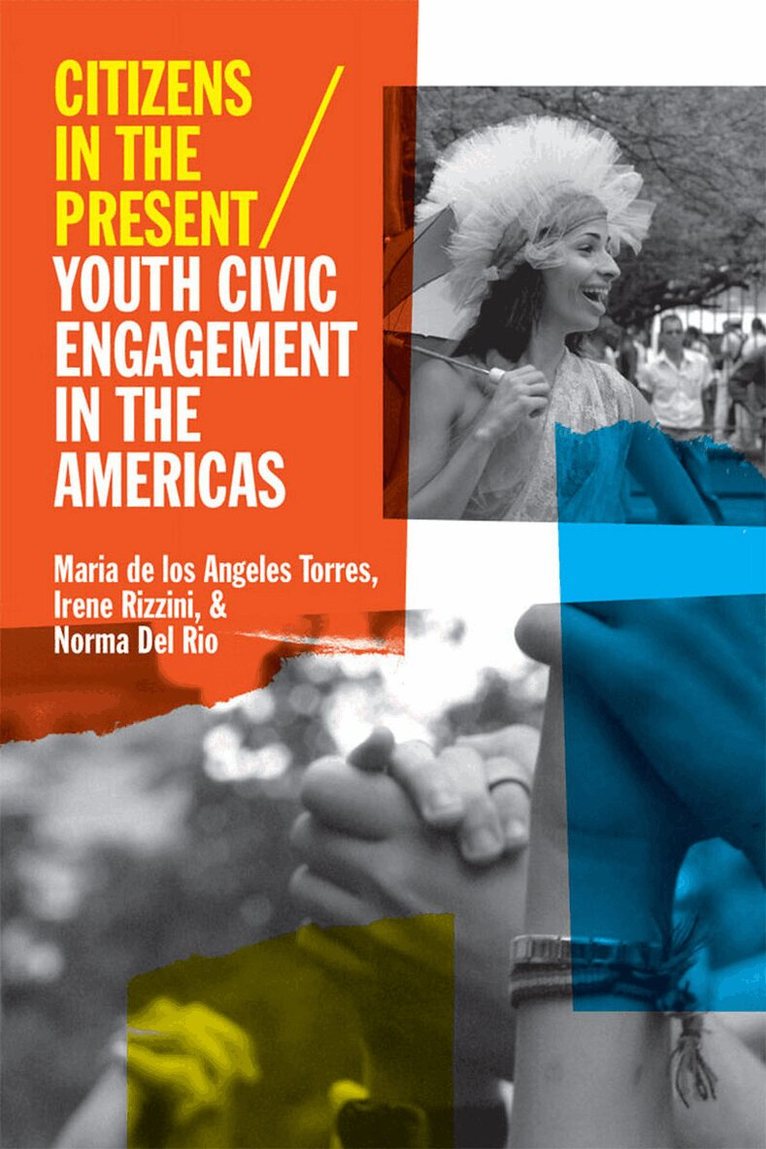
Citizens in the Present
Youth Civic Engagement in the Americas
Av Maria de los Angeles Torres, Irene Rizzini m. fl.
E-bok, 2013
568 kr
Lägg i varukorg
Although media coverage often portrays young people in urban areas as politically apathetic or disruptive, this book provides an antidote to such views through narratives of dedicated youth civic engagement and leadership in Chicago, Mexico City, and Rio de Janeiro. This innovative comparative …
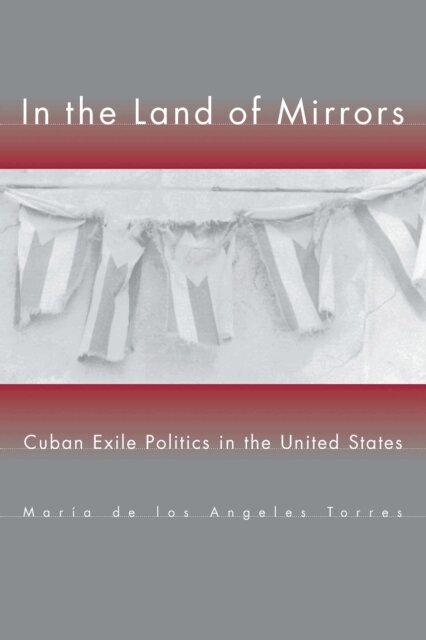
In the Land of Mirrors
Cuban Exile Politics in the United States
Av Maria de los Angeles Torres
E-bok, 2010
606 kr
Lägg i varukorg
In the Land of Mirrors is a journey through the politics of Cuban exiles since the 1959 Cuban Revolution. It explores the development of Cuban exile politics and identity within a context of U.S. and Cuban realities, as well as within the broader inquiry of the changing nature of nation-states and …
In the Land of Mirrors
Cuban Exile Politics in the United States
Av Maria de los Angeles Torres
Häftad, 2001
384 kr
Lägg i varukorg
In the Land of Mirrors is a journey through the politics of Cuban exiles since the 1959 Cuban Revolution. It explores the development of Cuban exile politics and identity within a context of U.S. and Cuban realities, as well as within the broader inquiry of the changing nature of nation-states and …
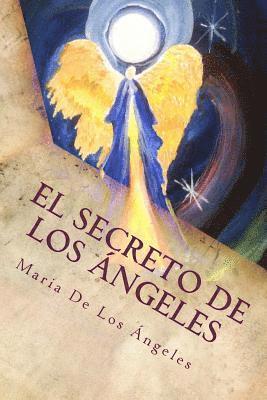
El Secreto de los Angeles: Una Vida Angelical
Av Maria de Los Angeles Torres
Häftad
365 kr
Lägg i varukorg
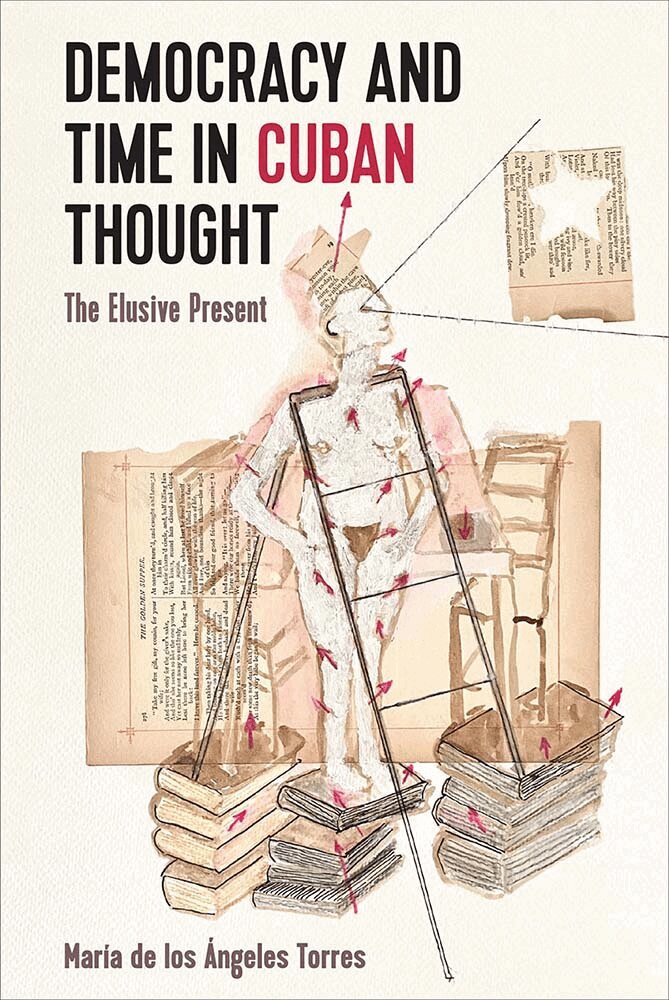
Democracy and Time in Cuban Thought
The Elusive Present
Av María de los Ángeles Torres
Inbunden, 2024
998 kr
Lägg i varukorg
In this fascinating analysis of political discourse in Cuban culture, María de los Ángeles Torres focuses on how the concept of time has been employed by different political projects. While the past and future are often evoked in rhetoric associated with authoritarianism, Torres argues, an emphasis …
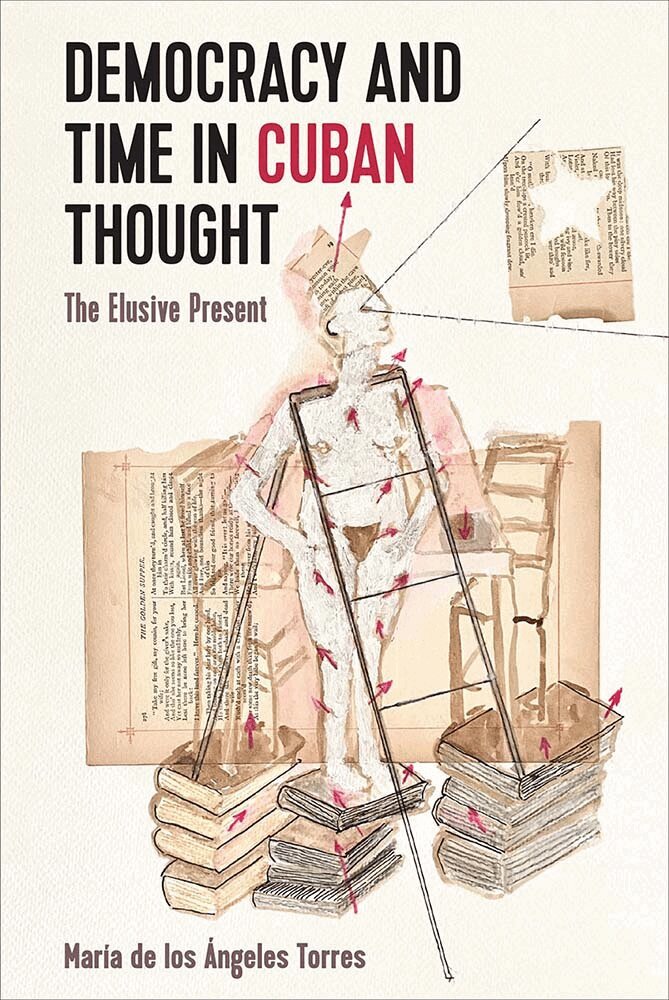
Democracy and Time in Cuban Thought
The Elusive Present
Av María de los Ángeles Torres
Häftad, 2024
401 kr
Lägg i varukorg
In this fascinating analysis of political discourse in Cuban culture, María de los Ángeles Torres focuses on how the concept of time has been employed by different political projects. While the past and future are often evoked in rhetoric associated with authoritarianism, Torres argues, an emphasis …