María Elena de Valdés – författare
Visar alla böcker från författaren María Elena de Valdés. Handla med fri frakt och snabb leverans.
4 produkter
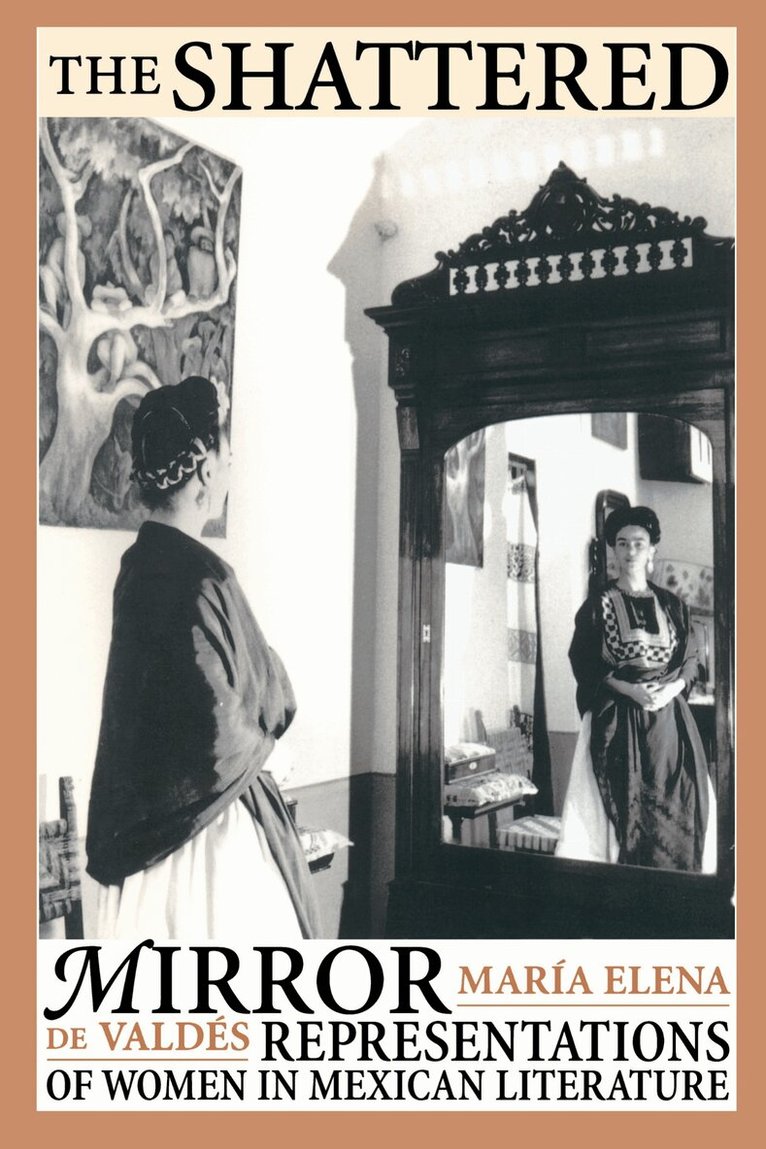
Shattered Mirror
Representations of Women in Mexican Literature
Häftad, 1998
380 kr
Lägg i varukorg
Popular images of women in Mexico-conveyed through literature and, more recently, film and television-were long restricted to either the stereotypically submissive wife and mother or the demonized fallen woman. But new representations of women and their roles in Mexican society have shattered the …
Unamuno Source Book
A Catalogue of Readings and Acquisitions with an Introductary Essay on Unamuno's Dialectical Enquiry
Av Mario Valdes, Maria Elena de Valdes
E-bok, 1973
642 kr
Lägg i varukorg
Miguel de Unamuno (d. 1936), one of the most influential of modern Spanish writers and thinkers, has been described as Spain’s richest mind of the twentieth century. This book provides a bibliography of the approximately 5,700 books in his private library in Salamanca and includes most of his …
Unamuno Source Book
A Catalogue of Readings and Acquisitions with an Introductary Essay on Unamuno's Dialectical Enquiry
Av Mario Valdes, Maria Elena de Valdes
Häftad, 1973
505 kr
Lägg i varukorg
Miguel de Unamuno (d. 1936), one of the most influential of modern Spanish writers and thinkers, has been described as Spain’s richest mind of the twentieth century. This book provides a bibliography of the approximately 5,700 books in his private library in Salamanca and includes most of his …
Approaches to Teaching Garcia Marquez's One Hundred Years of Solitude
Häftad, 1990
453 kr
Tillfälligt slut
Now at seventy-three volumes, this popular MLA series (ISSN 1059-1133) addresses a broad range of literary texts. Each volume surveys teaching aids and critical material and brings together essays that apply a variety of perspectives to teaching the text. Upper-level undergraduate and graduate …