Maria-Luisa Escobar - Böcker
Visar alla böcker från författaren Maria-Luisa Escobar. Handla med fri frakt och snabb leverans.
3 produkter
3 produkter
310 kr
Skickas inom 10-15 vardagar
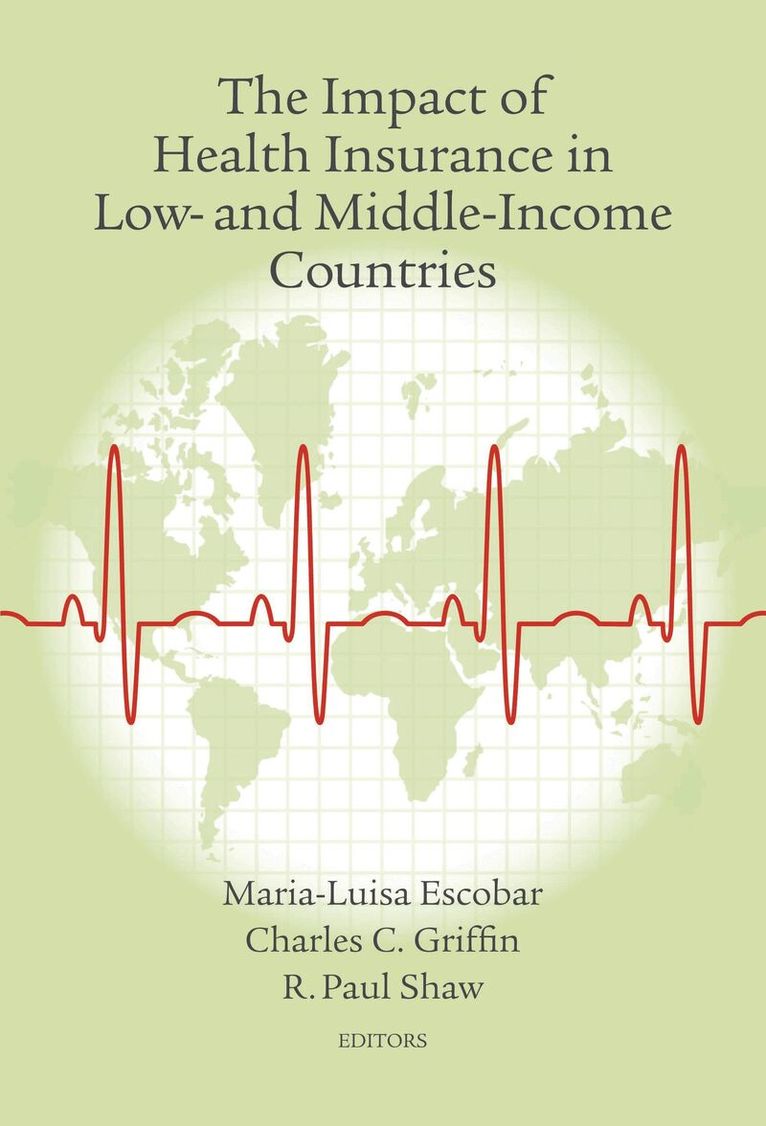
Over the past twenty years, many low- and middle-income countries have experimented with health insurance options. While their plans have varied widely in scale and ambition, their goals are the same: to make health services more affordable through the use of public subsidies while also moving care providers partially or fully into competitive markets.Colombia embarked in 1993 on a fifteen-year effort to cover its entire population with insurance, in combination with greater freedom to choose among providers. A decade later Mexico followed suit with a program tailored to its federal system. Several African nations have introduced new programs in the past decade, and many are testing options for reform. For the past twenty years, Eastern Europe has been shifting from government-run care to insurance-based competitive systems, and both China and India have experimental programs to expand coverage. These nations are betting that insurance-based health care financing can increase the accessibility of services, increase providers' productivity, and change the population's health care use patterns, mirroring the development of health systems in most OECD countries.Until now, however, we have known little about the actual effects of these dramatic policy changes. Understanding the impact of health insurancebased care is key to the public policy debate of whether to extend insurance to low-income populationsand if so, how to do itor to serve them through other means.Using recent household data, this book presents evidence of the impact of insurance programs in China, Colombia, Costa Rica, Ghana, Indonesia, Namibia, and Peru. The contributors also discuss potential design improvements that could increase impact. They provide innovative insights on improving the evaluation of health insurance reforms and on building a robust knowledge base to guide policy as other countries tackle the health insurance challenge.
1 578 kr
Skickas inom 10-15 vardagar
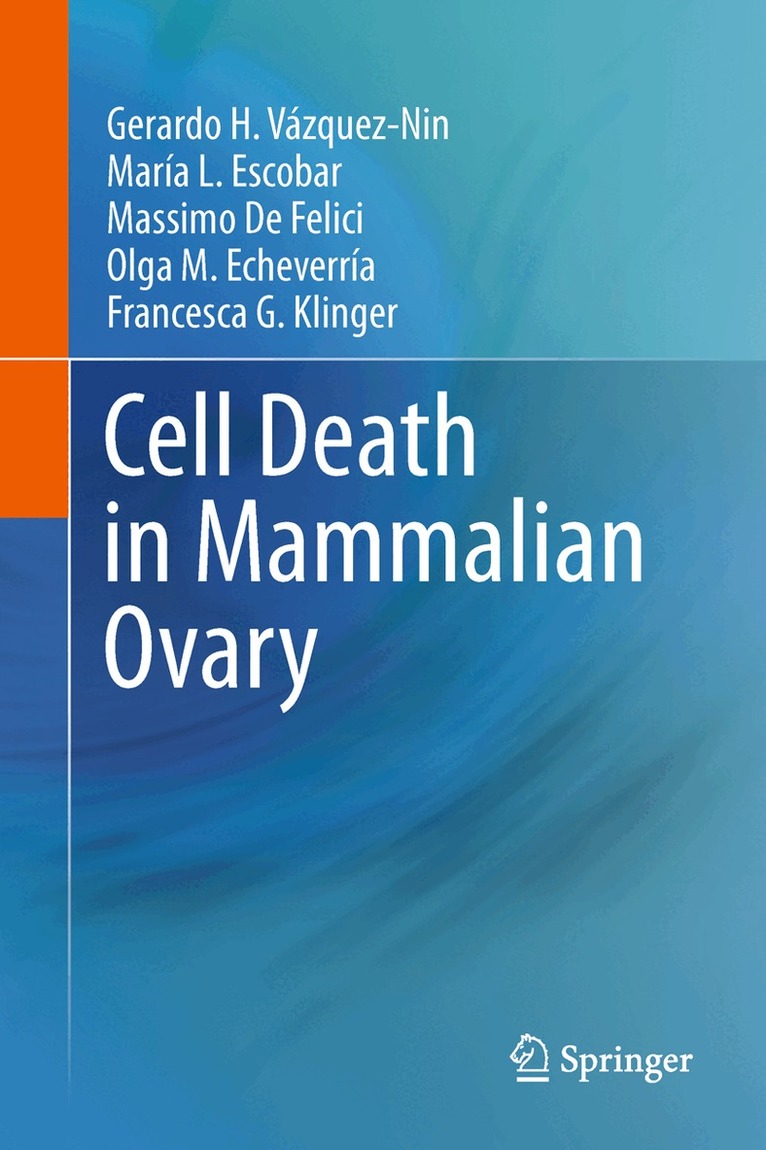
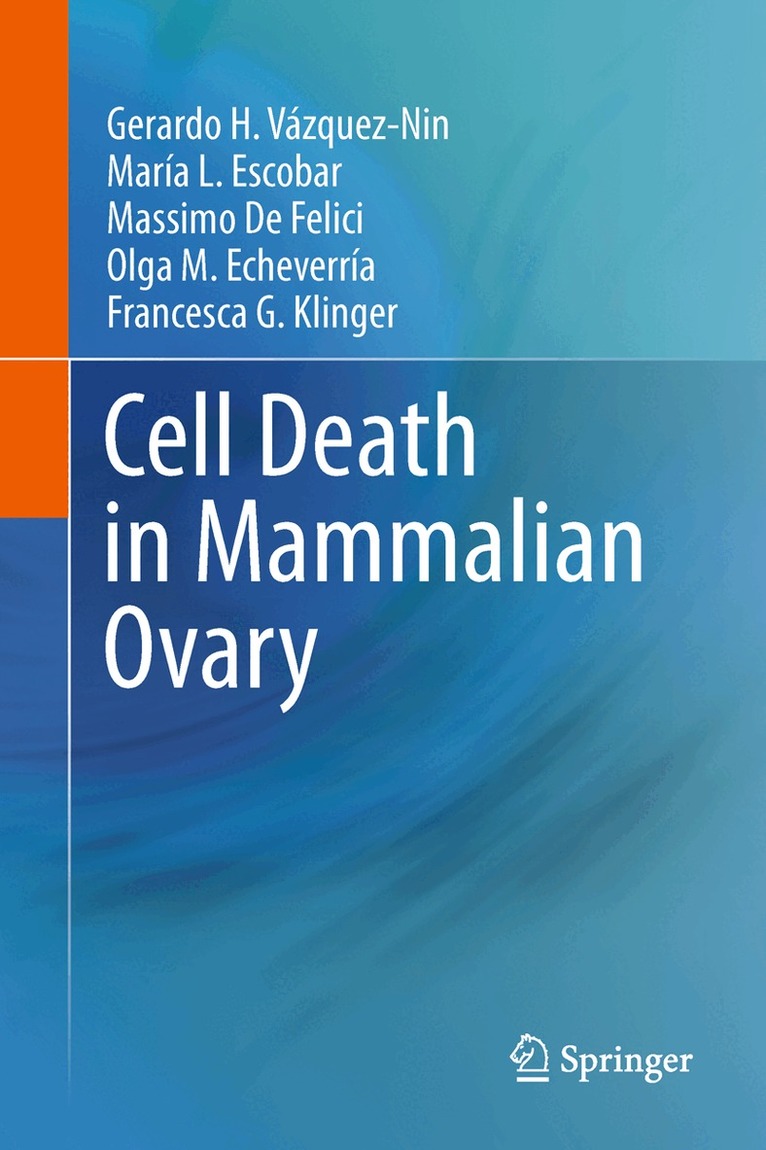
The ovary is a suitable organ for studying the processes of cell death. Cell death was first described in the rabbit ovary (Graaffian follicles), the phenomenon being called ‘chromatolysis’. To date, it is recognized that various forms of cell death (programmed cell death, apoptosis and autophagy) are essential components of ovarian development and function. Programmed cell death is responsable for the ovarian endowment of primordial follicles around birth; in the prepuberal and adult period, apoptosis is a basic mechanism by which oocytes are eliminated by cancer therapies and environmental toxicants; in the ovarian cycle, follicular atresia and luteal regression involve follicular cell apoptosis. Finally, abnormalities in cell death processes may lead to ovarian disease such as cancer and chemoresistance. In this book, after an introductory description of various forms of cell death and of the ovary development and function in mammals, the processes of cell death in ovarian somatic cells and oocytes are described at cytological, physiological and molecular levels and analyzed in the embryonic, prepuberal and adult ovary. A complex array of molecular pathways triggered by extrinsic and intrinsic signals able tor induce or suppress cell death in the same cell, according to cell type and ovary developmental stage, emerges. Physiological interactions with the axis hypothalamus-hypophysis as well as ovarian internal functional signal are also critically reviewed to explain the abortive development of follicles before the beginning of the ovarian cycle. The book conveys information useful to the updating of biologists and physicians who are interested to the ovary biology and functions. Hopefully it should provide also clues for stimulating novel experiments in the study of cell death in the mammalian ovary still at an early stage.
1 578 kr
Skickas inom 10-15 vardagar
The ovary is a suitable organ for studying the processes of cell death. Cell death was first described in the rabbit ovary (Graaffian follicles), the phenomenon being called ‘chromatolysis’. To date, it is recognized that various forms of cell death (programmed cell death, apoptosis and autophagy) are essential components of ovarian development and function. Programmed cell death is responsable for the ovarian endowment of primordial follicles around birth; in the prepuberal and adult period, apoptosis is a basic mechanism by which oocytes are eliminated by cancer therapies and environmental toxicants; in the ovarian cycle, follicular atresia and luteal regression involve follicular cell apoptosis. Finally, abnormalities in cell death processes may lead to ovarian disease such as cancer and chemoresistance. In this book, after an introductory description of various forms of cell death and of the ovary development and function in mammals, the processes of cell death in ovarian somatic cells and oocytes are described at cytological, physiological and molecular levels and analyzed in the embryonic, prepuberal and adult ovary. A complex array of molecular pathways triggered by extrinsic and intrinsic signals able tor induce or suppress cell death in the same cell, according to cell type and ovary developmental stage, emerges. Physiological interactions with the axis hypothalamus-hypophysis as well as ovarian internal functional signal are also critically reviewed to explain the abortive development of follicles before the beginning of the ovarian cycle. The book conveys information useful to the updating of biologists and physicians who are interested to the ovary biology and functions. Hopefully it should provide also clues for stimulating novel experiments in the study of cell death in the mammalian ovary still at an early stage.