Maria Vassilaki - Böcker
Visar alla böcker från författaren Maria Vassilaki. Handla med fri frakt och snabb leverans.
5 produkter
5 produkter
2 150 kr
Skickas inom 7-10 vardagar
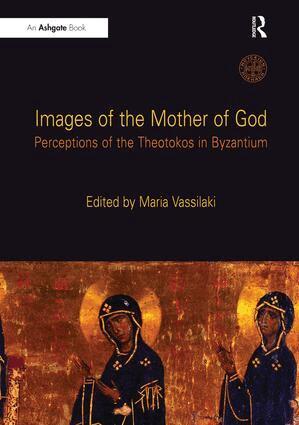
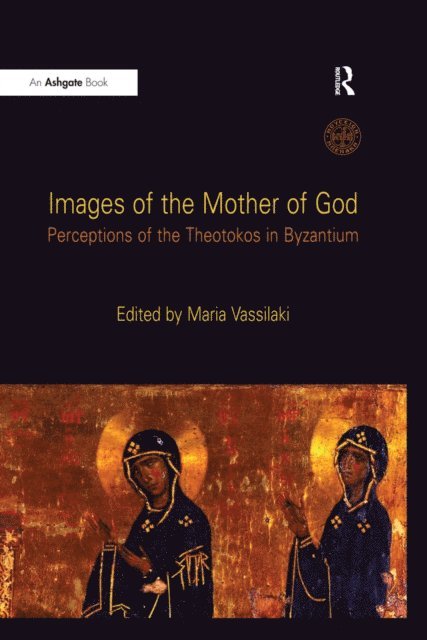
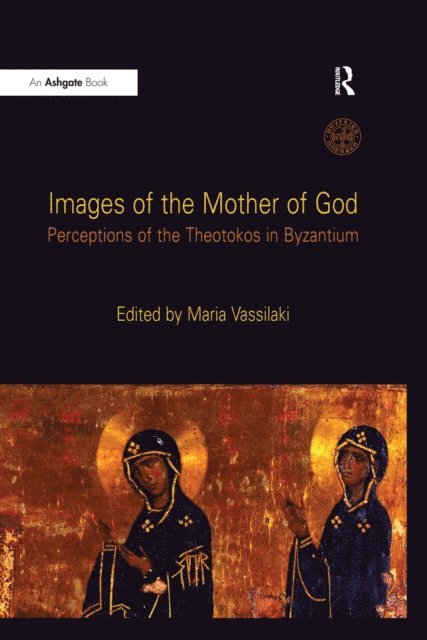
Fully illustrated in colour and black and white, Images of the Mother of God complements the successful exhibition catalogue of the 'Mother of God' exhibition at the Benaki Museum in Athens. It brings together the work of leading international authorities and younger scholars to provide a wide-ranging survey of how the Theotokos was perceived in the Byzantine world. It embraces the disciplines of art historians, archaeologists, traditional and feminist historians, as well as theologians, philologists and social anthropologists. Images of the Mother of God will appeal not just to those interested in Byzantine art and culture, but also to scholars of Western Europe in the Middle Ages who are looking for comparative materials in their own work.
1 638 kr
Tillfälligt slut
The sixteen studies in this book include six specially translated from Greek and another two published here for the first time. They deal with the art of painting in Crete at a time when the island was under Venetian rule. The main emphasis is on the 15th century and especially on the painter Angelos. More than thirty icons with his signature survive, and at least twenty more can be reliably attributed to him. Angelos was the most significant artist of a particularly significant era. It was at this time that the centre of artistic production migrated from Constantinople, the capital of the Byzantine Empire to Candia, the capital of Venetian-occupied Crete. These studies try to reconstruct the personality of this late Byzantine painter, Angelos, not only through his icons but also through his will (1436), now in the State Archives in Venice. In this context they also explore the status of the Cretan painter in society. The large number of extant Cretan icons clearly indicates the striking increase in production from the 15th century onwards. Similarly, archival documents are used to examine the trade of icons in Crete and the way Cretan artists had to organize their workshops in order to meet the requirements of the market.
2 201 kr
Kommande
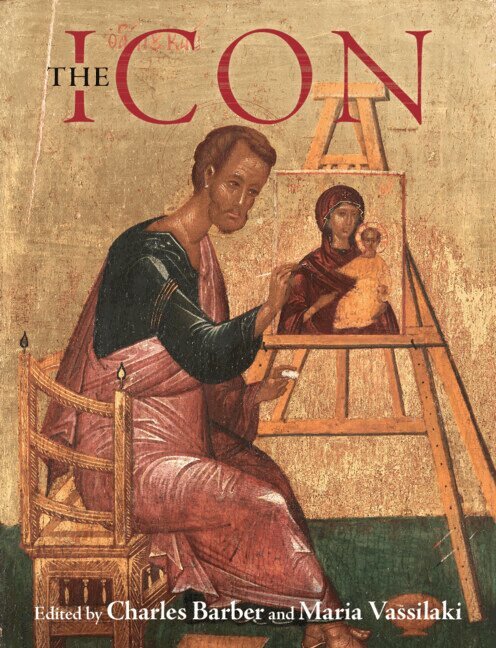
The Icon offers a comprehensive introduction to an art form that remains integral to the liturgical and devotional practices of Christianity in Europe, the Middle East, Africa, and beyond. Written by an international team of scholars, it explores how icons have been used and venerated for two millennia, and considers a range of topics, including historiography, artistic process, theology, use in domestic and ecclesiastical settings, and various typologies. Thematic essays chart the origins and development of the icon from its origins in Late Antiquity and the early Middle Ages; through the various schools of icon painting that flourished in the Orthodox world during the medieval era; and its prolonged afterlife following the fall of Byzantium in 1453. Richly illustrated with over 300 color and black-and-white illustrations, The Icon provides a magisterial overview of a vital genre of religious art with enduring appeal across time and space.
789 kr
Skickas inom 10-15 vardagar
Fully illustrated in colour and black and white, Images of the Mother of God complements the successful exhibition catalogue of the 'Mother of God' exhibition at the Benaki Museum in Athens. It brings together the work of leading international authorities and younger scholars to provide a wide-ranging survey of how the Theotokos was perceived in the Byzantine world. It embraces the disciplines of art historians, archaeologists, traditional and feminist historians, as well as theologians, philologists and social anthropologists. Images of the Mother of God will appeal not just to those interested in Byzantine art and culture, but also to scholars of Western Europe in the Middle Ages who are looking for comparative materials in their own work.
775 kr
Skickas inom 10-15 vardagar
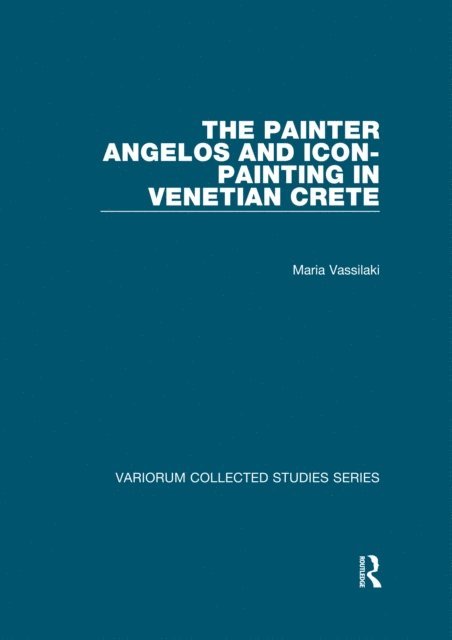
The sixteen studies in this book include six specially translated from Greek and another two published here for the first time. They deal with the art of painting in Crete at a time when the island was under Venetian rule. The main emphasis is on the 15th century and especially on the painter Angelos. More than thirty icons with his signature survive, and at least twenty more can be reliably attributed to him. Angelos was the most significant artist of a particularly significant era. It was at this time that the centre of artistic production migrated from Constantinople, the capital of the Byzantine Empire to Candia, the capital of Venetian-occupied Crete. These studies try to reconstruct the personality of this late Byzantine painter, Angelos, not only through his icons but also through his will (1436), now in the State Archives in Venice. In this context they also explore the status of the Cretan painter in society. The large number of extant Cretan icons clearly indicates the striking increase in production from the 15th century onwards. Similarly, archival documents are used to examine the trade of icons in Crete and the way Cretan artists had to organize their workshops in order to meet the requirements of the market.