Marian Currinder – författare
Visar alla böcker från författaren Marian Currinder. Handla med fri frakt och snabb leverans.
7 produkter
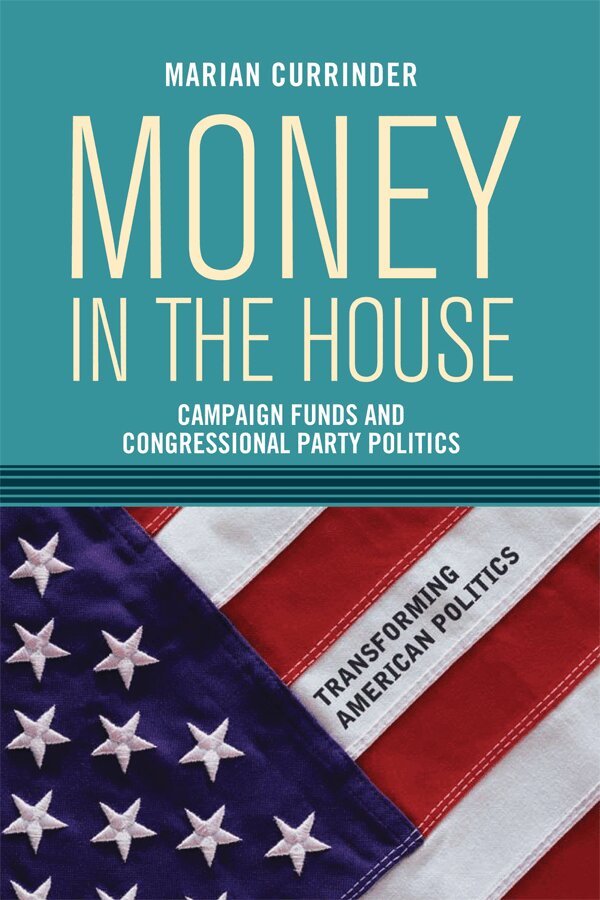
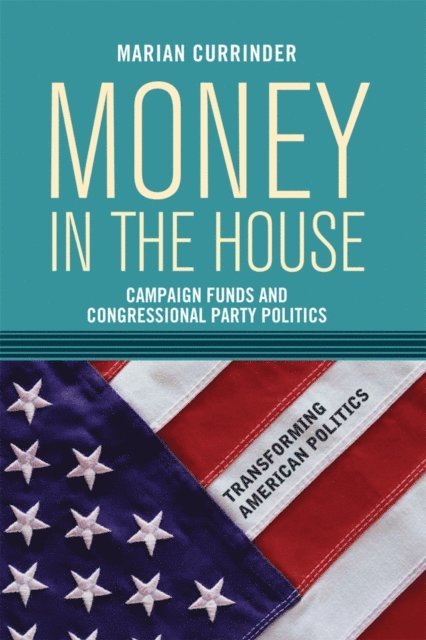
Money In the House
Campaign Funds and Congressional Party Politics
Inbunden, 2019
2510 kr
Lägg i varukorg
Money in the House provides a compelling look at how the drive to raise campaign money has come to dominate congressional party politics. Author Marian Currinder examines the rise of member-to-member and member-to-party giving as part of a broader process that encourages ambitious House members to …
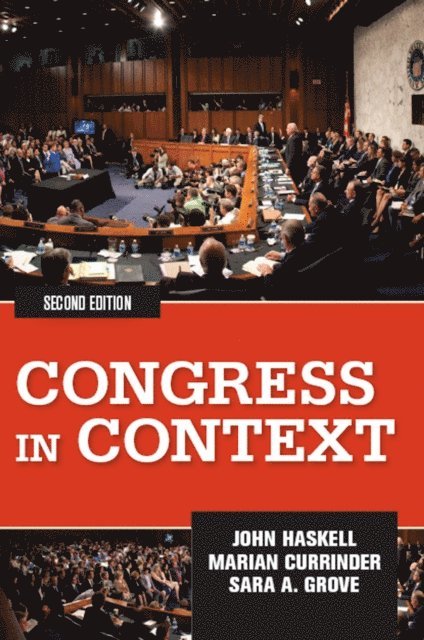
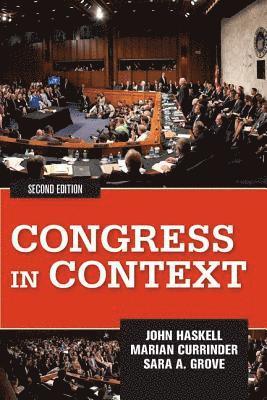
Congress in Context
Av Marian Currinder, Sara Grove m. fl.
E-bok, 2018
1004 kr
Lägg i varukorg
The U.S. Congress is by the far the least popular (and most misunderstood) branch of the federal government. Congress in Context de-mystifies the institution, giving students a comprehensive and practical understanding of Congress and the legislative process. This book takes a different approach to …
Money In the House
Campaign Funds and Congressional Party Politics
E-bok, 2018
712 kr
Lägg i varukorg
Money in the House provides a compelling look at how the drive to raise campaign money has come to dominate congressional party politics. Author Marian Currinder examines the rise of member-to-member and member-to-party giving as part of a broader process that encourages ambitious House members to …
Congress in Context
Av Marian Currinder, Sara Grove m. fl.
E-bok, 2018
1004 kr
Lägg i varukorg
The U.S. Congress is by the far the least popular (and most misunderstood) branch of the federal government. Congress in Context de-mystifies the institution, giving students a comprehensive and practical understanding of Congress and the legislative process. This book takes a different approach to …
Money In the House
Campaign Funds and Congressional Party Politics
E-bok, 2018
727 kr
Lägg i varukorg
Money in the House provides a compelling look at how the drive to raise campaign money has come to dominate congressional party politics. Author Marian Currinder examines the rise of member-to-member and member-to-party giving as part of a broader process that encourages ambitious House members to …
Money In the House
Campaign Funds and Congressional Party Politics
Häftad, 2008
618 kr
Lägg i varukorg
p class="MsoNormal" style="margin: 0in 0in 0pt" Money in the House provides a compelling look at how the drive to raise campaign money has come to dominate congressional party politics. Author Marian Currinder examines the rise of member-to-member and member-to-party giving as part of a broader …
Congress in Context
Av John Haskell, Marian Currinder m. fl.
Häftad, 2014
851 kr
Lägg i varukorg
The U.S. Congress is by the far the least popular,and most misunderstood,branch of the federal government. Congress in Context de-mystifies the institution, giving students a comprehensive and practical understanding of Congress and the legislative process. This book takes a different approach to …