Marian Eide - Böcker
Visar alla böcker från författaren Marian Eide. Handla med fri frakt och snabb leverans.
6 produkter
6 produkter
493 kr
Skickas inom 7-10 vardagar
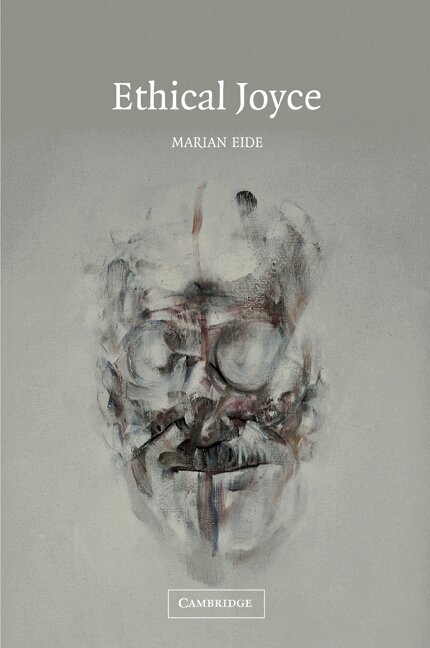
Marian Eide argues that the central concern of James Joyce's writing was the creation of a literary ethics. Eide examines Joyce's ethical preoccupations throughout his work, particularly the tension between his commitment as an artist and his social obligations as a father and citizen during a tumultuous period of European history. Eide argues that his narrative suggestion that ethics, which etymologically signifies both 'character' and 'habitat', might be understood best as an interaction between immediate and intimate processes (character) and more external and enduring structures (habitat). Drawing on feminist theory, Eide focuses on the notions of alterity and difference. The literary ethics developed in this book proceed from a textual focus in order to examine how our assumptions about what it means to read and interpret produce within each reader an implicit ethical practice. This is a study devoted to Joyce's ethical philosophy as it emerges in his writing.
1 371 kr
Skickas inom 7-10 vardagar
Marian Eide argues that the central concern of James Joyce's writing was the creation of a literary ethics. Eide examines Joyce's ethical preoccupations throughout his work, particularly the tension between his commitment as an artist and his social obligations as a father and citizen during a tumultuous period of European history. Eide argues that his narrative suggestion that ethics, which etymologically signifies both 'character' and 'habitat', might be understood best as an interaction between immediate and intimate processes (character) and more external and enduring structures (habitat). Drawing on feminist theory, Eide focuses on the notions of alterity and difference. The literary ethics developed in this book proceed from a textual focus in order to examine how our assumptions about what it means to read and interpret produce within each reader an implicit ethical practice. This is a study devoted to Joyce's ethical philosophy as it emerges in his writing.
1 125 kr
Skickas inom 10-15 vardagar
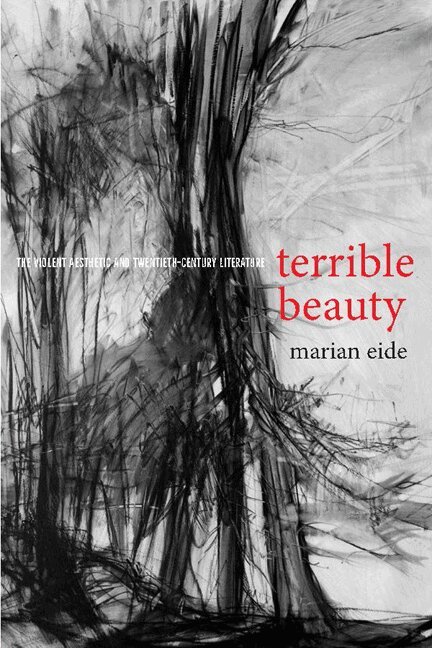
If art is our bid to make sense of the senseless, there is hardly more fertile creative ground than that of the twentieth century. From the trench poetry of World War I and Holocaust memoirs by Primo Levi and Elie Wiesel to the post-colonial novels of southern Asia and the anti-apartheid plays of the South African Market Theater, writers have married beauty and horror. This ""century of trauma"" produced writing at once saturated in political violence and complicated by the ethics of aesthetic representation. Stretching across genres and the globe, Terrible Beauty charts a course of aesthetic reconciliation between empathy and evil in the great literature of the twentieth century.The ""violent aesthetic""—a category the author traces back to Plato and Nietzsche—accommodates the pleasure people take not only in destruction itself but also in its rendering. As readers, we oscillate between a fascination with atrocity and an ethical imperative to bear witness. Arguing for the immersive experience of literature as particularly conducive to ethical contemplation, Marian Eide plumbs the aesthetic power and ethical purpose of this creative tension. By invoking the reader as complicit—both stricken witness and enthralled voyeur— Terrible Beauty sheds new light on the relationship between violence, literature, and the moral burdens of art.
544 kr
Skickas inom 10-15 vardagar
If art is our bid to make sense of the senseless, there is hardly more fertile creative ground than that of the twentieth century. From the trench poetry of World War I and Holocaust memoirs by Primo Levi and Elie Wiesel to the post-colonial novels of southern Asia and the anti-apartheid plays of the South African Market Theater, writers have married beauty and horror. This ""century of trauma"" produced writing at once saturated in political violence and complicated by the ethics of aesthetic representation. Stretching across genres and the globe, Terrible Beauty charts a course of aesthetic reconciliation between empathy and evil in the great literature of the twentieth century.The ""violent aesthetic""—a category the author traces back to Plato and Nietzsche—accommodates the pleasure people take not only in destruction itself but also in its rendering. As readers, we oscillate between a fascination with atrocity and an ethical imperative to bear witness. Arguing for the immersive experience of literature as particularly conducive to ethical contemplation, Marian Eide plumbs the aesthetic power and ethical purpose of this creative tension. By invoking the reader as complicit—both stricken witness and enthralled voyeur— Terrible Beauty sheds new light on the relationship between violence, literature, and the moral burdens of art.
342 kr
Skickas inom 7-10 vardagar
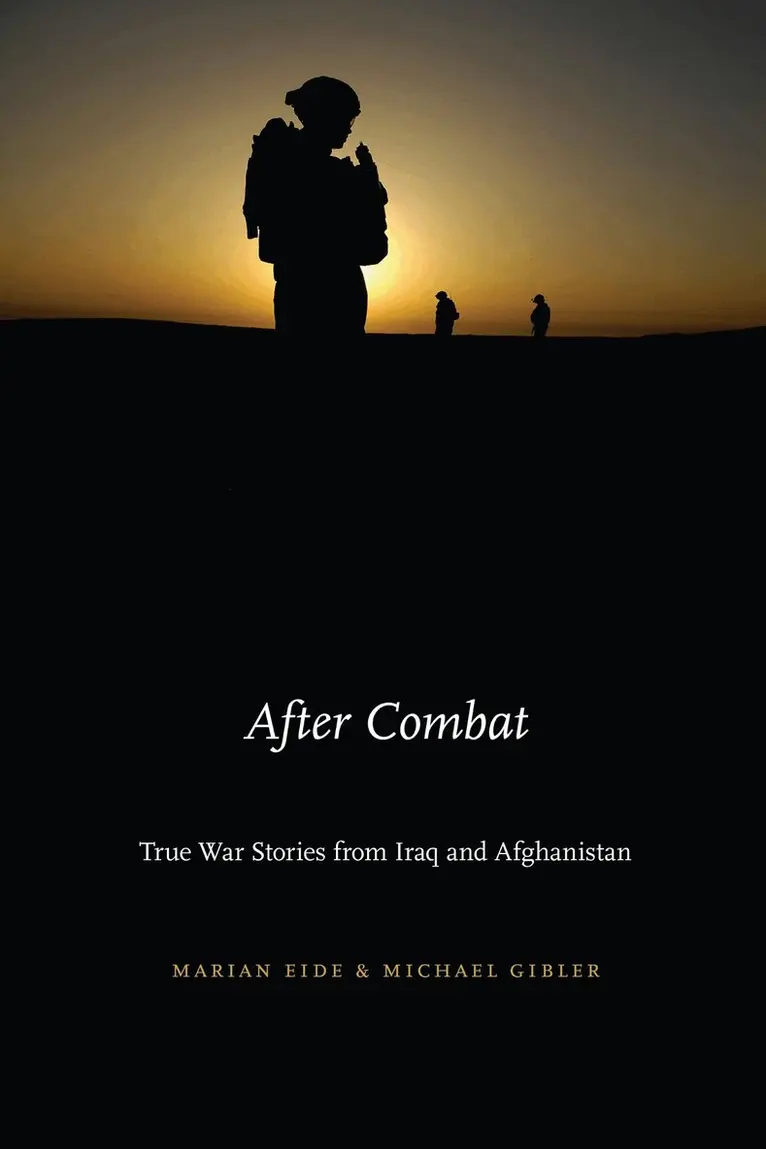
Approximately 2.5 million men and women have deployed to Iraq and Afghanistan in the service of the U.S. War on Terror. Marian Eide and Michael Gibler have collected and compiled personal combat accounts from some of these war veterans. In modern warfare no deployment meets the expectations laid down by stories of Appomattox, Ypres, Iwo Jima, or Tet. Stuck behind a desk or the wheel of a truck, many of today’s veterans feel they haven’t even been to war, though they may have listened to mortars in the night or dodged improvised explosive devices during the day.After Combat bridges the gap between sensationalized media and reality by telling war’s unvarnished stories. Soldiers, sailors, marines, and air force personnel (retired, on leave, or at the beginning of military careers) describe combat in the ways they believe it should be understood. In this collection of interviews, veterans speak anonymously with pride about their own strengths and accomplishments, with gratitude for friendships and adventures, and also with shame, regret, and grief, while braving controversy, misunderstanding, and sanction.In the accounts of these veterans, Eide and Gibler seek to present what Vietnam veteran and writer Tim O’Brien calls a “true war story”-one without obvious purpose or moral imputation and independent of civilian logic, propaganda goals, and even peacetime convention.
247 kr
Skickas inom 10-15 vardagar
Approximately 2.5 million men and women have deployed to Iraq and Afghanistan in the service of the U.S. War on Terror. Marian Eide and Michael Gibler have collected and compiled personal combat accounts from some of these war veterans. In modern warfare no deployment meets the expectations laid down by stories of Appomattox, Ypres, Iwo Jima, or Tet. Stuck behind a desk or the wheel of a truck, many of today’s veterans feel they haven’t even been to war, though they may have listened to mortars in the night or dodged improvised explosive devices during the day.After Combat bridges the gap between sensationalized media and reality by telling war’s unvarnished stories. Soldiers, sailors, marines, and air force personnel (retired, on leave, or at the beginning of military careers) describe combat in the ways they believe it should be understood. In this collection of interviews, veterans speak anonymously with pride about their own strengths and accomplishments, with gratitude for friendships and adventures, and also with shame, regret, and grief, while braving controversy, misunderstanding, and sanction.In the accounts of these veterans, Eide and Gibler seek to present what Vietnam veteran and writer Tim O’Brien calls a “true war story”-one without obvious purpose or moral imputation and independent of civilian logic, propaganda goals, and even peacetime convention.