Marie Houllemare - Böcker
Visar alla böcker från författaren Marie Houllemare. Handla med fri frakt och snabb leverans.
2 produkter
2 produkter
2 121 kr
Skickas inom 5-8 vardagar
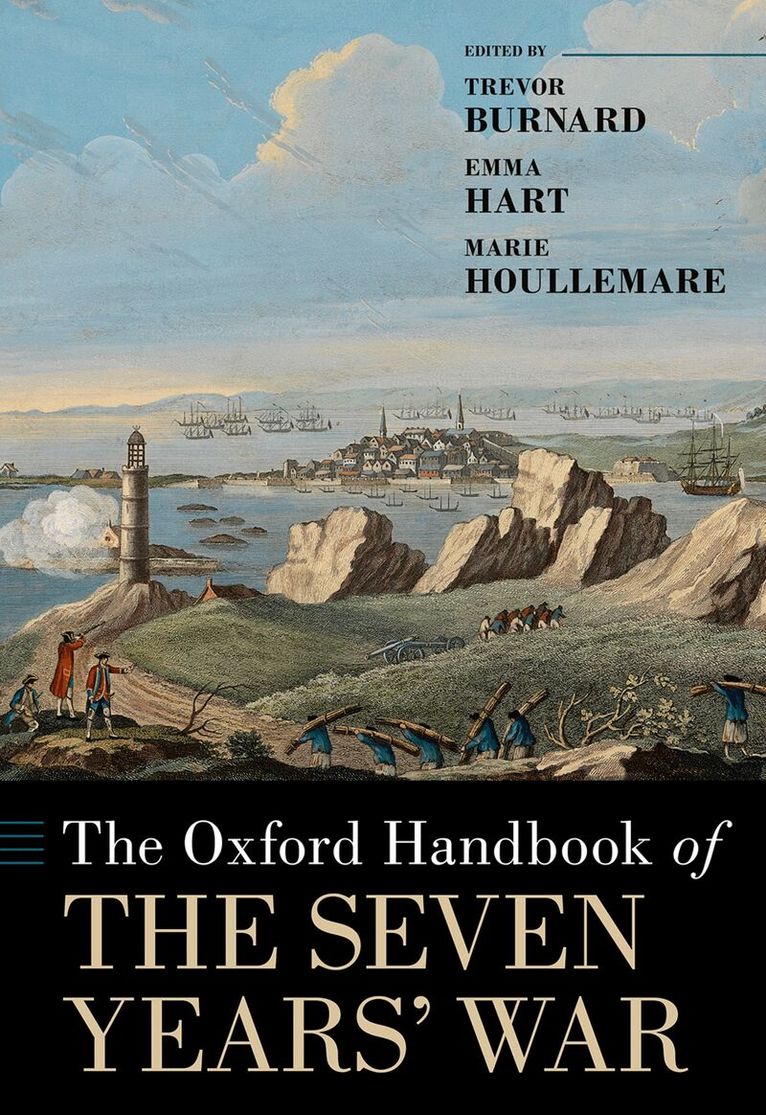
This handbook contains 38 essays that provide up-to-date scholarship on all aspects of the globally important Seven Years' War (1756-1763). The volume carefully examines the three major areas of conflict in the war -- Europe, South Asia, and the Americas -- treating each theater as distinct from one other but linked in significant ways that helped create a new geopolitics from the 1760s onward. Chapters trace the causes of the war in the interior of America; outline the triumphs of Britain and Prussia in fierce fighting across Europe; and explain how the British under the East India Company came to play an important role in South Asian politics and commerce. The handbook pays due attention to military conflict but does much more than this; contributors also investigate social, cultural, and intellectual developments in a crucial period of reorientation during the mid-eighteenth century. The handbook is notably diverse in its authorship, with leading scholars on the Seven Years' War from Europe and South Asia as well as Britain and North America, providing perspectives from many areas outside an Anglo-American frame. It treats the Seven Years' War as a world-transformative event: important not only in its own right -- in shaping commerce, politics, science, art, demography, religion and gender during the conflict -- but also central to the evolving history of South Asia, Europe, and the Americas in the second half of the eighteenth century.
1 202 kr
Skickas inom 5-8 vardagar
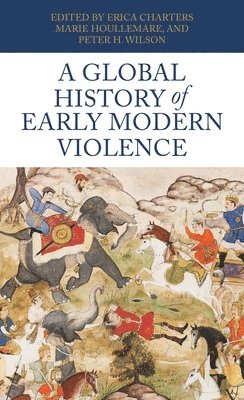
This is the first extensive analysis of large-scale violence and the methods of its restraint in the early modern world. Using examples from Asia, Africa, the Americas and Europe, it questions the established narrative that violence was only curbed through the rise of western-style nation states and civil societies. Global history allows us to reframe and challenge traditional models for the history of violence and to rethink categories and units of analysis through comparisons. By decentring Europe and exploring alternative patterns of violence, the contributors to this volume articulate the significance of violence in narratives of state- and empire-building, as well as in their failure and decline, while also providing new means of tracing the transition from the early modern to modernity.An electronic edition of this book is freely available under a Creative Commons (CC BY-NC-ND) licence.