
Marina Alberti – författare
Visar alla böcker från författaren Marina Alberti. Handla med fri frakt och snabb leverans.
4 produkter
4 produkter
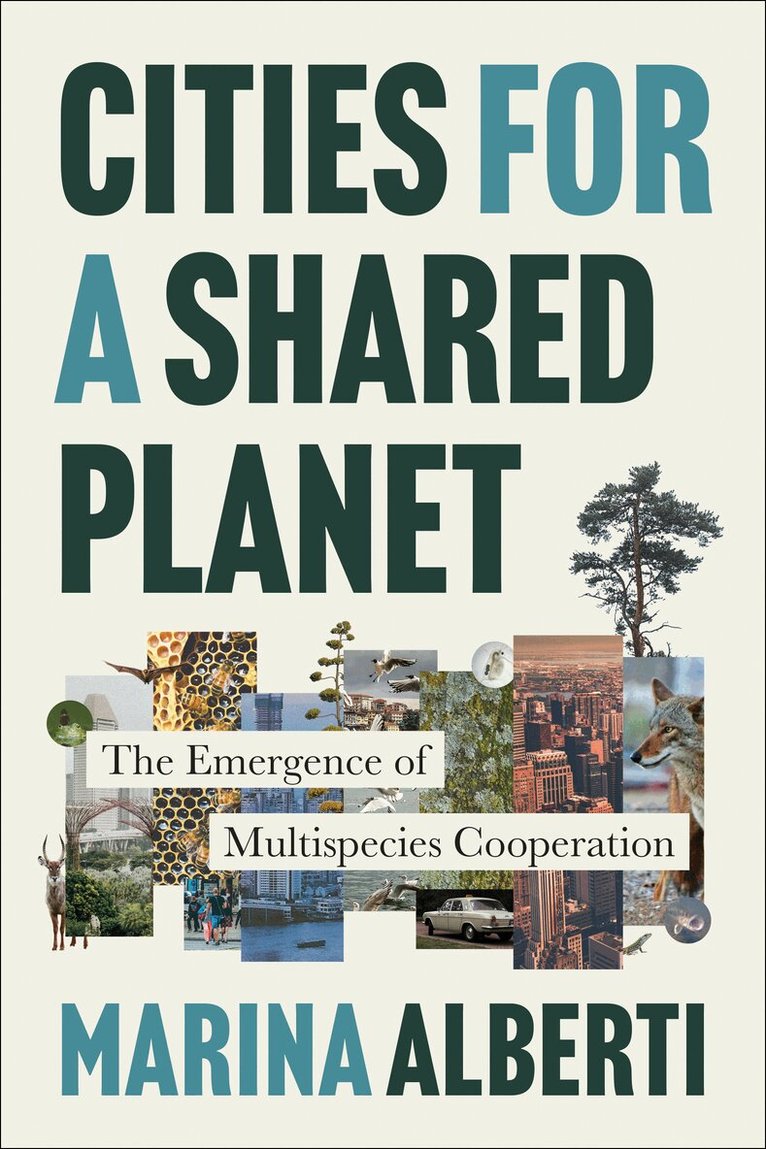
Häftad, Engelska, 2026
464 kr
Kommande
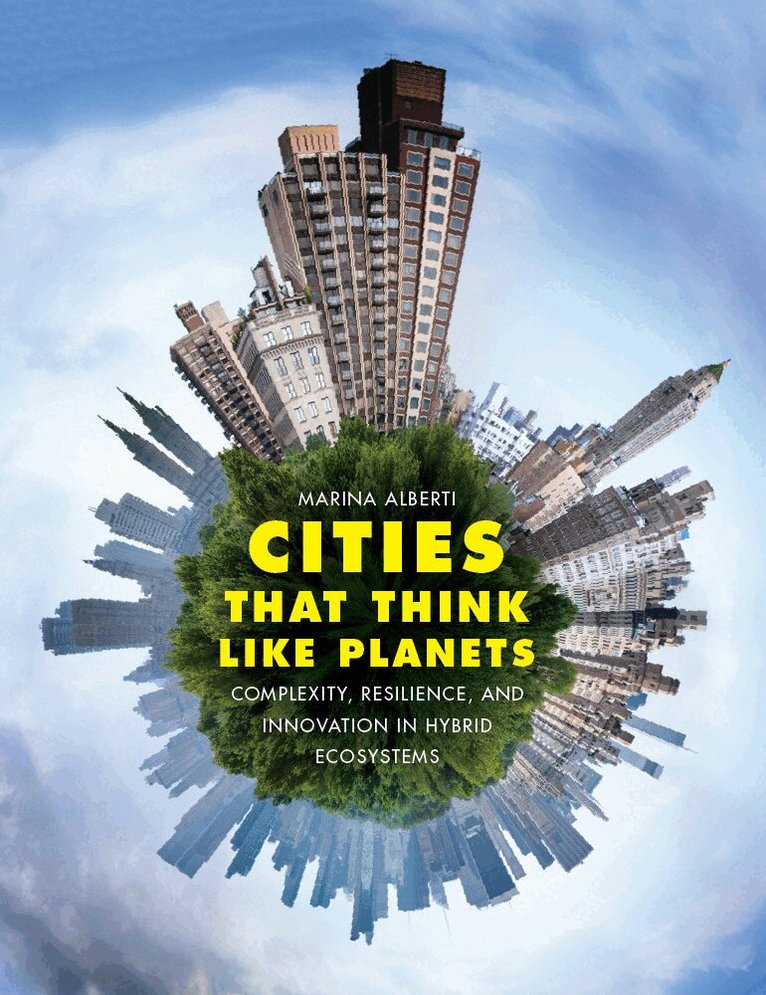
Inbunden, Engelska, 2016
1 003 kr
Skickas inom 5-8 vardagar
As human activity and environmental change come to be increasingly recognized as intertwined phenomena on a rapidly urbanizing planet, the field of urban ecology has risen to offer useful ways of thinking about coupled human and natural systems.On the forefront of this discipline is Marina Alberti, whose innovative work offers a conceptual framework for uncovering fundamental laws that govern the complexity and resilience of cities, which she sees as key to understanding and responding to planetary change and the evolution of Earth. Bridging the fields of urban planning and ecology, Alberti describes a science of cities that work on a planetary scale and that links unpredictable dynamics to the potential for innovation. It is a science that considers interactions - at all scales - between people and built environments and between cities and their larger environments.Cities That Think like Planets advances strategies for planning a future that may look very different from the present, as rapid urbanization could tip the Earth toward abrupt and nonlinear change. Alberti's analyses of the various hybrid ecosystems, such as self-organization, heterogeneity, modularity, multiple equilibria, feedback, and transformation, may help humans participate in guiding the Earth away from inadvertent collapse and toward a new era of planetary co-evolution and resilience.
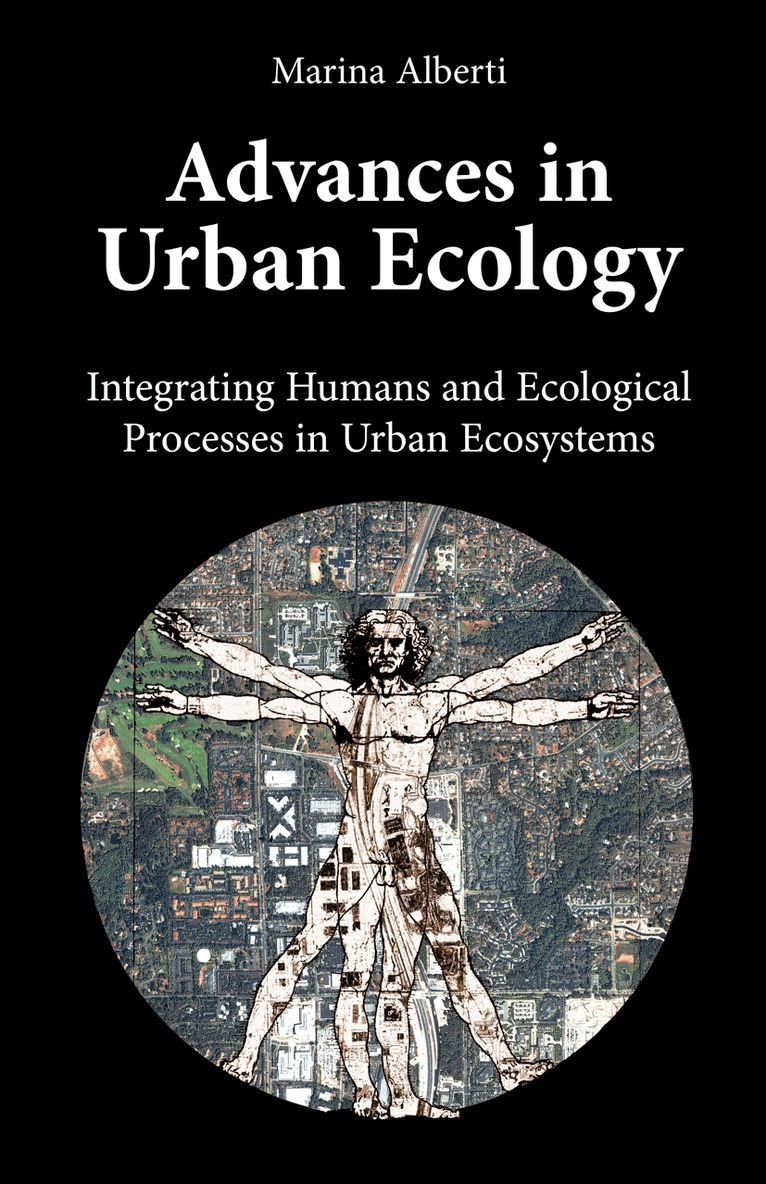
Inbunden, Engelska, 2008
1 712 kr
Skickas inom 10-15 vardagar
Natural and social scientists face a great challenge in the coming decades: to understand the role that humans play in ecosystems, particularly urban ecosystems. Cities and urbanizing regions are complex coupled hum- natural systems in which people are the dominant agents. As humans transform natural landscapes into highly human-dominated environments, they create a new set of ecological conditions by changing ecosystem processes and dynamics. Urbanization changes natural habitats and species composition, alters hydrological systems, and modifies energy flows and nutrient cycles. Although the impacts of urban development on ecosystems occur locally, they cause environmental changes at larger scales. Envir- mental changes resulting from urbanization influence human behaviors and dynamics and affect human health and well-being. Remarkable progress has been made in studying the impact of urban de- lopment on ecosystem functions (McDonnell and Pickett 1993, McDonnell et al. 1997, Grimm et al. 2000, Pickett et al. 2001, Alberti et al. 2003), yet the interactions and feedback between human processes and ecosystem dynamics in urbanizing regions are still poorly understood. In this book I argue that new syntheses across the natural and social sciences are necessary if urban and ecological dynamics are to be successfully integrated into a common fra- work to advance urban ecology research. If we remain within the traditional disciplinary boundaries, we will not make progress towards a theory of urban ecosystems as coupled human-ecological systems, because no single disc- line can provide an unbiased and integrated perspective.
Häftad, Engelska, 2008
1 712 kr
Skickas inom 10-15 vardagar
Natural and social scientists face a great challenge in the coming decades: to understand the role that humans play in ecosystems, particularly urban ecosystems. Cities and urbanizing regions are complex coupled hum- natural systems in which people are the dominant agents. As humans transform natural landscapes into highly human-dominated environments, they create a new set of ecological conditions by changing ecosystem processes and dynamics. Urbanization changes natural habitats and species composition, alters hydrological systems, and modifies energy flows and nutrient cycles. Although the impacts of urban development on ecosystems occur locally, they cause environmental changes at larger scales. Envir- mental changes resulting from urbanization influence human behaviors and dynamics and affect human health and well-being. Remarkable progress has been made in studying the impact of urban de- lopment on ecosystem functions (McDonnell and Pickett 1993, McDonnell et al. 1997, Grimm et al. 2000, Pickett et al. 2001, Alberti et al. 2003), yet the interactions and feedback between human processes and ecosystem dynamics in urbanizing regions are still poorly understood. In this book I argue that new syntheses across the natural and social sciences are necessary if urban and ecological dynamics are to be successfully integrated into a common fra- work to advance urban ecology research. If we remain within the traditional disciplinary boundaries, we will not make progress towards a theory of urban ecosystems as coupled human-ecological systems, because no single disc- line can provide an unbiased and integrated perspective.