Marina Moskowitz – Författare
Visar alla böcker från författaren Marina Moskowitz. Handla med fri frakt och snabb leverans.
3 produkter
3 produkter
522 kr
Tillfälligt slut
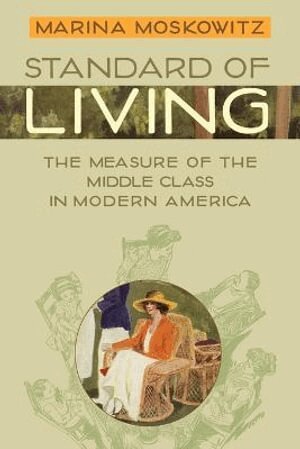
Coined in 1902, the term "standard of living" grew popular in early twentieth-century America. Though its exact definition remained ambiguous, it most often reflected the middle class and material comfort. The term was not a precise measure of how people lived. Instead, it embodied the ideal of how middle-class Americans wanted to live. With increasing wages and the mass production of consumer goods, the standard of living became an important expression of the shared national culture that emerged in the Gilded Age and Progressive Era. But what material and social components constituted this standard? Who decided what they were and how they were to be promoted? In Standard of Living, Marina Moskowitz explores these questions, focusing on the relationship between middle-class identity and material culture through four case studies. In one, she examines the incorporation of silverplate flatware into the daily rituals of American life. Mass production made this former luxury item affordable, while advertising, etiquette books, and home advice columns stressed its value as a family heirloom and confirmed its place in the middle-class dining room.Moskowitz then turns her attention to the bathroom and the proliferation of indoor sanitation, bathroom fixtures, and a hygiene industry equally interested in profits and public health. Home ownership contributed an essential element of this standard, and Moskowitz next charts the mail-order home industry, which sold not just kit houses but also the very idea of owning a home. Concluding with a look at zoning and urban planning as a means of fostering and protecting the standard of living for whole communities, this book offers important evidence of and fresh insights into the history of the American middle class.
333 kr
Skickas inom 7-10 vardagar
Coined in 1902, the term "standard of living" grew popular in early twentieth-century America. Though its exact definition remained ambiguous, it most often reflected the middle class and material comfort. The term was not a precise measure of how people lived. Instead, it embodied the ideal of how middle-class Americans wanted to live. With increasing wages and the mass production of consumer goods, the standard of living became an important expression of the shared national culture that emerged in the Gilded Age and Progressive Era. But what material and social components constituted this standard? Who decided what they were and how they were to be promoted? In Standard of Living, Marina Moskowitz explores these questions, focusing on the relationship between middle-class identity and material culture through four case studies. In one, she examines the incorporation of silverplate flatware into the daily rituals of American life. Mass production made this former luxury item affordable, while advertising, etiquette books, and home advice columns stressed its value as a family heirloom and confirmed its place in the middle-class dining room.Moskowitz then turns her attention to the bathroom and the proliferation of indoor sanitation, bathroom fixtures, and a hygiene industry equally interested in profits and public health. Home ownership contributed an essential element of this standard, and Moskowitz next charts the mail-order home industry, which sold not just kit houses but also the very idea of owning a home. Concluding with a look at zoning and urban planning as a means of fostering and protecting the standard of living for whole communities, this book offers important evidence of and fresh insights into the history of the American middle class.
1 448 kr
Kommande
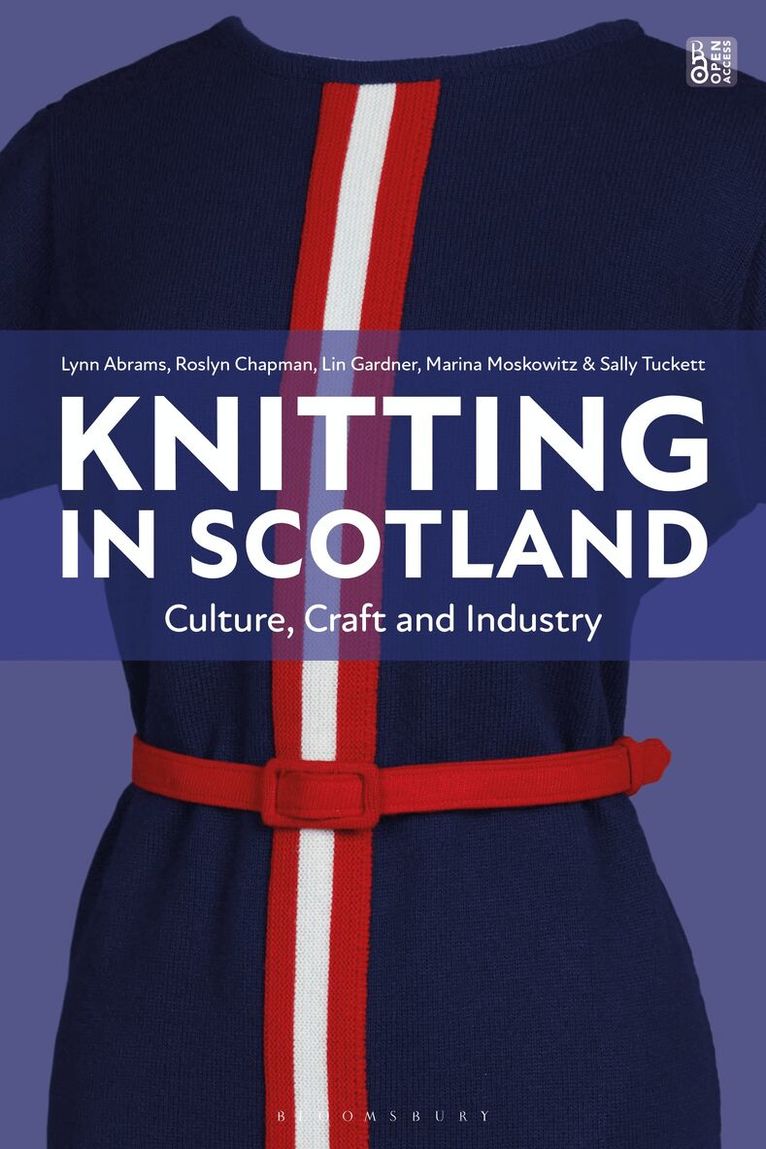
The story of Scottish knitting: the first critical history and analysis of a local craft turned international icon.From Fair Isle patterning to Pringle jumpers, Scottish knitwear is internationally renowned and instantly recognizable. This open access study unpicks the distinctive place of knitting in the Scottish landscape, economy, and culture from the 19th century to today.Recent reappraisals of the industrial revolution and traditional craft economies, and the recent revival of hobby knitting during the Covid-19 pandemic, have raised new questions about the roles of social communities, sustainability and women’s domestic work in the textile industries. Tracing its story from raw material to final product, from home-spun clothes and crafts to luxury markets and industrial-scale production, Knitting in Scotland investigates the Scottish knitting trade’s remarkable survival across two centuries of economic and cultural modernization.The ebook editions of this book are available open access under a CC BY-NC-ND 4.0 licence on bloomsburycollections.com. Open access was funded by UKRI.