Marion Holmes Katz - Böcker
Visar alla böcker från författaren Marion Holmes Katz. Handla med fri frakt och snabb leverans.
8 produkter
8 produkter
1 104 kr
Skickas inom 7-10 vardagar
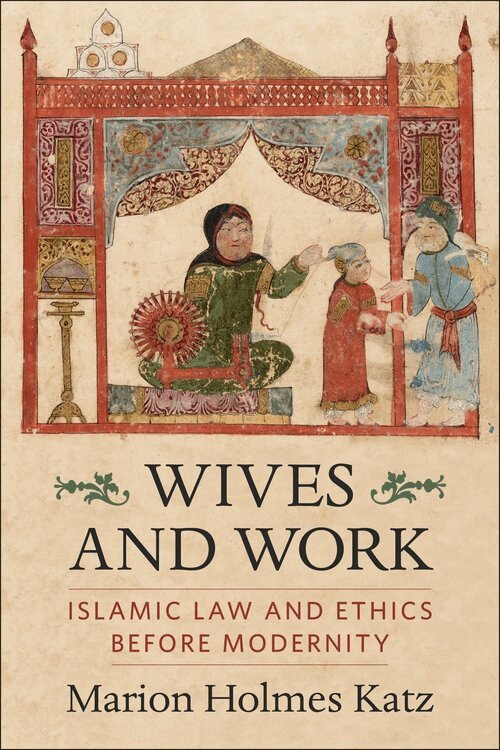
It is widely held today that classical Islamic law frees wives from any obligation to do housework. Wives’ purported exemption from domestic labor became a talking point among Muslims responding to Orientalist stereotypes of the “oppressed Muslim woman” by the late nineteenth century, and it has been a prominent motif in writings by Muslim feminists in the United States since the 1980s.In Wives and Work, Marion Holmes Katz offers a new account of debates on wives’ domestic labor that recasts the historical relationship between Islamic law and ethics. She reconstructs a complex discussion among Sunni legal scholars of the ninth to fourteenth centuries CE and examines its wide-ranging implications. As early as the ninth century, the prevalent doctrine that wives had no legal duty to do housework stood in conflict with what most scholars understood to be morally and religiously right. Scholars’ efforts to resolve this tension ranged widely, from drawing a clear distinction between legal claims and ethical ideals to seeking a synthesis of the two. Katz positions legal discussion within a larger landscape of Islamic normative discourse, emphasizing how legal models diverge from, but can sometimes be informed by, philosophical ethics. Through the lens of wives’ domestic labor, this book sheds new light on notions of family, labor, and gendered personhood as well as the interplay between legal and ethical doctrines in Islamic thought.
281 kr
Skickas inom 7-10 vardagar
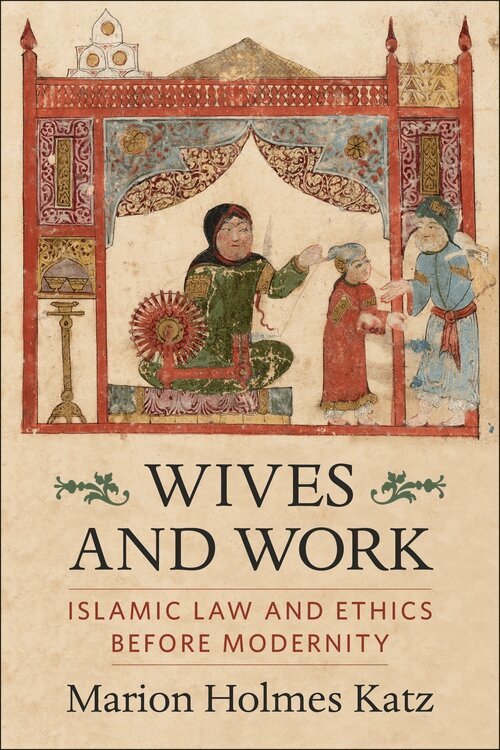
It is widely held today that classical Islamic law frees wives from any obligation to do housework. Wives’ purported exemption from domestic labor became a talking point among Muslims responding to Orientalist stereotypes of the “oppressed Muslim woman” by the late nineteenth century, and it has been a prominent motif in writings by Muslim feminists in the United States since the 1980s.In Wives and Work, Marion Holmes Katz offers a new account of debates on wives’ domestic labor that recasts the historical relationship between Islamic law and ethics. She reconstructs a complex discussion among Sunni legal scholars of the ninth to fourteenth centuries CE and examines its wide-ranging implications. As early as the ninth century, the prevalent doctrine that wives had no legal duty to do housework stood in conflict with what most scholars understood to be morally and religiously right. Scholars’ efforts to resolve this tension ranged widely, from drawing a clear distinction between legal claims and ethical ideals to seeking a synthesis of the two. Katz positions legal discussion within a larger landscape of Islamic normative discourse, emphasizing how legal models diverge from, but can sometimes be informed by, philosophical ethics. Through the lens of wives’ domestic labor, this book sheds new light on notions of family, labor, and gendered personhood as well as the interplay between legal and ethical doctrines in Islamic thought.
816 kr
Skickas inom 10-15 vardagar
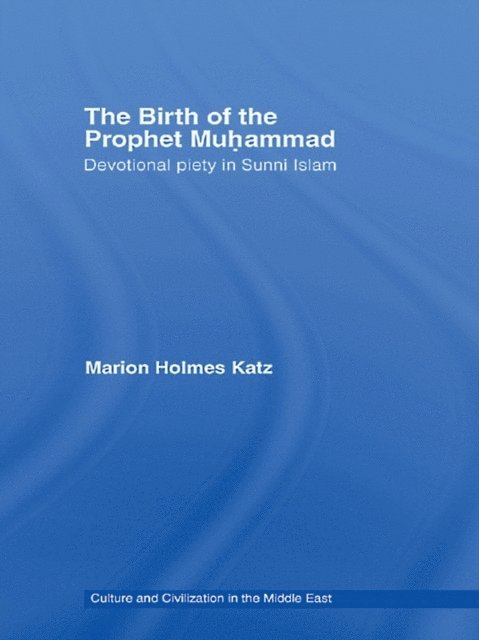
In the medieval period, the birth of the Prophet Muhammad (the mawlid) was celebrated in popular narratives and ceremonies that expressed the religious agendas and aspirations of ordinary Muslims, including women. This book examines the Mawlid from its origins to the present day and provides a new insight into how an aspect of everyday Islamic piety has been transformed by modernity. The book gives a window into the religious lives of medieval Muslim women, rather than focusing on the limitations that were placed on them and shows how medieval popular Islam was coherent and meaningful, not just a set of deviations from scholarly norms. Concise in both historical and textual analysis, this book is an important contribution to our understanding of contemporary Muslim devotional practices and will be of great interest to postgraduate students and researchers of Islam, religious studies and medieval studies.
2 298 kr
Skickas inom 10-15 vardagar
In the medieval period, the birth of the Prophet Muhammad (the mawlid) was celebrated in popular narratives and ceremonies that expressed the religious agendas and aspirations of ordinary Muslims, including women. This book examines the Mawlid from its origins to the present day and provides a new insight into how an aspect of everyday Islamic piety has been transformed by modernity. The book gives a window into the religious lives of medieval Muslim women, rather than focusing on the limitations that were placed on them and shows how medieval popular Islam was coherent and meaningful, not just a set of deviations from scholarly norms. Concise in both historical and textual analysis, this book is an important contribution to our understanding of contemporary Muslim devotional practices and will be of great interest to postgraduate students and researchers of Islam, religious studies and medieval studies.
309 kr
Skickas inom 7-10 vardagar
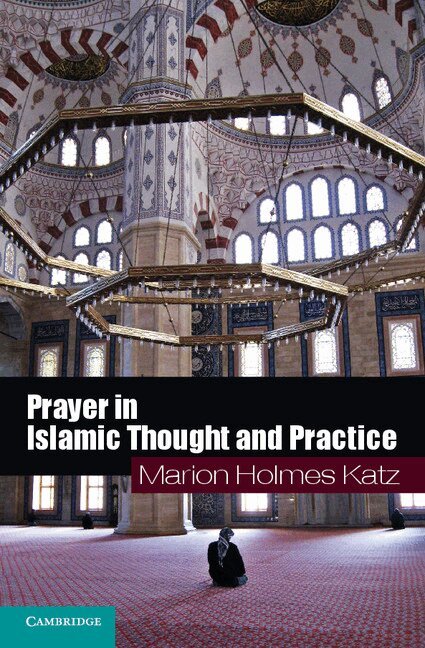
The five daily prayers (Salāt) that constitute the second pillar of Islam deeply pervade the everyday life of observant Muslims. Until now, however, no general study has analyzed the rules governing Salāt, the historical dimensions of its practice and the rich variety of ways that it has been interpreted within the Islamic tradition. Marion Holmes Katz's richly textured book offers a broad historical survey of the rules, values and interpretations relating to Salāt. This innovative study on the subject examines the different ways in which prayer has been understood in Islamic law, Sufi mysticism and Islamic philosophy. Katz's book also goes beyond the spiritual realm to analyze the political dimensions of prayer, including scholars' concerns about the righteousness and piety of rulers. The last chapter raises significant issues around gender roles, including the question of women's participating in and leading public worship. This book will resonate with students of Islamic history and comparative religion.
1 034 kr
Skickas inom 7-10 vardagar
The five daily prayers (Salāt) that constitute the second pillar of Islam deeply pervade the everyday life of observant Muslims. Until now, however, no general study has analyzed the rules governing Salāt, the historical dimensions of its practice and the rich variety of ways that it has been interpreted within the Islamic tradition. Marion Holmes Katz's richly textured book offers a broad historical survey of the rules, values and interpretations relating to Salāt. This innovative study on the subject examines the different ways in which prayer has been understood in Islamic law, Sufi mysticism and Islamic philosophy. Katz's book also goes beyond the spiritual realm to analyze the political dimensions of prayer, including scholars' concerns about the righteousness and piety of rulers. The last chapter raises significant issues around gender roles, including the question of women's participating in and leading public worship. This book will resonate with students of Islamic history and comparative religion.
972 kr
Tillfälligt slut
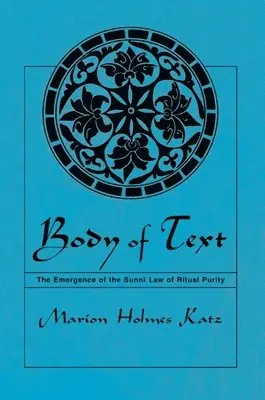
Reconstructs the formative debates concerning ritual purity in Islamic law and practice.Ritual purity is one of the least understood aspects of Islamic law and practice, yet it enjoys a prominent place in traditional legal texts and permeates the daily life of ordinary believers. Body of Text examines the emergence and crystallization of the law of ritual purity, using early sources to reconstruct the formative debates among Muslim scholars. The lively interaction among legal theorizing, caliphal politics, and popular practice illustrates the formation of the law, because as scholars strove for synthesis, they advanced competing understandings of the underlying structure and meaning of ritual purity. Katz demonstrates that no single theory can adequately interpret the diversity of opinion within the tradition.
352 kr
Tillfälligt slut
Reconstructs the formative debates concerning ritual purity in Islamic law and practice.Ritual purity is one of the least understood aspects of Islamic law and practice, yet it enjoys a prominent place in traditional legal texts and permeates the daily life of ordinary believers. Body of Text examines the emergence and crystallization of the law of ritual purity, using early sources to reconstruct the formative debates among Muslim scholars. The lively interaction among legal theorizing, caliphal politics, and popular practice illustrates the formation of the law, because as scholars strove for synthesis, they advanced competing understandings of the underlying structure and meaning of ritual purity. Katz demonstrates that no single theory can adequately interpret the diversity of opinion within the tradition.