Marita Rainsborough – författare
2 182 kr
Skickas inom 10-15 vardagar
652 kr
Skickas inom 10-15 vardagar
596 kr
Skickas inom 10-15 vardagar
2 182 kr
Skickas inom 10-15 vardagar
769 kr
Läs direkt efter köp
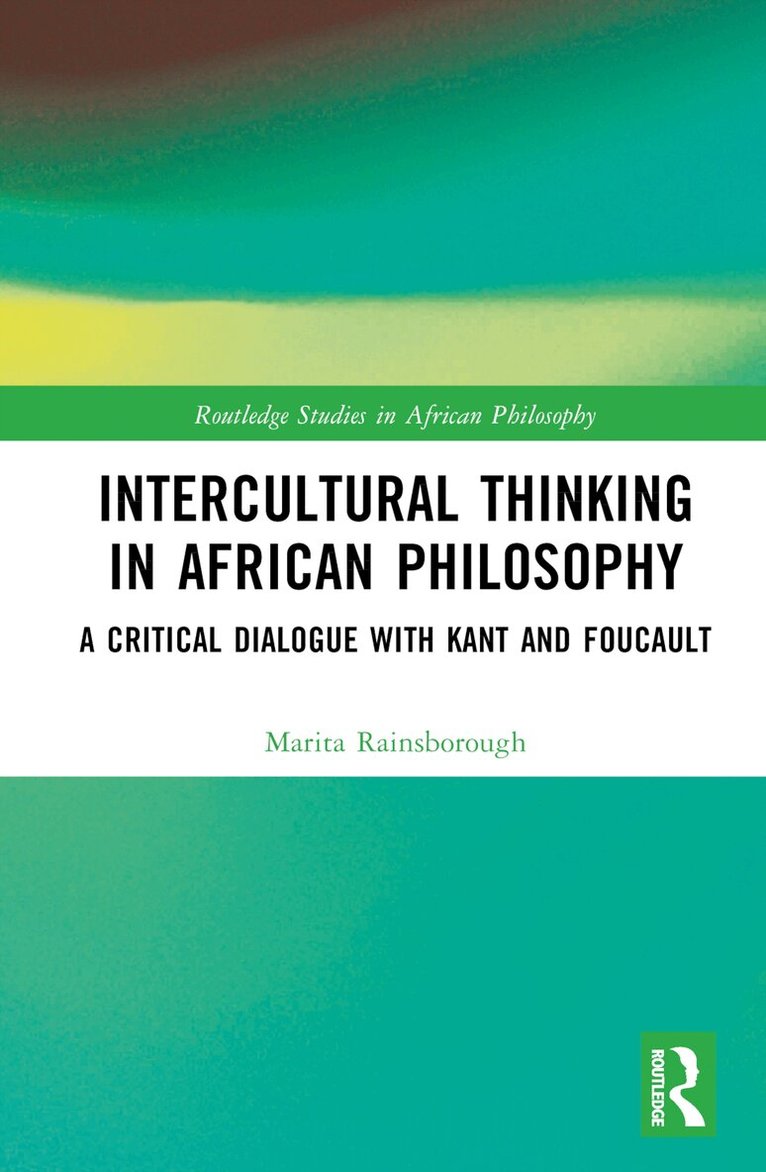
This book sets up a rich intercultural dialogue between the philosophy of Immanuel Kant and Michel Foucault, and that of key African thinkers such as Kwame Anthony Appiah, Achille Mbembe, Kwasi Wiredu, Kwame Gyekye, Tsenay Serequeberhahn, and Henry Odera Oruka.
The book challenges western-centric visions of an African future by demonstrating the richness of thought that can be found in African and Afrodiasporic philosophy. The book shows how thinkers such as Serequeberhan have criticised the inconsistencies in Kant’s work, whereas others such as Wiredu, Gyekye, Appiah and Mbembe have referenced his work more positively and developed progressive political concepts such as the metanational state; partial cosmopolitanism and Afropolitanism. The book goes on to consider how Mbembe and Mudimbe have responded to Foucault’s ideas in deciphering the various Western, African and Afrodiasporic discourses of knowledge on Africa. The book concludes by considering various theories of intercultural exchange, from Gyekye’s cultural borrowing, to Appiah’s conversation across boundaries, Wiredu’s cross cultural dialogue, Mbembe’s thinking outside the frame, Serequeberhan’s dialogue at a distance, and Oruka’s call for global re-distribution and a new ecophilosophical attitude to safeguard human existence on the planet.
This book invites us all to engage in intercultural dialogue and mutual respect for different cultural creations. It will be an important read for researchers in Philosophy wherever they are in the world.
769 kr
Läs direkt efter köp
This book sets up a rich intercultural dialogue between the philosophy of Immanuel Kant and Michel Foucault, and that of key African thinkers such as Kwame Anthony Appiah, Achille Mbembe, Kwasi Wiredu, Kwame Gyekye, Tsenay Serequeberhahn, and Henry Odera Oruka.
The book challenges western-centric visions of an African future by demonstrating the richness of thought that can be found in African and Afrodiasporic philosophy. The book shows how thinkers such as Serequeberhan have criticised the inconsistencies in Kant’s work, whereas others such as Wiredu, Gyekye, Appiah and Mbembe have referenced his work more positively and developed progressive political concepts such as the metanational state; partial cosmopolitanism and Afropolitanism. The book goes on to consider how Mbembe and Mudimbe have responded to Foucault’s ideas in deciphering the various Western, African and Afrodiasporic discourses of knowledge on Africa. The book concludes by considering various theories of intercultural exchange, from Gyekye’s cultural borrowing, to Appiah’s conversation across boundaries, Wiredu’s cross cultural dialogue, Mbembe’s thinking outside the frame, Serequeberhan’s dialogue at a distance, and Oruka’s call for global re-distribution and a new ecophilosophical attitude to safeguard human existence on the planet.
This book invites us all to engage in intercultural dialogue and mutual respect for different cultural creations. It will be an important read for researchers in Philosophy wherever they are in the world.
682 kr
Läs direkt efter köp
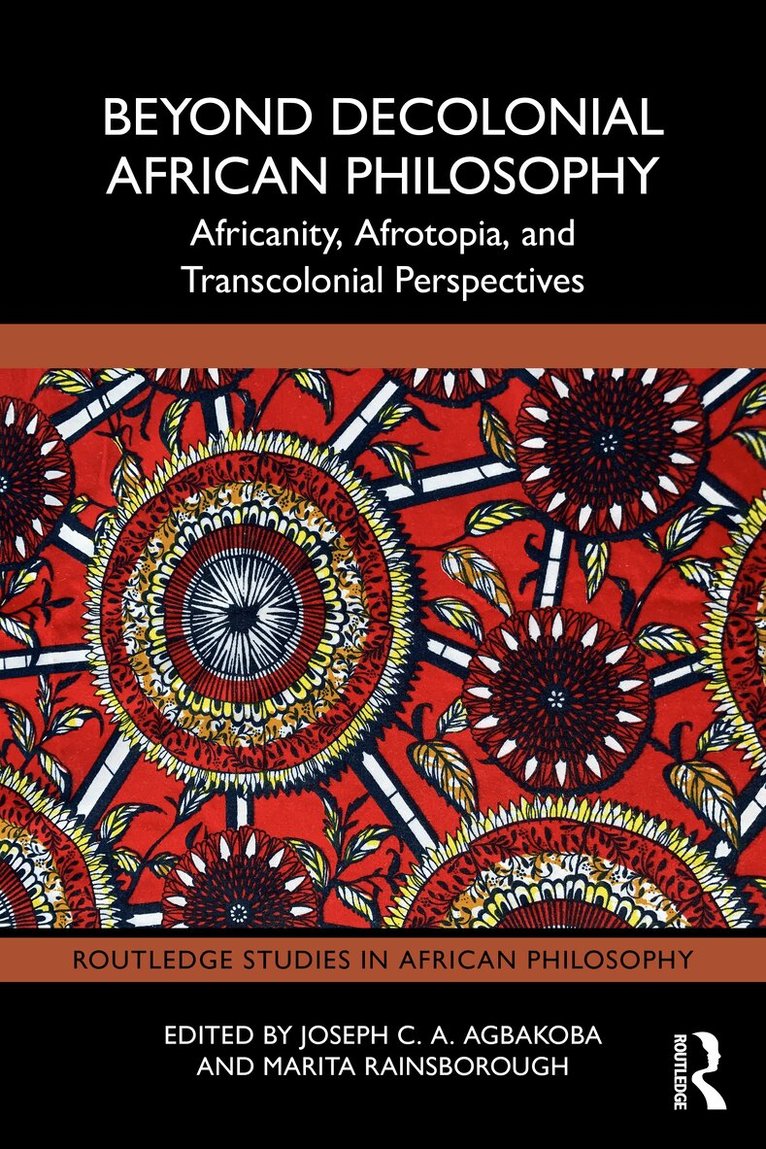
Beyond Decolonial African Philosophy dives into decoloniality discourse, challenging some of its shortcomings and offering alternative perspectives on the nature of Africanity and Afrotopia (Africa’s better future) from leading African philosophers.
Beginning with an overview of philosophy in contemporary Africa, the first half of the book goes on to critically interrogate and rethink decoloniality’s deconstructivist approach. The second half of the book considers a range of alternative new conceptualizations of Afrotopia and Africanity that transcend decolonial theory, drawing on constructivist and creative approaches. The book considers key questions such as:
Is Africanity immutable (essentialism) or mutable (nominalism)? Should we emphasize idealist, identitarian concerns or pragmatic, developmentarian concerns? Should we prioritise African agency or structures and circumstances? Should Africa embrace hybrid interculturality and creative self-manifestive identity or essentialist purity?Drawing on rich insights from African philosophers across the continent, this book challenges students and researchers to think beyond the concept of decolonization to alternative forms of African identities and African futures.
688 kr
Läs direkt efter köp
Beyond Decolonial African Philosophy dives into decoloniality discourse, challenging some of its shortcomings and offering alternative perspectives on the nature of Africanity and Afrotopia (Africa’s better future) from leading African philosophers.
Beginning with an overview of philosophy in contemporary Africa, the first half of the book goes on to critically interrogate and rethink decoloniality’s deconstructivist approach. The second half of the book considers a range of alternative new conceptualizations of Afrotopia and Africanity that transcend decolonial theory, drawing on constructivist and creative approaches. The book considers key questions such as:
Is Africanity immutable (essentialism) or mutable (nominalism)? Should we emphasize idealist, identitarian concerns or pragmatic, developmentarian concerns? Should we prioritise African agency or structures and circumstances? Should Africa embrace hybrid interculturality and creative self-manifestive identity or essentialist purity?Drawing on rich insights from African philosophers across the continent, this book challenges students and researchers to think beyond the concept of decolonization to alternative forms of African identities and African futures.
491 kr
Skickas
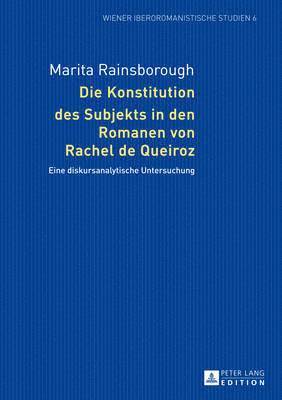
Die Konstitution Des Subjekts in Den Romanen Von Rachel de Queiroz
Eine Diskursanalytische Untersuchung
689 kr
Tillfälligt slut