Mariusz Motyka - Böcker
Visar alla böcker från författaren Mariusz Motyka. Handla med fri frakt och snabb leverans.
5 produkter
5 produkter
301 kr
Tillfälligt slut
181 kr
Skickas
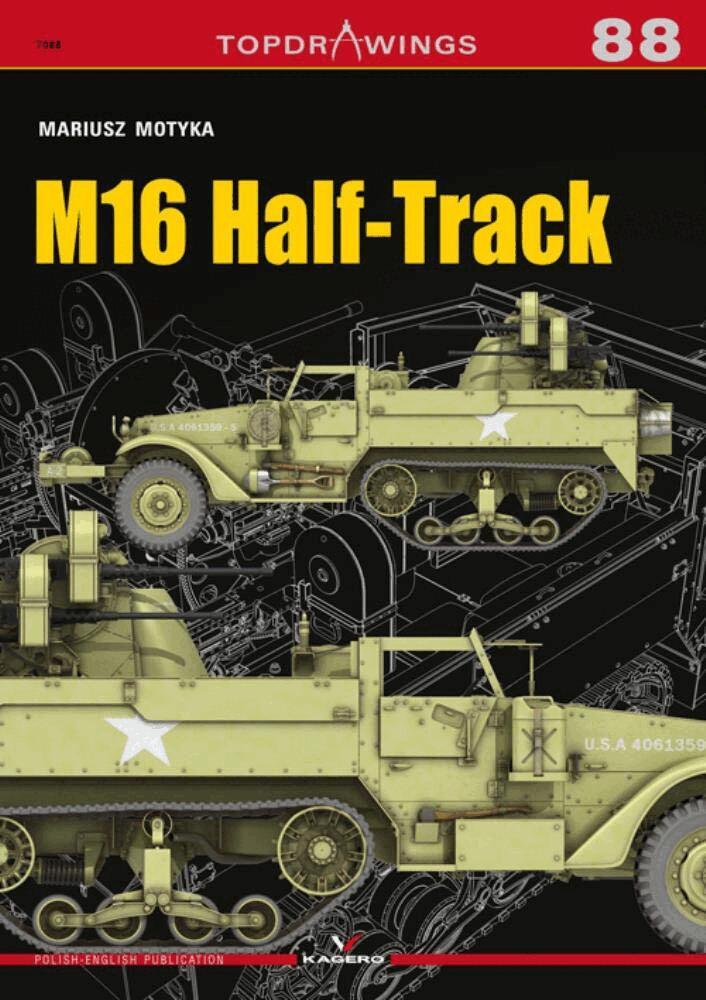
The M16 Multiple Gun Motor Carriage (M16 MGMC) also known as M16 half-track, was a US self-propelled antiaircraft gun built during World War Two. The chassis of the half-rack armored personnel carrier was used to build various variants of self-propelled guns. They were tested on training grounds. Some of them were accepted for military service, series production and then they would see combat. These mainly included self-propelled antiaircraft guns armed with large-caliber 12.7 mm machine guns. In the Autumn of 1941, the first vehicles of this type were tested. The basic requirement of their design was to combine the half-track transporter chassis with a self-propelled revolving turret, the very same as the ones mounted on the bomber aircraft.
510 kr
Tillfälligt slut
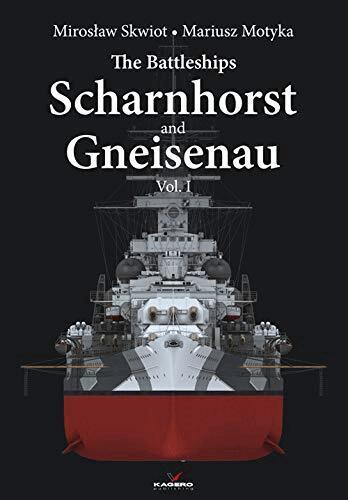
The battleships of the Kriegsmarine are only four vessels in total, which they managed to put into operational service in 1935-1941. The first two of those, Scharnhorst and Gneisenau, did not make as spectacular combat career as the other two. So far, no extensive memories of seamen sailing them have appeared, because their career practically boiled down to staying in a port, dock or roadstead until they sank or the hostilities ended. The current publication is a form of compromise between combat operations, shortened in it to a necessary minimum, in the case of Scharnhorst, and a broader description of use of thewreck of Gneisenau after the war, and a photo albumthat represents life on the ship.
509 kr
Tillfälligt slut
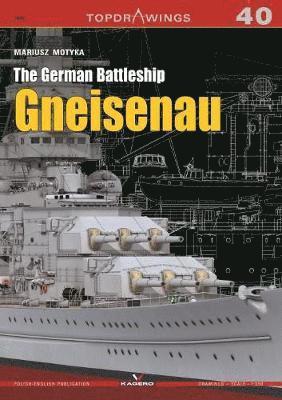
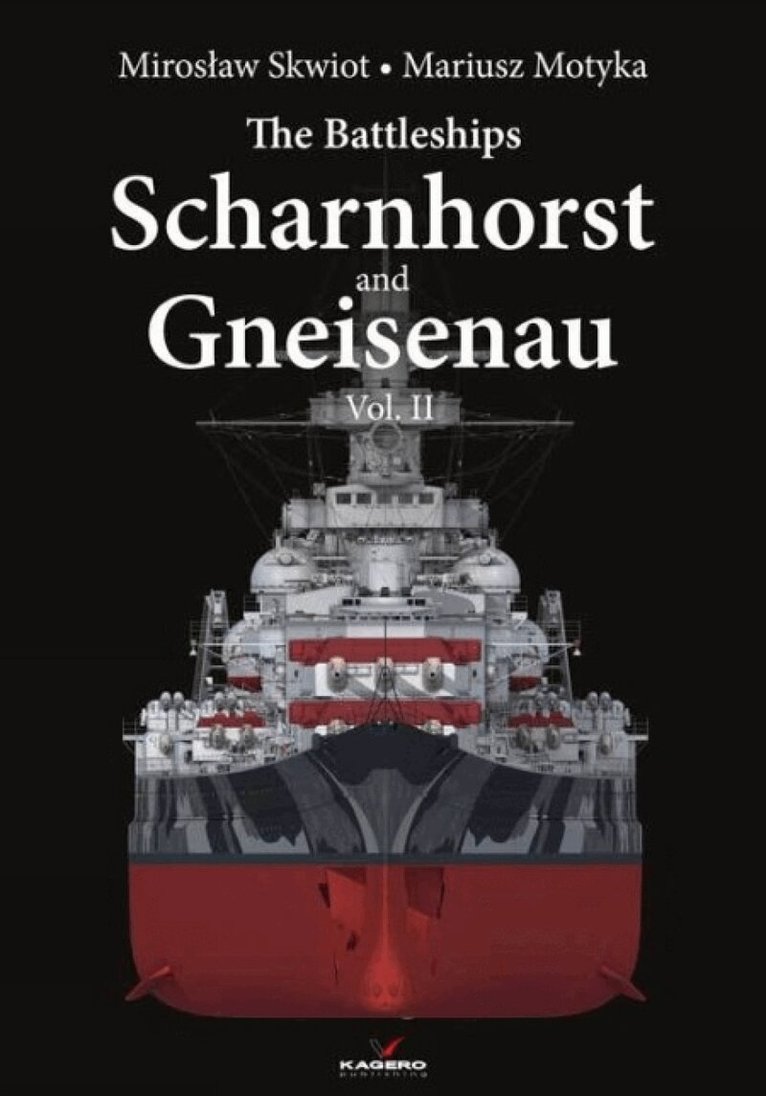
The Kriegsmarine battleships, were in fact only four vessels, introduced during 1935–1941. The first two, Scharnhorst and Gneisenau, were ready before the war and two others, Bismarck and Tirpitz, were commissioned into the fleet after it had begun. That was the biggest achievement in the arming of the German navy conducted by Hitler. Interestingly, all these ships served just a few months, from February to May 1941. In the meantime, Scharnhorst and Gneisenau were stationed in Brest, France; Bismarck was getting ready for raids on the Atlantic; and Tirpitz was finishing her sea trials and getting ready for commissioning. Scharnhorst and Gneisenau had already been through a baptism of fire, which ended with a little victory on the British sea routes. However, staying on the French coast, they constantly were under the threat of air-strikes. The career of Bismarck ended with her sinking though she had successfully attacked British convoys beforehand. As the consequence of that defeat, the German network of sources on the Atlantic was destroyed. From that moment, raids by heavy German battleships became almost impossible to carry out, and they suffered from the ever-expanding control of the Atlantic by the Allies. Despite this, Scharnhorst and Gneisenau escaped to Germany via the English Channel. This extensively illustrated volume captures the detail of these two Kriegsmarine battleships.
178 kr
Skickas
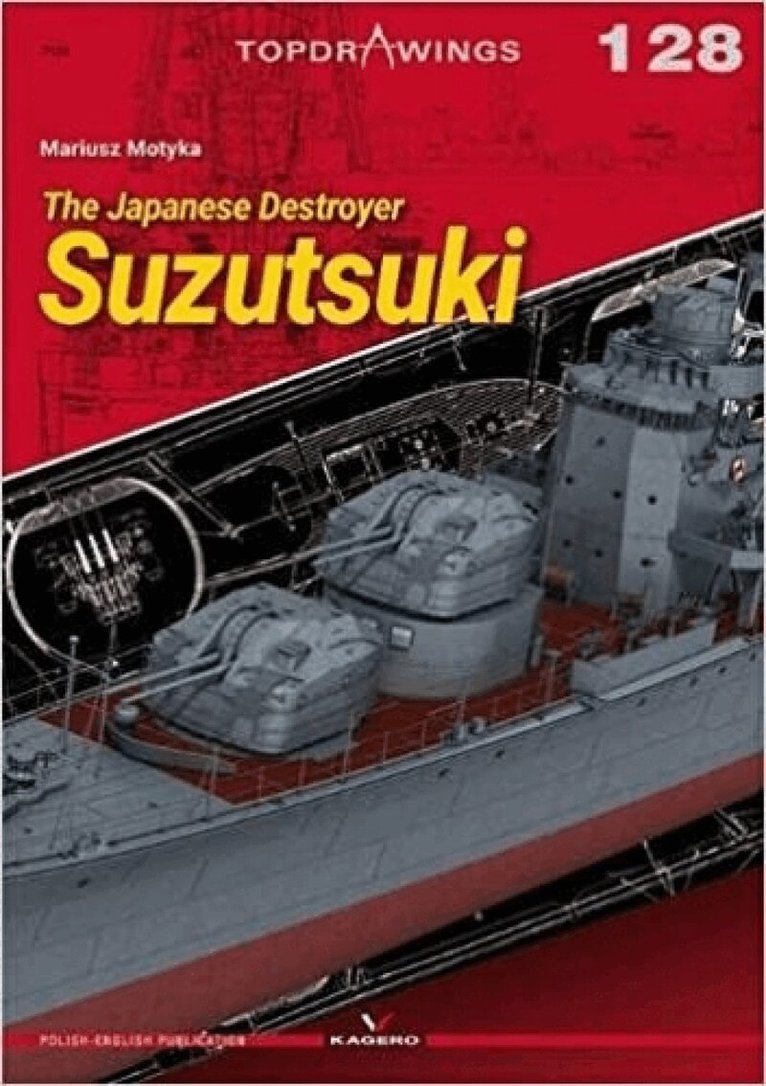
Suzutsuki (Japanese large World War II destroyer) Akizuki type, in service from 1943 to the end of the war. "Suzutsuki" was the third ship in a series of large Akizuki-type destroyers specifically designed as anti-aircraft defense ships, whose main armament consisted of 8 universal guns of 100 mm caliber, with excellent ballistic characteristics.