Marjorie Pryse - Böcker
Visar alla böcker från författaren Marjorie Pryse. Handla med fri frakt och snabb leverans.
3 produkter
3 produkter
264 kr
Skickas inom 7-10 vardagar
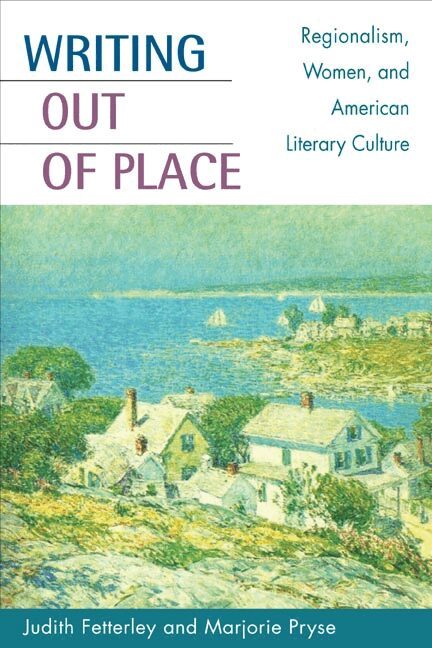
In Writing out of Place, Judith Fetterley and Marjorie Pryse explore a countertradition of nineteenth–century writing previously ignored by American literary history that challenged the definition of nation and literature that emerged after the Civil War.Regionalist writers such as Alice Cary, Mary E. Wilkins Freeman, Sarah Orne Jewett, Grace King, Alice Dunbar–Nelson, Sui Sin Far, and Mary Austin present narrators who serve as cultural interpreters for persons often considered "out of place" by urban readers. Critiquing the approaches to regional subjects characteristic of local color, this book gives contemporary readers a vantage point from which to approach regions and regional people in the global economy of our own time.Reclaiming the ground of "close" reading for texts that have been insufficiently read, Fetterley and Pryse situate textual analyses within larger questions such as the ideology of form, feminist standpoint epistemology, queer theory, intersections of race and class, and narrative empathy. In its combination of the critical and the visionary, Writing out of Place proposes regionalism as a model for narrative connection between texts and readers that has the potential to transform American literary culture. Arguing the need for other models for human development than those produced in heroic stories about men and boys, the authors offer regionalism as a source of unconventional and counterhegemonic fictions that should be passed on to future generations of readers.
238 kr
Skickas inom 10-15 vardagar
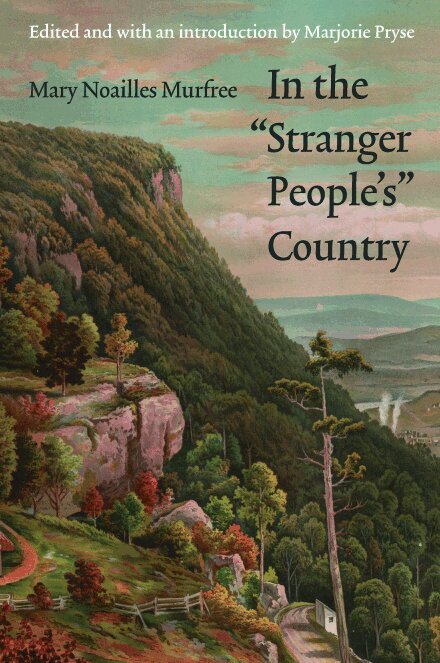
In the "Stranger People's" Country tells the story of contact between a late-nineteenth-century Tennessee mountain community and an amateur archaeologist who wants to open the graves of the prehistoric "leetle stranger people," a source of myth to the mountaineers. A politician looking for votes in the country has invited the archaeologist Shattuck to travel into the mountains with him, but a mountain woman, Adelaide Yates, threatens to shoot anyone who attempts to violate the graves. The courageous mountaineer Felix Guthrie joins the defense of the "stranger people" and competes with Shattuck for the attention of another mountain woman, Letitia Pettingill. Author Mary Noailles Murfree (1850–1922) uses dialect and vivid descriptions of mountain scenes to introduce the reader to Appalachia and its people. She creates respectful representations of Appalachian life and explores some of the changes the arrival of outsiders brought to the mountains. Murfree's depiction of social and aesthetic issues increases our understanding of the nineteenth century and serves as a literary precursor of the twentieth-century Appalachian activist movements to preserve the environment against the strip-mining and chemical industries. This edition of Murfree's 1891 novel, reprinted for the first time, includes notes about Appalachian dialect and the novel's references to archaeology, which have some basis in actual archaeological discoveries in Tennessee.
420 kr
Skickas inom 10-15 vardagar
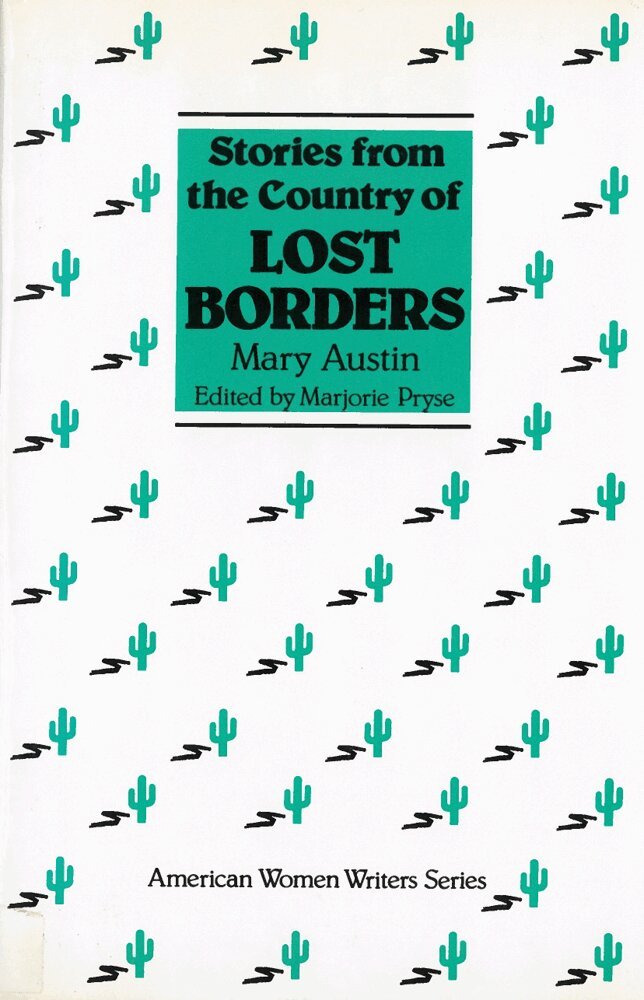
Mary Austin's The Land of Little Rain (1903) and Lost Borders (1909), both set in the California desert, make intimate connections between animals, people, and the land they inhabit. For Austin, the two indispensable conditions of her fiction were that the region must enter the story "as another character, as the instigator of plot," and that the story must reflect "the essential qualities of the land."In The Land of Little Rain, Austin's attention to natural detail allows her to write prose that is geologically, biologically, and botanically accurate at the same time that it offers metaphorical insight into human emotional and spiritual experience. In Lost Borders, Austin focuses on both white and Indian women's experiences in the desert, looks for the sources of their deprivation, and finds them in the ways life betrays them, usually in the guise of men. She offers several portraits of strong women characters but ultimately identifies herself with the desert, which she personifies as a woman.