Mark A. Russell – författare
Visar alla böcker från författaren Mark A. Russell. Handla med fri frakt och snabb leverans.
7 produkter
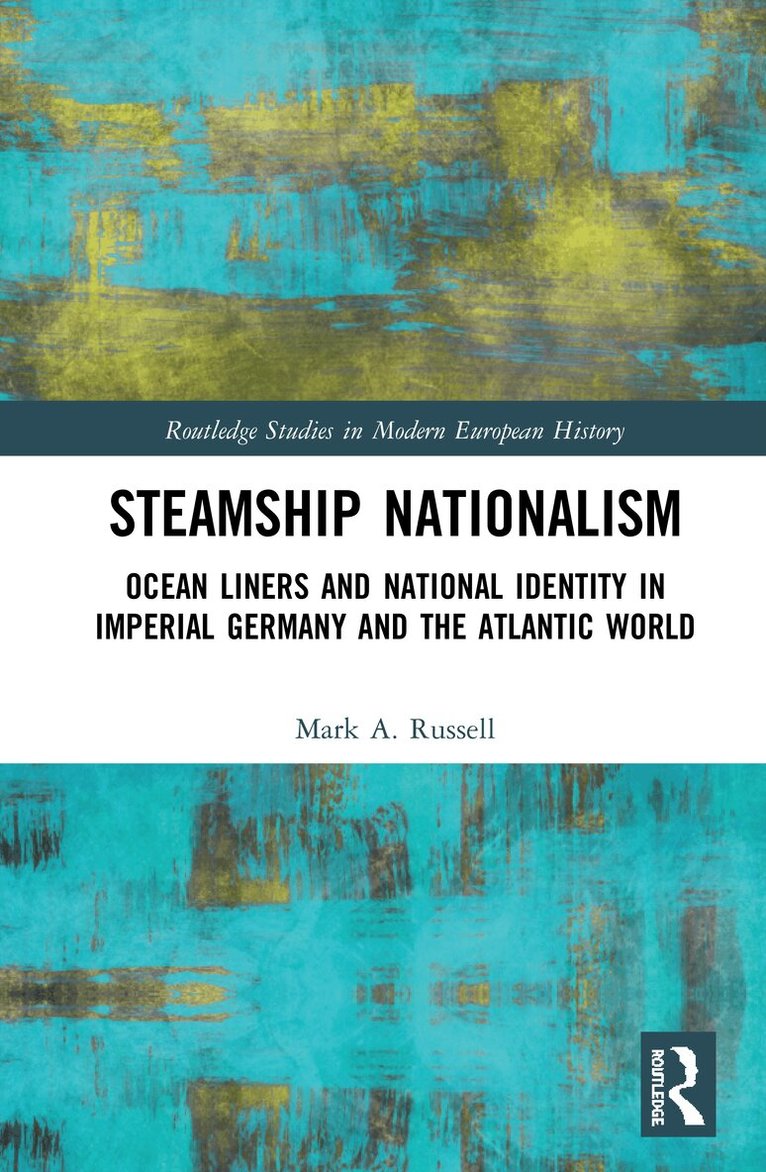
Steamship Nationalism
Ocean Liners and National Identity in Imperial Germany and the Atlantic World
Inbunden, 2020
2586 kr
Lägg i varukorg
Steamship Nationalism is a cultural, social, and political history of the S.S. Imperator, Vaterland, and Bismarck. Transatlantic passenger steamships launched by the Hamburg-Amerikanische Packetfahrt-Aktien-Gesellschaft (HAPAG) between 1912 and 1914, they do not enjoy the international fame of …
Steamship Nationalism
Ocean Liners and National Identity in Imperial Germany and the Atlantic World
E-bok, 2020
856 kr
Lägg i varukorg
Steamship Nationalism is a cultural, social, and political history of the S.S. Imperator , Vaterland , and Bismarck . Transatlantic passenger steamships launched by the Hamburg-Amerikanische Packetfahrt-Aktien-Gesellschaft (HAPAG) between 1912 and 1914, they do not enjoy the international fame of …
Steamship Nationalism
Ocean Liners and National Identity in Imperial Germany and the Atlantic World
E-bok, 2020
856 kr
Lägg i varukorg
Steamship Nationalism is a cultural, social, and political history of the S.S. Imperator , Vaterland , and Bismarck . Transatlantic passenger steamships launched by the Hamburg-Amerikanische Packetfahrt-Aktien-Gesellschaft (HAPAG) between 1912 and 1914, they do not enjoy the international fame of …
Steamship Nationalism
Ocean Liners and National Identity in Imperial Germany and the Atlantic World
Häftad, 2021
727 kr
Lägg i varukorg
Steamship Nationalism is a cultural, social, and political history of the S.S. Imperator, Vaterland, and Bismarck. Transatlantic passenger steamships launched by the Hamburg-Amerikanische Packetfahrt-Aktien-Gesellschaft (HAPAG) between 1912 and 1914, they do not enjoy the international fame of …
Lessons in Christianity from Man's Best Friend
Man''s Best Friend Teaches One How to Become Better Companion and Friend for God.
E-bok, 2011
116 kr
Lägg i varukorg
Read "Lessons in Christianity from Man''s Best Friend" and have a better understanding of your relationship with God, family and friends. A Bible study for those who like dogs. If you are already a Christian, it will help strengthen your faith. For a new Christian or still in doubt, look to your …
Lessons in Christianity from Man's Best Friend
Man's Best Friend Teaches One How to Become Better Companion and Friend for God.
Häftad, 2011
155 kr
Lägg i varukorg
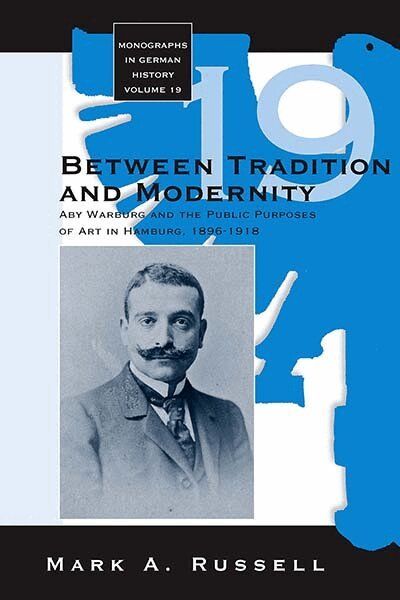
Between Tradition and Modernity
Aby Warburg and the Public Purposes of Art in Hamburg
Inbunden, 2007
1916 kr
Lägg i varukorg
Aby Warburg (1866-1929), founder of the Warburg Institute, was one of the most influential cultural historians of the twentieth century. Focusing on the period 1896-1918, this is the first in-depth, book-length study of his response to German political, social and cultural modernism. It analyses …