Mark A. Uebersax - Böcker
Visar alla böcker från författaren Mark A. Uebersax. Handla med fri frakt och snabb leverans.
4 produkter
4 produkter
1 749 kr
Tillfälligt slut
4 452 kr
Skickas inom 11-20 vardagar
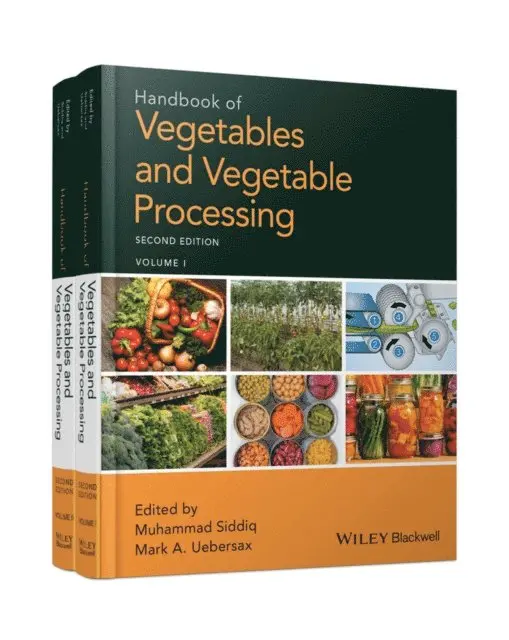
Handbook of Vegetables and Vegetable Processing, Second Edition is the most comprehensive guide on vegetable technology for processors, producers, and users of vegetables in food manufacturing.This complete handbook contains 42 chapters across two volumes, contributed by field experts from across the world. It provides contemporary information that brings together current knowledge and practices in the value-chain of vegetables from production through consumption. The book is unique in the sense that it includes coverage of production and postharvest technologies, innovative processing technologies, packaging, and quality management.Handbook of Vegetables and Vegetable Processing, Second Edition covers recent developments in the areas of vegetable breeding and production, postharvest physiology and storage, packaging and shelf life extension, and traditional and novel processing technologies (high-pressure processing, pulse-electric field, membrane separation, and ohmic heating). It also offers in-depth coverage of processing, packaging, and the nutritional quality of vegetables as well as information on a broader spectrum of vegetable production and processing science and technology. Coverage includes biology and classification, physiology, biochemistry, flavor and sensory properties, microbial safety and HACCP principles, nutrient and bioactive propertiesIn-depth descriptions of key processes including, minimal processing, freezing, pasteurization and aseptic processing, fermentation, drying, packaging, and application of new technologiesEntire chapters devoted to important aspects of over 20 major commercial vegetables including avocado, table olives, and textured vegetable proteinsThis important book will appeal to anyone studying or involved in food technology, food science, food packaging, applied nutrition, biosystems and agricultural engineering, biotechnology, horticulture, food biochemistry, plant biology, and postharvest physiology.
2 534 kr
Skickas inom 7-10 vardagar
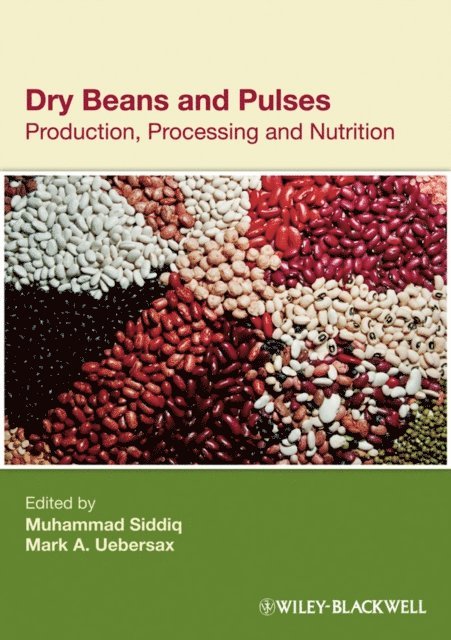
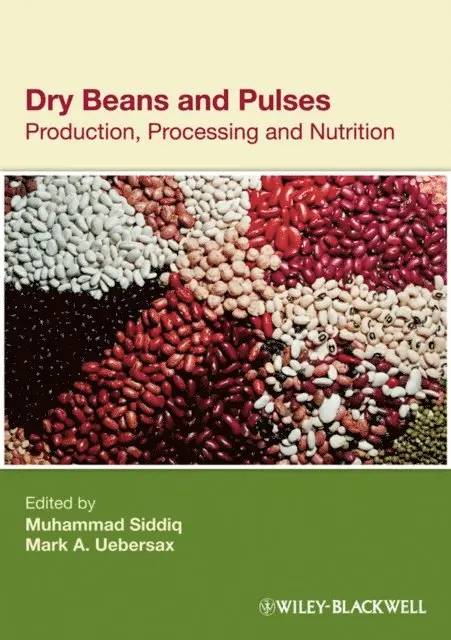
Dry Beans and PulsesThe second edition of the most complete and authoritative reference on dry beans production, processing, and nutrition availableSince the first edition of Dry Beans and Pulses: Production, Processing, and Nutrition was published in 2012, the popularity of pulse crops as sustainable, nutritionally-rich food ingredients for alternate meat and other food products has increased significantly beyond traditional utilization. Retaining its distinctive value-chain approach to the subject, the new edition is fully revised to provide up-to-date coverage of breeding, composition, quality, nutritional profiles, postharvest and processing technologies, food safety and security, significance to human health, and more.A team of more than fifty contributors review recent research, consumer trends, new products, and food security issues in dry beans processing and value-added practices. New chapters address Hard-to-cook phenomenon and other storage-induced quality defects, quality assessment of raw and processed legumes using innovative technologies, utilization of dry beans and pulses as ingredients in diverse food products, and the production, processing, and nutritional profile of Faba beans and chickpeas and lentils. Covering both traditional and non-traditional bean classes, this comprehensive volume: Features new topics, expanded discussion, updated references, and additional figures and tables throughoutProvides in-depth information on key aspects of production technologies, value-added processing, and Culinology®Examines global production and consumption, packaging and distribution, and nutrient bioavailability of bioactive compoundsHighlights worldwide efforts to improve the quality and utilization of dry beans and pulsesDiscusses emerging trends and new applications of antioxidant properties of dry beans as functional foodsFeatures chapters written by experts in disciplines such as crop science, horticulture, food science and technology, food biochemistry and engineering, and nutritional and environmental sciencesDry Beans and Pulses: Production, Processing, and Nutrition, Second Edition remains required reading for food scientists, nutritionists, agronomists, researchers, food processing specialists, and food security experts, food engineers and chemists involved in dry beans processing and value-added technologies.
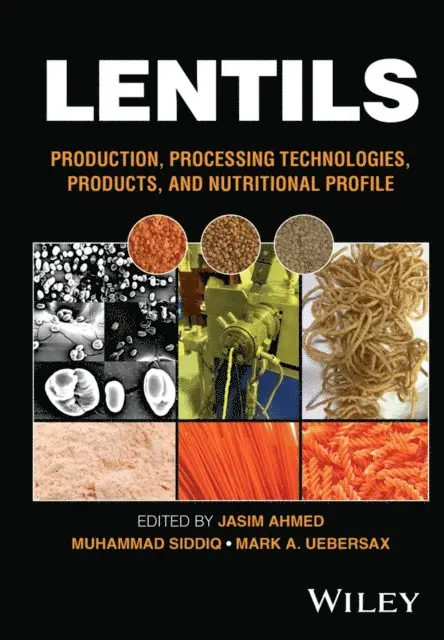
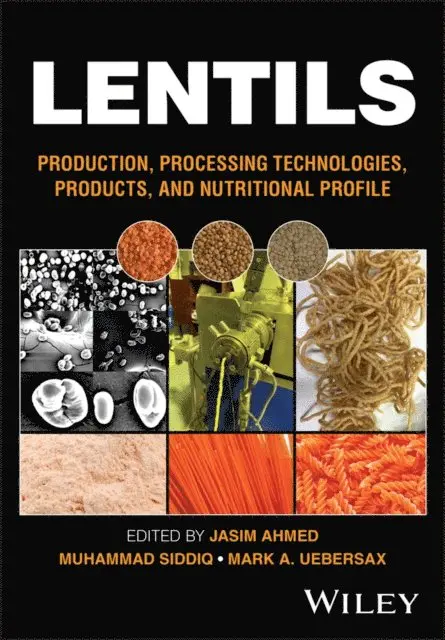
Lentils
Production, Processing Technologies, Products, and Nutritional Profile
Inbunden, Engelska, 2023
1 952 kr
Skickas inom 7-10 vardagar
LENTILS Understand the future of plant protein with this comprehensive overview Lentils are one of the oldest and most widely cultivated crop species in the world and a leading global source of protein, carbohydrates, and dietary fiber, as well as numerous micro-nutrients. In recent years, they have emerged as a leading candidate to form the basis of non-meat protein substitutes, a skyrocketing industry with immense climate and public health implications. There has never been a more urgent need to understand the cultivation and use of these flexible, resource-rich crops. Lentils provides a comprehensive overview of every stage in the lentil production chain, from cultivation to processing to sale to consumption. It focuses particularly on pre- and post-harvest processing, alerting readers to the possibilities of lentils in a newly health and environmentally conscious global food marketplace. The result is a thorough, highly accessible, and navigable introduction to a vital subject. The reader can also find: Detailed coverage of lentils including global production/trade, breeding practices, value-addition, nutrition, consumption trends, and quality assessmentInnovative three-part structure to facilitate reader navigationDedicated chapters on lentil-based meat analogs, engineering properties, and innovative processing technologiesThe book can be used as a useful reference for academics and researchers who are working in the fields of food science, food technology, food process engineering, and applied nutrition, as well as for food industry professionals and government regulators with an interest in food production, food security, and the global food market dynamics.