Mark A. Weitz – författare
Visar alla böcker från författaren Mark A. Weitz. Handla med fri frakt och snabb leverans.
12 produkter
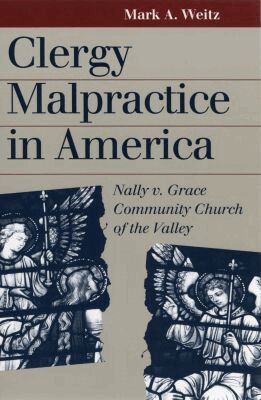
Clergy Malpractice in America
Nally V. Grace Community Church of the Valley
Häftad, 2001
305 kr
Lägg i varukorg
Nally v. Grace Community Church of the Valley was America's first case to allege ""clergy malpractice,"" one that challenged the freedom of religious leaders to counsel their parishioners. The case is as much a story of modern America as it is an account of courtroom proceedings.
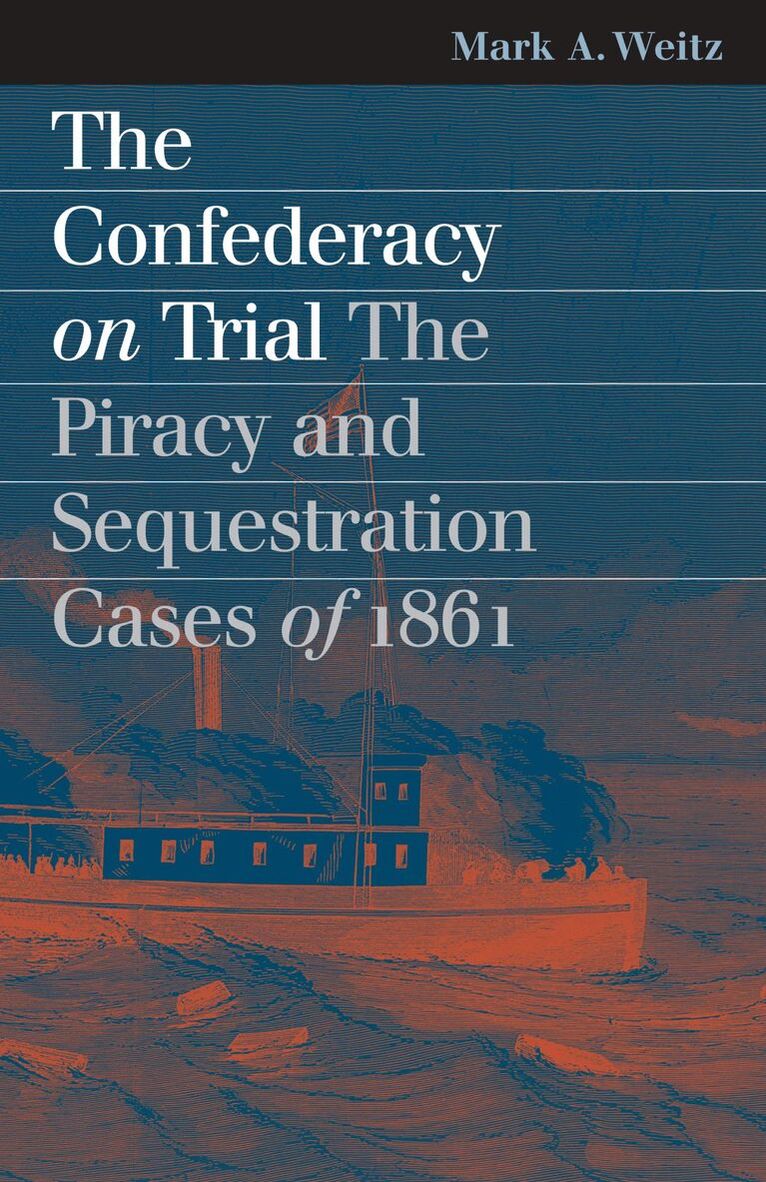
Confederacy on Trial
The Piracy and Sequestration Cases of 1861
Häftad, 2005
342 kr
Lägg i varukorg
In the annals of Civil War history, one dispute remains unsettled: was the United States waging war against another nation or putting down an internal rebellion? In 1861 three legal battles put this question to the test. As Mark Weitz reveals, these proceedings were instrumental in debating and …
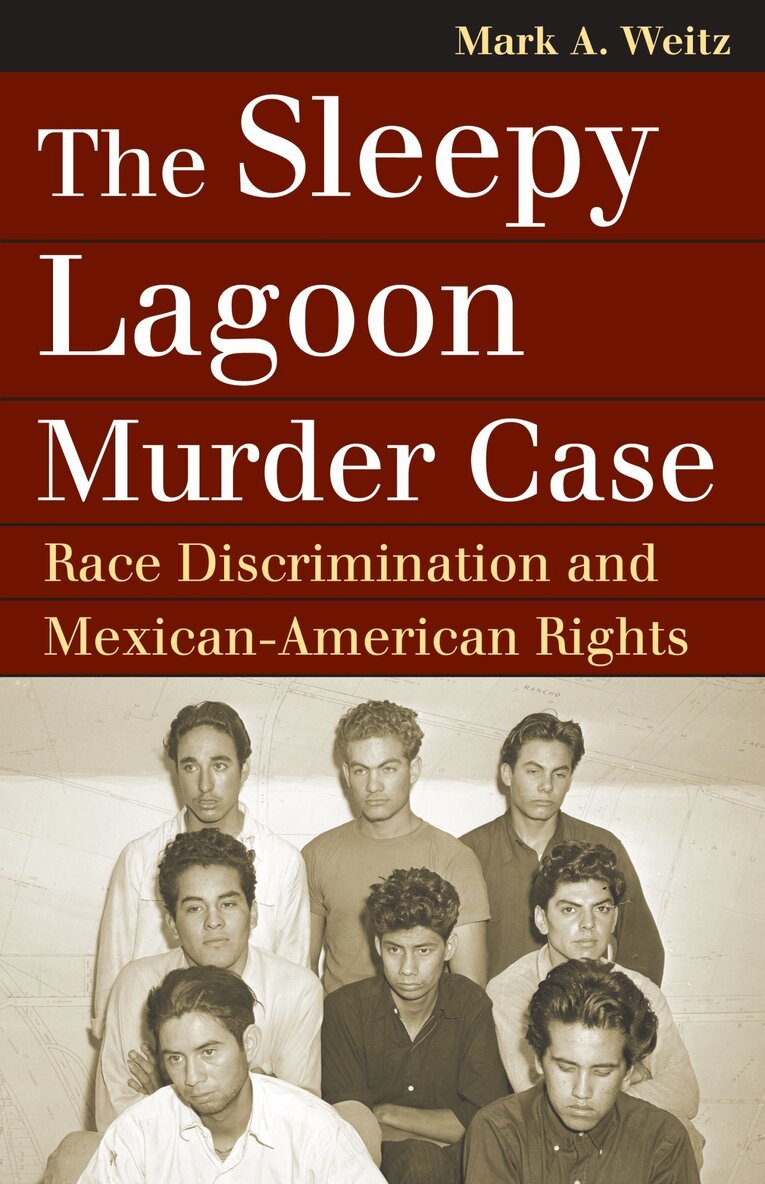
Sleepy Lagoon Murder Case
Race Discrimination and Mexican-American Rights
Inbunden, 2010
1035 kr
Lägg i varukorg
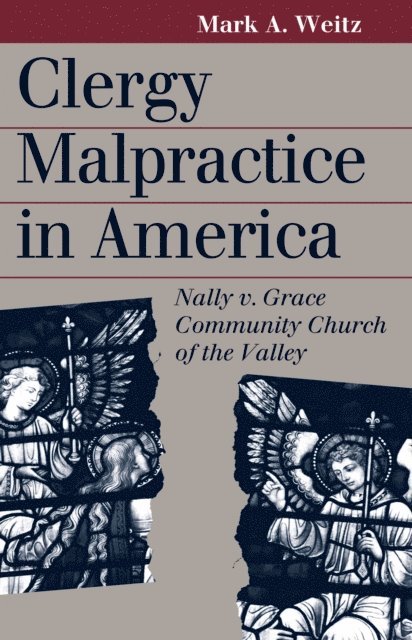
Clergy Malpractice in America
Nally v. Grace Community Church of the Valley
E-bok, 2024
399 kr
Lägg i varukorg
Can faith-based counselors be held to the same standard of legal accountability as secular ones? Or does the broad shield of religious freedom protect them absolutely, no matter how incompetent or negligent their actions might be? After Kenneth Nally put a shotgun to his head and pulled the trigger …
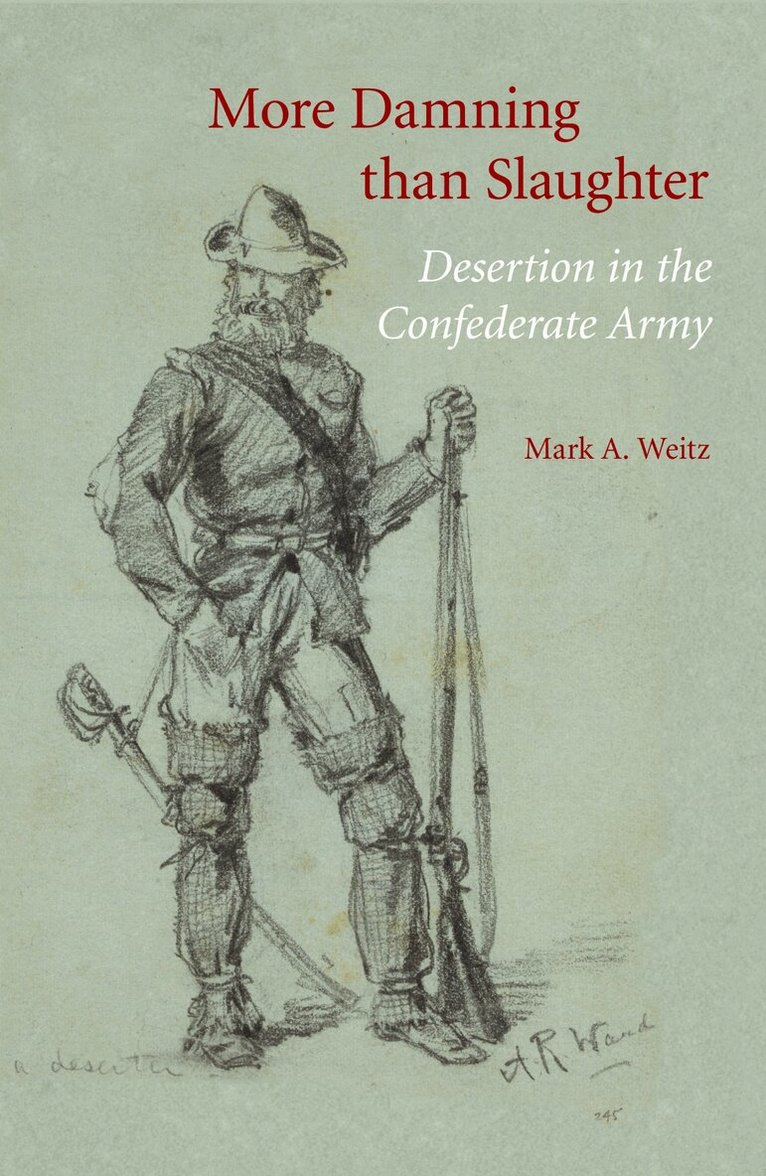
More Damning Than Slaughter
Desertion in the Confederate Army
Häftad, 2008
283 kr
Lägg i varukorg
More Damning than Slaughter is the first broad study of desertion in the Confederate army. Incorporating extensive archival research with a synthesis of other secondary material, Mark A. Weitz confronts a question never fully addressed until now: did desertion hurt the Confederacy? Coupled with …
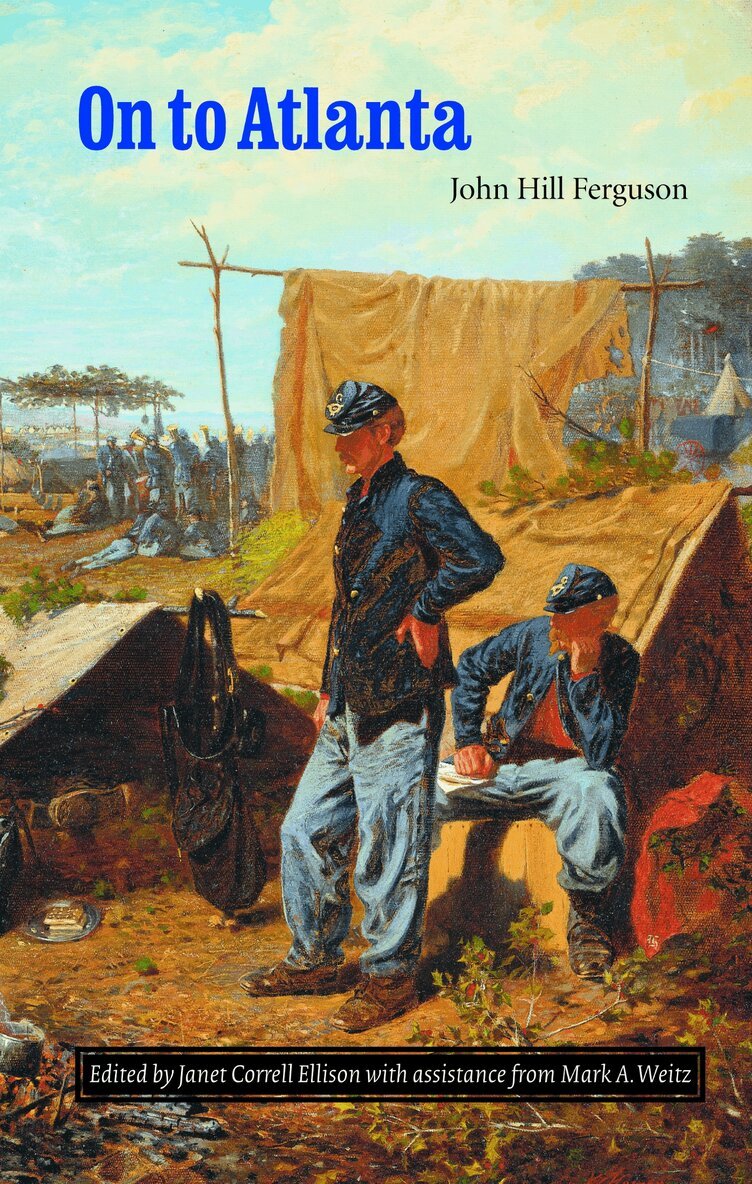
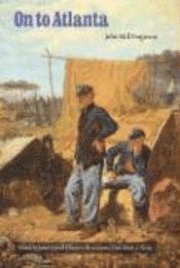
On to Atlanta
The Civil War Diaries of John Hill Ferguson, Illinois Tenth Regiment of Volunteers
Av John Hill Ferguson, Janet Correll Ellison m. fl.
Häftad, 2008
233 kr
Lägg i varukorg
Historians have shown us the drama and sweep of the swathe Sherman's March cut through the South. Officers have bequeathed us accounts of what happened in strategic and practical terms. But for a gritty, day-by-day, on-the-ground view of what the march to Atlanta meant to the common soldier, …
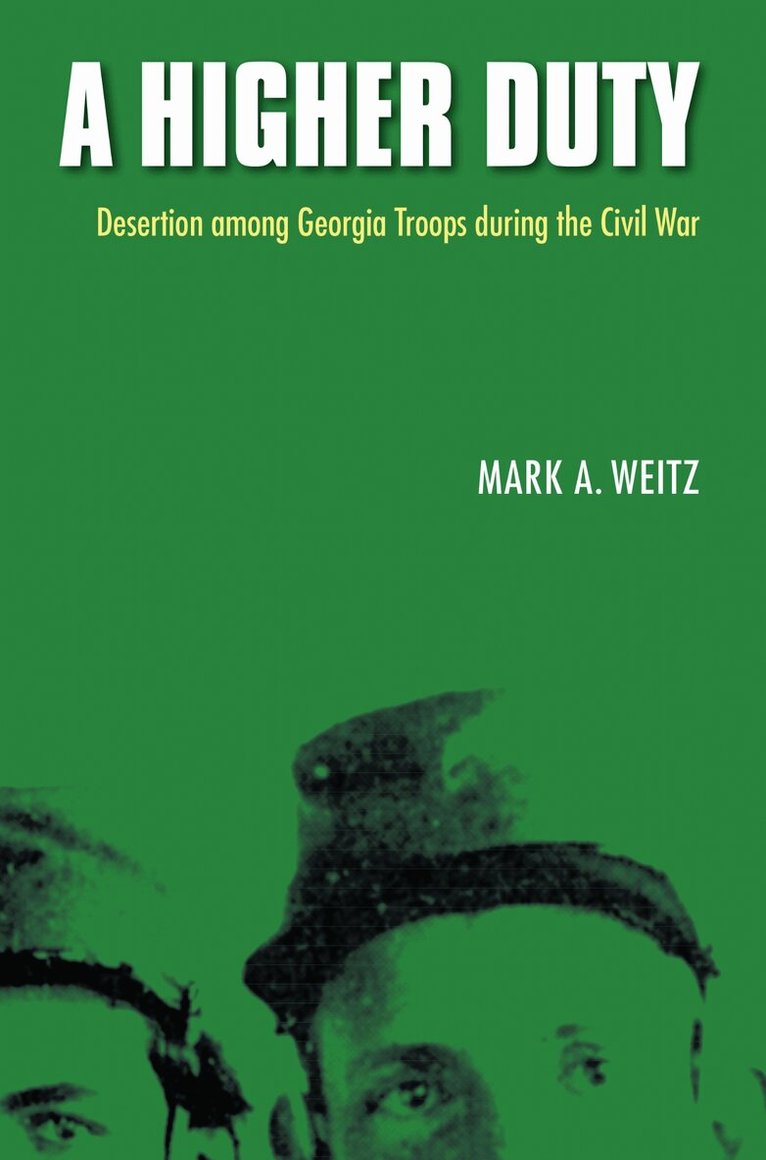
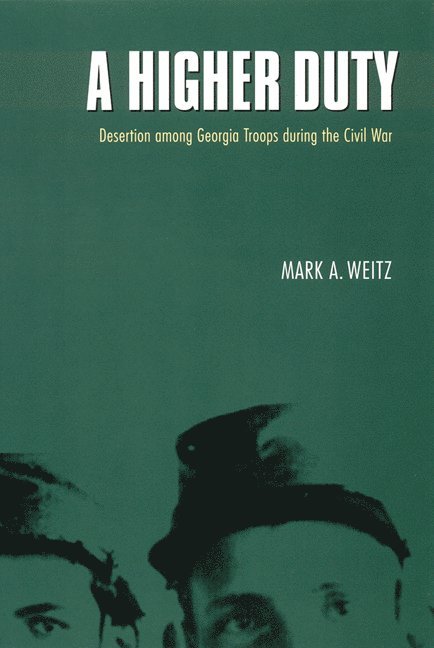
Higher Duty
Desertion Among Georgia Troops During the Civil War
Häftad, 2005
283 kr
Lägg i varukorg
This book addresses the most important issues associated with Confederate desertion. How many soldiers actually deserted, when did they desert, and why? What does Confederate desertion say about Confederate nationalism and the war effort? Mark A. Weitz has taken his argument beyond the obvious …
Clergy Malpractice in America
Nally V. Grace Community Church of the Valley
Inbunden, 2001
1036 kr
Tillfälligt slut
Nally v. Grace Community Church of the Valley was America's first case to allege ""clergy malpractice,"" one that challenged the freedom of religious leaders to counsel their parishioners. The case is as much a story of modern America as it is an account of courtroom proceedings.
Confederacy on Trial
The Piracy and Sequestration Cases of 1861
Inbunden, 2005
1160 kr
Tillfälligt slut
In the annals of Civil War history, one dispute remains unsettled: was the United States waging war against another nation or putting down an internal rebellion? In 1861 three legal battles put this question to the test. As Mark Weitz reveals, these proceedings were instrumental in debating and …
Sleepy Lagoon Murder Case
Race Discrimination and Mexican-American Rights
Häftad, 2010
338 kr
Tillfälligt slut
On to Atlanta
Av John Hill Ferguson, Janet Correll Ellison m. fl.
Inbunden, 2001
261 kr
Tillfälligt slut
Historians have shown us the drama and sweep of the swathe Sherman's March cut through the South. Officers have bequeathed us accounts of what happened in strategic and practical terms. But for a gritty, day-by-day, on-the-ground view of what the march to Atlanta meant to the common soldier, …
Higher Duty
Desertion Among Georgia Troops During the Civil War
Inbunden, 2000
367 kr
Tillfälligt slut
This book addresses the most important issues associated with Confederate desertion. How many soldiers actually deserted, when did they desert, and why? What does Confederate desertion say about Confederate nationalism and the war effort? Mark A. Weitz has taken his argument beyond the obvious …