Mark Andrejevic – författare
Visar alla böcker från författaren Mark Andrejevic. Handla med fri frakt och snabb leverans.
23 produkter
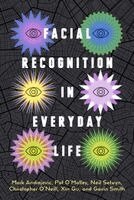
Facial Recognition in Everyday Life
Av Mark Andrejevic, Neil Selwyn m. fl.
Häftad, 2027
281 kr
Kommande
Facial recognition technology is one of the defining surveillance technologies of our time, and as the technology continues to develop it is urgently important to consider the ways in which it amplifies and reconfigures power relations.While much of the critical work on facial recognition …
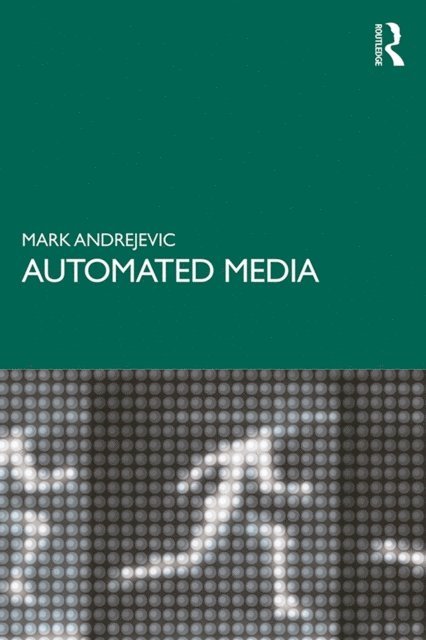
Automated Media
E-bok, 2019
695 kr
Lägg i varukorg
In this era of pervasive automation, Mark Andrejevic provides an original framework for tracing the logical trajectory of automated media and their social, political, and cultural consequences. This book explores the cascading logic of automation, which develops from the information collection …
Automated Media
Häftad, 2019
606 kr
Lägg i varukorg
In this era of pervasive automation, Mark Andrejevic provides an original framework for tracing the logical trajectory of automated media and their social, political, and cultural consequences. This book explores the cascading logic of automation, which develops from the information collection …
What's Become of Australian Cultural Studies?
The Legacies of Graeme Turner
Av Gerard Goggin, Anna Pertierra m. fl.
Häftad, 2019
475 kr
Lägg i varukorg
Cultural studies face a complicated yet rich future, proving both flexible and resilient in many countries. Against this backdrop, this book offers a fresh perspective on the state of the field of cultural studies, via an evaluation of the work of one of its key thinkers – Graeme Turner – and the …
Automated Media
Inbunden, 2019
2521 kr
Lägg i varukorg
In this era of pervasive automation, Mark Andrejevic provides an original framework for tracing the logical trajectory of automated media and their social, political, and cultural consequences. This book explores the cascading logic of automation, which develops from the information collection …
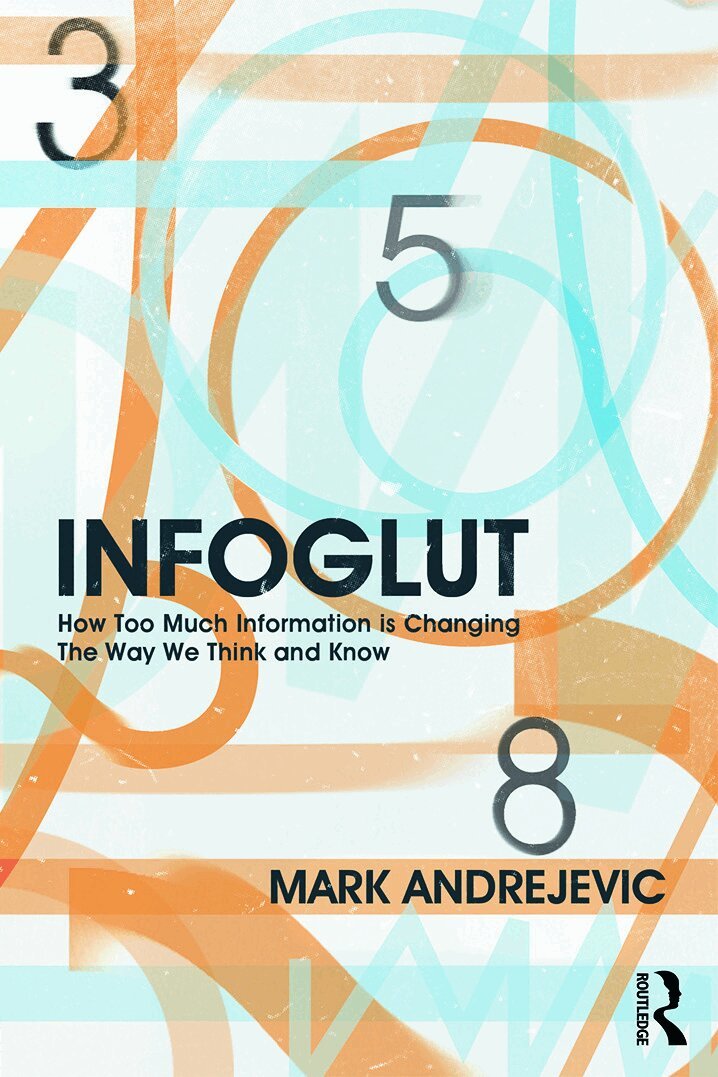
Infoglut
How Too Much Information Is Changing the Way We Think and Know
Inbunden, 2013
2749 kr
Lägg i varukorg
Today, more mediated information is available to more people than at any other time in human history. New and revitalized sense-making strategies multiply in response to the challenges of "cutting through the clutter" of competing narratives and taming the avalanche of information. Data miners, …
Infoglut
How Too Much Information Is Changing the Way We Think and Know
Häftad, 2013
751 kr
Lägg i varukorg
Today, more mediated information is available to more people than at any other time in human history. New and revitalized sense-making strategies multiply in response to the challenges of "cutting through the clutter" of competing narratives and taming the avalanche of information. Data miners, …
Automated Media
E-bok, 2019
710 kr
Lägg i varukorg
In this era of pervasive automation, Mark Andrejevic provides an original framework for tracing the logical trajectory of automated media and their social, political, and cultural consequences. This book explores the cascading logic of automation, which develops from the information collection …
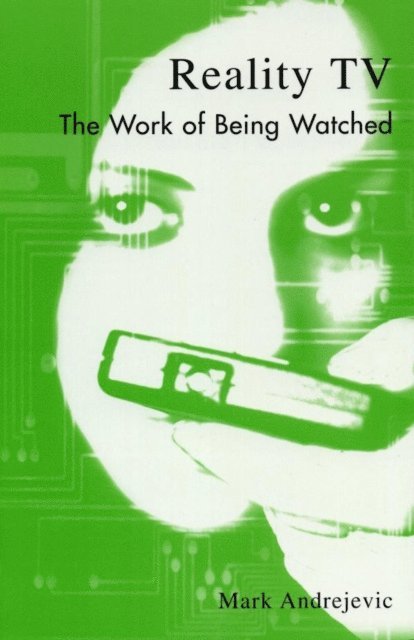
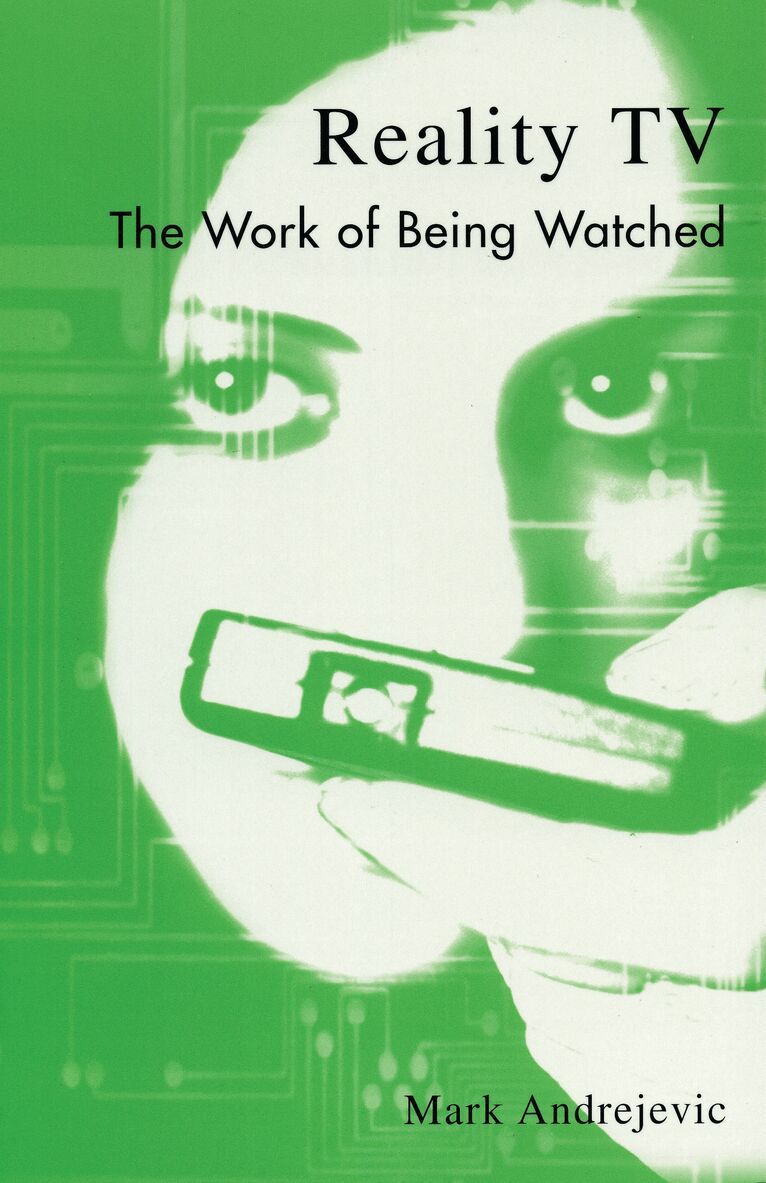
Reality TV
The Work of Being Watched
E-bok, 2004
701 kr
Lägg i varukorg
Drawing on cultural theory and interviews with fans, cast members and producers, this book places the reality TV trend within a broader social context, tracing its relationship to the development of a digitally enhanced, surveillance-based interactive economy and to a savvy mistrust of mediated …
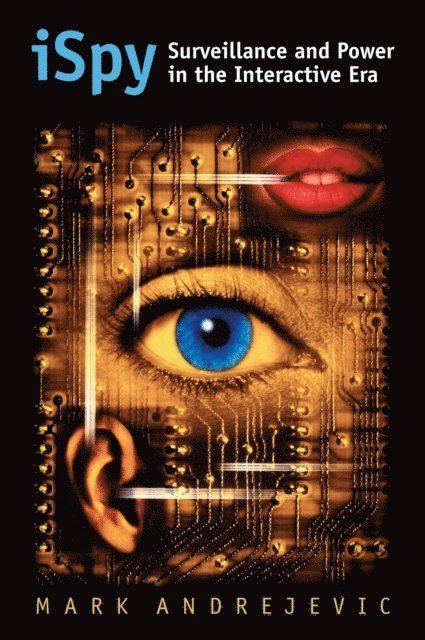
ISpy
Surveillance and Power in the Interactive Era
Häftad, 2007
389 kr
Lägg i varukorg
'This book will change the way you think about today's new media technologies' - Daniel J. Solove, author of ""The Digital Person: Technology and Privacy in the Information Age"". Whether you're purchasing groceries with your Safeway 'club card' or casting a vote on ""American Idol"", those data …
iSpy
Surveillance and Power in the Interactive Era
E-bok, 2024
288 kr
Lägg i varukorg
Choice Outstanding Title Whether you’re purchasing groceries with your Safeway “club card” or casting a vote on American Idol, that data is being collected. From Amazon to iTunes, cell phones to GPS devices, Google to TiVo—all of these products and services give us an expansive sense of choice, …
Reality TV
The Work of Being Watched
Häftad, 2003
644 kr
Lägg i varukorg
Drawing on cultural theory and interviews with fans, cast members and producers, this book places the reality TV trend within a broader social context, tracing its relationship to the development of a digitally enhanced, surveillance-based interactive economy and to a savvy mistrust of mediated …
What's Become of Australian Cultural Studies?
The Legacies of Graeme Turner
Av Melissa Gregg, Mark Andrejevic m. fl.
E-bok, 2018
527 kr
Lägg i varukorg
Cultural studies face a complicated yet rich future, proving both flexible and resilient in many countries. Against this backdrop, this book offers a fresh perspective on the state of the field of cultural studies, via an evaluation of the work of one of its key thinkers – Graeme Turner – and …
What's Become of Australian Cultural Studies?
The Legacies of Graeme Turner
Av Melissa Gregg, Mark Andrejevic m. fl.
E-bok, 2018
539 kr
Lägg i varukorg
Cultural studies face a complicated yet rich future, proving both flexible and resilient in many countries. Against this backdrop, this book offers a fresh perspective on the state of the field of cultural studies, via an evaluation of the work of one of its key thinkers – Graeme Turner – and …
Infoglut
How Too Much Information Is Changing the Way We Think and Know
E-bok, 2013
883 kr
Lägg i varukorg
Today, more mediated information is available to more people than at any other time in human history. New and revitalized sense-making strategies multiply in response to the challenges of "cutting through the clutter" of competing narratives and taming the avalanche of information. Data miners, …
Infoglut
How Too Much Information Is Changing the Way We Think and Know
E-bok, 2013
864 kr
Lägg i varukorg
Today, more mediated information is available to more people than at any other time in human history. New and revitalized sense-making strategies multiply in response to the challenges of "cutting through the clutter" of competing narratives and taming the avalanche of information. Data miners, …
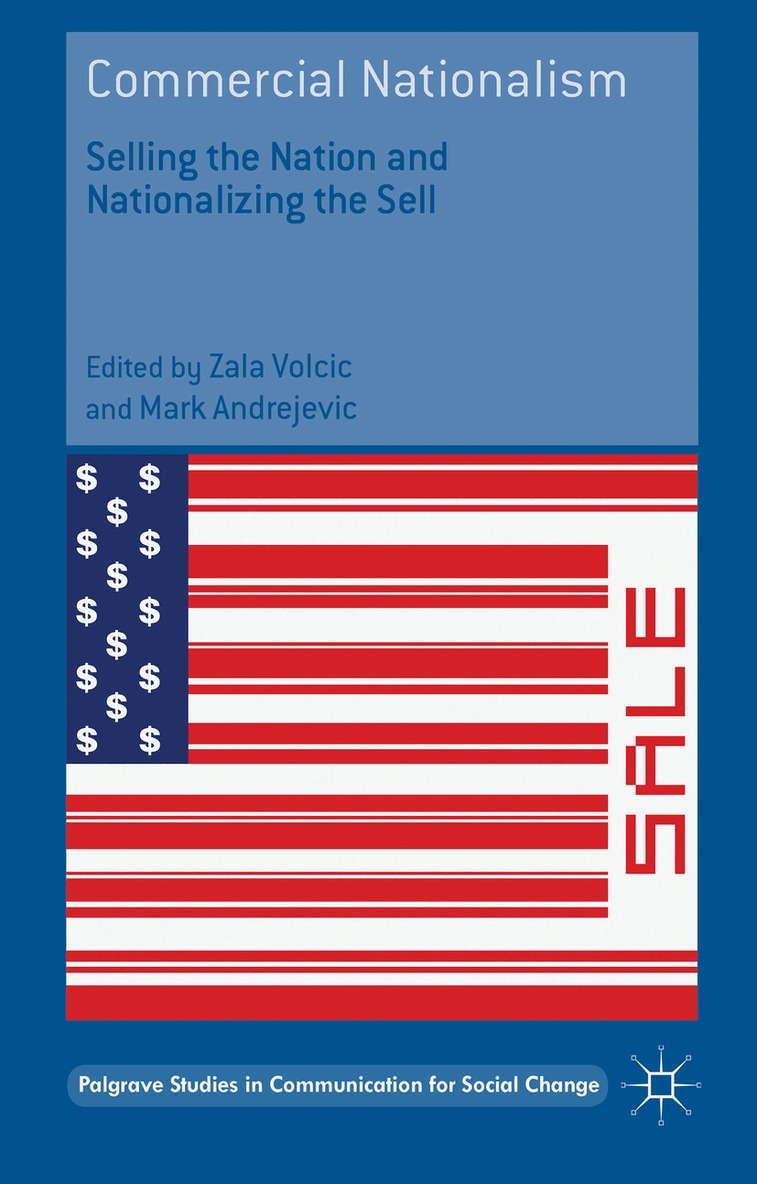
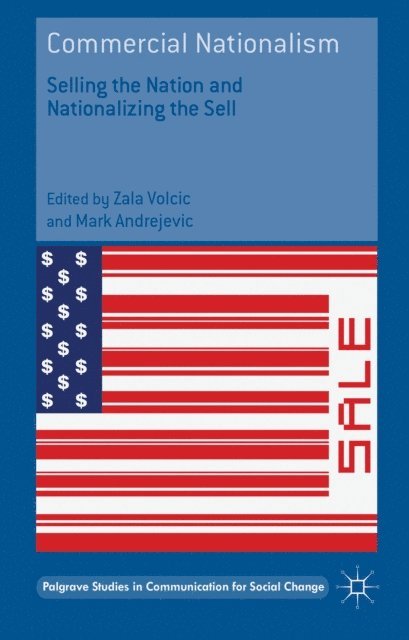
Commercial Nationalism
Selling the Nation and Nationalizing the Sell
Av Zala Volcic, Mark Andrejevic
Inbunden, 2015
1096 kr
Lägg i varukorg
This book intervenes in discussions of the fate of nationalism and national identity by exploring the relationship between state appropriation of marketing and branding strategies on the one hand, and, on the other, the commercial mobilization of nationalist discourses.
Commercial Nationalism
Selling the Nation and Nationalizing the Sell
Av Mark Andrejevic, Zala Volcic
E-bok, 2016
1426 kr
Lägg i varukorg
This book intervenes in discussions of the fate of nationalism and national identity by exploring the relationship between state appropriation of marketing and branding strategies on the one hand, and, on the other, the commercial mobilization of nationalist discourses.
What's Become of Australian Cultural Studies?
The Legacies of Graeme Turner
Av Gerard Goggin, Anna Pertierra m. fl.
Inbunden, 2016
1527 kr
Lägg i varukorg
Cultural studies face a complicated yet rich future, proving both flexible and resilient in many countries. Against this backdrop, this book offers a fresh perspective on the state of the field of cultural studies, via an evaluation of the work of one of its key thinkers – Graeme Turner – and the …
Facial Recognition in Everyday Life
Av Mark Andrejevic, Neil Selwyn m. fl.
Inbunden, 2027
1247 kr
Kommande
Facial recognition technology is one of the defining surveillance technologies of our time, and as the technology continues to develop it is urgently important to consider the ways in which it amplifies and reconfigures power relations.While much of the critical work on facial recognition …
Facial Recognition
Av Mark Andrejevic, Neil Selwyn
Inbunden, 2022
630 kr
Lägg i varukorg
Facial recognition is set to fundamentally change our experience and understanding of monitoring, surveillance, and privacy. Backed by powerful industry interests, this technology is being integrated into many areas of society – from airports to shopping malls, classrooms to casinos. Despite the …
Facial Recognition
Av Mark Andrejevic, Neil Selwyn
Häftad, 2022
215 kr
Lägg i varukorg
Facial recognition is set to fundamentally change our experience and understanding of monitoring, surveillance, and privacy. Backed by powerful industry interests, this technology is being integrated into many areas of society – from airports to shopping malls, classrooms to casinos. Despite the …
Facial Recognition
Av Neil Selwyn, Mark Andrejevic
E-bok, 2022
245 kr
Lägg i varukorg
Facial recognition is set to fundamentally change our experience and understanding of monitoring, surveillance, and privacy. Backed by powerful industry interests, this technology is being integrated into many areas of society – from airports to shopping malls, classrooms to casinos. Despite the …