Mark J. Gehrie - Böcker
Visar alla böcker från författaren Mark J. Gehrie. Handla med fri frakt och snabb leverans.
4 produkter
4 produkter
377 kr
Skickas inom 10-15 vardagar
Impasse and Innovation in Psychoanalysis offers a rare perspective on the technical difficulties and creative responses to them that typify clinical psychoanalysis. The four seminars at the heart of this volume are not case reports in the usual sense. Rather, each seminar revolves around the challenges of translating an understanding of difficult process issues into an effective therapeutic response. What emerges in each case is a vivid picture of an analyst's subjective experience in conceptualizing and managing a particularly demanding treatment, supplemented by data about the patient's history and free associations and enlivened by seminar leader John Gedo's challenging questions and clinical commentary.Each seminar is framed by Mark Gehrie's introduction and commentary, the latter addressing the interplay of theory and technique in the preceding case. Gehrie's commentary is then followed by Gedo's notes, which are keyed to specific points in the seminar transcript. Gedo not only clarifies issues left in doubt by the original discussion but offers his own second thoughts about the clinical material and its technical handling.The uniquely dialogic format of this volume brings different voices to bear on issues at the forefront of the evolution of clinical psychoanalysis. Edifying reading for practicing analysts and analytic therapists, Impasse and Innovation in Psychoanalysis is a wonderful teaching tool, introducing candidates, residents, and students to the demands of coping with stressful transferences and enactments and sparkling, throughout, with Gedo's wit and wisdom.
1 258 kr
Skickas inom 7-10 vardagar
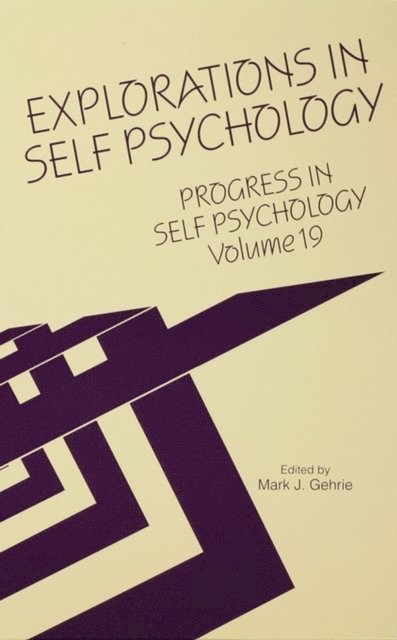
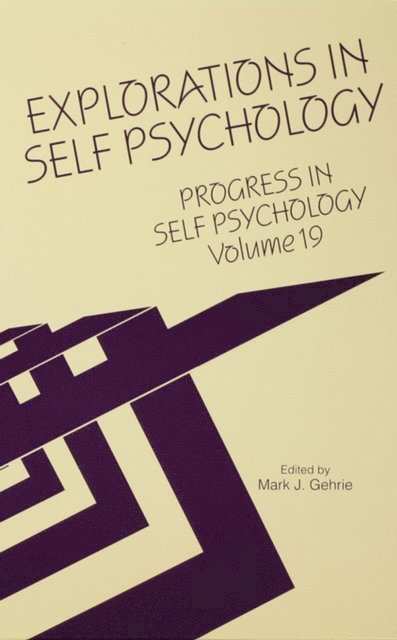
The contributors to Explorations in Self Psychology, volume 19 of the Progress in Self Psychology series, wrestle with two interrelated questions at the nexus of contemporary discussions of technique: How "authentic" and relationally invested should the self psychologically informed analyst be, and what role should self-disclosure play in the treatment process? The responses to these questions embrace the full range of clinical possibilities. Dudley and Walker argue that empathically based interpretation precludes self-disclosure whereas Miller argues in favor of authentic self-expression and against the self psychologist's frustrating attempt to "decenter" from frustration or anger. Consideration of the utility of a consistently empathic stance continues with Weisel-Barth's clinical presentation and the discussions that it elicits about management of her patient's primary destructiveness. Lenoff's critical rereading of Kohut's "Examination of the Relationship Between Mode of Observation and Theory" and Rieveschl & Cowan's "Selfhood and the Dance of Empathy" deepen still further a contemporary perspective on the nature (and advisability) of a consistently empathic stance in the face of interactive and enactive treatment challenges. Other timely self-psychological explorations examine the twinship selfobject experience and homosexuality; self-psychological work with adolescents; and Neville Symington's theory of narcissism. Contributions to applied analysis explore topics as diverse as an exchange of dreams between John Adams and Benjamin Rush; Mann's Death in Venice; the films of Ingmar Bergman; psychotherapy of the elderly; and disabilities in the sensory-motor integration in children. And Volume 19 concludes with Constance Goldberg's candid and enlightening reminiscence of Heinz Kohut, "a very complex man with whom to be in a relationship."
705 kr
Skickas inom 10-15 vardagar
The contributors to Explorations in Self Psychology, volume 19 of the Progress in Self Psychology series, wrestle with two interrelated questions at the nexus of contemporary discussions of technique: How "authentic" and relationally invested should the self psychologically informed analyst be, and what role should self-disclosure play in the treatment process? The responses to these questions embrace the full range of clinical possibilities. Dudley and Walker argue that empathically based interpretation precludes self-disclosure whereas Miller argues in favor of authentic self-expression and against the self psychologist's frustrating attempt to "decenter" from frustration or anger. Consideration of the utility of a consistently empathic stance continues with Weisel-Barth's clinical presentation and the discussions that it elicits about management of her patient's primary destructiveness. Lenoff's critical rereading of Kohut's "Examination of the Relationship Between Mode of Observation and Theory" and Rieveschl & Cowan's "Selfhood and the Dance of Empathy" deepen still further a contemporary perspective on the nature (and advisability) of a consistently empathic stance in the face of interactive and enactive treatment challenges. Other timely self-psychological explorations examine the twinship selfobject experience and homosexuality; self-psychological work with adolescents; and Neville Symington's theory of narcissism. Contributions to applied analysis explore topics as diverse as an exchange of dreams between John Adams and Benjamin Rush; Mann's Death in Venice; the films of Ingmar Bergman; psychotherapy of the elderly; and disabilities in the sensory-motor integration in children. And Volume 19 concludes with Constance Goldberg's candid and enlightening reminiscence of Heinz Kohut, "a very complex man with whom to be in a relationship."
336 kr
Skickas inom 10-15 vardagar
Impasse and Innovation in Psychoanalysis offers a rare perspective on the technical difficulties and creative responses to them that typify clinical psychoanalysis. The four seminars at the heart of this volume are not case reports in the usual sense. Rather, each seminar revolves around the challenges of translating an understanding of difficult process issues into an effective therapeutic response. What emerges in each case is a vivid picture of an analyst's subjective experience in conceptualizing and managing a particularly demanding treatment, supplemented by data about the patient's history and free associations and enlivened by seminar leader John Gedo's challenging questions and clinical commentary.Each seminar is framed by Mark Gehrie's introduction and commentary, the latter addressing the interplay of theory and technique in the preceding case. Gehrie's commentary is then followed by Gedo's notes, which are keyed to specific points in the seminar transcript. Gedo not only clarifies issues left in doubt by the original discussion but offers his own second thoughts about the clinical material and its technical handling.The uniquely dialogic format of this volume brings different voices to bear on issues at the forefront of the evolution of clinical psychoanalysis. Edifying reading for practicing analysts and analytic therapists, Impasse and Innovation in Psychoanalysis is a wonderful teaching tool, introducing candidates, residents, and students to the demands of coping with stressful transferences and enactments and sparkling, throughout, with Gedo's wit and wisdom.