Mark Kersten - Böcker
Visar alla böcker från författaren Mark Kersten. Handla med fri frakt och snabb leverans.
3 produkter
3 produkter
1 565 kr
Skickas inom 5-8 vardagar
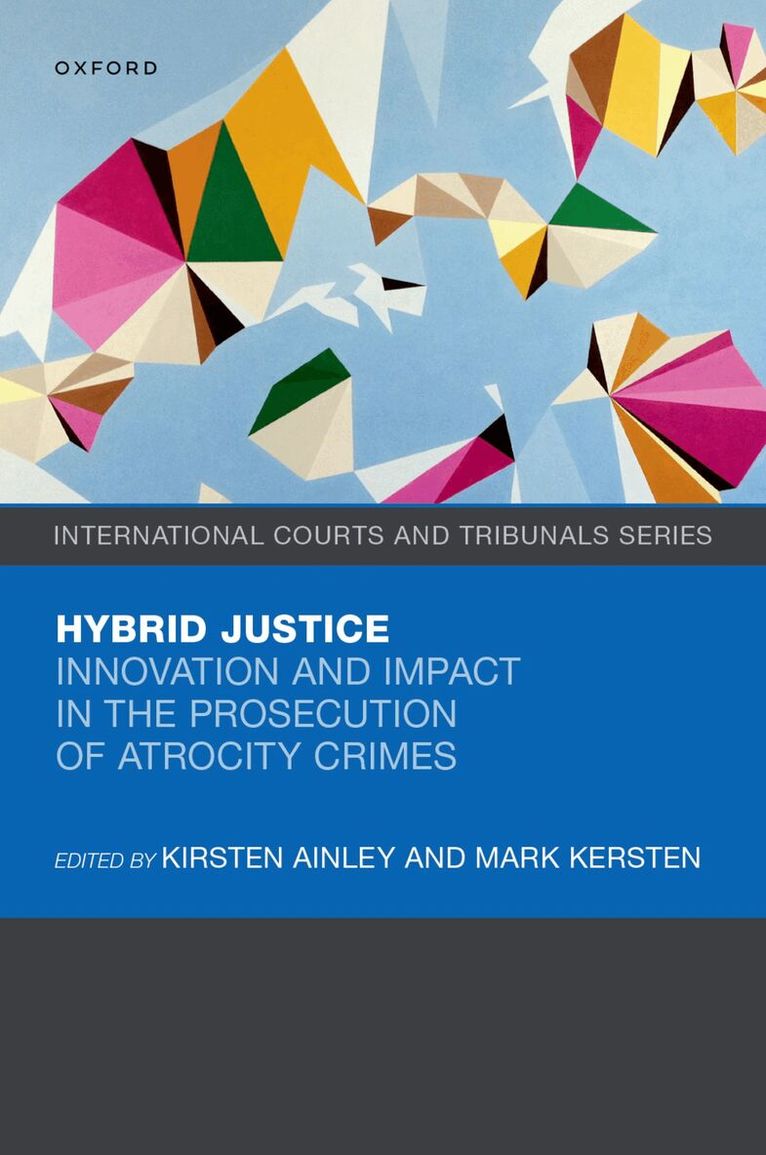
The last decade has seen the unexpected re-emergence of hybrid and internationalised courts - institutions which operate with varying combinations of national and international law, procedure, and staff. Whilst the establishment of the permanent International Criminal Court should have made hybrid mechanisms largely obsolete, hybrids have recently been established or proposed for atrocity crimes committed in Chad, South Sudan, Israel/Palestine, the Central African Republic, Kosovo, Syria, Sri Lanka, Myanmar, The Gambia, Liberia, and Ukraine. Hybrid Justice critically examines the resurgent promise of hybrid courts. Focusing on the fields, practices, innovations, and of hybrid courts, the contributors evaluate hybrids' success, and in doing so, help to clarify the conditions and mechanisms that makes hybrids likely to succeed in their mandates and impacts. The authors focus on hybrid courts and resilience: the resilience of hybrid mechanisms to withstand political and other pressures to deliver justice and accountability, and the potential contribution of hybrids to the resilience of affected communities. Borne out of a collaboration between lawyers, academics, and activists, this edited volume provides a uniquely comparative account of the development of hybrid courts in recent years.
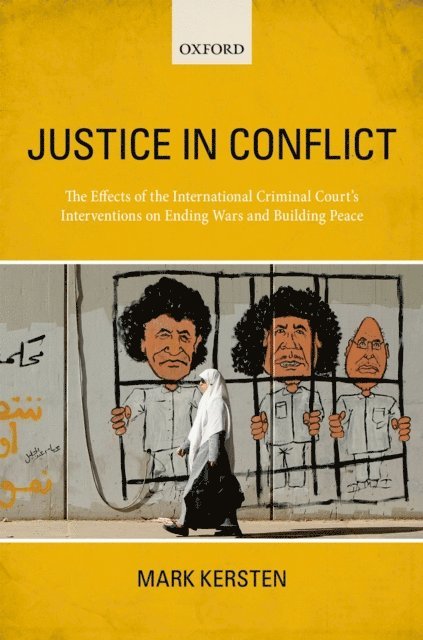
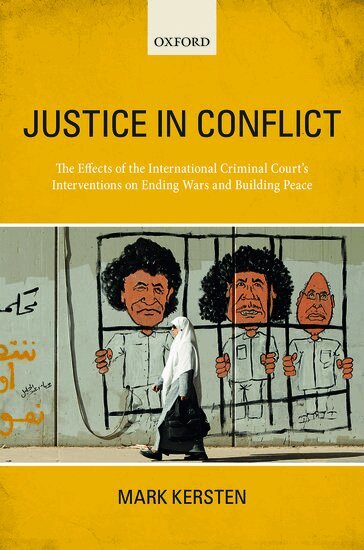
Justice in Conflict
The Effects of the International Criminal Court's Interventions on Ending Wars and Building Peace
Inbunden, Engelska, 2016
1 537 kr
Skickas inom 5-8 vardagar
What happens when the international community simultaneously pursues peace and justice in response to ongoing conflicts? What are the effects of interventions by the International Criminal Court (ICC) on the wars in which the institution intervenes? Is holding perpetrators of mass atrocities accountable a help or hindrance to conflict resolution? This book offers an in-depth examination of the effects of interventions by the ICC on peace, justice and conflict processes. The 'peace versus justice' debate, wherein it is argued that the ICC has either positive or negative effects on 'peace', has spawned in response to the Court's propensity to intervene in conflicts as they still rage. This book is a response to, and a critical engagement with, this debate. Building on theoretical and analytical insights from the fields of conflict and peace studies, conflict resolution, and negotiation theory, the book develops a novel analytical framework to study the Court's effects on peace, justice, and conflict processes. This framework is applied to two cases: Libya and northern Uganda. Drawing on extensive fieldwork, the core of the book examines the empirical effects of the ICC on each case. The book also examines why the ICC has the effects that it does, delineating the relationship between the interests of states that refer situations to the Court and the ICC's institutional interests, arguing that the negotiation of these interests determines which side of a conflict the ICC targets and thus its effects on peace, justice, and conflict processes. While the effects of the ICC's interventions are ultimately and inevitably mixed, the book makes a unique contribution to the empirical record on ICC interventions and presents a novel and sophisticated means of studying, analyzing, and understanding the effects of the Court's interventions in Libya, northern Uganda - and beyond.
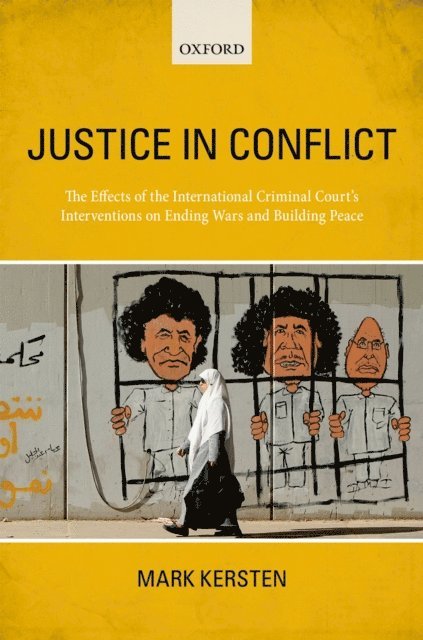
Justice in Conflict
The Effects of the International Criminal Court's Interventions on Ending Wars and Building Peace
Häftad, Engelska, 2016
542 kr
Skickas inom 5-8 vardagar
What happens when the international community simultaneously pursues peace and justice in response to ongoing conflicts? What are the effects of interventions by the International Criminal Court (ICC) on the wars in which the institution intervenes? Is holding perpetrators of mass atrocities accountable a help or hindrance to conflict resolution? This book offers an in-depth examination of the effects of interventions by the ICC on peace, justice and conflict processes. The 'peace versus justice' debate, wherein it is argued that the ICC has either positive or negative effects on 'peace', has spawned in response to the Court's propensity to intervene in conflicts as they still rage. This book is a response to, and a critical engagement with, this debate. Building on theoretical and analytical insights from the fields of conflict and peace studies, conflict resolution, and negotiation theory, the book develops a novel analytical framework to study the Court's effects on peace, justice, and conflict processes. This framework is applied to two cases: Libya and northern Uganda. Drawing on extensive fieldwork, the core of the book examines the empirical effects of the ICC on each case. The book also examines why the ICC has the effects that it does, delineating the relationship between the interests of states that refer situations to the Court and the ICC's institutional interests, arguing that the negotiation of these interests determines which side of a conflict the ICC targets and thus its effects on peace, justice, and conflict processes. While the effects of the ICC's interventions are ultimately and inevitably mixed, the book makes a unique contribution to the empirical record on ICC interventions and presents a novel and sophisticated means of studying, analyzing, and understanding the effects of the Court's interventions in Libya, northern Uganda - and beyond.