Mark P. Jones – författare
Visar alla böcker från författaren Mark P. Jones. Handla med fri frakt och snabb leverans.
6 produkter
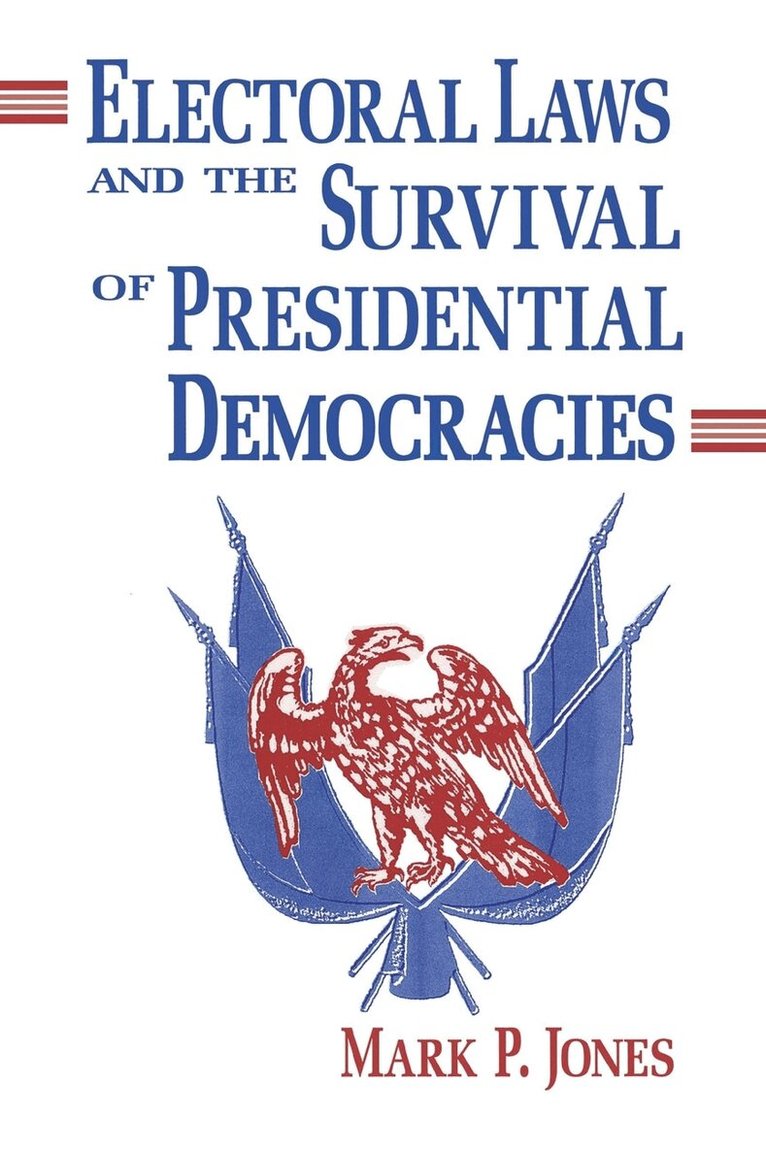
Electoral Laws and the Survival of Presidential Democracies
Inbunden, 1996
669 kr
Lägg i varukorg
In Electoral Laws and the Survival of Presidential Democracies, political scientist Mark P. Jones addresses the conditions necessary for the survival of democratic presidential systems, arguing that the electoral laws employed by such systems are intricately and inextricably linked to the longevity …
Electoral Laws and the Survival of Presidential Democracies
Häftad, 1996
576 kr
Lägg i varukorg
In Electoral Laws and the Survival of Presidential Democracies , political scientist Mark P. Jones addresses the conditions necessary for the survival of democratic presidential systems, arguing that the electoral laws employed by such systems are intricately and inextricably linked to the …
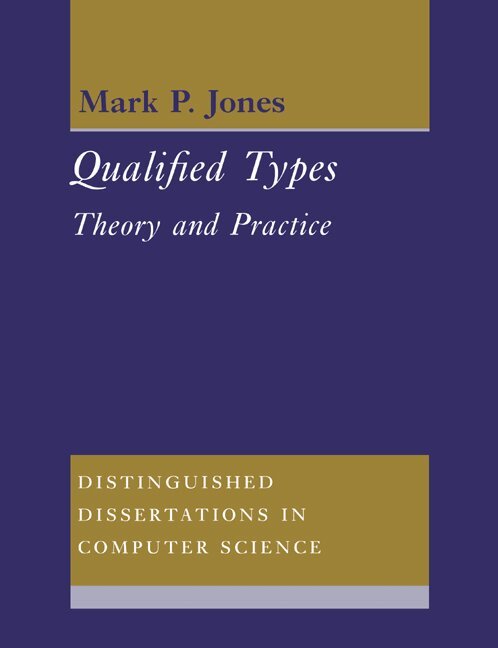
Qualified Types
Theory and Practice
Häftad, 2003
672 kr
Lägg i varukorg
This book describes the use of qualified types to provide a general framework for the combination of polymorphism and overloading. For example, qualified types can be viewed as a generalization of type classes in the functional language Haskell and the theorem prover Isabelle. These in turn are …
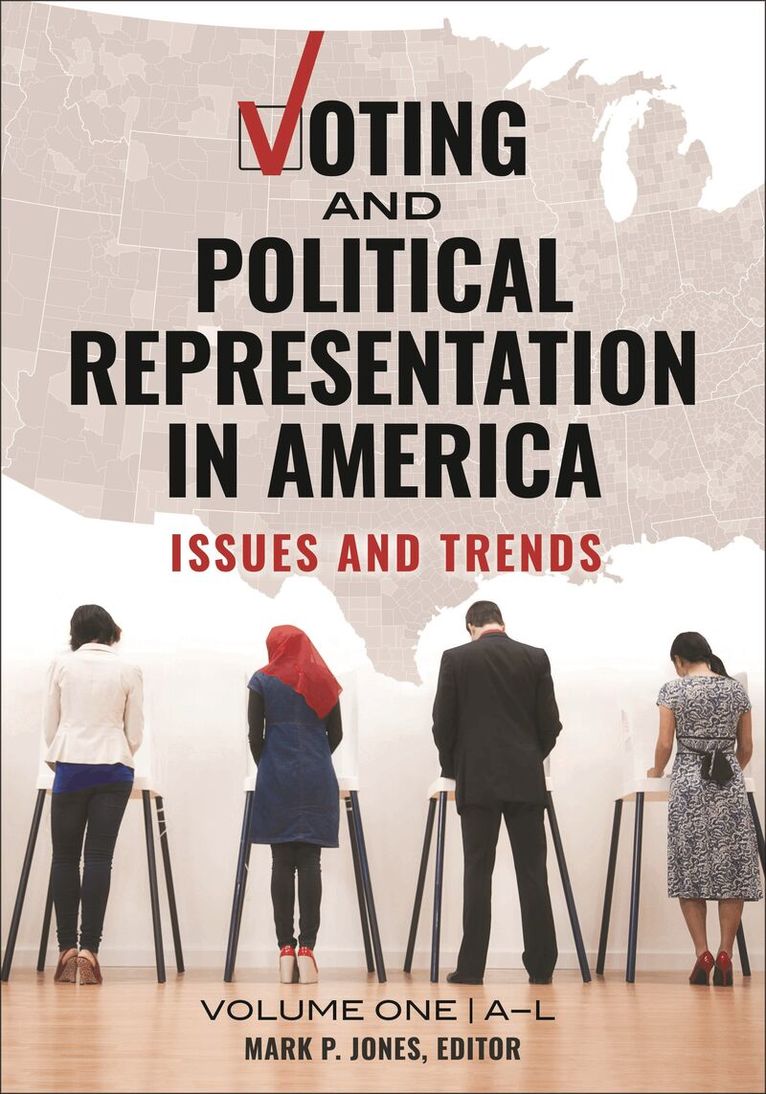
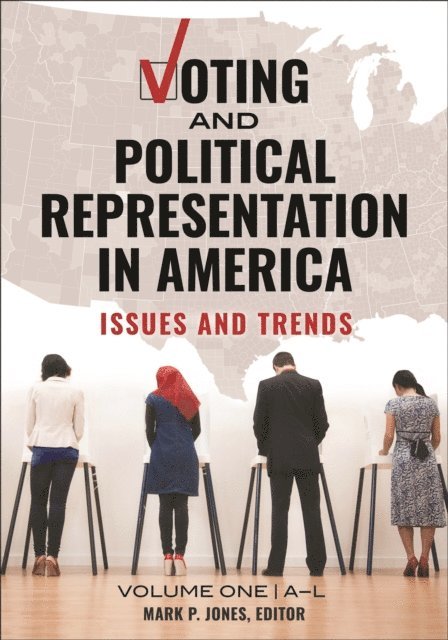
Voting and Political Representation in America
Issues and Trends [2 volumes]
2020
2805 kr
Lägg i varukorg
Examines voting trends and political representation in the United States today—with a special focus on debates over voting rights, voter fraud, and voter suppression—and election rules and regulations, including those related to gerrymandering, campaign fundraising, and other controversial …
Voting and Political Representation in America
Issues and Trends [2 Volumes]
E-bok, 2020
2435 kr
Lägg i varukorg
Examines voting trends and political representation in the United States today—with a special focus on debates over voting rights, voter fraud, and voter suppression—and election rules and regulations, including those related to gerrymandering, campaign fundraising, and other controversial …
Voting and Political Representation in America
Issues and Trends [2 Volumes]
E-bok, 2020
2235 kr
Lägg i varukorg
Examines voting trends and political representation in the United States today—with a special focus on debates over voting rights, voter fraud, and voter suppression—and election rules and regulations, including those related to gerrymandering, campaign fundraising, and other controversial …