Mark Pearcy - Böcker
Visar alla böcker från författaren Mark Pearcy. Handla med fri frakt och snabb leverans.
4 produkter
4 produkter
519 kr
Skickas inom 7-10 vardagar
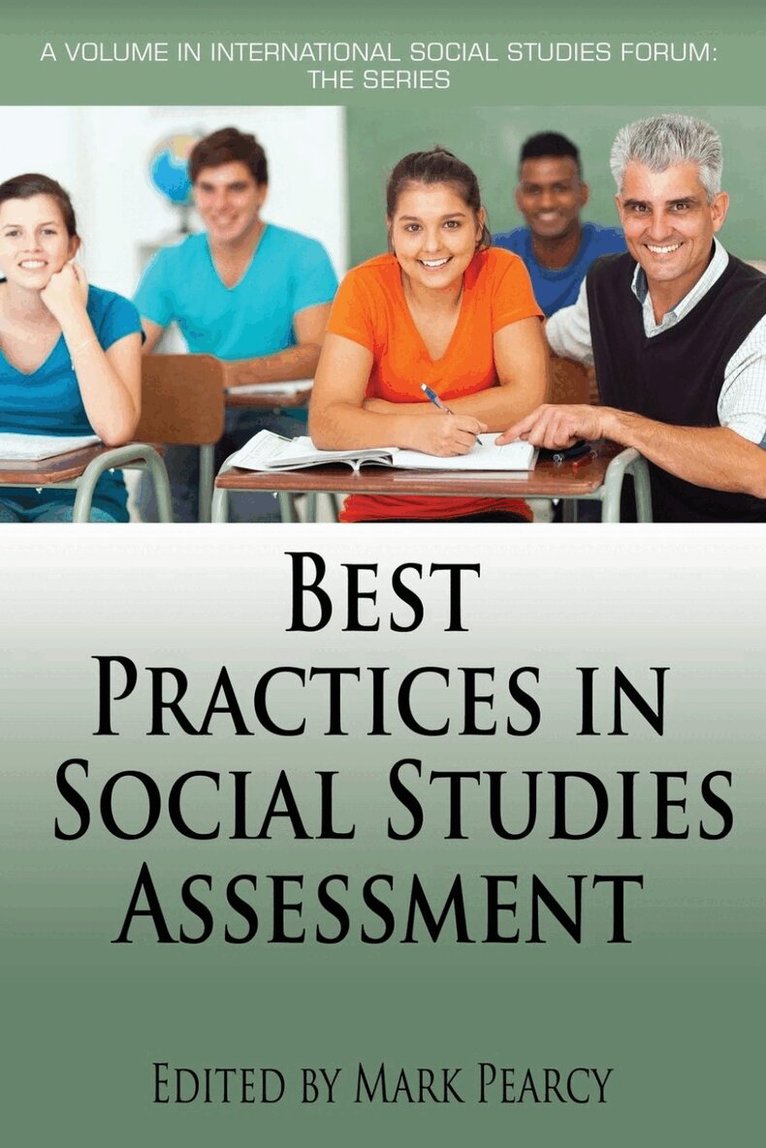
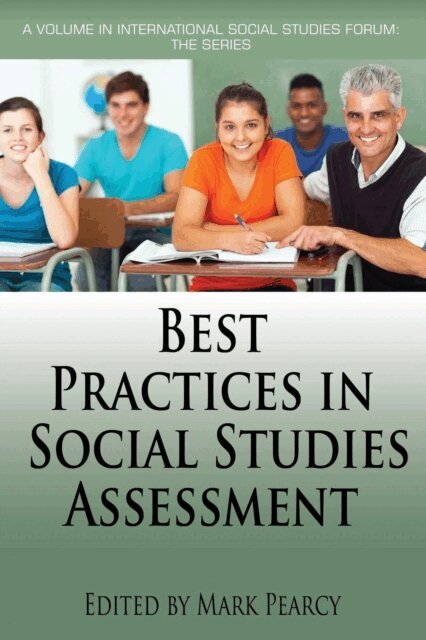
The importance of social studies assessment is beyond question. The National Council of the Social Studies’ C3 Framework recognizes the importance of high-quality assessments—its major objective, a “deep understanding of the sociocultural world,” has as its underpinning the idea that students must be able to investigate the world, and that teachers much be able to assess their understanding of it. However, there is a comparative dearth of research that focuses on effective social studies assessment, particularly with regard to the impact of teacher practice on the development of best practices. Such research is vital to moving social studies away from an emphasis on testing and more towards using assessment as a means of educating our students.In Best Practices of Social Studies Assessment, we focus on an essential question: what is an "effective" assessment? Helping teachers develop practical, creative, curriculum-appropriate strategies is essential, especially in an era in which teachers are faced with the dilemma of creating inquiry-based assessments in the midst of preexisting regimes of standardized summative assessments. In this volume, research conducted between university professors and working teachers is described, focusing on innovative assessment practices. These practices include role-playing activities depicting historical events; Socratic seminars revolving around public policy issues; collaborative student projects on a wide range of social inquiries, including the implementation of UN programs; and the promotion of critical thinking and writing skills, on subjects as diverse as school violence and the impact of imperialism.These adaptive assessments highlight the essential role of the teacher in creating assessments that blend higher-order critical thinking, complex content knowledge, and an understanding of their own students. The strategies described in this volume focus on the ability of expert educators to “[acknowledge] the structures, power, and consequences of high-stakes testing regimes while simultaneously designing and sustaining classroom assessment methods that embody the social-participatory nature of learning and reflect research on effective practice” (p. 289). The volume also describes the shared characteristics of the teachers who created these assessments, especially their emphasis on self-reflection and student autonomy, as well as their professional willingness to take on challenges associated with performance-based assessments, even in the face of institutional pressures and external demands.
958 kr
Skickas inom 7-10 vardagar
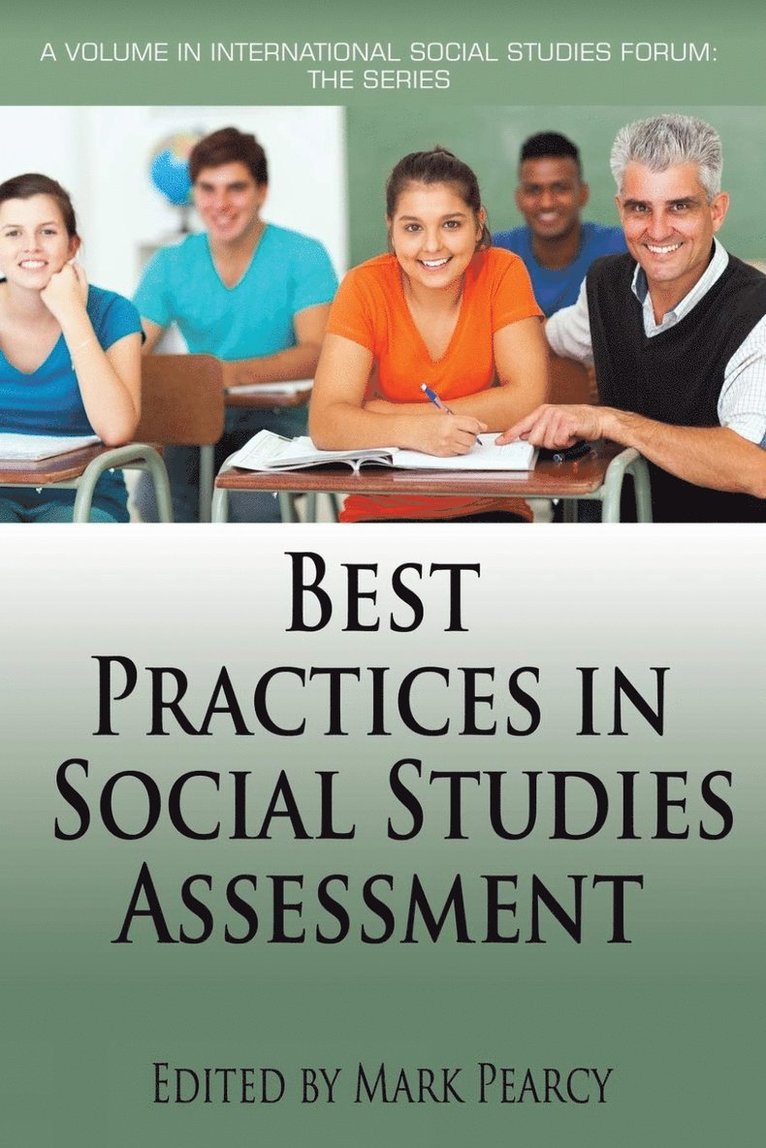
The importance of social studies assessment is beyond question. The National Council of the Social Studies’ C3 Framework recognizes the importance of high-quality assessments—its major objective, a “deep understanding of the sociocultural world,” has as its underpinning the idea that students must be able to investigate the world, and that teachers much be able to assess their understanding of it. However, there is a comparative dearth of research that focuses on effective social studies assessment, particularly with regard to the impact of teacher practice on the development of best practices. Such research is vital to moving social studies away from an emphasis on testing and more towards using assessment as a means of educating our students.In Best Practices of Social Studies Assessment, we focus on an essential question: what is an "effective" assessment? Helping teachers develop practical, creative, curriculum-appropriate strategies is essential, especially in an era in which teachers are faced with the dilemma of creating inquiry-based assessments in the midst of preexisting regimes of standardized summative assessments. In this volume, research conducted between university professors and working teachers is described, focusing on innovative assessment practices. These practices include role-playing activities depicting historical events; Socratic seminars revolving around public policy issues; collaborative student projects on a wide range of social inquiries, including the implementation of UN programs; and the promotion of critical thinking and writing skills, on subjects as diverse as school violence and the impact of imperialism.These adaptive assessments highlight the essential role of the teacher in creating assessments that blend higher-order critical thinking, complex content knowledge, and an understanding of their own students. The strategies described in this volume focus on the ability of expert educators to “[acknowledge] the structures, power, and consequences of high-stakes testing regimes while simultaneously designing and sustaining classroom assessment methods that embody the social-participatory nature of learning and reflect research on effective practice” (p. 289). The volume also describes the shared characteristics of the teachers who created these assessments, especially their emphasis on self-reflection and student autonomy, as well as their professional willingness to take on challenges associated with performance-based assessments, even in the face of institutional pressures and external demands.
550 kr
Skickas inom 7-10 vardagar
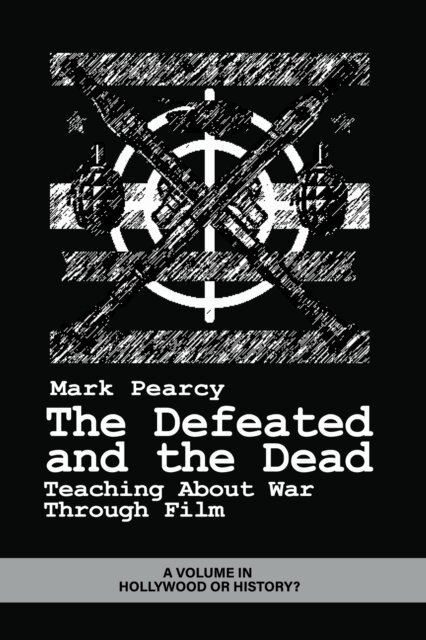
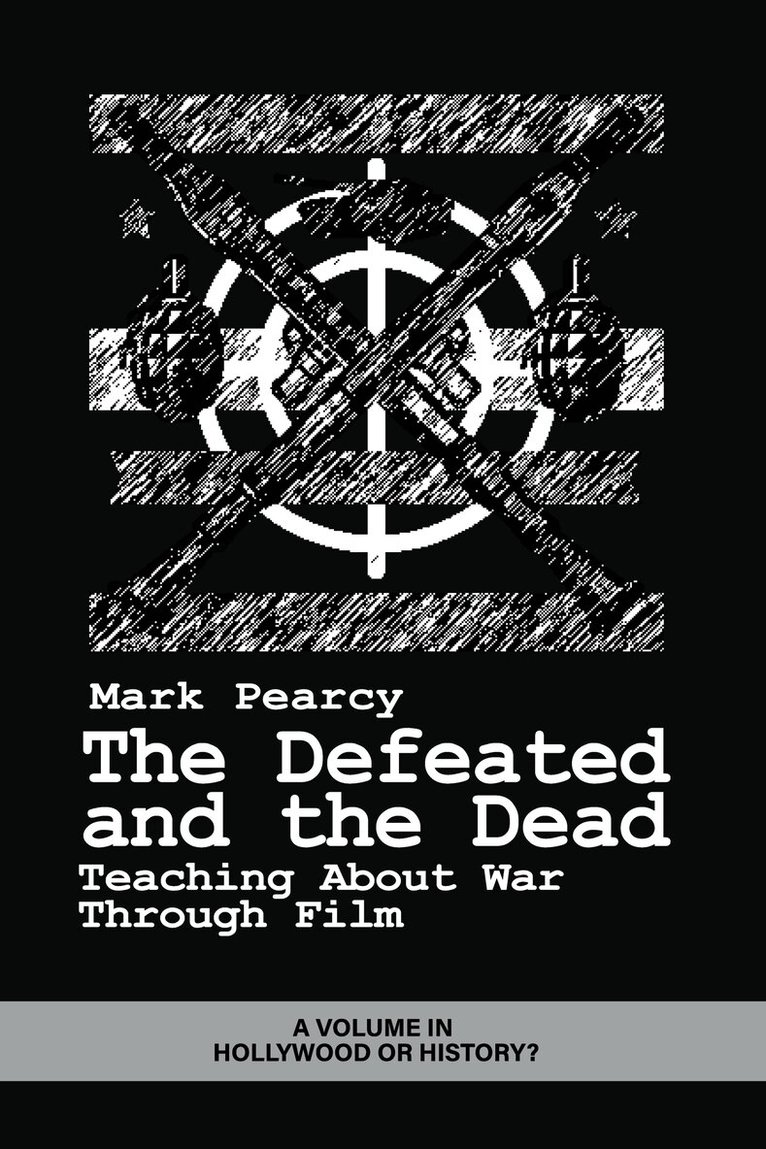
How do we teach about war? How can social studies teachers empower students to understand how wars are started, how they are fought, and how they are ended? Films about war are featured in nearly all social studies classrooms across the US, with practically every American teenager watching at least one 'historical' film during their time in middle and high school. Without the mandatory class viewing, most of these movies would not have been seen by them otherwise. Film is the medium through which most Americans learn about their national past. But a passive viewing of a movie about war does little to help students learn to be critical thinkers about their country’s choices.In The Defeated and the Dead: Teaching About War Through Film, Dr. Mark Pearcy outlines strategies and resources for teachers to incorporate movies about war into their classes in an effective, thoughtful manner. Employing elements of the 'Just War' doctrine (the basis for most international law and treaties), this book highlights how teachers can make use of widely-used films like Saving Private Ryan, Platoon, and Glory, as well as other movies that span our nation’s history, from the American Revolution to modern conflicts.By focusing on critical frameworks like Just War, as well as featuring films both about war and the avoidance of war, The Defeated and the Dead offers social studies teachers a valuable tool to approach difficult, contentious topics in their classrooms.
1 016 kr
Skickas inom 7-10 vardagar
How do we teach about war? How can social studies teachers empower students to understand how wars are started, how they are fought, and how they are ended? Films about war are featured in nearly all social studies classrooms across the US, with practically every American teenager watching at least one 'historical' film during their time in middle and high school. Without the mandatory class viewing, most of these movies would not have been seen by them otherwise. Film is the medium through which most Americans learn about their national past. But a passive viewing of a movie about war does little to help students learn to be critical thinkers about their country’s choices.In The Defeated and the Dead: Teaching About War Through Film, Dr. Mark Pearcy outlines strategies and resources for teachers to incorporate movies about war into their classes in an effective, thoughtful manner. Employing elements of the 'Just War' doctrine (the basis for most international law and treaties), this book highlights how teachers can make use of widely-used films like Saving Private Ryan, Platoon, and Glory, as well as other movies that span our nation’s history, from the American Revolution to modern conflicts.By focusing on critical frameworks like Just War, as well as featuring films both about war and the avoidance of war, The Defeated and the Dead offers social studies teachers a valuable tool to approach difficult, contentious topics in their classrooms.