Mark R. Amstutz - Böcker
Visar alla böcker från författaren Mark R. Amstutz. Handla med fri frakt och snabb leverans.
10 produkter
10 produkter
485 kr
Skickas inom 5-8 vardagar
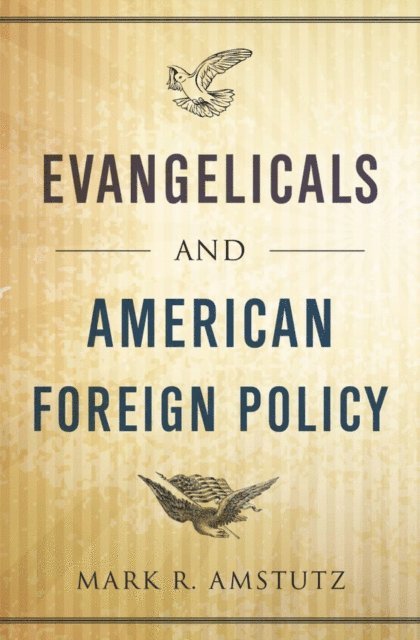
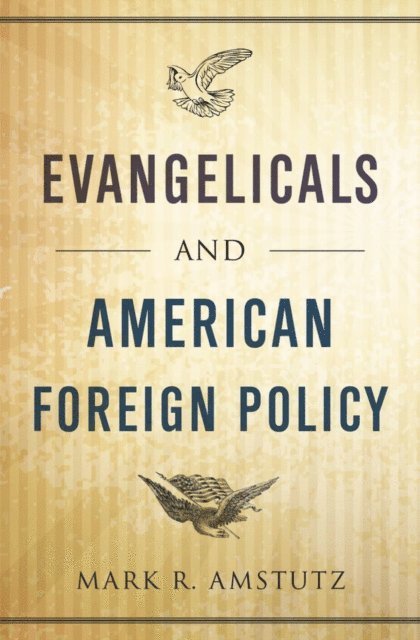
Mark Amstutz offers a groundbreaking exploration of the rise, evolution, and crucial impact of Evangelicals on American foreign affairs. In the nineteenth century, Protestant missionaries spearheaded global engagement by serving throughout the world. They gained fluency in foreign languages, developed knowledge about distant societies, and increased cross-cultural awareness. They also played a vital role in advancing human dignity by teaching and modeling values, building schools and clinics, and creating institutions that nurtured civil society. In view of their important role in global affairs, Amstutz argues, Evangelicals can be regarded as America's first internationalists. When modernists gained control of Protestant denominations at the turn of the twentieth century, traditional Protestants responded by creating a Fundamentalist movement that gave precedence to spiritual life but neglected social and political concerns. Four decades later, orthodox believers sought to restore the spiritual-temporal balance that had characterized traditional Protestantism. To a significant degree, contemporary Evangelicalism is the result of this movement. Amstutz illuminates the influence of the political theology of this group of believers on Evangelicals' thought and action on global affairs. Although the New Evangelicals have not established a body of teachings comparable to Catholics', they have developed a framework that has shaped members' social thought and political action. After highlighting distinctive features of Evangelicals' political ethics, Amstutz illustrates how such thinking has influenced the analysis of global poverty, U.S. foreign policy towards Israel, and a variety of foreign policy initiatives. In view of the increasing political advocacy of Evangelical groups, Amstutz concludes with a number of recommendations on how to strengthen Evangelicals' global engagement.
789 kr
Skickas inom 5-8 vardagar
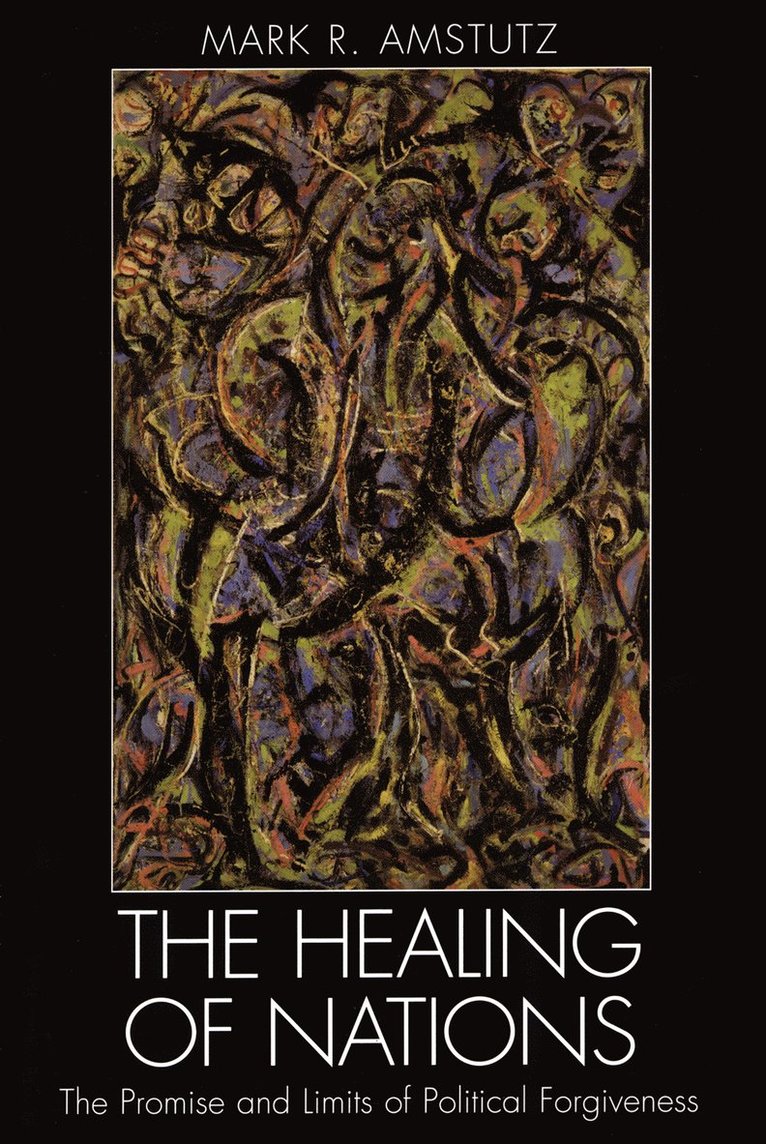
How does one forgive an international political transgression as deep as genocide or apartheid? Forgiveness is often conceived of as an element of personal morality, and even at that it is difficult. This book argues that it is also an essential part of political ethics, especially when dealing with collective wrongdoing by political regimes. In the past, a retributive justice demanding prosecution and punishment of all past offenses has kept the international community away from moving on to the next step in regime change. Here, Mark R. Amstutz takes a restorative justice approach, calling for nations to account for crimes through truth commissions, public apology and repentance, reparations, and ultimately forgiveness and the lifting of deserved penalties. The distinctive feature of forgiveness is the balance it strikes between backward-looking accountability and forward-looking reconciliation. The Healing of Nations combines a theory of the role of forgiveness in public life with four key case studies that test this ethic: Argentina, Chile, Northern Ireland, and South Africa. Amstutz uses the hard cases to illustrate the promise and limits of forgiving without forgetting.
190 kr
Skickas
678 kr
Skickas inom 10-15 vardagar
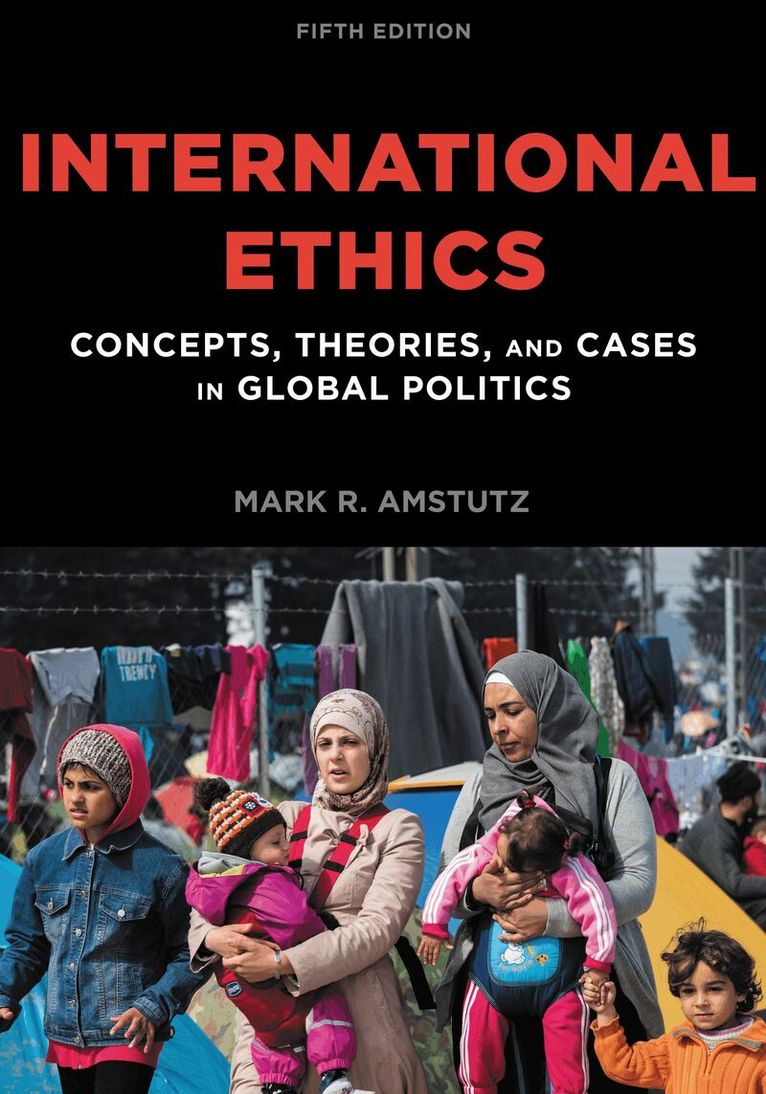
Mark Amstutz illustrates the role of moral norms in global politics and the ethical foundation of the rules, institutions, and structures of global society with twenty-six new and revised case studies, including the ethics of climate change, the refugee crisis, and the Syrian civil war. The cases address the following major global issues: human rights, war, unconventional military operations, foreign intervention, international economic relations, justice among states, and global justice. This comprehensive study will be of special interest to students and practitioners of international affairs who are concerned with the role of political morality and ethical judgment in global affairs.
2 171 kr
Skickas inom 10-15 vardagar
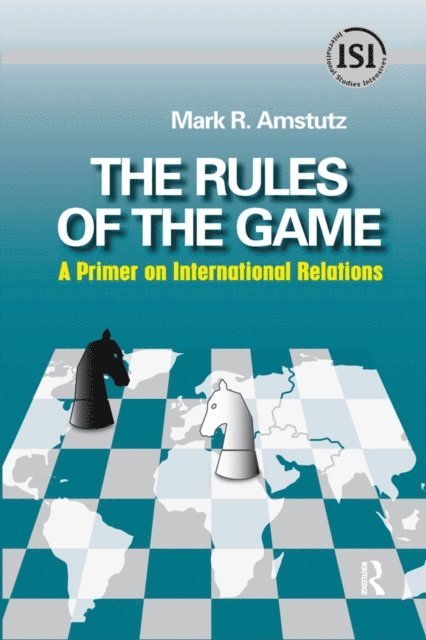
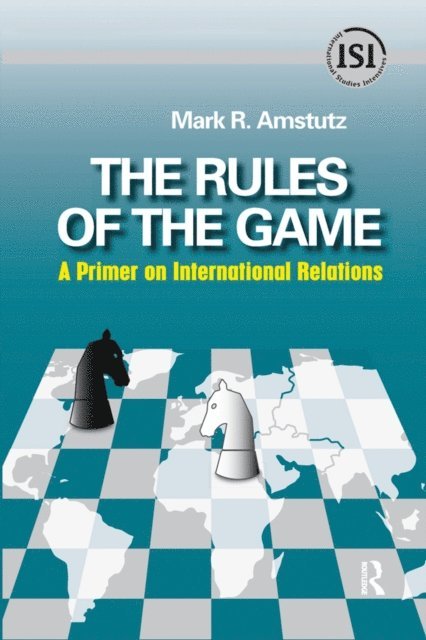
Anyone interested in the forces behind globalization, terrorism, job outsourcing, or the price of gas needs at least a fundamental understanding of international relations. Using the relevant and accessible metaphor of a game, The Rules of the Game provides an introductory explanation of international relations. The book is broken into three inviting parts. First, it examines the basics of the international relations game by explaining the nature of the game, its players, its goals, and its strategies. Then, the book looks at the rules of the game from the perspectives of politics, economics, law, and morality. The book ends with a pertinent discussion of the future of the international relations game in the context of globalization. Intended for general readers, this book provides a succinct, jargon-free framework for understanding contemporary international relations.
805 kr
Skickas inom 10-15 vardagar
Anyone interested in the forces behind globalization, terrorism, job outsourcing, or the price of gas needs at least a fundamental understanding of international relations. Using the relevant and accessible metaphor of a game, The Rules of the Game provides an introductory explanation of international relations. The book is broken into three inviting parts. First, it examines the basics of the international relations game by explaining the nature of the game, its players, its goals, and its strategies. Then, the book looks at the rules of the game from the perspectives of politics, economics, law, and morality. The book ends with a pertinent discussion of the future of the international relations game in the context of globalization. Intended for general readers, this book provides a succinct, jargon-free framework for understanding contemporary international relations.
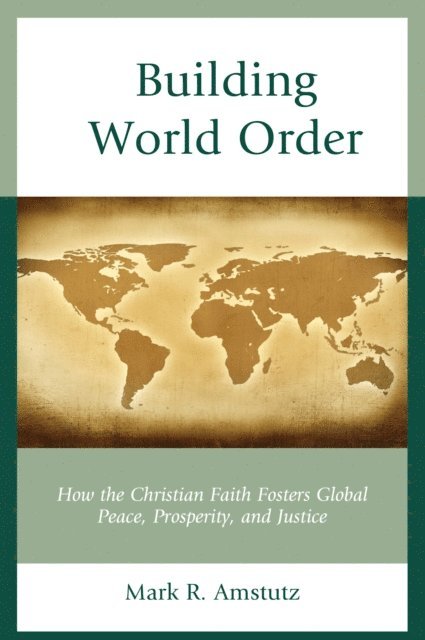
Building World Order
How the Christian Faith Fosters Global Peace, Prosperity, and Justice
Inbunden, Engelska, 2025
1 142 kr
Skickas inom 10-15 vardagar
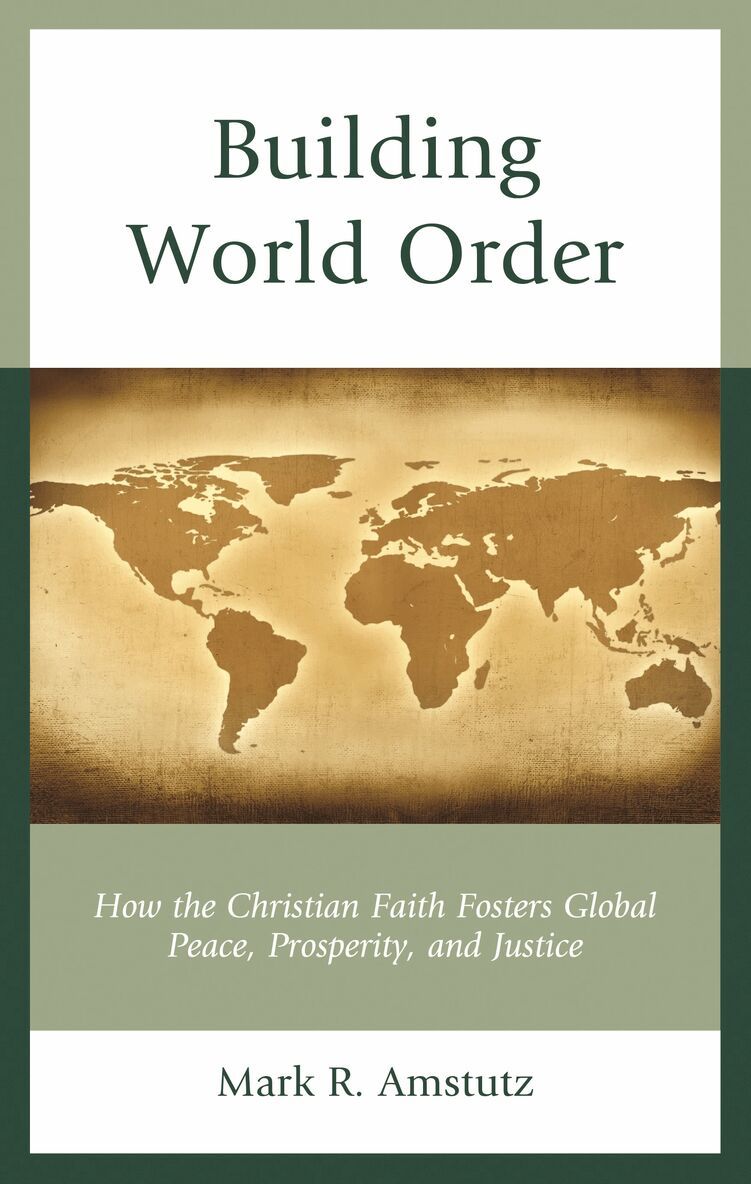
International relations theorist Amstutz describes how values and perspectives from Christianity can help advance a more humane global order. After highlighting key features of the nation-state and of global society, he illustrates the role of Christian values in international relations with case studies exploring three contemporary global problems—migration, development, and climate change. Amstutz contends that a Christian worldview, focused on the dignity and rights of the individual, as well as an emphasis on the common good, can contribute to peace, prosperity, and justice in the international community.The topic of global order is now more important than ever, given that the rules-based global order established at the end of World War II is under great stress—as witnessed in current wars in Gaza and Ukraine, and the emergence of far-right regimes in Hungary, Turkey, and perhaps even France. Despite significant improvement in living conditions worldwide, the international community continues to face many global problems, including failing states, domestic and interstate violence, persistent poverty, growth in refugees, mass migration, climate change, and global economic instability. Most importantly, the contemporary liberal order is facing major opposition from authoritarian states. The contemporary challenge to the liberal order gives rise to urgent questions: Will the liberal global order be replaced by a more chaotic power-based order? Is there a better way to organize the world than the existing UN-based nation-state system? How can the liberal international system be renewed? Can fragile states be strengthened? What contribution can a Christian perspective bring to the task of renewing global order?Amstutz argues that the advance of international justice and global order needs to be based on the nation-state, the basic building block of our contemporary international community. Most initiatives to improve the international community are rooted in political idealism or utopian thought and presume a shift from state sovereignty towards world governance. This study, by contrast, assumes that any improvement in world order will necessarily depend on the ongoing role of the sovereign state. In advancing global peace and prosperity, three tasks are vital: first, strengthen weak, fragile states; second, increase the number of constitutional, democratic states; and third, strengthen international cooperation in addressing shared global problems. Christian values and perspectives, Amstutz claims, can contribute to a better world by helping to structure the moral analysis of issues and by inspiring action that advances the common good.
Building World Order
How the Christian Faith Fosters Global Peace, Prosperity, and Justice
Häftad, Engelska, 2025
408 kr
Skickas inom 10-15 vardagar
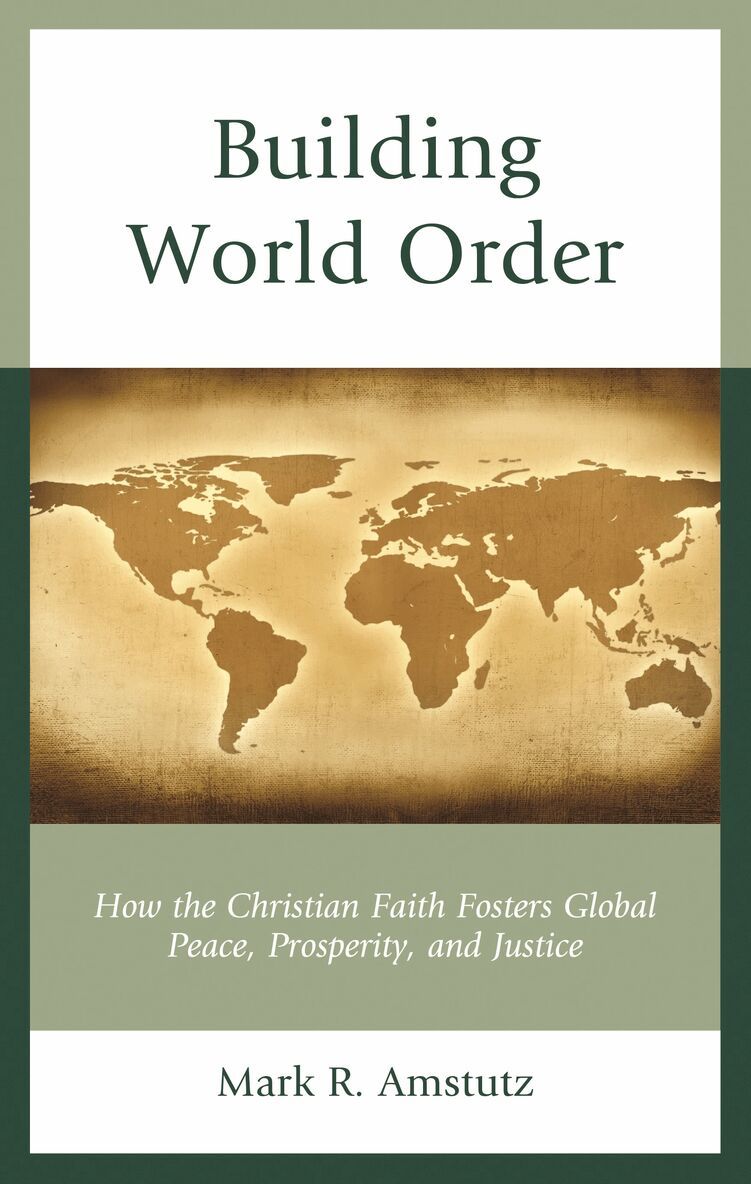
International relations theorist Amstutz describes how values and perspectives from Christianity can help advance a more humane global order. After highlighting key features of the nation-state and of global society, he illustrates the role of Christian values in international relations with case studies exploring three contemporary global problems—migration, development, and climate change. Amstutz contends that a Christian worldview, focused on the dignity and rights of the individual, as well as an emphasis on the common good, can contribute to peace, prosperity, and justice in the international community.The topic of global order is now more important than ever, given that the rules-based global order established at the end of World War II is under great stress—as witnessed in current wars in Gaza and Ukraine, and the emergence of far-right regimes in Hungary, Turkey, and perhaps even France. Despite significant improvement in living conditions worldwide, the international community continues to face many global problems, including failing states, domestic and interstate violence, persistent poverty, growth in refugees, mass migration, climate change, and global economic instability. Most importantly, the contemporary liberal order is facing major opposition from authoritarian states. The contemporary challenge to the liberal order gives rise to urgent questions: Will the liberal global order be replaced by a more chaotic power-based order? Is there a better way to organize the world than the existing UN-based nation-state system? How can the liberal international system be renewed? Can fragile states be strengthened? What contribution can a Christian perspective bring to the task of renewing global order?Amstutz argues that the advance of international justice and global order needs to be based on the nation-state, the basic building block of our contemporary international community. Most initiatives to improve the international community are rooted in political idealism or utopian thought and presume a shift from state sovereignty towards world governance. This study, by contrast, assumes that any improvement in world order will necessarily depend on the ongoing role of the sovereign state. In advancing global peace and prosperity, three tasks are vital: first, strengthen weak, fragile states; second, increase the number of constitutional, democratic states; and third, strengthen international cooperation in addressing shared global problems. Christian values and perspectives, Amstutz claims, can contribute to a better world by helping to structure the moral analysis of issues and by inspiring action that advances the common good.
1 276 kr
Skickas inom 10-15 vardagar
Through case studies and careful arguments, this book shows that moral values are an essential element of foreign policy and that ethical analysis is indispensable to the study of international relations. Mark Amstutz explores two distinct dimensions of international political morality: the role of moral norms in foreign affairs and the ethical foundation of the rules, institutions, and structures of global society. Amstutz illustrates the role of moral norms in global politics through twenty-six case studies, assessing the nature, role, and impact of political morality on international relations. The cases address six major global issues: migration, human rights, war, irregular war, foreign intervention, and international economic relations. The book’s third section examines justice among states and the challenge of pursuing global justice.
401 kr
Skickas inom 7-10 vardagar
Through case studies and careful arguments, this book shows that moral values are an essential element of foreign policy and that ethical analysis is indispensable to the study of international relations. Mark Amstutz explores two distinct dimensions of international political morality: the role of moral norms in foreign affairs and the ethical foundation of the rules, institutions, and structures of global society. Amstutz illustrates the role of moral norms in global politics through twenty-six case studies, assessing the nature, role, and impact of political morality on international relations. The cases address six major global issues: migration, human rights, war, irregular war, foreign intervention, and international economic relations. The book’s third section examines justice among states and the challenge of pursuing global justice.