Mark Redknap – författare
Visar alla böcker från författaren Mark Redknap. Handla med fri frakt och snabb leverans.
10 produkter
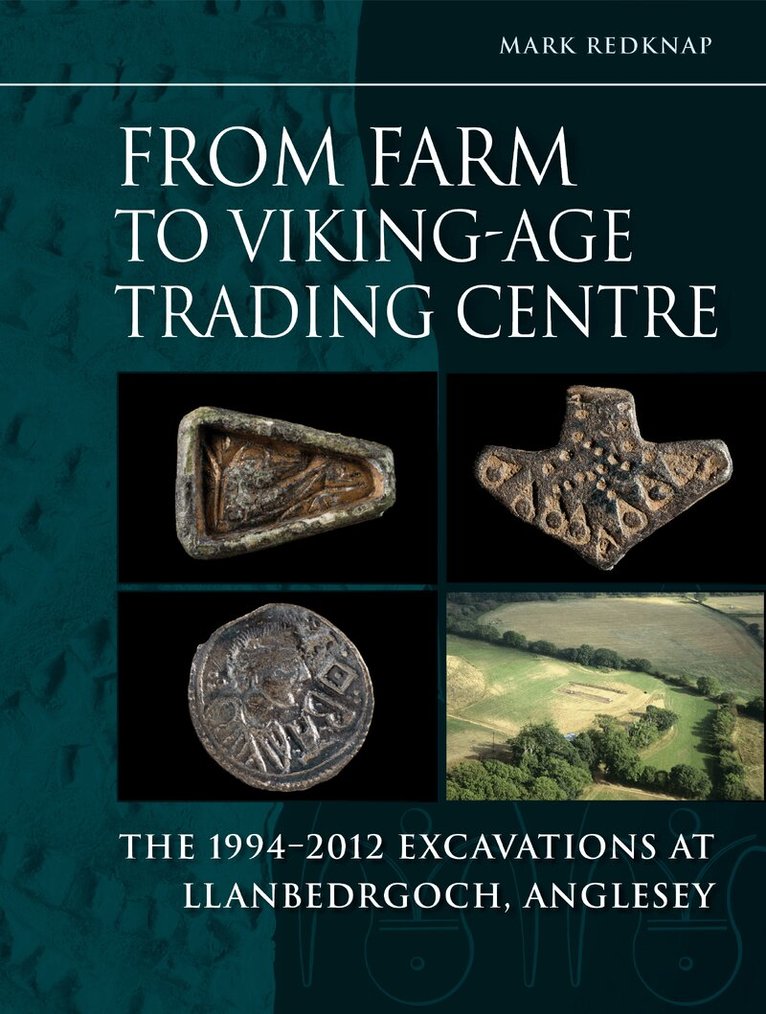
From Farm to Vikingage Trading Centre
The 1994–2012 Excavations at Llanbedrgoch, Anglesey
Av Mark Redknap
Inbunden, 2026
1208 kr
Lägg i varukorg
The discovery of early medieval artefacts by metal detectorists at Glyn, Llanbedrgoch, Anglesey from the late 1980s led to a longterm programme of archaeological investigations by the National Museum of Wales (now Amgueddfa Cymru). Excavation revealed rich evidence for human activity from the …
Land, Sea and Home
Proceedings of a Conference on Viking-Period Settlement
Av John Hines, Alan Lane m. fl.
Häftad, 2020
652 kr
Lägg i varukorg
The twenty-eight papers in this volume explore the practical !ife, domestic settings, landscapes and seascapes of the Viking world. Their geographical horizons stretch from Iceland to Russia, with particular emphasis on new discoveries in the Scandinavian homelands and in Britain and Ireland. With …
Cattewater Wreck
The investigation of an armed vessel of the early sixteenth century
Av Mark Redknap
Häftad, 1984
399 kr
Lägg i varukorg
Zur Keramik des Mittelalters und der Beginnenden Neuzeit im Rheinland
Medieval and later pottery from the Rhineland and its markets
Av David R M Gaimster, Mark Redknap m. fl.
Häftad, 1988
1307 kr
Lägg i varukorg
Land, Sea and Home
Proceedings of a Conference on Viking-Period Settlement
Av Mark Redknap, Alan Lane m. fl.
E-bok, 2024
767 kr
Lägg i varukorg
The twenty-eight papers in this volume explore the practical !ife, domestic settings, landscapes and seascapes of the Viking world. Their geographical horizons stretch from Iceland to Russia, with particular emphasis on new discoveries in the Scandinavian homelands and in Britain and Ireland. With …
Land, Sea and Home
Proceedings of a Conference on Viking-Period Settlement
Av Mark Redknap, Alan Lane m. fl.
E-bok, 2024
750 kr
Lägg i varukorg
The twenty-eight papers in this volume explore the practical !ife, domestic settings, landscapes and seascapes of the Viking world. Their geographical horizons stretch from Iceland to Russia, with particular emphasis on new discoveries in the Scandinavian homelands and in Britain and Ireland. With …
Land, Sea and Home
Proceedings of a Conference on Viking-Period Settlement
Av John Hines, Alan Lane m. fl.
Inbunden, 2007
2585 kr
Lägg i varukorg
The twenty-eight papers in this volume explore the practical !ife, domestic settings, landscapes and seascapes of the Viking world. Their geographical horizons stretch from Iceland to Russia, with particular emphasis on new discoveries in the Scandinavian homelands and in Britain and Ireland. With …
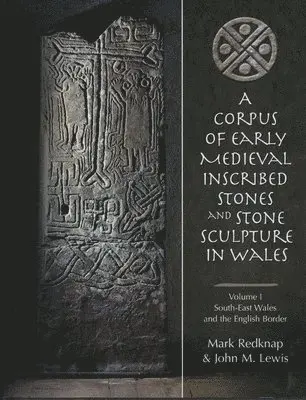
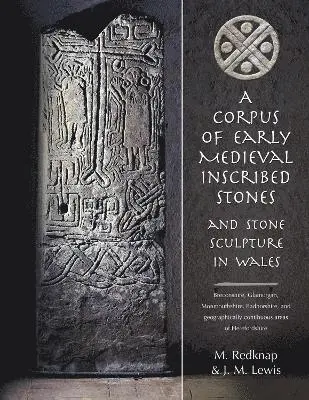
Corpus of Early Medieval Inscribed Stones and Stone Sculpture in Wales: v.1
Glamorgan, Brecknockshire, Monmouthshire, Radnorshire and Geographically Contiguous Areas of Herefordshire and Shropshire
Inbunden, 2007
1219 kr
Tillfälligt slut
A fully illustrated exploration of the inscribed medieval stones of Wales which commemorated the elite of Welsh society at the time, and are crucial to the understanding of the degree of continuity with preceding Roman culture, Irish settlement, and the development of the church; the book offers …
Corpus of Medieval Inscribed Stones in Wales
Av John M Lewis, Mark Redknap m. fl.
Inbunden, 2013
3489 kr
Tillfälligt slut
All three regional volumes of A Corpus of Early Medieval Inscribed Stones and Stone Sculpture in Wales are available in this set. Volume I covers South-East Wales and the English Border (2007). Volume II and Volume III cover South-West Wales (2007) and North Wales (2013) respectively. Each volume …
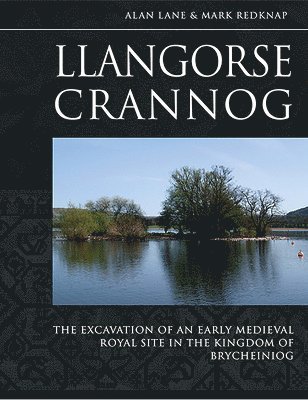
Llangorse Crannog
The Excavation of an Early Medieval Royal Site in the Kingdom of Brycheiniog
Inbunden, 2019
560 kr
Tillfälligt slut
The crannog on Llangorse Lake near Brecon in mid Wales was discovered in 1867 and first excavated in 1869 by two local antiquaries, Edgar and Henry Dumbleton, who published their findings over the next four years. In 1988 dendrochronological dates from submerged palisade planks established its …