Mark Richard – författare
Visar alla böcker från författaren Mark Richard. Handla med fri frakt och snabb leverans.
34 produkter
Thank You, Jeeves
Ljudbok, 2001
102 kr
Lägg i varukorg
A delightful British comedy from the wonderful world of P.G. Wodehouse! The perpetually misguided Bertie finds himself embroiled in a madcap adventure sparked by the abrupt departure of his beloved Jeeves. Adapted by Mark Richard.
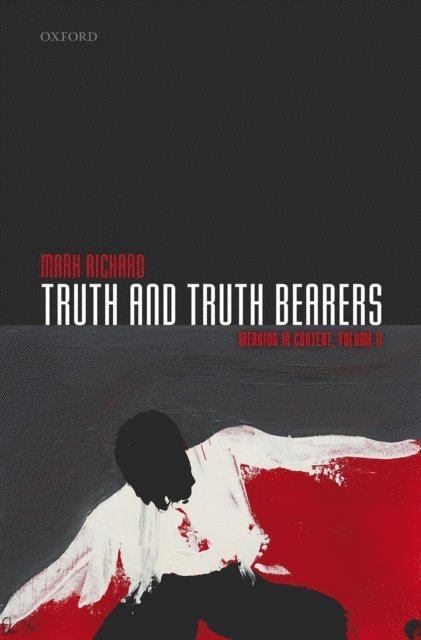
Truth and Truth Bearers
Meaning in Context, Volume II
Av Mark Richard
E-bok, 2015
972 kr
Lägg i varukorg
This book collects nine seminal essays by Mark Richard published between 1980 and 2014, alongside four new essays and an introduction that puts the essays in context. Each essay is an attempt, in one way or another, to understand the idea of a proposition. Part I discusses whether the objects of …
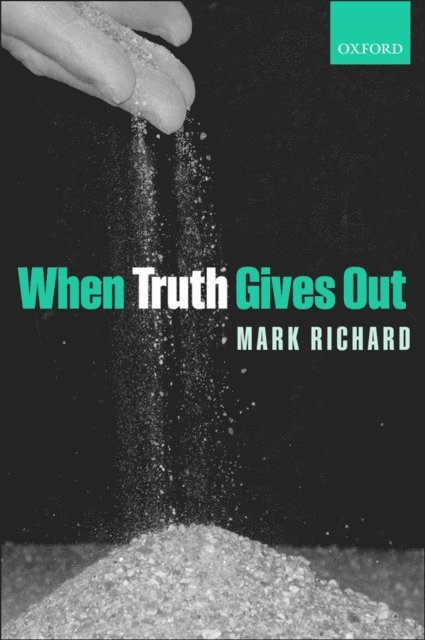
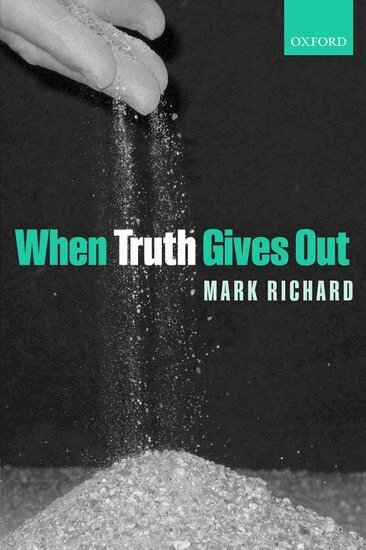
When Truth Gives Out
Av Mark Richard
E-bok, 2008
359 kr
Lägg i varukorg
Is the point of belief and assertion invariably to think or say something true? Is the truth of a belief or assertion absolute, or is it only relative to human interests? Most philosophers think it incoherent to profess to believe something but not think it true, or to say that some of the things …
When Truth Gives Out
Av Mark Richard
E-bok, 2010
359 kr
Lägg i varukorg
Is the point of belief and assertion invariably to think or say something true? Is the truth of a belief or assertion absolute, or is it only relative to human interests? Most philosophers think it incoherent to profess to believe something but not think it true, or to say that some of the things …
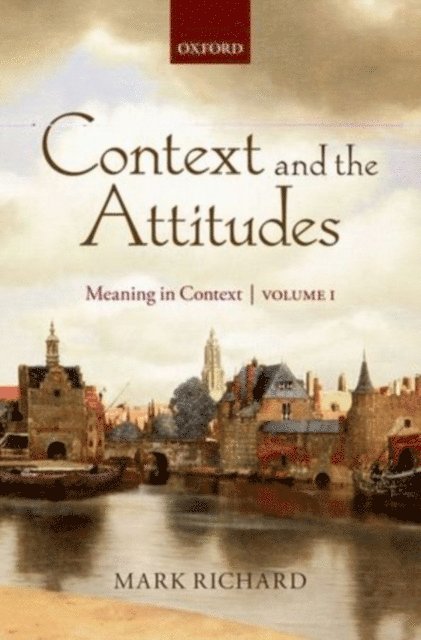
Context and the Attitudes
Meaning in Context, Volume 1
Av Mark Richard
E-bok, 2013
212 kr
Lägg i varukorg
Context and the Attitudes collects thirteen seminal essays by Mark Richard on semantics and propositional attitudes. These essays develop a nuanced account of the semantics and pragmatics of our talk about such attitudes, an account on which in saying what someone thinks, we offer our words as a …
Meanings as Species
Av Mark Richard
E-bok, 2019
349 kr
Lägg i varukorg
Mark Richard presents an original picture of meaning according to which a word''s meaning is analogous to the biological lineages we call species. His primary thesis is that a word''s meaning - in the sense of what one needs to track in order to be a competent speaker - is the collection of …
Meanings as Species
Av Mark Richard
E-bok, 2019
349 kr
Lägg i varukorg
Mark Richard presents an original picture of meaning according to which a word''s meaning is analogous to the biological lineages we call species. His primary thesis is that a word''s meaning - in the sense of what one needs to track in order to be a competent speaker - is the collection of …
Meanings as Species
Av Mark Richard
Häftad, 2021
392 kr
Lägg i varukorg
Mark Richard presents an original picture of meaning according to which a word's meaning is analogous to the biological lineages we call species. His primary thesis is that a word's meaning - in the sense of what one needs to track in order to be a competent speaker - is the collection of …
Truth and Truth Bearers
Meaning in Context, Volume II
Av Mark Richard
Inbunden, 2015
1536 kr
Lägg i varukorg
This book collects nine seminal essays by Mark Richard published between 1980 and 2014, alongside four new essays and an introduction that puts the essays in context. Each essay is an attempt, in one way or another, to understand the idea of a proposition. Part I discusses whether the objects of …
Meanings as Species
Av Mark Richard
Inbunden, 2019
1610 kr
Lägg i varukorg
Mark Richard presents an original picture of meaning according to which a word's meaning is analogous to the biological lineages we call species. His primary thesis is that a word's meaning - in the sense of what one needs to track in order to be a competent speaker - is the collection of …
When Truth Gives Out
Av Mark Richard
Inbunden, 2008
1042 kr
Lägg i varukorg
Is the point of belief and assertion invariably to think or say something true? Is the truth of a belief or assertion absolute, or is it only relative to human interests? Most philosophers think it incoherent to profess to believe something but not think it true, or to say that some of the things …
Context and the Attitudes
Meaning in Context, Volume 1
Av Mark Richard
Häftad, 2015
373 kr
Lägg i varukorg
Context and the Attitudes collects thirteen seminal essays by Mark Richard on semantics and propositional attitudes. These essays develop a nuanced account of the semantics and pragmatics of our talk about such attitudes, an account on which in saying what someone thinks, we offer our words as a …
Context and the Attitudes
Meaning in Context, Volume 1
Av Mark Richard
Inbunden, 2013
1555 kr
Lägg i varukorg
Context and the Attitudes collects thirteen seminal essays by Mark Richard on semantics and propositional attitudes. These essays develop a nuanced account of the semantics and pragmatics of our talk about such attitudes, an account on which in saying what someone thinks, we offer our words as a …
When Truth Gives Out
Av Mark Richard
Häftad, 2010
667 kr
Lägg i varukorg
Is the point of belief and assertion invariably to think or say something true? Is the truth of a belief or assertion absolute, or is it only relative to human interests? Most philosophers think it incoherent to profess to believe something but not think it true, or to say that some of the things …
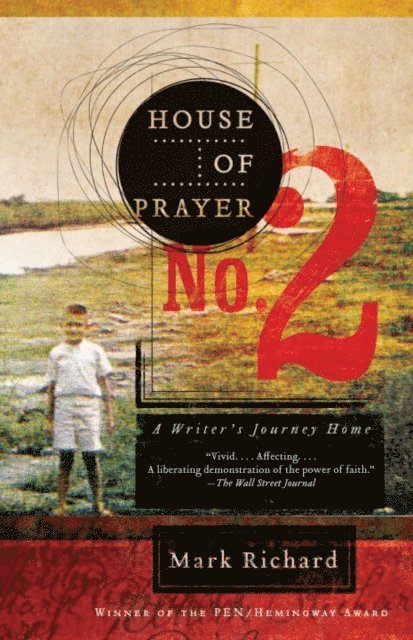
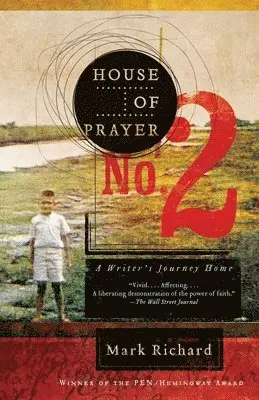
House of Prayer No. 2
A Writer''s Journey Home
Av Mark Richard
E-bok, 2011
205 kr
Lägg i varukorg
In this otherworldly memoir of extraordinary power, Mark Richard, an award-winning author, tells his story of growing up in the American South with a heady Gothic mix of racial tension and religious fervor. Called a “special child,” Southern social code for mentally—and physically—challenged …
Propositional Attitudes
An Essay on Thoughts and How We Ascribe Them
Av Mark Richard, Ernest Sosa m. fl.
Häftad, 1990
871 kr
Lägg i varukorg
This book makes a stimulating contribution to the philosophy of language and philosophy of mind. It begins with a spirited defence of the view that propositions are structured and that propositional structure is 'psychologically real'. The author then develops a subtle view of propositions and …
Meaning
Av Richard, Mark Richard
Inbunden, 2003
1597 kr
Lägg i varukorg
Meaning brings together some of the most significant philosophical work on linguistic representation and understanding, presenting canonical essays on core questions in the philosophy of language. Brings together essential readings which define and advance the literature on linguistic …
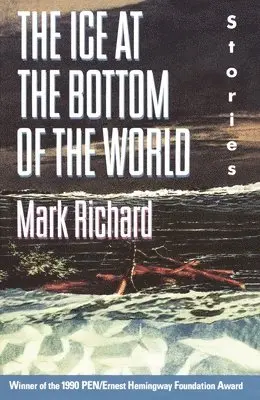
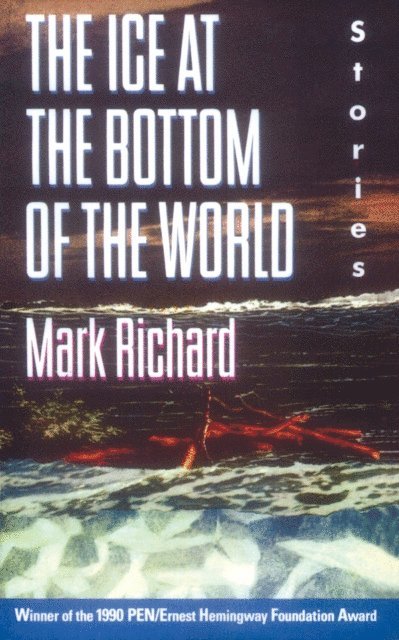
Ice at the Bottom of the World
Stories
Av Mark Richard
E-bok, 2013
139 kr
Lägg i varukorg
With a distinctive and original voice, Mark Richard''s stories capture characters on the fringe of society, and illuminate the goodness at the heart of their Southern, down-and-out lies. Full of startling images and harrowing epiphanies, The Ice at the Bottom of the World is a collection by a true …
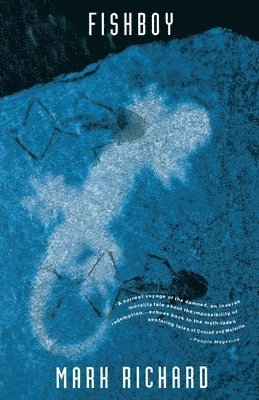
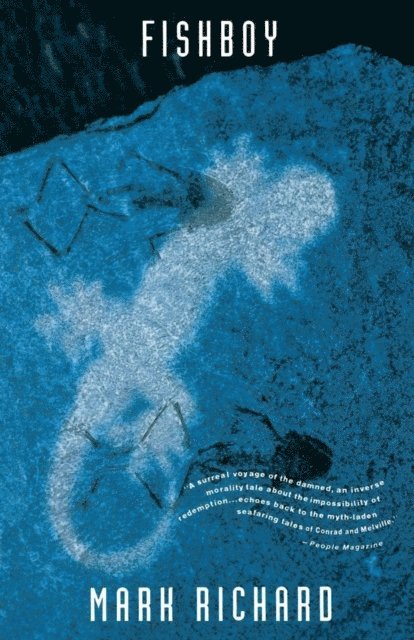
Fishboy
Av Mark Richard
E-bok, 2013
156 kr
Lägg i varukorg
In the brilliant idiom of a modern Melville or Conrad, an odyssey of discovery by a bold and outrageous talent--the PEN/Hemingway Award--winning author of The Ice At The Bottom Of The World .
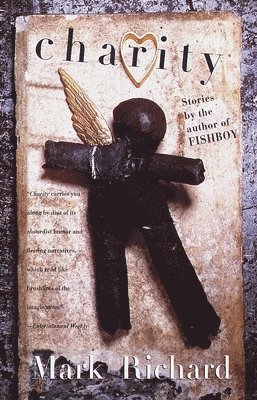
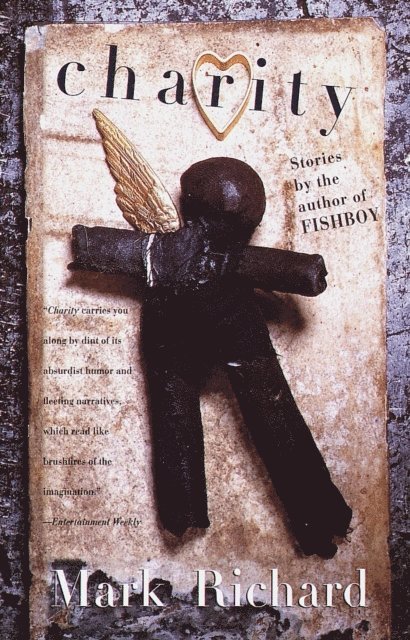
Charity
Av Mark Richard
E-bok, 2013
173 kr
Lägg i varukorg
With Charity, Mark Richard again secures the distinction of poet laureate of the orphaned poor, the broken, the deceived, and the unrelieved. In stylistic brilliance, he renders their conditions with grace and compassion, and redeems and transports their tragedy with wicked humor. In the …
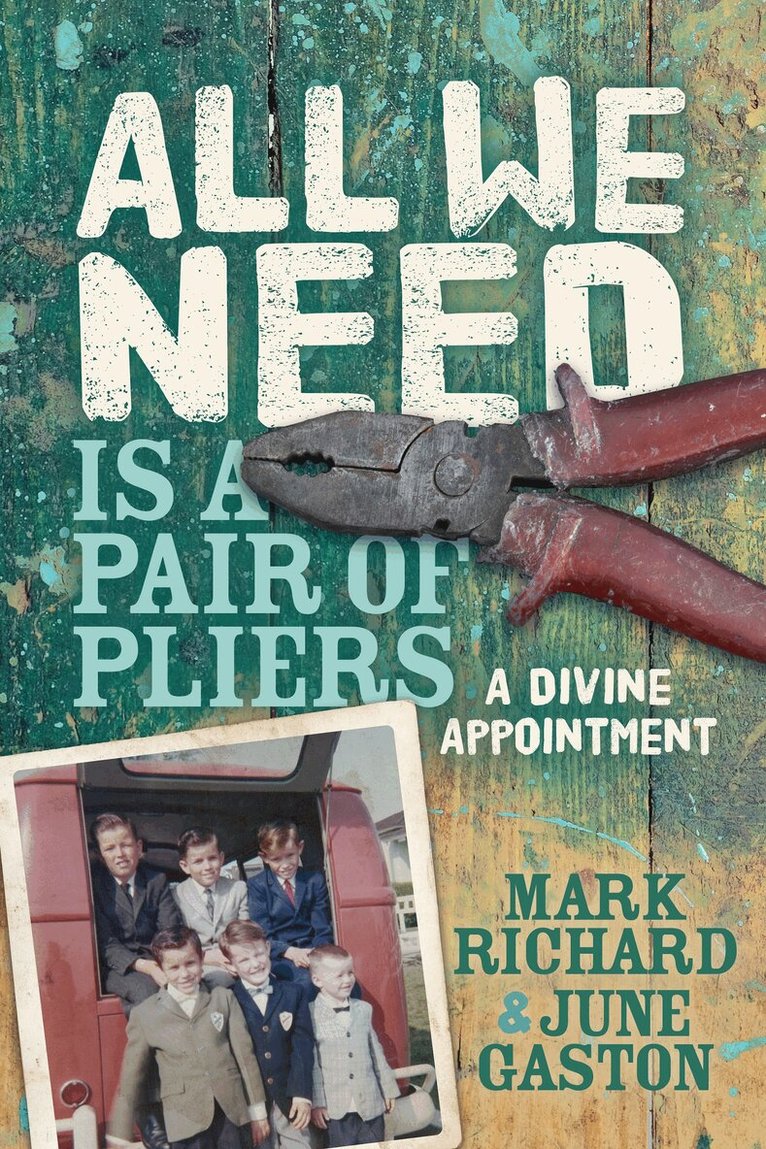
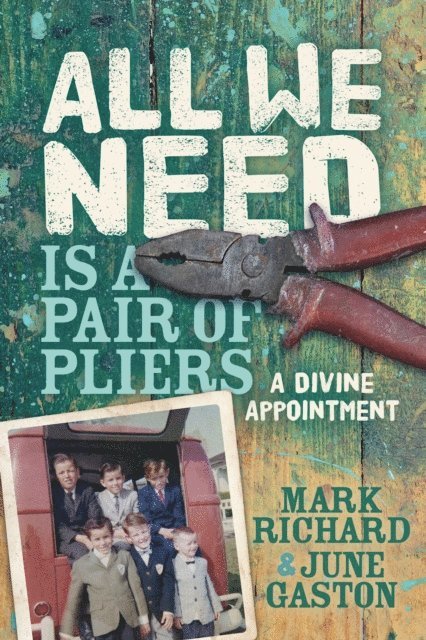
All We Need is a Pair of Pliers
A Divine Appointment
Häftad, 2021
166 kr
Lägg i varukorg
All We Need is a Pair of Pliers is the amazing story of how God took the life of a man who was in rebellion and changed the world of so many, one precious soul at a time. Mark Richard’s parents divorced in his early teens, and he and his brothers grew up with no parental supervision. He struggled …
All We Need Is a Pair of Pliers
A Divine Appointment
E-bok, 2021
227 kr
Lägg i varukorg
The inspiring story of how God saved a rebellious young man and inspired him to help countless others through his international wheelchair organization.Mark Richard was in his early teens when his parents divorced. From then on, he and his brothers grew up with minimal parental supervision. He also …
Words For A Wounded World
Scriptural Poems of Truth and Hope to Awaken, Convict, and Heal
Av Mark Richard
Häftad, 2025
154 kr
Lägg i varukorg
Words For A Wounded World
Scriptural Poems of Truth and Hope to Awaken, Convict, and Heal
Av Mark Richard
Inbunden, 2025
282 kr
Lägg i varukorg
Hero's Journey
Av Tess Gallagher, Mark Richard
Ljudbok, 2016
102 kr
Lägg i varukorg
An adaptation of the prose and poetry of author Raymond Carver and his wife Tess Gallagher, with play arrangements by Mark Richard. The story chronicles the last year of Carver's life when he was struggling to finish his final book. Runtime: 1:16
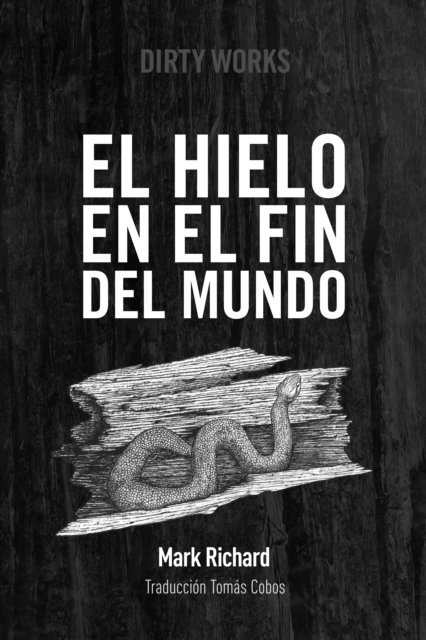
El hielo en el fin del mundo
Av Mark Richard
E-bok, 2022
112 kr
Lägg i varukorg
El litoral de los pantanos de Louisiana está plagado de cosas naufragadas. Hay serpientes, perros incendiados, ratas, restos de civilizaciones indias, madera a la deriva, fosas vacías, niños con branquias, casas sobre pilotes carcomidos, barcas con nombres de mujeres que ser marcharon hace tiempo, …