Mark T. Conard – författare
Visar alla böcker från författaren Mark T. Conard. Handla med fri frakt och snabb leverans.
25 produkter
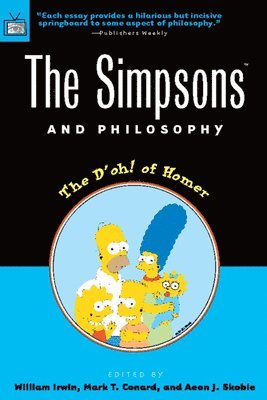
Simpsons and Philosophy
The D'oh! of Homer
Av William Irwin, Mark T. Conard m. fl.
Häftad, 2001
305 kr
Lägg i varukorg
A light-hearted introduction to philosophy through the antics of the Simpsons, television's animated family. These essays on the silly, absurd, hyper-ironic and strangely philosophical world that is Springfield - the town without a state - explore philosophy and the major philosophers of Western …
Nietzsche and the Philosophers
Häftad, 2019
705 kr
Lägg i varukorg
Nietzsche is undoubtedly one of the most original and influential thinkers in the history of philosophy. With ideas such as the overman, will to power, the eternal recurrence, and perspectivism, Nietzsche challenges us to reconceive how it is that we know and understand the world, and what it means …
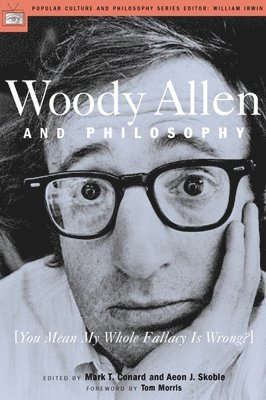
Woody Allen and Philosophy
[You Mean My Whole Fallacy Is Wrong?]
Av Mark T. Conard, Aeon J. Skoble m. fl.
Häftad, 2004
166 kr
Lägg i varukorg
Fifteen philosophers representuing different schools of thought answer the question what is Woody Allen trying to say in his films? And why should anyone care? Focusing on different works and varied aspects of Allen's multifaceted output, these essays explore the philosophical undertones of Anne …
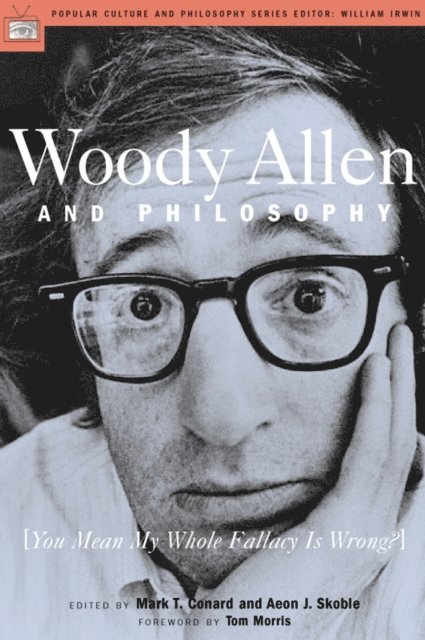
Woody Allen and Philosophy
[You Mean My Whole Fallacy Is Wrong?]
Av Aeon J. Skoble, Mark T. Conard m. fl.
E-bok, 2011
212 kr
Lägg i varukorg
Fifteen philosophers representuing different schools of thought answer the question what is Woody Allen trying to say in his films? And why should anyone care? Focusing on different works and varied aspects of Allen''s multifaceted output, these essays explore the philosophical undertones of Anne …
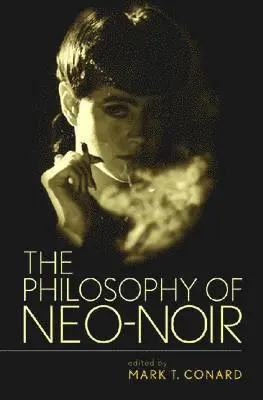
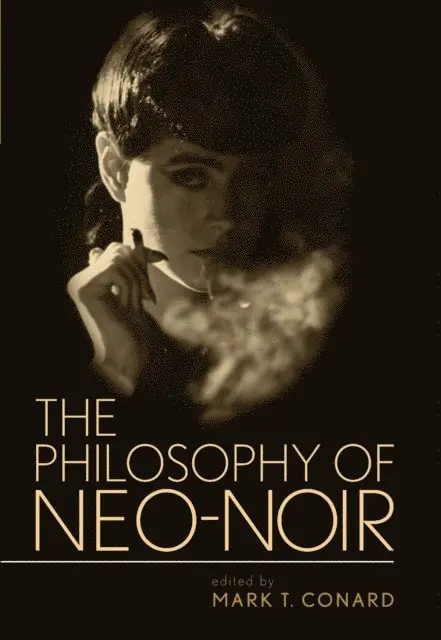
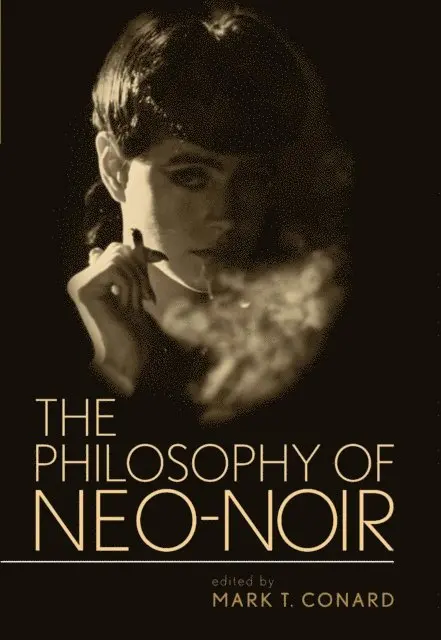
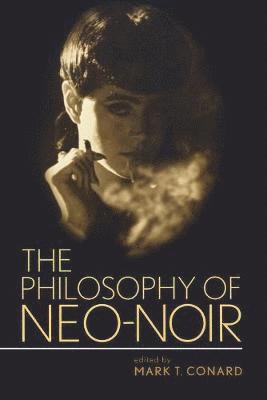
Philosophy of Neo-Noir
Av Mark T Conard, Mark T. Conard m. fl.
Inbunden, 2007
1013 kr
Lägg i varukorg
Film noir--a cycle of American films from the 1940s and '50s--is characterized not only by a constant opposition of light and shadow and a disruptive compositional balance of frames and scenes, but also by dark, foreboding characters and plots and an overriding sense of alienation and moral …
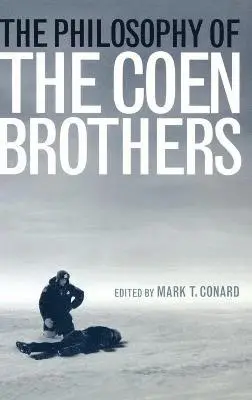
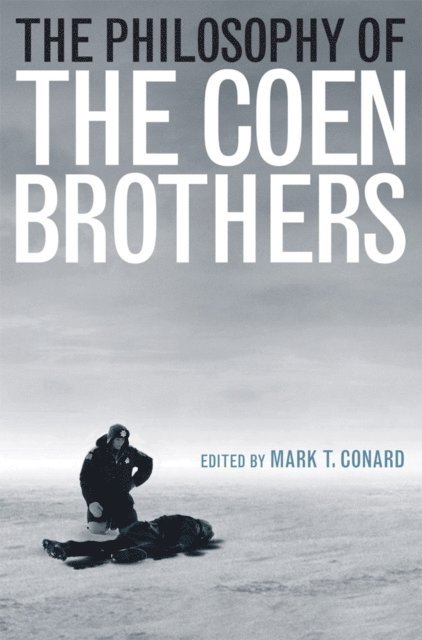
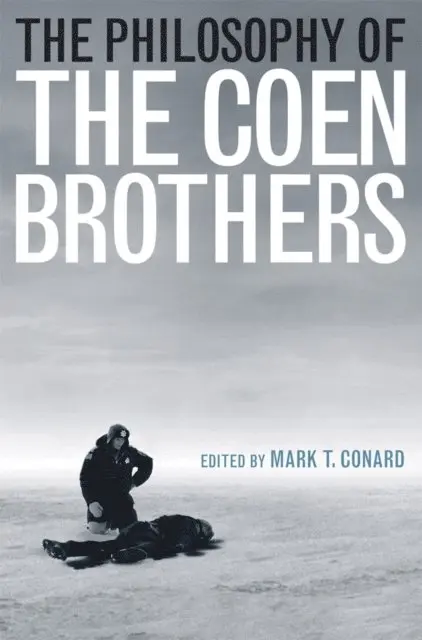
Philosophy of the Coen Brothers
Av Mark T. Conard, Mark T Conard m. fl.
Inbunden, 2008
627 kr
Lägg i varukorg
Many critics agree that Joel and Ethan Coen are one of the most visionary and idiosyncratic filmmaking teams of the last three decades. Combining thoughtful eccentricity, wry humor, irony, and often brutal violence, the Coen brothers have crafted a style of filmmaking that pays tribute to classic …
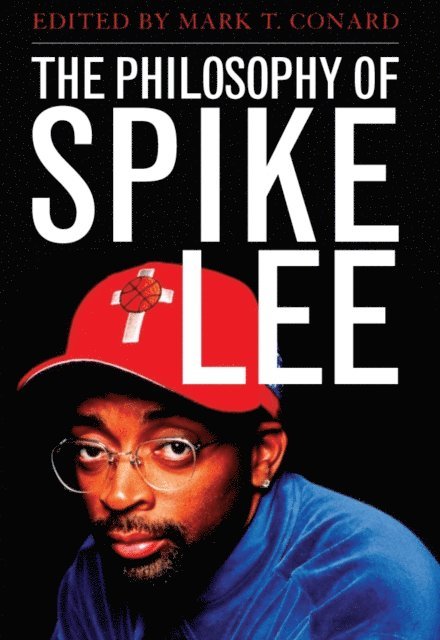
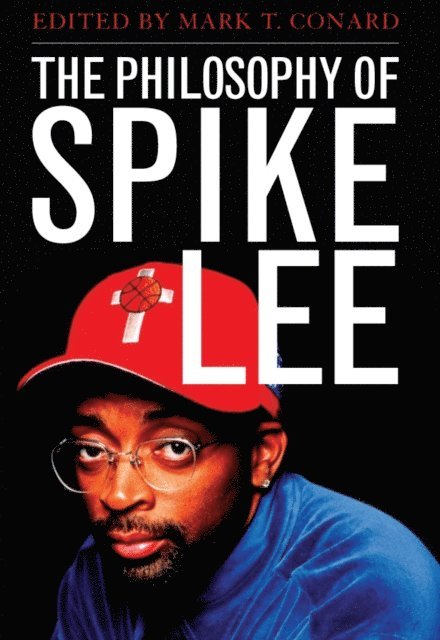
Philosophy of Spike Lee
E-bok, 2011
524 kr
Lägg i varukorg
Over his twenty-plus year tenure in Hollywood, Spike Lee has produced a number of controversial films that unapologetically confront sensitive social issues, particularly those of race relations and discrimination. Through his honest portrayals of life''s social obstacles, he challenges the public …
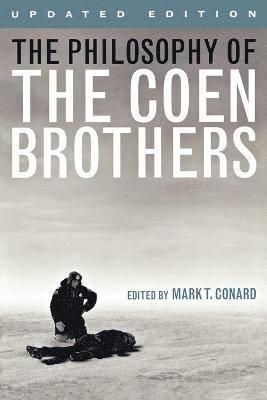
Philosophy of the Coen Brothers
Av Mark T. Conard, Mark T Conard
Häftad, 2012
450 kr
Lägg i varukorg
Many critics agree that Joel and Ethan Coen are one of the most visionary and idiosyncratic filmmaking teams of the last three decades. Combining thoughtful eccentricity, wry humor, irony, and often brutal violence, the Coen brothers have crafted a style of filmmaking that pays tribute to classic …
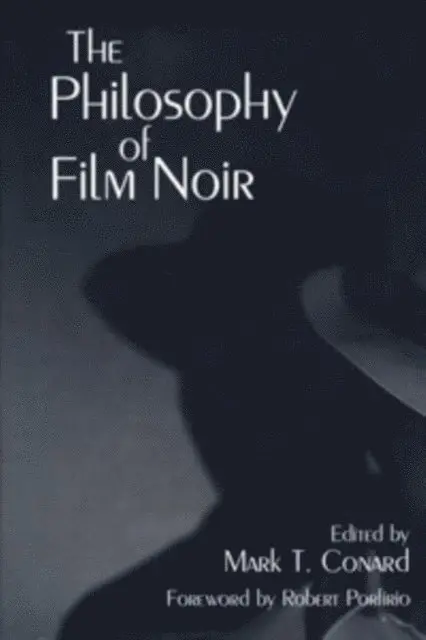
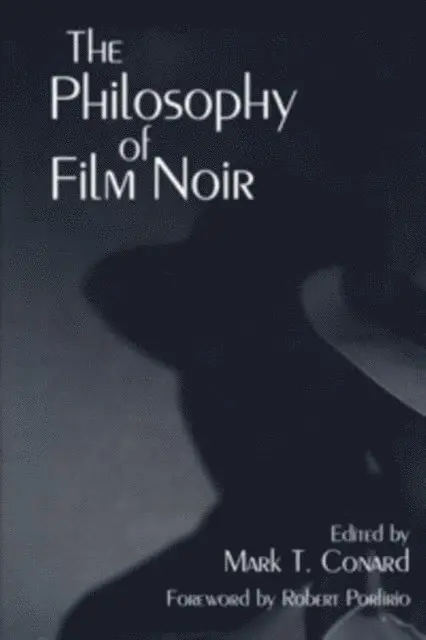
Philosophy of Film Noir
E-bok, 2005
227 kr
Lägg i varukorg
An essay collection examining the philosophical elements of select films in noir cinema, as well as the genre''s legacy in film and culture.A drifter with no name and no past, driven purely by desire, is convinced by a beautiful woman to murder her husband. A hard-drinking detective down on his …
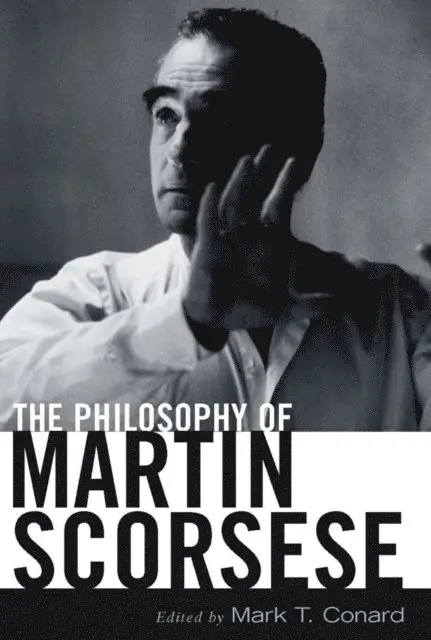
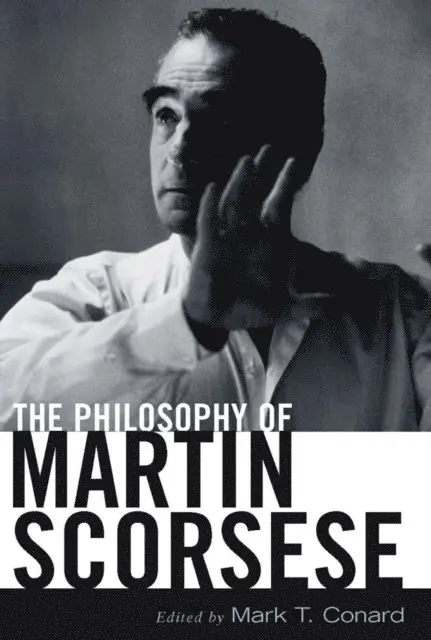
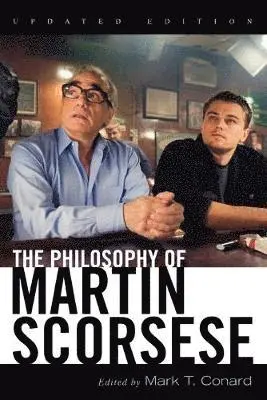
Philosophy of Martin Scorsese
E-bok, 2007
305 kr
Lägg i varukorg
Academy Award--winning director Martin Scorsese is one of the most significant American filmmakers in the history of cinema. Although best known for his movies about gangsters and violence, such as Mean Streets, Goodfellas, Casino, and Taxi Driver, Scorsese has addressed a much wider range of …
Philosophy of Neo-Noir
E-bok, 2007
153 kr
Lägg i varukorg
A collection of essays exploring the philosophical elements present in Neo-Noir films.Film noir is a classic genre characterized by visual elements such as tilted camera angles, skewed scene compositions, and an interplay between darkness and light. Common motifs include crime and punishment, the …
Philosophy of the Coen Brothers
E-bok, 2008
148 kr
Lägg i varukorg
"Written for both fans of the Coen brothers and the philosophically curious, without the technical language . . . educational and entertaining." —Library Journal Joel and Ethan Coen have made films that redefined the gangster movie, the screwball comedy, the fable, and the film noir, but no matter …
Philosophy of Spike Lee
E-bok, 2011
305 kr
Lägg i varukorg
Over his twenty-plus year tenure in Hollywood, Spike Lee has produced a number of controversial films that unapologetically confront sensitive social issues, particularly those of race relations and discrimination. Through his honest portrayals of life''s social obstacles, he challenges the public …
Philosophy of Film Noir
E-bok, 2005
227 kr
Lägg i varukorg
An essay collection examining the philosophical elements of select films in noir cinema, as well as the genre''s legacy in film and culture.A drifter with no name and no past, driven purely by desire, is convinced by a beautiful woman to murder her husband. A hard-drinking detective down on his …
Philosophy of Neo-Noir
E-bok, 2007
153 kr
Lägg i varukorg
A collection of essays exploring the philosophical elements present in Neo-Noir films.Film noir is a classic genre characterized by visual elements such as tilted camera angles, skewed scene compositions, and an interplay between darkness and light. Common motifs include crime and punishment, the …
Philosophy of Martin Scorsese
E-bok, 2007
459 kr
Lägg i varukorg
Academy Award--winning director Martin Scorsese is one of the most significant American filmmakers in the history of cinema. Although best known for his movies about gangsters and violence, such as Mean Streets, Goodfellas, Casino, and Taxi Driver, Scorsese has addressed a much wider range of …
Philosophy of the Coen Brothers
E-bok, 2008
535 kr
Lägg i varukorg
In 2008 No Country for Old Men won the Academy Award for Best Picture, adding to the reputation of filmmakers Joel and Ethan Coen, who were already known for pushing the boundaries of genre. They had already made films that redefined the gangster movie, the screwball comedy, the fable, and the film …
Philosophy of Film Noir
Häftad, 2005
488 kr
Lägg i varukorg
From The Maltese Falcon (1941) to Touch of Evil (1958), the classic film noir is easily recognizable for its unusual lighting, sinister plots, and feeling of paranoia. For critics and fans alike, these films defined an era. The Philosophy of Film Noir explores philosophical themes and ideas …
Philosophy of Neo-Noir
Häftad, 2009
450 kr
Lägg i varukorg
Film noir--a cycle of American films from the 1940s and '50s--is characterized not only by a constant opposition of light and shadow and a disruptive compositional balance of frames and scenes, but also by dark, foreboding characters and plots and an overriding sense of alienation and moral …
Philosophy of Martin Scorsese
Häftad, 2009
450 kr
Lägg i varukorg
In The Philosophy of Martin Scorsese, an impressive cast of contributors explores the complex themes and philosophical underpinnings of Martin Scorsese's films. One of the most significant filmmakers in the history of American cinema, Scorsese is the creative force behind films such as GoodFellas, …
Nietzsche and the Philosophers
Inbunden, 2016
2738 kr
Lägg i varukorg
Nietzsche is undoubtedly one of the most original and influential thinkers in the history of philosophy. With ideas such as the overman, will to power, the eternal recurrence, and perspectivism, Nietzsche challenges us to reconceive how it is that we know and understand the world, and what it means …
Nietzsche and the Philosophers
E-bok, 2016
831 kr
Lägg i varukorg
Nietzsche is undoubtedly one of the most original and influential thinkers in the history of philosophy. With ideas such as the overman, will to power, the eternal recurrence, and perspectivism, Nietzsche challenges us to reconceive how it is that we know and understand the world, and what it means …
Nietzsche and the Philosophers
E-bok, 2016
831 kr
Lägg i varukorg
Nietzsche is undoubtedly one of the most original and influential thinkers in the history of philosophy. With ideas such as the overman, will to power, the eternal recurrence, and perspectivism, Nietzsche challenges us to reconceive how it is that we know and understand the world, and what it means …
Die Simpsons und die Philosophie
Schlauer werden mit der berühmtesten Fernsehfamilie der Welt
Av Aeon J. Skoble, Mark T. Conard m. fl.
E-bok, 2016
113 kr
Lägg i varukorg
»Wer sich jetzt noch einmal daran erinnern möchte, warum diese Serie zum Brillantesten gehört, was die nicht so reiche Weltkultur der vergangenen Jahrzehnte hervorgebracht hat, sollte ›Die Simpsons und die Philosophie‹ lesen.«Daniel Kehlmann, CiceroSeit über zwanzig Jahren gilt »Die Simpsons« als …
Die Simpsons und die Philosophie
Av William Irwin, Mark T. Conard m. fl.
Häftad, 2016
138 kr
Lägg i varukorg