Mark Wasserman – författare
Visar alla böcker från författaren Mark Wasserman. Handla med fri frakt och snabb leverans.
9 produkter
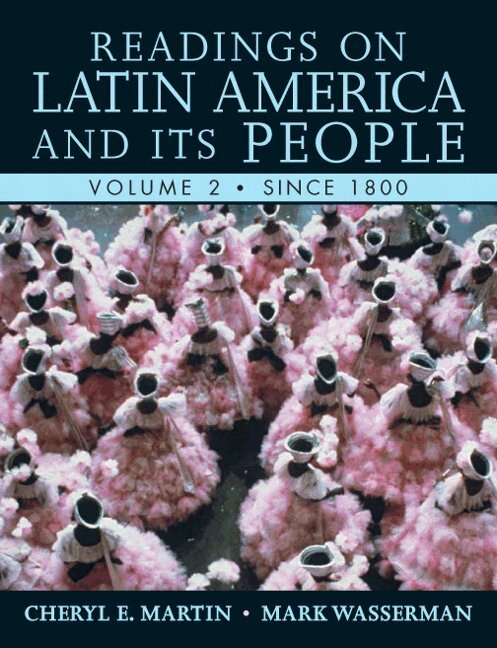
Readings on Latin America and its People, Volume 2 (Since 1800)
Av Cheryl Martin, Mark Wasserman
Häftad, 2010
1798 kr
Lägg i varukorg
Readings on Latin America and Its People emphasizes the texture of everyday life for men and women, young and old, rich and poor. Volume 2 presents a variety of primary sources from Latin America’s modern period, from the independence movements of the 19th century through the present day.
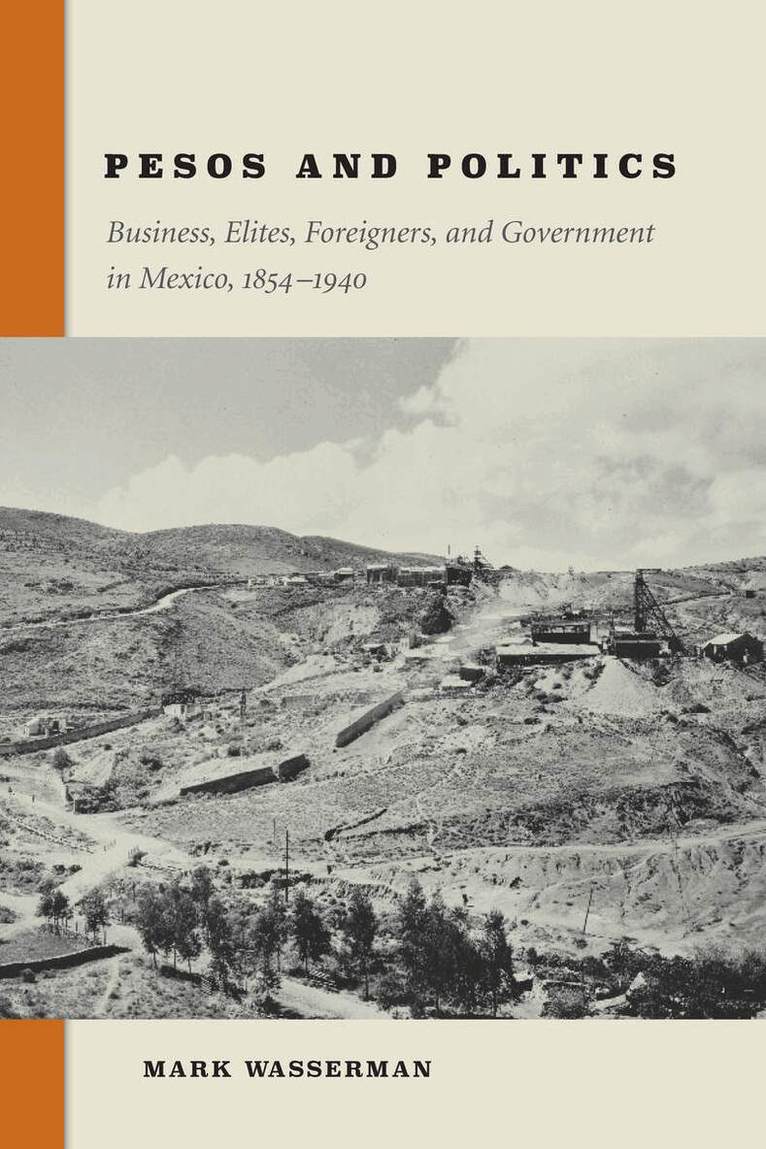
Pesos and Politics
Business, Elites, Foreigners, and Government in Mexico, 1854-1940
Inbunden, 2015
869 kr
Lägg i varukorg
The relationship between business and politics is crucial to understanding Mexican history, and Pesos and Politics explores this relationship from the mid-nineteenth century dictatorship of Porfirio Diaz through the Mexican Revolution (1876–1940). Historian Mark Wasserman argues that throughout …
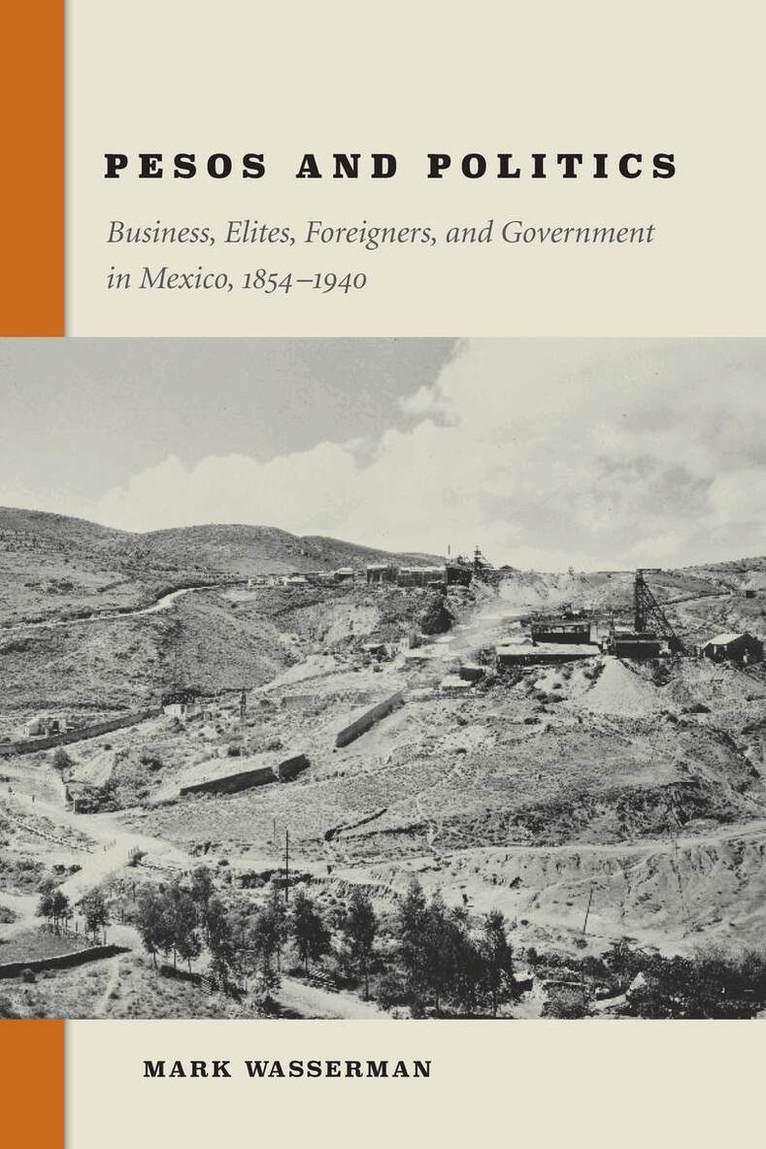
Pesos and Politics
Business, Elites, Foreigners, and Government in Mexico, 1854-1940
E-bok, 2015
999 kr
Lägg i varukorg
The relationship between business and politics is crucial to understanding Mexican history, and Pesos and Politics explores this relationship from the mid-nineteenth century dictatorship of Porfirio Diaz through the Mexican Revolution (1876–1940). Historian Mark Wasserman argues that throughout …
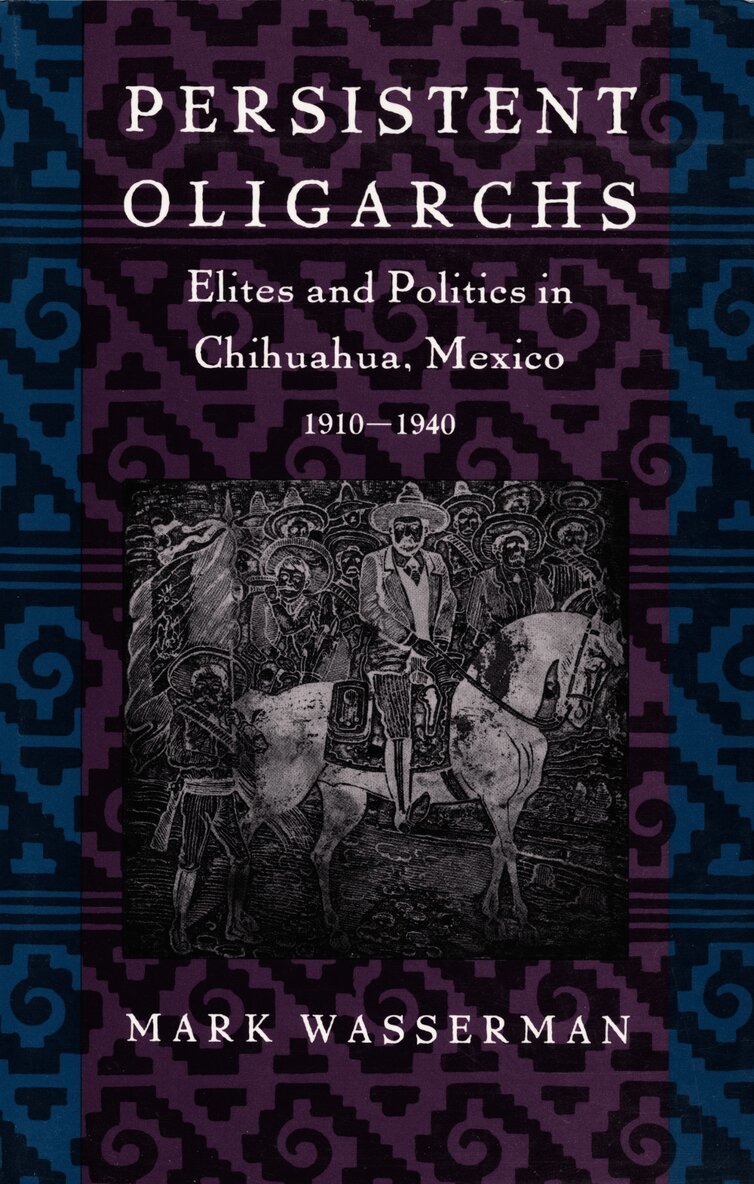
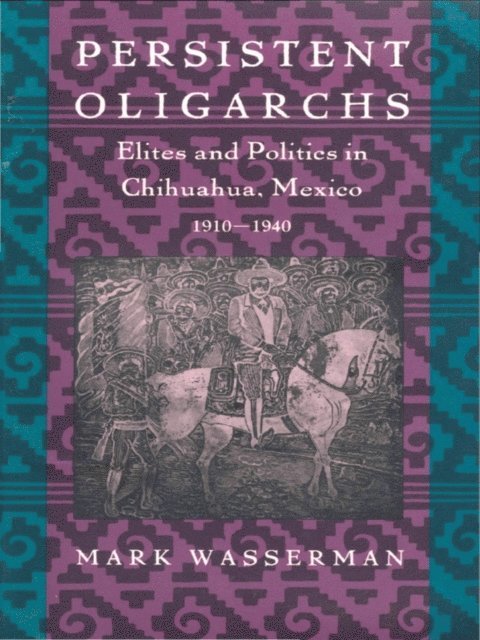
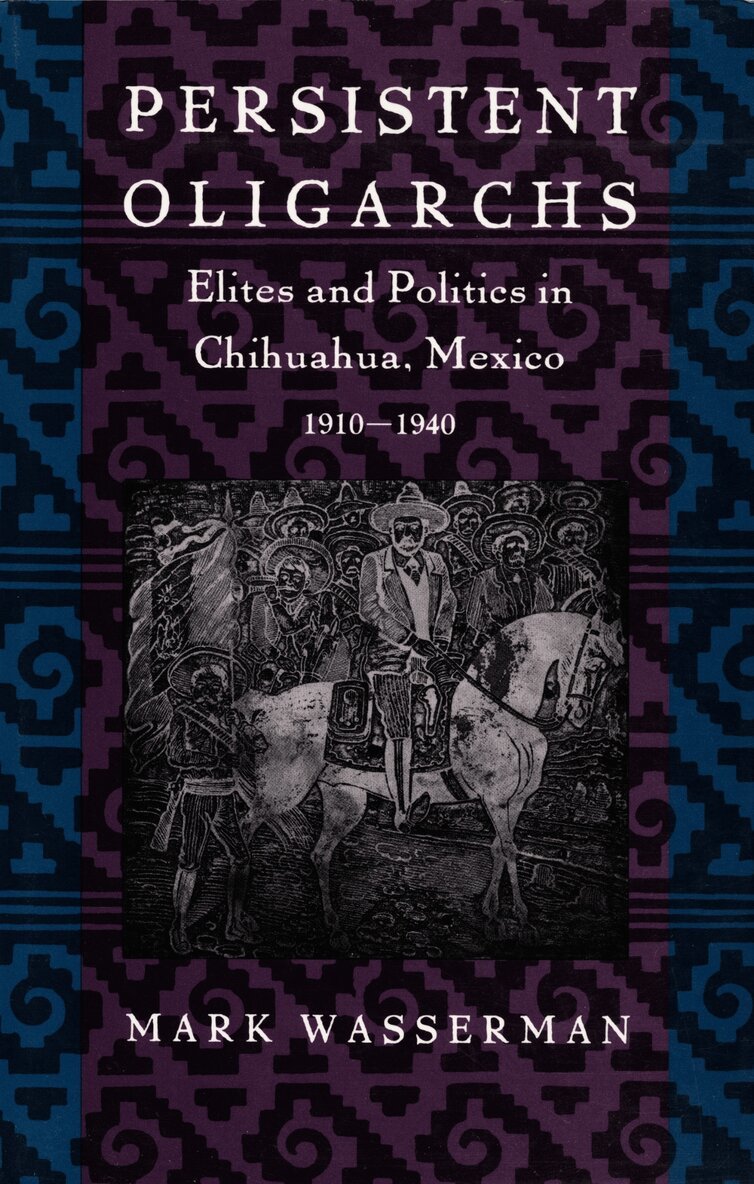
Persistent Oligarchs
Elites and Politics in Chihuahua, Mexico 1910–1940
Häftad, 1993
579 kr
Lägg i varukorg
Did the Mexican Revolution do away with the ruling class of the old regime? Did a new ruling class rise to take the old one's place-and if so, what differences resulted? In this compelling study, the first of its kind, Mark Wasserman pursues these questions through an analysis of the history and …
Persistent Oligarchs
Elites and Politics in Chihuahua, Mexico 1910–1940
E-bok, 1993
587 kr
Lägg i varukorg
Did the Mexican Revolution do away with the ruling class of the old regime? Did a new ruling class rise to take the old one''s place—and if so, what differences resulted? In this compelling study, the first of its kind, Mark Wasserman pursues these questions through an analysis of the history and …
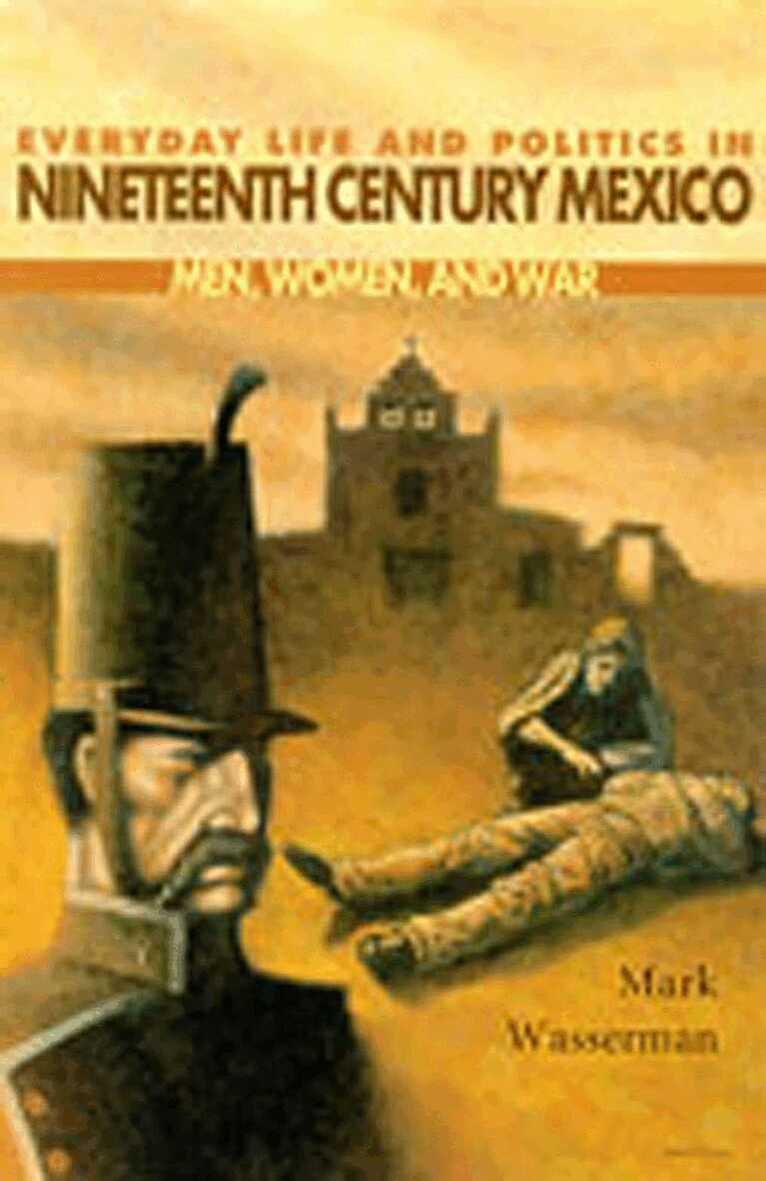
Everyday Life and Politics in Nineteenth Century Mexico
Men, Women and War
Häftad, 2000
338 kr
Lägg i varukorg
In this new and masterful synthesis, Wasserman shows the link between ordinary men and women preoccupied with the demands of feeding, clothing, and providing shelter and the elites desire for a stable political order and an expanding economy. The emphasis in this book is on the struggle of the …
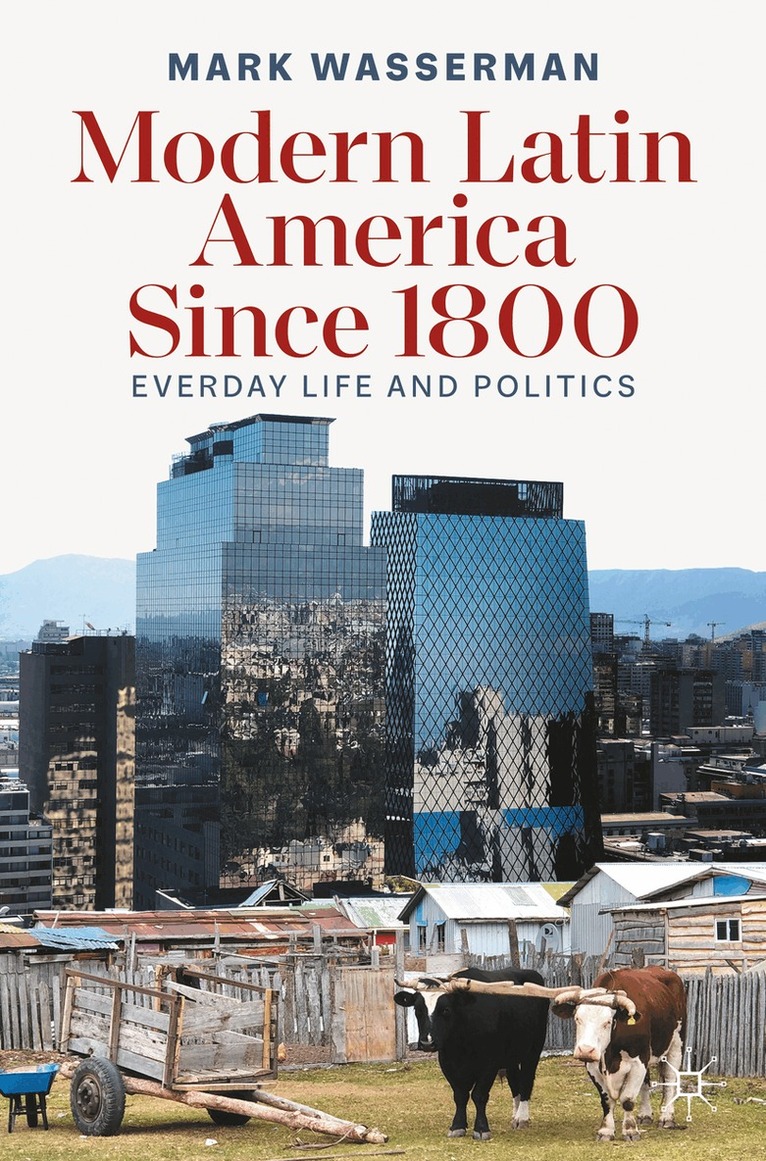
Modern Latin America Since 1800
Everyday Life and Politics
Häftad, 2022
378 kr
Lägg i varukorg
This textbook offers an interpretive overview of the history of the Latin American region since the mid-eighteenth century. Its central focus is the struggle of ordinary folks to control their daily lives. It examines the social, economic, and political institutions Latin Americans built and …
Modern Latin America Since 1800
Everyday Life and Politics
E-bok, 2022
470 kr
Lägg i varukorg
This textbook offers an interpretive overview of the history of the Latin American region since the mid-eighteenth century. Its central focus is the struggle of ordinary folks to control their daily lives. It examines the social, economic, and political institutions Latin Americans built and …
Persistent Oligarchs
Elites and Politics in Chihuahua, Mexico 1910–1940
Inbunden, 1993
1300 kr
Tillfälligt slut
Did the Mexican Revolution do away with the ruling class of the old regime? Did a new ruling class rise to take the old one's place-and if so, what differences resulted? In this compelling study, the first of its kind, Mark Wasserman pursues these questions through an analysis of the history and …