Markus Bohlmann - Böcker
Visar alla böcker från författaren Markus Bohlmann. Handla med fri frakt och snabb leverans.
3 produkter
3 produkter
1 240 kr
Skickas inom 10-15 vardagar
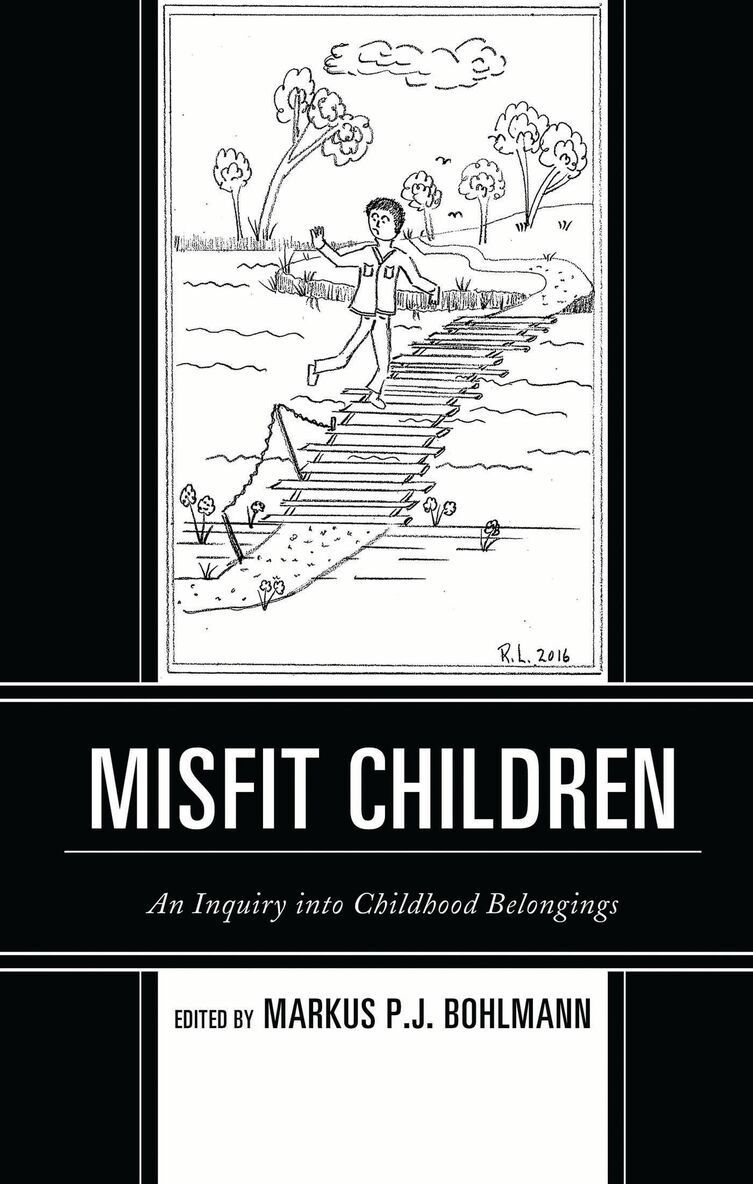
Misfits are often confused with outcasts. Yet misfits rather find themselves in-between that which fits and that which does not. This volume is interested in this slipperiness of misfits and explores the blockages and the promises of such movements, as well as the processes and conditions that produce misfits, the means that enable them to undo their denomination as misfits, and the practices that turn those who fit into misfits, and vice versa. This collection of essays on misfit children produces transmissible motions across and engages in scholarly conversations that unfold betwixt and between in order to make rigid concepts twist and twirl, and ultimately fail to fit.
1 396 kr
Skickas inom 10-15 vardagar
Technologies such as tablets, plagiarism software, and learning videos are now an important part of teaching and learning around the world. The underlying human-technology relations that shape modern educational settings have a decisive influence on what education is and will be in the future.This volume applies the analytical tools of postphenomenology to the context of education. In three sections, the contributors present empirical evidence on the use of technology in schools, show conceptual convergences with current theories relevant to education and training, and challenge and reframe the technologically situated subject as the goal of education in relation to technology.This collection, edited by Markus Bohlmann and Patrizia Breil, opens up the research field of postphenomenology to the broad field of educational technologies. Postphenomenology and Technologies Within Educational Settings extends the scope of the philosophy of technology and further expands its repertoire of theories and analytical tools.
598 kr
Skickas inom 10-15 vardagar
Welchen Beitrag kann philosophische Bildung zur Digitalisierung leisten? Was sind die Inhalte der Philosophie, die uns die Digitalität verstehen und beurteilen helfen? Welche Formen der philosophischen Kritik an der Digitalisierung sind heute didaktisch noch sinnvoll? Und wie kann philosophische Bildung dabei helfen, digitale Technologien zu hinterfragen? Das sind die Fragen dieses Buches.