Marshall Bruce Gentry - Böcker
Visar alla böcker från författaren Marshall Bruce Gentry. Handla med fri frakt och snabb leverans.
3 produkter
3 produkter
356 kr
Skickas inom 7-10 vardagar
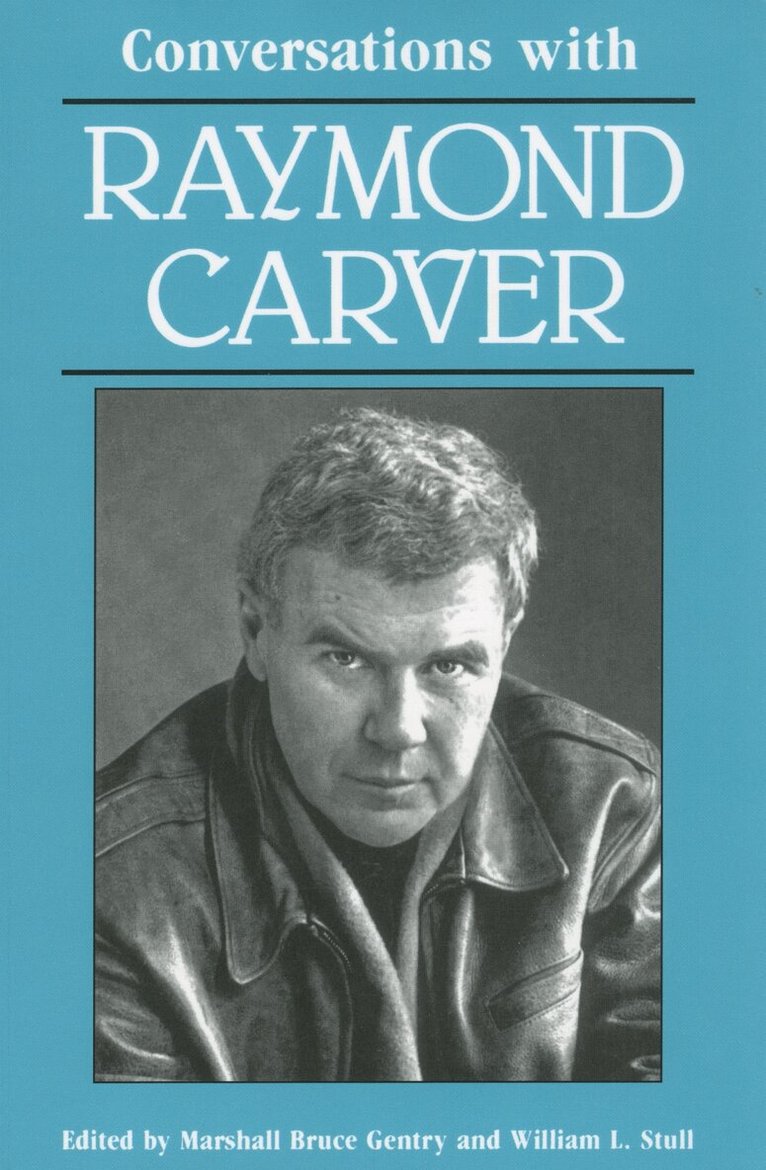
This collection of Raymond Carver's interviews reveals him to have been perhaps the premier short-story writer of his generation, a lyric-narrative poet of singular resonance, and a staunch proponent of realistic fiction in the wake of postmodern formalism. The twenty-five conversations gathered here, several available in English for the first time, include craft interviews, biographical portraits, self-analyses, and wide-ranging reflections on the current literary scene.Carver discusses his changing views of his widely influential fiction collections What We Talk About When We Talk About Love (1981), Cathedral (1983), and Where I'm Calling From (1988). Carver explains how at the height of his fame as a fiction writer he turned to poetry, producing three prize-winning books in as many years. Finally, in the closing months of his life, he talks about the coming of his last triumphant stories, the ones that secured his reputation.
361 kr
Skickas inom 10-15 vardagar
This new assessment of a major southern writer's work offers a revisionist view of her characters, who in the past twenty-five years of critical attention too often and too easily have been labeled grotesque.O'Connor's stories and novels are usually considered mere dramatizations of her stated orthodox religious commitments. According to the predominant view, the typical O'Connor work consists of a set of corrupt characters and an authoritative narrator who analyzes their theological errors. When redemption occurs, according to this view, it results from forces outside the character and against that character's will.Although such a reading adequately describes a few works, it misunderstands O'Connor's general handling of narration and of characterization. Marshall Bruce Gentry proposes new positions on O'Connor's narration and on the role of the grotesque in her characterization. By investigating the nature of religious experience in her works, he concludes that O'Connor's primary interest is redemption achieved by grotesque and unconscious means.Often in O'Connor's works, redemption becomes a moment of freedom in a continuing process of degradation and reformation. The real focus of O'Connor's fiction is the grotesque path toward redemption. As Gentry points out, by sending themselves toward physical annihilation, her characters typically take control of their redemption.
477 kr
Skickas inom 7-10 vardagar
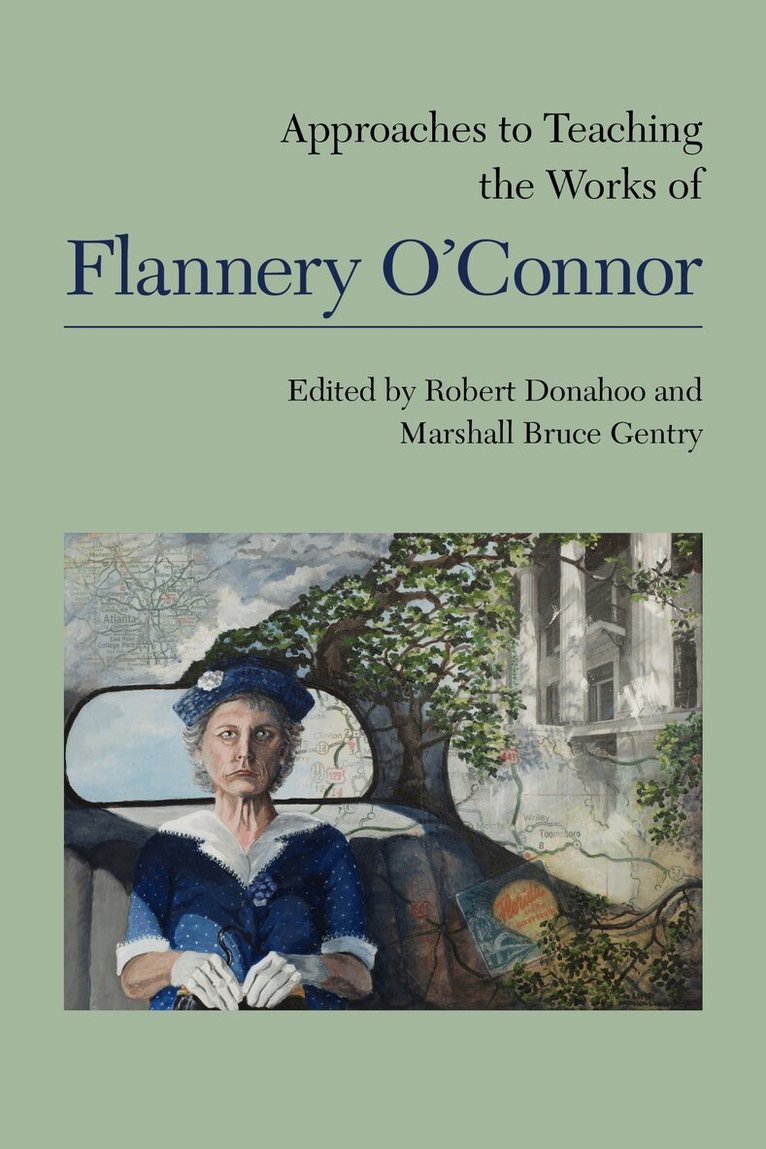
Offers pedagogical techniques for teaching the works of Flannery O'Connor, including considerations of race, whiteness, class, religion, disability, gender, technology, the environment, and the post-World War II period. Gives syllabus suggestions for undergraduate and graduate courses in American literature, Southern literature, creative writing, and women's studies.