Robert Donahoo - Böcker
Visar alla böcker från författaren Robert Donahoo. Handla med fri frakt och snabb leverans.
3 produkter
3 produkter
361 kr
Skickas inom 10-15 vardagar
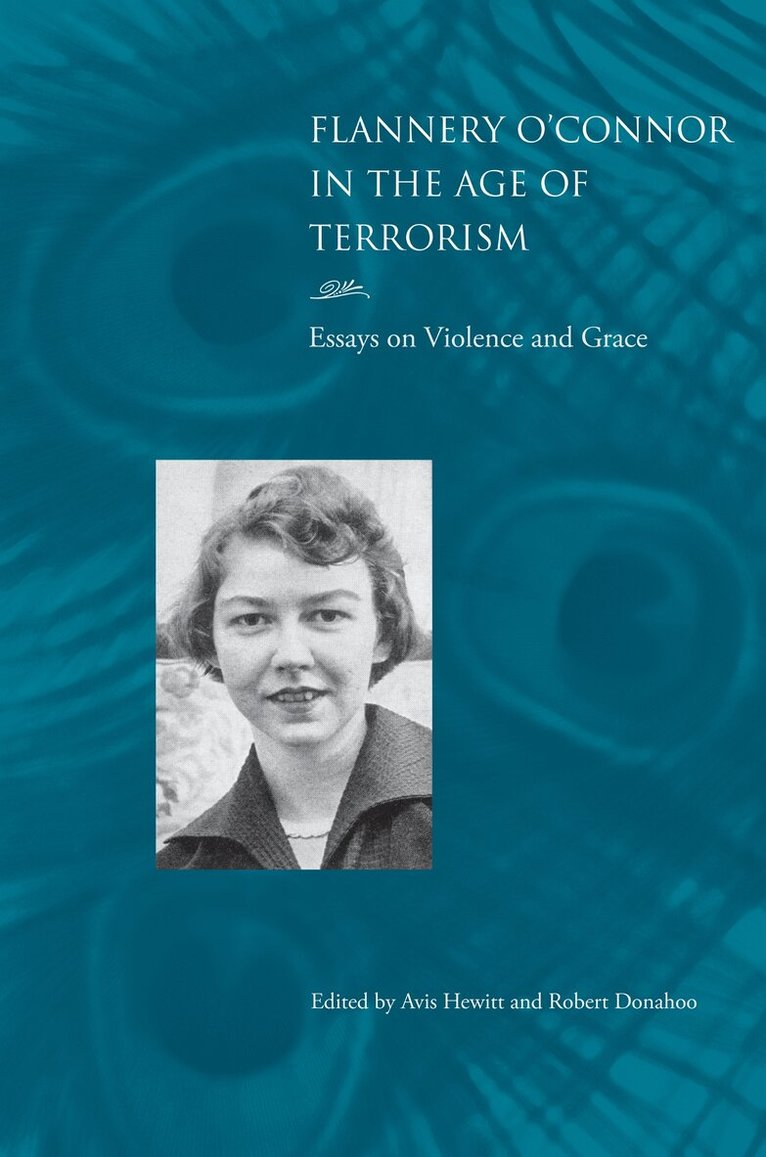
In any age, humans wrestle with apparently inexorable forces. Today, we face the threat of global terrorism. In the aftermath of September 11, few could miss sensing that a great evil was at work in the world. In Flannery O’Connor’s time, the threats came from different sources—World War II, the Cold War, and the Korean conflict—but they were just as real. She, too, lived though a “time of terror.” The first major critical volume on Flannery O’Connor’s work in more than a decade, Flannery O’Connor in the Age of Terrorism explores issues of violence, evil, and terror—themes that were never far from O’Connor’s reach and that seem particularly relevant to our present-day setting. The fifteen essays collected here offer a wide range of perspectives that explore our changing views of violence in a post-9/11 world and inform our understanding of a writer whose fiction abounds in violence. Written by both established and emerging scholars, the pieces that editors Avis Hewitt and Robert Donahoo have selected offer a compelling and varied picture of this iconic author and her work. Included are comparisons of O’Connor to 1950s writers of noir literature and to the contemporary American novelist Cormac McCarthy; cultural studies that draw on horror comics of the Cold War and on Fordism and the American mythos of the automobile; and pieces that shed new light on O’Connor’s complex religious sensibility and its role in her work. While continuing to speak fresh truths about her own time, O’Connor’s fiction also resonates deeply with the postmodern sensibilities of audiences increasingly distant from her era—readers absorbed in their own terrors and sense of looming, ineffable threats. This provocative new collection presents O’Connor’s work as a touchstone for understanding where our culture has been and where we are now. With its diverse approaches, Flannery O’Connor in the Age of Terrorism will prove useful not only to scholars and students of literature but to anyone interested in history, popular culture, theology, and reflective writing.
477 kr
Skickas inom 7-10 vardagar
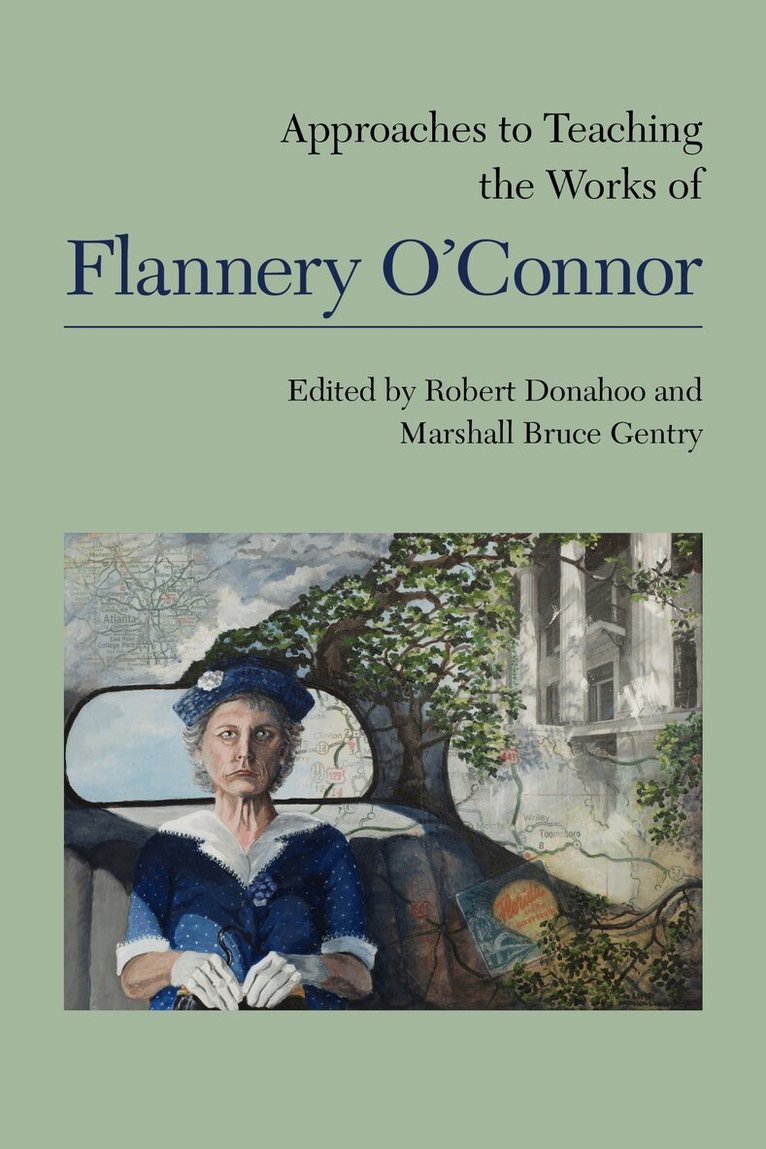
Offers pedagogical techniques for teaching the works of Flannery O'Connor, including considerations of race, whiteness, class, religion, disability, gender, technology, the environment, and the post-World War II period. Gives syllabus suggestions for undergraduate and graduate courses in American literature, Southern literature, creative writing, and women's studies.
463 kr
Skickas inom 3-6 vardagar
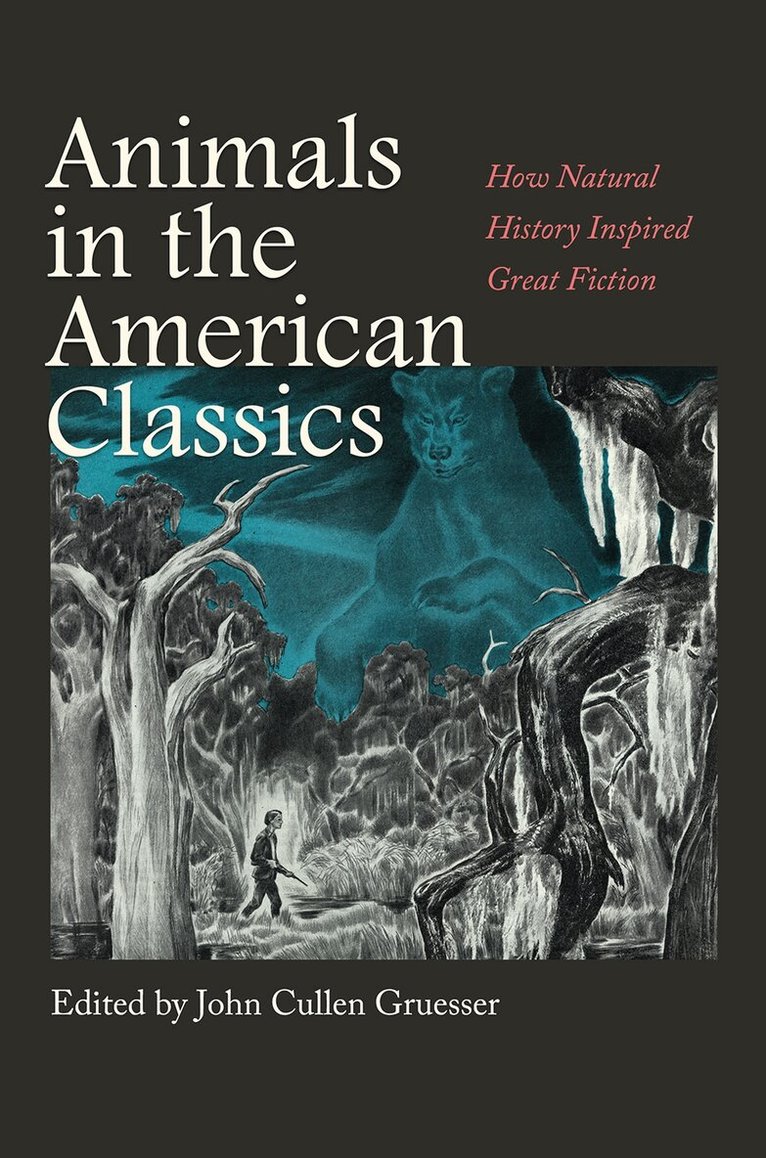
As defined by conservation biologist Thomas Fleishner, natural history is “a practice of intentional, focused receptivity to the more-than-human world . . . one of the oldest continuous human traditions.” Seldom is this idea so clearly reflected as in classic works of American fiction of the nineteenth and twentieth centuries.John Cullen Gruesser’s edited volume Animals in the American Classics: How Natural History Inspired Great Fiction features essays by prominent literary scholars that showcase natural history and the multifaceted role of animals in well-known works of fiction, from Washington Irving in the early nineteenth century to Cormac McCarthy in the late twentieth century, and including short stories and novels by Edgar Allan Poe, Herman Melville, Mark Twain, Zora Neale Hurston, William Faulkner, Ernest Hemingway, Jack London, John Steinbeck, and Harper Lee.As an introduction to or a new way of thinking about some of the best-known and most beloved literary texts this nation has produced, Animals in the American Classics considers fundamental questions of ethics and animal intelligence as well as similarities among racism, ageism, misogyny, and speciesism. With their awareness of Poe’s “more-than-casual knowledge of natural science,” Mark Twain’s proto–animal rights sensibilities, and Hurston’s training as an anthropologist, the contributors show that by drawing attention to and thinking like an animal, fiction tests the limits of humanity.