Marshall Ganz – författare
Visar alla böcker från författaren Marshall Ganz. Handla med fri frakt och snabb leverans.
10 produkter
People, Power, Change
Organizing for Democratic Renewal
Inbunden, 2024
337 kr
Lägg i varukorg
At a moment when our democratic abilities seem to have eroded, and political, economic, and technological forces have weakened the capacity for collective action, People, Power, Change is a once-in-a-generation book for anyone who wants to create real and lasting change.Marshall Ganz is one of the …
Why David Sometimes Wins
Leadership, Strategy and the Organization in the California Farm Worker Movement
Inbunden, 2009
846 kr
Lägg i varukorg
On April 10, 1966, a crowd of 10,000 farm workers and supporters gathered at the California state capitol to celebrate victory in one of the most significant strikes in American history--one that made Cesar Chavez famous as leader of the National Farm Workers Association, which later became the …
People, Power, Change
Organizing for Democratic Renewal
E-bok, 2024
196 kr
Lägg i varukorg
At a moment when our democratic abilities seem to have eroded, and political, economic, and technological forces have weakened the capacity for collective action, People, Power, Change is a once-in-a-generation book for anyone who wants to create real and lasting change.Marshall Ganz is one of the …
People, Power, Change
Organizing for Democratic Renewal
E-bok, 2024
196 kr
Lägg i varukorg
At a moment when our democratic abilities seem to have eroded, and political, economic, and technological forces have weakened the capacity for collective action, People, Power, Change is a once-in-a-generation book for anyone who wants to create real and lasting change.Marshall Ganz is one of the …
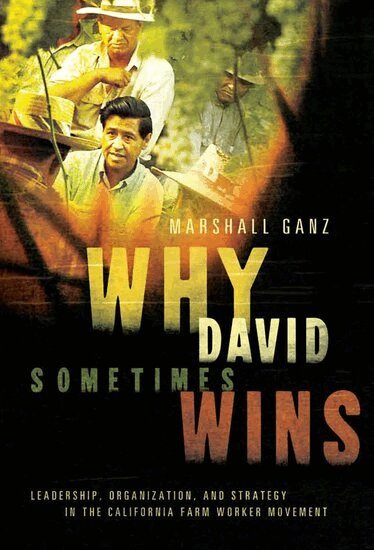
Why David Sometimes Wins
Leadership, Organization, and Strategy in the California Farm Worker Movement
E-bok, 2009
440 kr
Lägg i varukorg
Why David Sometimes Wins tells the story of Cesar Chavez and the United Farm Workers'' groundbreaking victory, drawing important lessons from this dramatic tale. Since the 1900s, large-scale agricultural enterprises relied on migrant labor--a cheap, unorganized, and powerless workforce. In 1965, …
Why David Sometimes Wins
Leadership, Organization, and Strategy in the California Farm Worker Movement
Häftad, 2010
650 kr
Lägg i varukorg
Why David Sometimes Wins tells the story of Cesar Chavez and the United Farm Workers' groundbreaking victory, drawing important lessons from this dramatic tale. Since the 1900s, large-scale agricultural enterprises relied on migrant labor--a cheap, unorganized, and powerless workforce. In 1965, …
Why David Sometimes Wins
Leadership, Organization, and Strategy in the California Farm Worker Movement
E-bok, 2009
440 kr
Lägg i varukorg
Why David Sometimes Wins tells the story of Cesar Chavez and the United Farm Workers'' groundbreaking victory, drawing important lessons from this dramatic tale. Since the 1900s, large-scale agricultural enterprises relied on migrant labor--a cheap, unorganized, and powerless workforce. In 1965, …
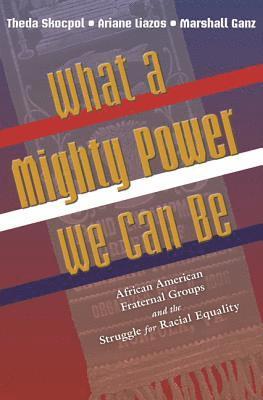
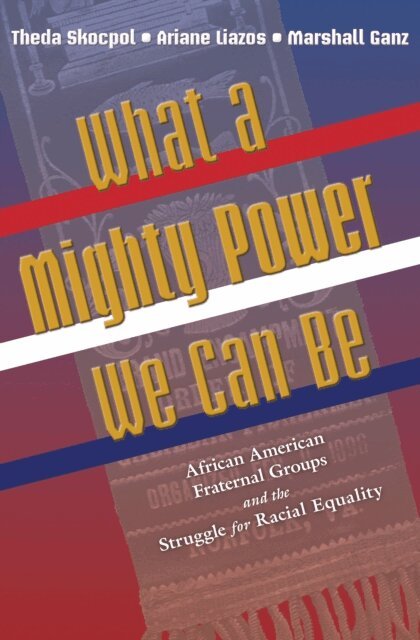
What a Mighty Power We Can Be
African American Fraternal Groups and the Struggle for Racial Equality
Av Theda Skocpol, Ariane Liazos m. fl.
Häftad, 2008
338 kr
Lägg i varukorg
From the nineteenth through the mid-twentieth centuries, millions of American men and women participated in fraternal associations--self-selecting brotherhoods and sisterhoods that provided aid to members, enacted group rituals, and engaged in community service. Even more than whites did, African …
What a Mighty Power We Can Be
African American Fraternal Groups and the Struggle for Racial Equality
Av Marshall Ganz, Ariane Liazos m. fl.
E-bok, 2018
470 kr
Lägg i varukorg
From the nineteenth through the mid-twentieth centuries, millions of American men and women participated in fraternal associations--self-selecting brotherhoods and sisterhoods that provided aid to members, enacted group rituals, and engaged in community service. Even more than whites did, African …
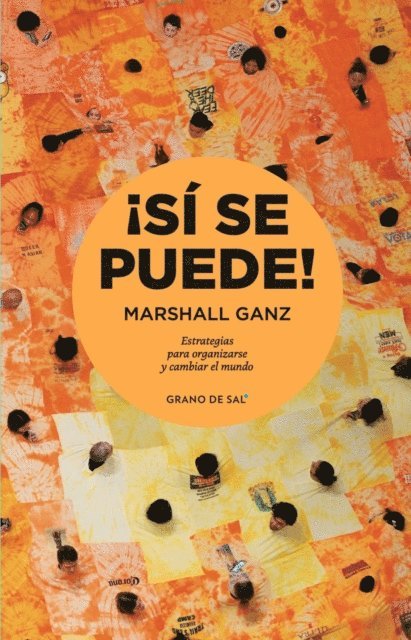
¡Sí se puede!
Estrategias para organizarse y cambiar el mundo
E-bok, 2022
102 kr
Lägg i varukorg
"Sí se puede." Esta expresión, que puede suscitar una sonrisa irónica, suele aparecer cuando una causa perdida (sea un partido de beisbol o una campaña política) remonta todos los obstáculos y parece dirigirse hacia una victoria inesperada. La mayor parte del tiempo la frase no pasa del acto de fe. …