Martha Buskirk – författare
Visar alla böcker från författaren Martha Buskirk. Handla med fri frakt och snabb leverans.
6 produkter
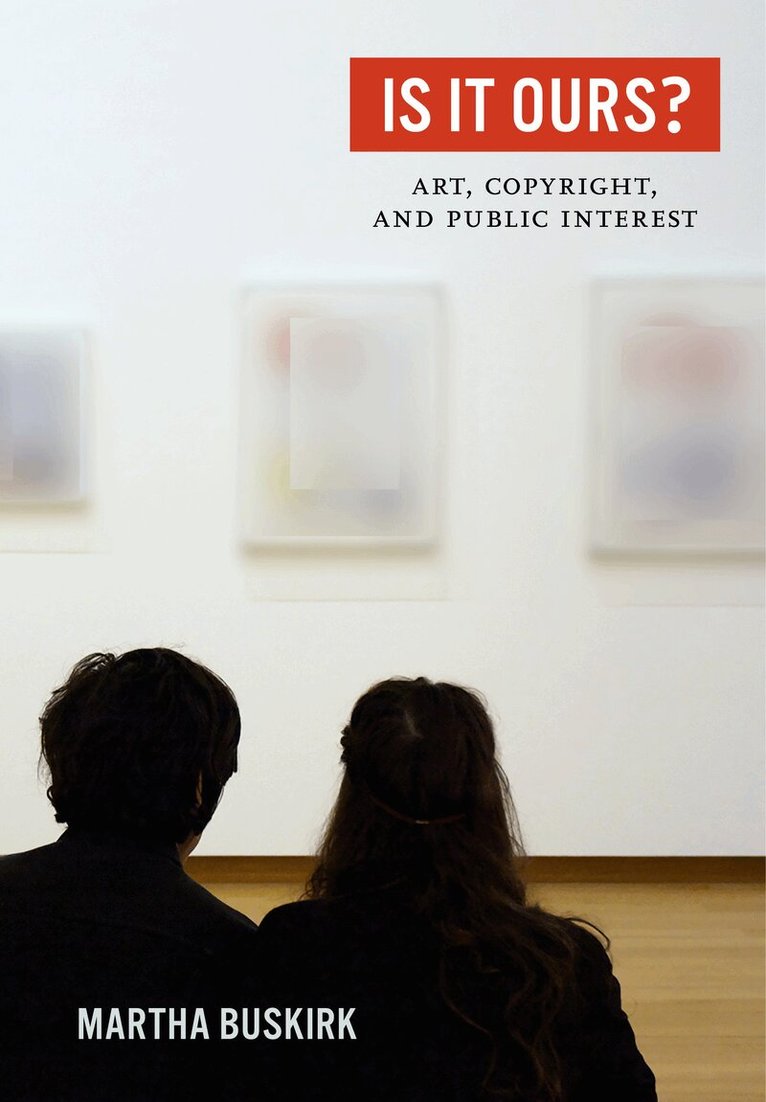
Is It Ours?
Art, Copyright, and Public Interest
Inbunden, 2021
361 kr
Lägg i varukorg
Exploring artistic authorship and intellectual property in the contemporary world.If you have tattoos, who owns the rights to the imagery inked on your body? What about the photos you just shared on Instagram? And what if you are an artist, responding to the surrounding landscape of preexisting …
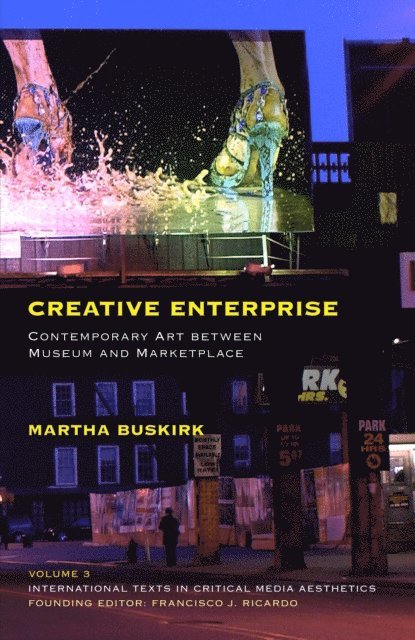
Creative Enterprise
Contemporary Art Between Museum and Marketplace
E-bok, 2012
674 kr
Lägg i varukorg
In the face of unparalleled growth and a truly global audience, the popularity of contemporary art has clearly become a double-edged affair. Today, an unprecedented number of museums, galleries, biennial-style exhibitions, and art fairs display new work in all its variety, while art schools …
Creative Enterprise
Contemporary Art Between Museum and Marketplace
E-bok, 2012
674 kr
Lägg i varukorg
In the face of unparalleled growth and a truly global audience, the popularity of contemporary art has clearly become a double-edged affair. Today, an unprecedented number of museums, galleries, biennial-style exhibitions, and art fairs display new work in all its variety, while art schools …
Creative Enterprise
Contemporary Art between Museum and Marketplace
Häftad, 2012
620 kr
Lägg i varukorg
In the face of unparalleled growth and a truly global audience, the popularity of contemporary art has clearly become a double-edged affair. Today, an unprecedented number of museums, galleries, biennial-style exhibitions, and art fairs display new work in all its variety, while art schools …