Martha Donkor – författare
Visar alla böcker från författaren Martha Donkor. Handla med fri frakt och snabb leverans.
5 produkter
5 produkter
1 142 kr
Skickas inom 10-15 vardagar
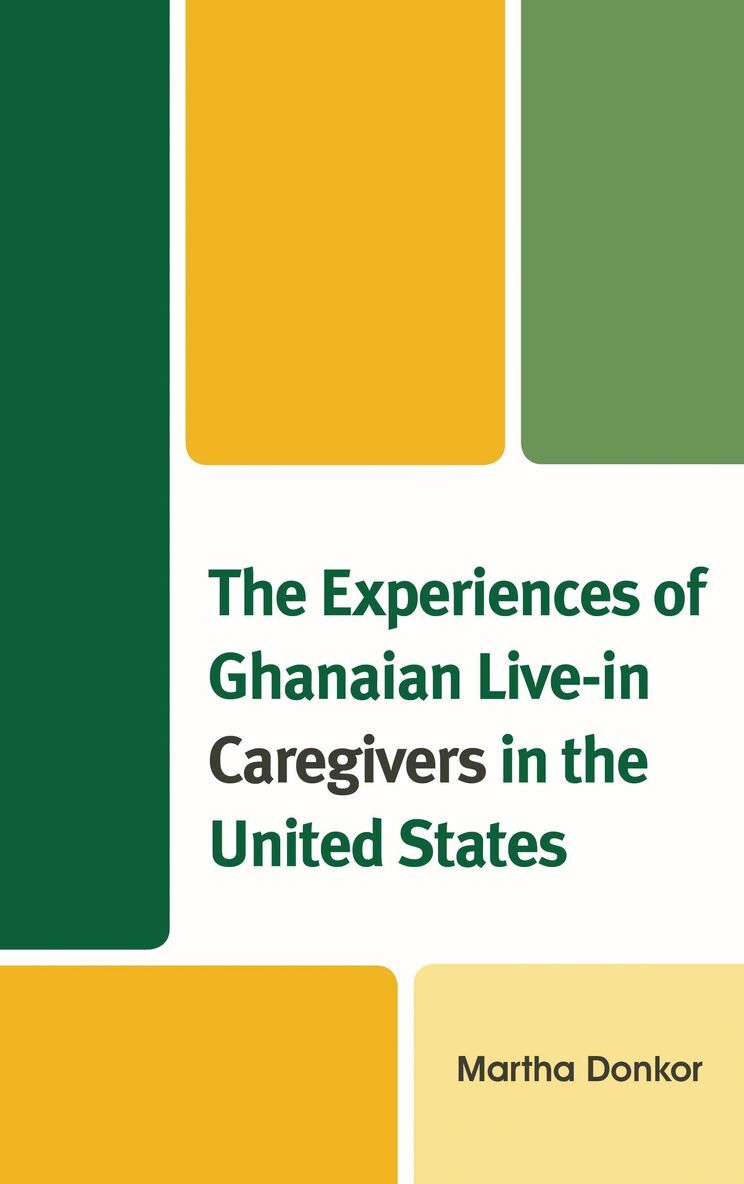
Using the convergence of the impact of globalization and political turmoil in Ghana on Ghanaian women as a backdrop, this book examines the migration of the women to the US and their decisions to care for upper middle class white seniors who elected to stay in their homes to be cared for by private caregivers. The book explores the attraction of domestic care work, the women’s perceptions of their job, their relationships with their clients, and the dynamics of their relationships with their immediate families and families left behind in Ghana. It also analyzes the women’s interactions with the immigrant community from their remote work sites. The book examines widely-held beliefs about domestic work as undervalued, under-remunerated, and relegated to marginalized immigrant women of color. While admitting that these problems exist, the women whose stories are told in the book did not believe that their brand of care work, which they called private practice, was undervalued or underpaid. They also did not think that racism played a role in the concentration of immigrant women of color in domestic care work as widely believed, although, again, the women admitted that there was racism in American society. By doing so, the women symbolically placed themselves beyond the institutional barriers that constrain the lives of women of color in American society. And while it addresses common themes like exploitation, abuse, restriction of movement, etc. that other studies of immigrant live-in caregiving address, this book stands out in two major ways. First is its truly transnational character. It links the women’s background in Ghana to their immigration history and how these two influenced their choice as well as perceptions of care work and then loops their experience of care work back to expectations in Ghana. Second, the book validates the women’s voices as a product of their cultural background, thus making the case that the women’s choices and experiences were informed by conditions in the US and the cultural baggage the women brought with them. The book argues that private care work satisfied women’s financial expectations, and with that, leverage in their families.
1 142 kr
Skickas inom 10-15 vardagar
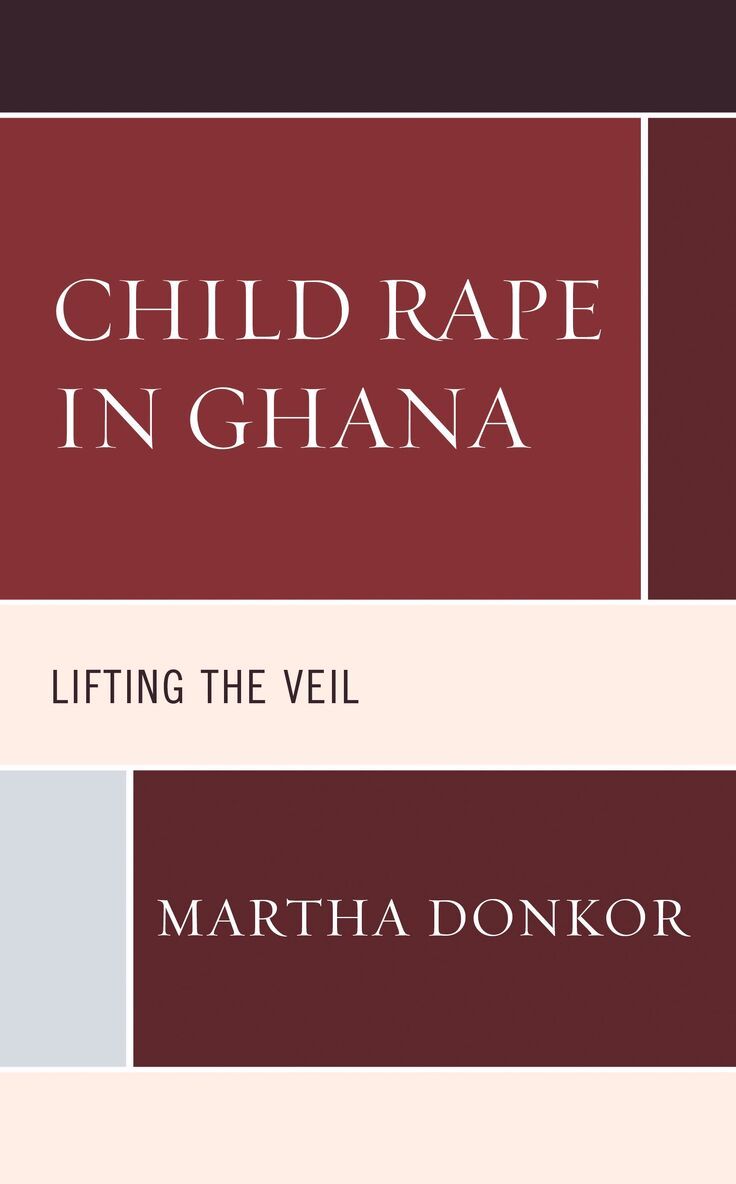
This book analyzes the etiology of child rape in Ghana within the framework of rape culture. By applying feminist perspectives and psychological theories to laws in Ghana to protect children against sexual abuse, this book creates room for both victims and perpetrators to tell their stories while also incorporating the views of the public through a textual analysis of reader comments on child rape in the nation’s newspapers. The presentation of both victims’ and perpetrators’ perspectives is done with the goal of drawing attention to the pervasiveness of child rape in Ghanaian society and to provide a lens through which we can detect potentially dangerous situations that can lead to child molestation in our homes and communities, revealing lapses in social organization and interactions that make child rape possible.
1 142 kr
Skickas inom 10-15 vardagar
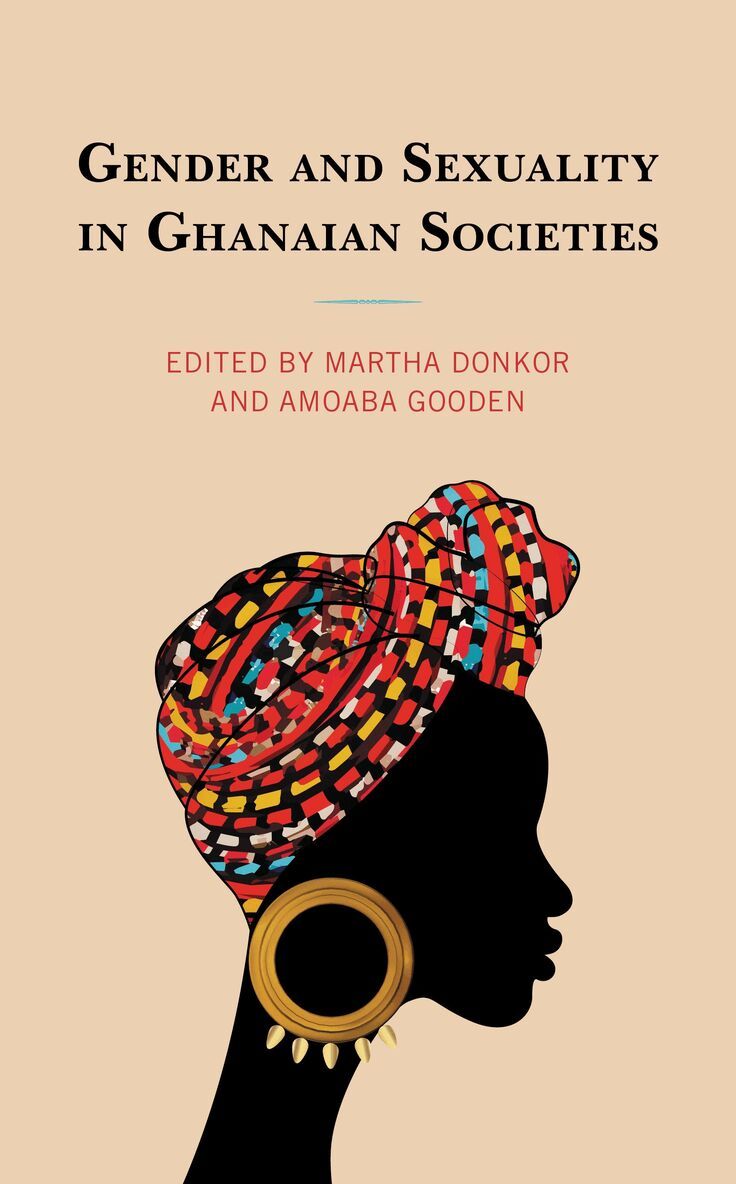
Gender and Sexuality in Ghanaian Societies explores cultural dynamics embedded in the interstices of agency, vulnerability, and power within patriarchal structures that seek to regulate the sexual lives of women in Ghana. Emphasizing the centrality of gender as a motive force for sexual expression, the book stresses that contemporary Ghanaian women's sexual expressions are caught at the intersection of traditional gender expectations of heteronormativity and women’s perceptions of how heteronormativity should operate in their lives. The book's emphasis on women's agency is significant because it highlights a flaw in earlier, Western accounts of African women's lives under Africa's special brand of patriarchy that held women in total subjection to men. Gender and Sexuality debunks that trope and presents Ghanaian women's dynamism, resilience, and vulnerabilities embedded in the diverse cultures in which they live.
434 kr
Skickas inom 10-15 vardagar
Gender and Sexuality in Ghanaian Societies explores cultural dynamics embedded in the interstices of agency, vulnerability, and power within patriarchal structures that seek to regulate the sexual lives of women in Ghana. Emphasizing the centrality of gender as a motive force for sexual expression, the book stresses that contemporary Ghanaian women's sexual expressions are caught at the intersection of traditional gender expectations of heteronormativity and women’s perceptions of how heteronormativity should operate in their lives. The book's emphasis on women's agency is significant because it highlights a flaw in earlier, Western accounts of African women's lives under Africa's special brand of patriarchy that held women in total subjection to men. Gender and Sexuality debunks that trope and presents Ghanaian women's dynamism, resilience, and vulnerabilities embedded in the diverse cultures in which they live.
1 167 kr
Skickas inom 10-15 vardagar
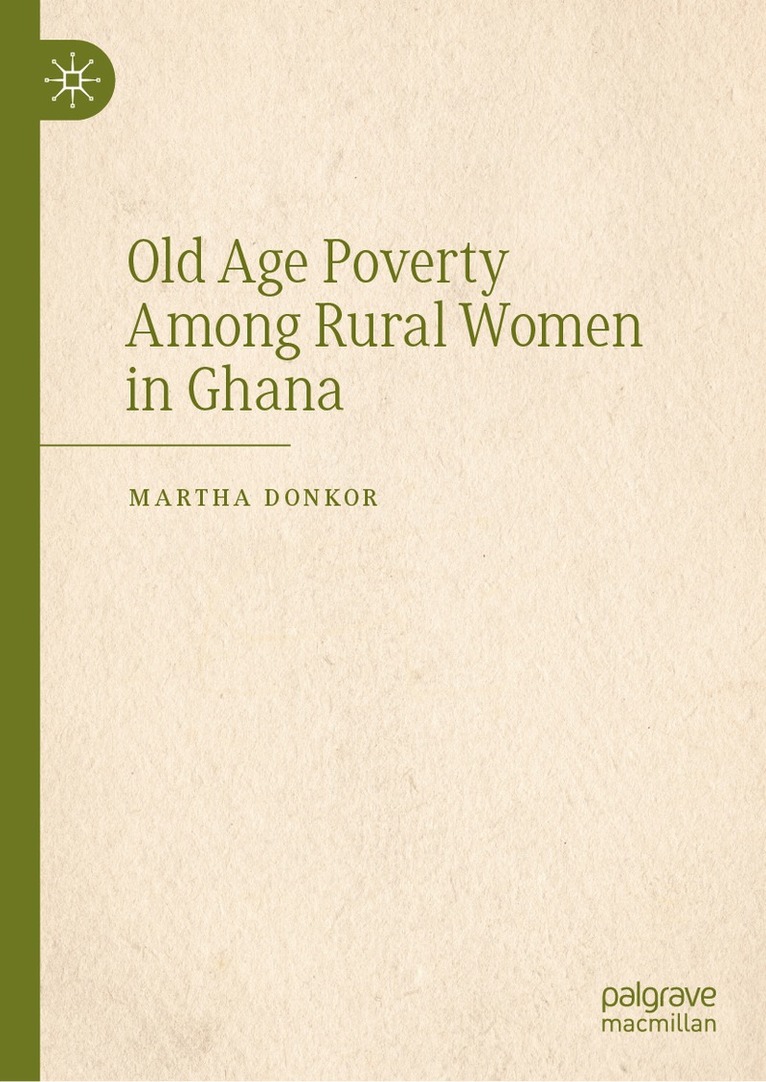
Drawing on interviews with over 50 women in rural villages in Ghana, this book analyzes the poverty of older, rural, and illiterate women in Ghana within the framework of the feminization of poverty. The book demonstrates that alleged gains in gender equality are not universal even within the same country and that the feminization of poverty marginalizes certain groups in meta-analyses that focus heavily on monetary indicators. Specific issues explored include the conditions and processes that create poverty among older women, the role illiteracy and rural living play in the creation of poverty, women's experience and understanding of poverty, and the effectiveness of government interventions to alleviate or end rural poverty in Ghana. The author exposes a weakness in analyses of poverty that use income at the exclusion of personal and social characteristics, arguing that economic forces do not operate in a vacuum and an analysis that prioritizes non-monetary aspects of poverty is necessary to tease out its nuances.This book will be of interest to scholars and researchers focusing on the intersections of gender, work, the economy, poverty, and rurality, particularly in western Africa.