Martha H. Swain - Böcker
Visar alla böcker från författaren Martha H. Swain. Handla med fri frakt och snabb leverans.
4 produkter
4 produkter
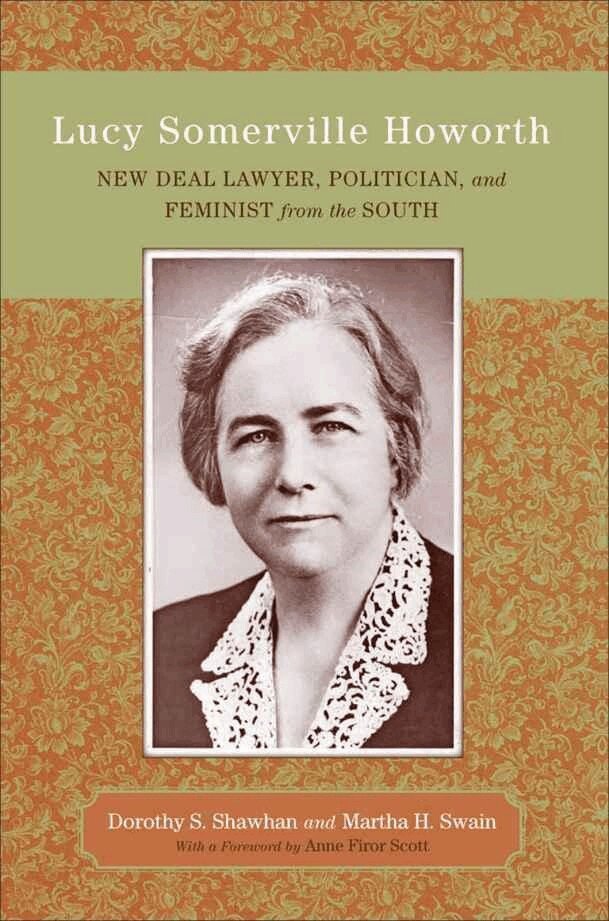
Lucy Somerville Howorth
New Deal Lawyer, Politician, and Feminist from the South
Häftad, Engelska, 2011
332 kr
Skickas inom 10-15 vardagar
Mississippi native Lucy Somerville Howorth (1895-1997) championed for the rights of women long before feminism was a widely recognised movement. Dorothy S. Shawhan and Martha H. Swain tell her remarkable life story, from her small-town upbringing to her career as an attorney, to her role as a New Deal activist in Washington D.C. Howorth became known for her leadership qualities and quick appraisal of social problems, particularly as they affected women. She became general counsel of the War Claims Commission and held a presidential appointment under four different presidents. This first-ever biography of Howorth bestows long-overdue recognition of her many achievements and illuminates the activism of women long before the women's movement.
1 267 kr
Skickas inom 5-8 vardagar
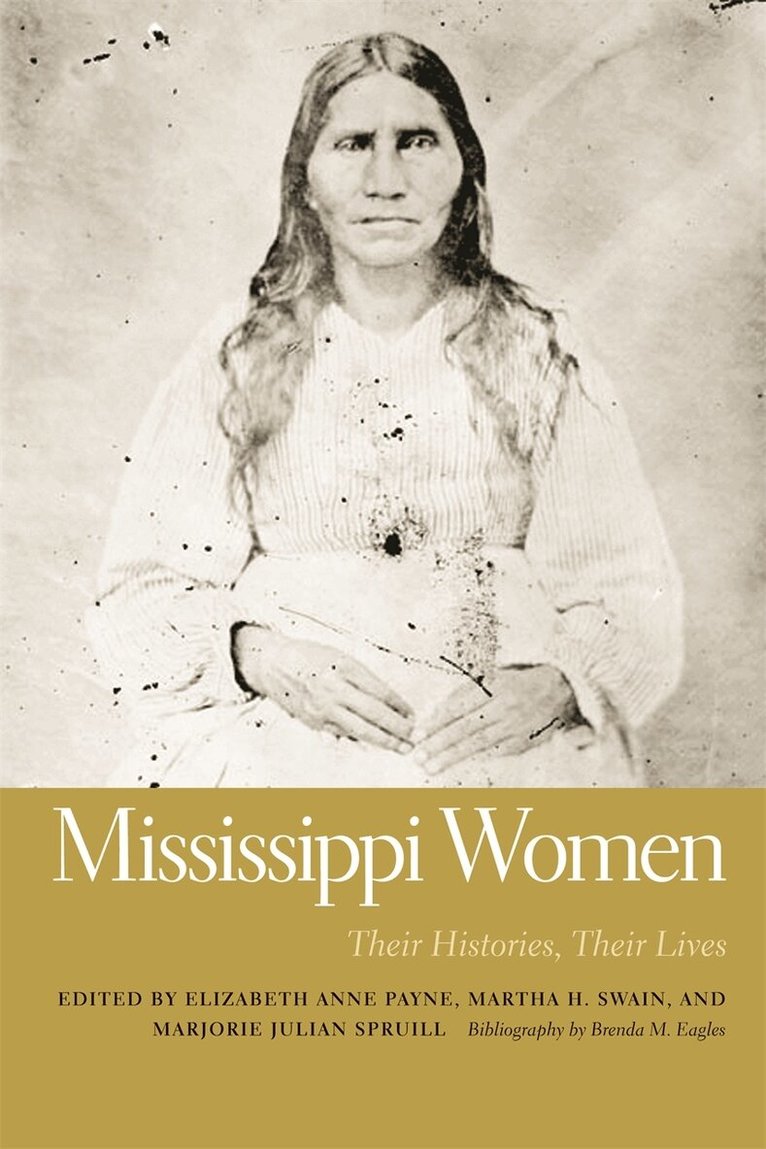
Volume 1 of Mississippi Women enriched our understanding of women’s roles in the state’s history through profiles of notable, though often neglected, individuals. Volume 2 explores the historical forces that have shaped women’s lives in Mississippi. Covering an expanse of time from early European settlement through the course of the twentieth century, the essays in the second volume acknowledge the state’s diverse cultural and physical landscapes as they discuss how issues of race, gender, and class affected women’s lives in various private and public spheres.Essays on the state’s early history focus on such topics as Choctaw and Chickasaw women’s influence on Native American society and tribal councils, daily life for free black women in slaveholding Natchez, and the efforts of white Protestant women to establish churches on the frontier. Several essays cast new light on legal concerns, including two on the pivotal Married Women’s Property Act of 1839, while other essays examine the impact of the Civil War and Reconstruction on women’s lives.The boundaries of race and gender in Jim Crow Mississippi are explored through an essay on the women of the mixed-race Knight family, notably the educator, nurse, and missionary Anna Knight. Women’s experiences with rural electrification, consumerism, civil rights activism, social and service clubs, and feminism are among the other twentieth-century topics addressed in the essays. Volume 2 concludes with an essay on storytelling and remembrance that centers on the family of Pulitzer Prize-winning columnist (and Mississippi native) William Raspberry.
388 kr
Skickas inom 10-15 vardagar
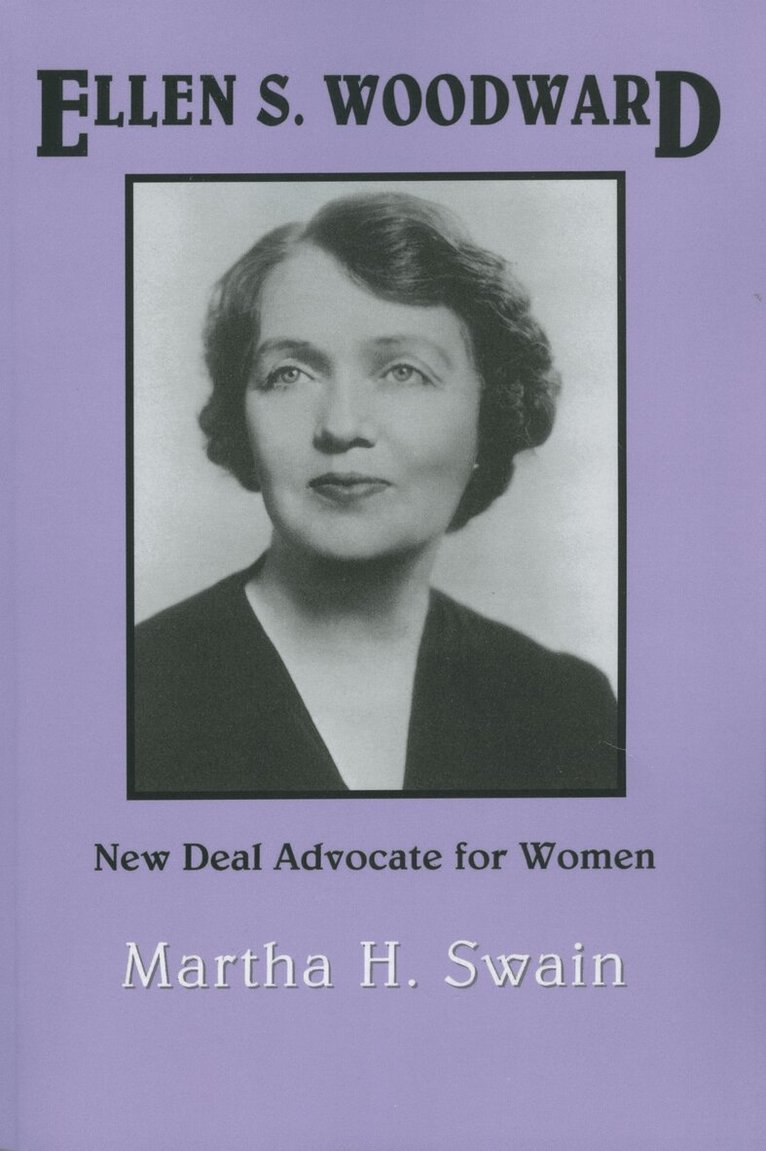
Ellen S. Woodward (1887-1971) was touted as Roosevelt's second most powerful woman appointee. Among American women only Eleanor Roosevelt and Labor Department Secretary Frances Perkins could claim more elevated roles in the circle of FDR's administration.This long overdue biography of such a remarkable leader traces Woodward's odyssey from the parlors of her Mississippi clubwomen associates to a position as director of women's work relief under three successive New Deal agencies from 1933 to 1938.Swain depicts Woodward in the vital roles she took in alleviating the working woman's plight. Particularly rich is Swain's account of Woodward's attempts to remain vital in policymaking during the Truman era, when Eleanor Roosevelt was no longer the central figure of the women's coterie.Without minimizing the limitations of the programs under Woodward's aegis, Swain gives ample attention to the operation and internal dynamics of her ambitious projects. Though some of Woodward's project proved to be disappointing, others became rich legacies for programs in later administrations.
377 kr
Skickas inom 10-15 vardagar
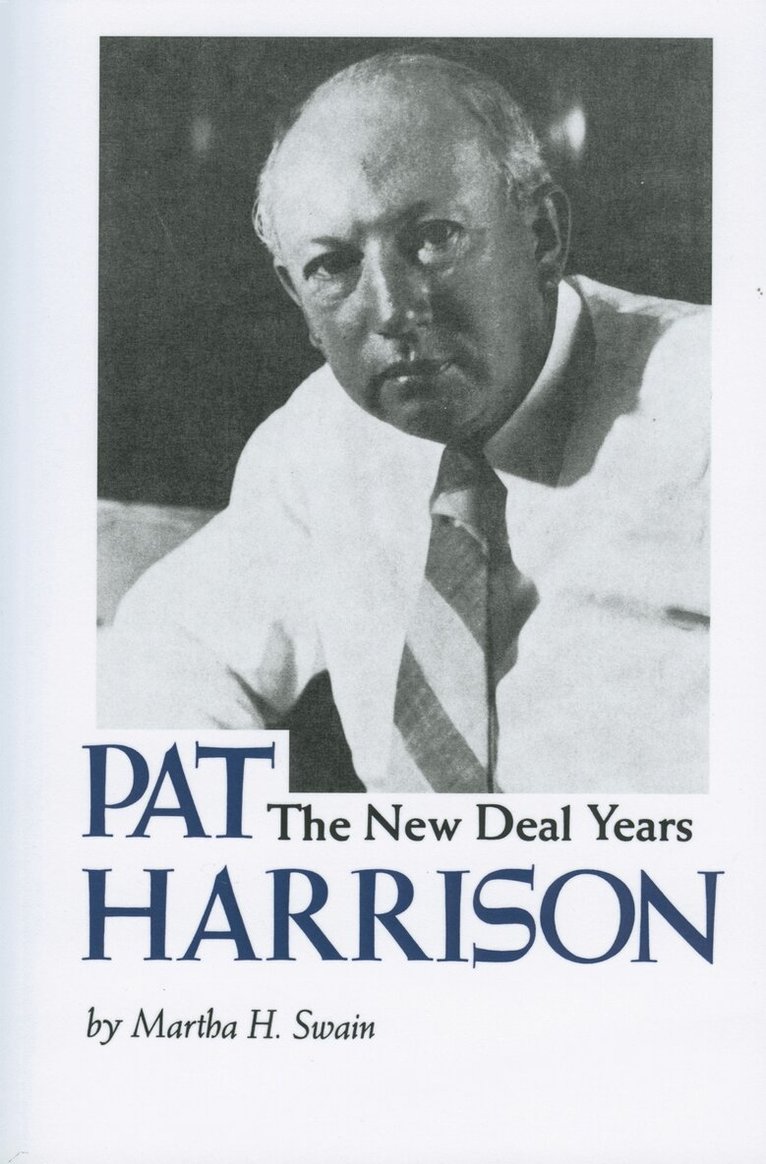
Byron Patton ""Pat"" Harrison was chairman of the Senate Committee on Finance during the New Deal, and under his tutelage the committee handled many of the major measures of the decade. Harrison brought to his post enormous influence based not only upon congressional longevity dating from his entry into the House of Representatives in 1911 and the Senate in 1919 but also upon a happy combination of personal qualities that made him perhaps the most popular man in the Senate during his time.Although never the author of any major legislation, Harrison was a master tactician and broker for the ideas of others. Defeated by one vote in 1937 in a contest with Alben W. Barkley for the position of majority leader, the Mississippi senator was named President Pro Tempore in January 1941, six months before his death.Harrison was an ardent supporter of Franklin D. Roosevelt during the first years of the New Deal. By 1935 the senator had become, as Fortune magazine reported, ""a New Deal wheelhorse . . . suspicious of his load."" One of the major purposes of this study is to explain how Harrison's basic conservatism, subdued by the exigencies of total depression, became manifest during the latter years of the decade.His reservations, which appeared in the open at the time of the wealth tax of 1935, grew out of his basic belief that revenue bills should be written for revenue only. After he became disenchanted with the later New Deal's emphasis upon deficit spending and social control programs, disillusioned by the treatment accorded him by the President, and convinced that the economic emergency was over, Harrison's attitudinal modifications were obvious. Subsequently his refusal to support the administration, his open leadership of the Finance Committee in diminishing the effect of administrative measures, and his affection for senators cast off by the President all began to indicate that the Mississippian was ready to match his Senate performance with the beliefs that he probably had always held. The Harrison-Roosevelt estrangement did not end until the two agreed upon the need for preparedness in 1940.This study focuses to a lesser extent upon Pat Harrison's relationships with major New Deal figures. Considerable attention is also devoted to his difficulties with his colleague Theodore G. Bilbo and his easier associations with other Mississippi officials. Finally, this work sheds some light upon the nature of depression and recovery in Mississippi and the political vagaries of the state during this decade. This book is based primarily upon public documents, newspaper accounts, and a number of manuscript collections. Other important sources are private interviews of the author with contemporaries of Harrison and the interviews found in the Columbia Oral History Collection.